Who Counts as the Adult Watching a Young Rider
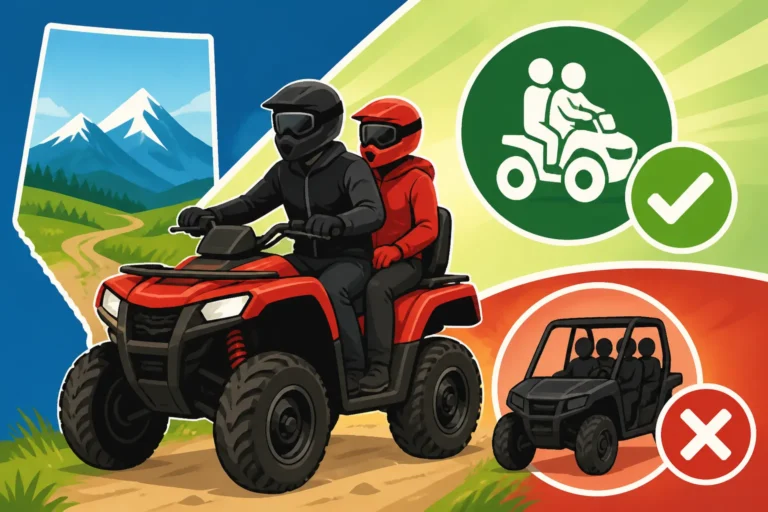
Many families dream of sharing the thrill of off-roading with their children, but the rules governing young riders on Alberta's trails can often seem confusing, especially when it comes to supervision. It's not enough to simply have another adult in the general vicinity; the law is quite specific about who qualifies as a supervisor and what "close supervision" truly entails. This guide aims to demystify these regulations, helping you understand exactly who counts as the adult watching a young rider and how to ensure a safe, compliant, and enjoyable experience for everyone on your next Alberta ATV or UTV adventure.
The Legal Framework: Defining Adult Supervision in Alberta
Riding an off-highway vehicle (OHV) in Alberta offers incredible opportunities for exploration and family fun, but it also comes with a significant responsibility, particularly when young riders are part of the crew. Alberta's regulations are carefully crafted to protect these aspiring riders, and a cornerstone of that protection is the requirement for proper adult supervision. It's not just about having any adult present; it's about ensuring the right adult, who fully grasps their role and obligations, is on duty.
Defining "Adult" in Alberta's OHV Regulations
When we talk about the legal definition of an "adult" for OHV supervision in Alberta, it's not a casual term. For the purpose of overseeing young OHV operators, an adult is specifically defined as someone who is 18 years of age or older. This age requirement isn't arbitrary; it aligns with the age of majority in the province, where individuals are legally recognized as capable of making independent decisions and being held fully accountable for their actions. This means that a 16-year-old older sibling, no matter how mature, experienced, or responsible they might be on a quad, legally cannot fulfill the role of an adult supervisor. This is a crucial distinction that many families sometimes miss, often assuming that any experienced older rider in their group can take on the supervisory role.
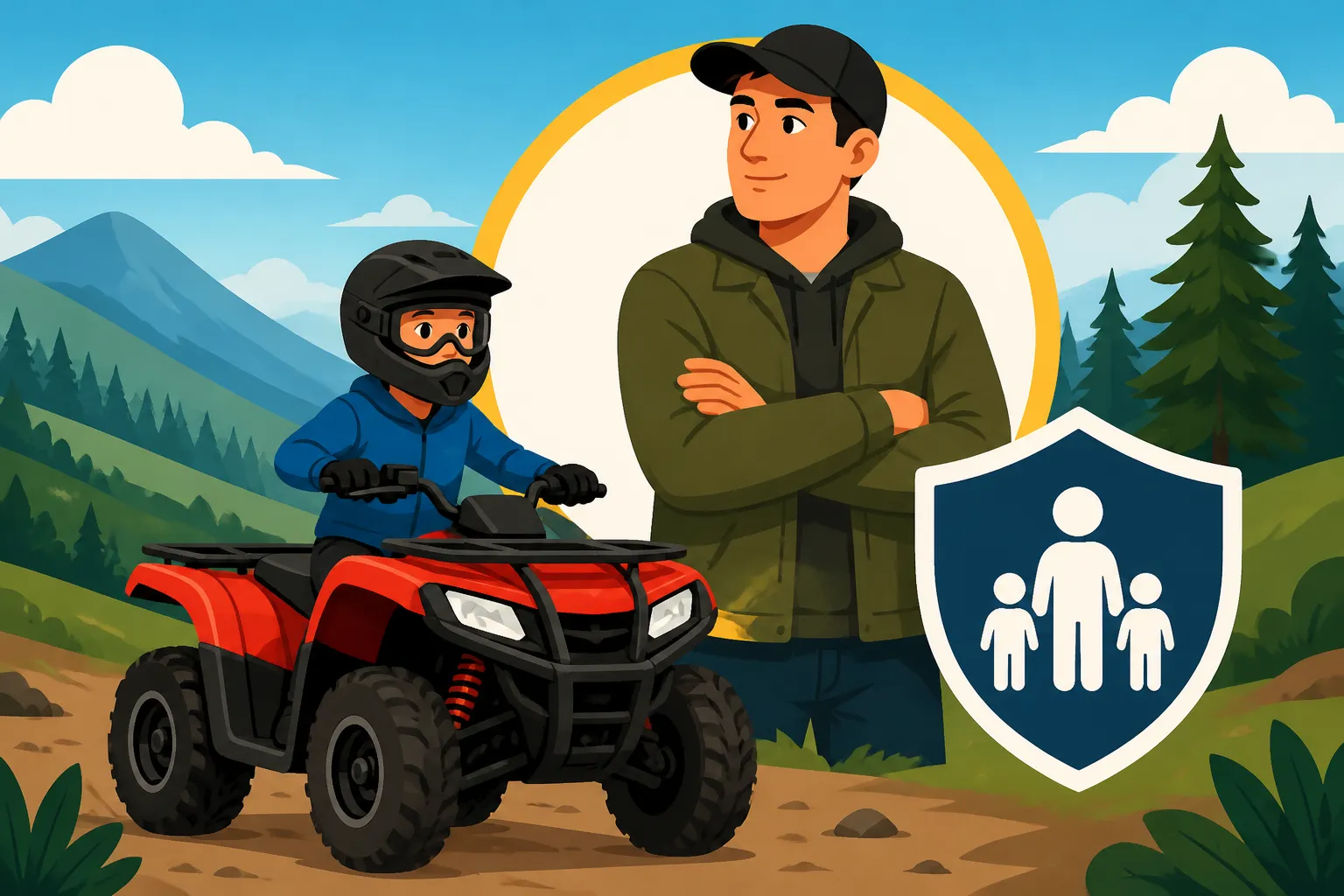
This requirement for an 18-year-old supervisor becomes especially pertinent when considering the minimum age restrictions for riders themselves. While [Alberta's Minimum Age of 14 on Public Land] generally permits unaccompanied riding for teens aged 14 and over, riders who are younger than 14 are explicitly required to be under the close supervision of an adult. This regulation is designed to ensure that a mature, legally responsible individual is directly overseeing the minor's operation of the OHV, ready to provide instruction or intervene if necessary. The designated adult supervisor is the one who ultimately bears the responsibility in the event of an incident, underscoring the critical importance of meeting this specific age criterion.
What "Close Supervision" Truly Means
The phrase "close supervision" can often create a mental image of an adult simply being somewhere nearby, perhaps watching from a distance while enjoying their own ride. However, Alberta's regulatory definition is far more stringent and places a strong emphasis on immediate availability and direct oversight. [What Alberta Means by Close Supervision] isn't merely about being in the same general area; it implies a continuous, direct ability to observe, guide, and, when needed, physically intervene in the young rider's operation of their OHV. Think of it less like an older sibling casually looking out for a younger one, and more like a dedicated coach working one-on-one: you are right there, with your attention fully engaged, prepared to step in at any moment.
This often translates to the supervisor riding their own OHV in very close proximity to the young rider, or even walking alongside them if the terrain and speed are appropriate. The fundamental principle is that the supervisor must be able to communicate effectively, offer immediate instructions, and be close enough to react instantly to any sudden changes in the rider's behaviour or the surrounding environment. For example, if a young rider is navigating a challenging muddy patch or a tricky obstacle, the supervisor should not be a significant distance ahead or behind. They should be right there, providing real-time guidance or offering assistance if the rider gets into difficulty. This isn't about constantly hovering, but rather maintaining an active, reasonable proximity that allows for genuinely effective supervision. For those looking to enhance visibility or communication on the trails, accessories from brands like SuperATV can offer practical solutions, making "close supervision" more manageable and safer in various conditions.
Penalties for Insufficient Supervision
Disregarding these essential supervision requirements is not a minor oversight; it carries tangible legal consequences. If a young rider under the age of 14 is found operating an OHV on public land without the required close supervision of an adult aged 18 or older, both the young rider and the responsible adult could face penalties. These repercussions can range from significant fines to, in more serious scenarios, the seizure of the OHV itself. While [Alberta Penalties for Riding Unregistered] are commonly known, the penalties for unsafe operation or inadequate supervision are equally serious and strictly enforced. Enforcement officers have the authority to assess situations on the spot and issue tickets, reinforcing the critical importance of upholding safety for all riders, especially the youngest ones.
This serves as a critical reminder that these are not merely suggestions; they are laws enacted to prevent accidents and serious injuries. Consider a common scenario: a parent permits their 12-year-old to ride a bit ahead on a familiar trail, assuming everything will be fine because the child is experienced. If an officer observes this lack of close supervision, what began as an enjoyable family outing could quickly transform into a costly and regrettable lesson. Beyond the legal ramifications, there is the undeniable moral responsibility of knowing that insufficient supervision places a child at unnecessary risk. Ensuring proper supervision is a fundamental act of parental and adult responsibility, not just a matter of compliance, ultimately safeguarding both the young rider and the adults accountable for their well-being.
Practical Realities: Beyond Just Being There
While Alberta law clearly delineates who qualifies as an adult supervisor, the practical implementation of "close supervision" involves much more than simply meeting the age criterion. It demands active engagement, thoughtful foresight, and a profound understanding of both the young rider's capabilities and the environmental challenges they might encounter. Ultimately, it's about cultivating a safe and enriching experience, rather than merely sidestepping a citation.
Matching Machine to Rider and Supervisor Capabilities
A crucial, yet frequently underestimated, component of effective supervision is ensuring that the young rider is operating an OHV that is perfectly suited for their size, age, and skill level. Even with a vigilant adult present, placing a small child on an overpowered quad is an invitation to disaster. Manufacturers issue age and size guidelines for their youth models for very good reasons. The [Alberta Rules for a 12-Year-Old Rider] are distinct from those for a 14-year-old, and the machine should always reflect that developmental progression. The adult supervisor must conduct an honest and realistic assessment: can the child physically manage the machine's weight, master its controls, and handle its power output? This isn't about purchasing the largest, fastest machine for them to "grow into"; it is unequivocally about ensuring their safety today.
Furthermore, the supervisor's own riding proficiency is a significant factor. If the young rider is tackling challenging or technical terrain, the supervising adult must possess the capability to navigate that same terrain with competence, all while simultaneously maintaining continuous oversight of the child. Attempting to supervise a novice rider on a difficult trail if you yourself are struggling to manage the terrain places both riders at heightened risk. In some cases, this might necessitate opting for a simpler trail for the day or sticking to more open, flat areas where constant observation and easy intervention are feasible. Equipping your own machine with the right accessories, such as a durable side-by-side windshield or clear mirrors from SuperATV, can significantly enhance the supervisor's comfort and field of vision, allowing them to concentrate more intently on the young rider.
Communication and Safety Protocols
The bedrock of effective supervision lies in clear, consistent communication and the establishment of robust safety protocols. Before the engines even rumble to life, the adult supervisor should conduct a thorough pre-ride briefing with the young rider. This discussion should cover the day's planned route, potential hazards they might encounter, the meaning of various hand signals, and clear instructions on what to do if they become separated from the group or encounter an unexpected issue. This pre-ride discussion is absolutely critical. Throughout the ride, continuous communication, even if primarily non-verbal, is paramount. Are you regularly checking in with them? Are they maintaining pace? Are there any subtle indicators of fatigue, distress, or loss of focus?
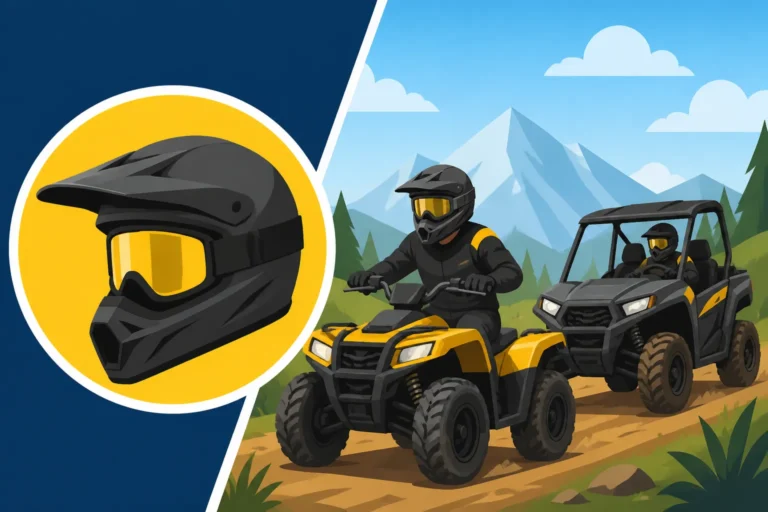
Safety extends far beyond just wearing helmets and eye protection, although [Alberta Helmet Law on Public Land] mandates these and they are unquestionably critical. It also encompasses educating young riders about responsible trail etiquette, such as yielding to other trail users, consistently staying on marked trails, and respecting local wildlife. The supervisor serves as a crucial role model in this regard. If the adult supervisor is seen cutting corners, riding recklessly, or ignoring trail signs, the young rider will quickly internalize and mimic that behavior. Encouraging enrollment in [Alberta Safety Course Options] can significantly bolster a young rider's skills and situational awareness, which can certainly make the supervisor's job somewhat easier, but it can never, under any circumstances, replace the need for direct, active oversight.
Supervising Multiple Young Riders
The complexities of "close supervision" escalate considerably when an adult is responsible for more than one young rider. While a single adult can legally supervise multiple minors, the practical demands require extremely careful consideration. It becomes inherently more challenging to maintain direct visual contact and immediate intervention capability with two or three youngsters spread out across varying terrain. In these situations, the definition of "close" becomes even more critically important.
Consider strategies for dividing your attention and positioning yourself strategically to maintain sight of all riders. Perhaps one young rider leads, the adult supervisor follows directly behind, and the second young rider follows the supervisor, creating a safer "sandwich" formation. Alternatively, if two adults are present, dividing the group can be a far more effective approach, allowing each adult to focus intently on one or two children. Never make the assumption that because two children are riding together, they are somehow effectively supervising each other. Their attention spans are still developing, and their judgment is not yet fully mature, rendering active adult oversight absolutely non-negotiable. [Alberta Riders Under 14 Need Supervision], and that supervision must be active for each child.
Common Scenarios and Misconceptions About Supervision
The intricate details of OHV supervision in Alberta can frequently lead to a host of questions and, unfortunately, some widespread misunderstandings. It's surprisingly easy to fall into traps that, while seemingly benign, could lead to genuinely unsafe situations or legal complications. Let's address some of these head-on to ensure absolute clarity and preparedness.
Family Friends vs. Legal Guardians: Who Can Supervise?
A question that frequently arises is whether a family friend, an aunt or uncle, or even an older cousin (provided they are 18 years of age or older) can serve as the designated adult supervisor for a young rider. The good news here is that Alberta's regulations focus squarely on the age of the supervisor, rather than their specific familial relationship to the minor. As long as the individual is 18 years of age or older and consistently meets the "close supervision" criteria, they are legally permitted to supervise a young rider. So, if your responsible 25-year-old riding buddy from your club is willing, they can certainly supervise your 10-year-old on the trails while you ride with an older child, for example.
However, it's vital to remember that just because someone can legally supervise doesn't automatically mean they should without a thorough understanding and explicit agreement. It is absolutely crucial that any designated supervisor fully comprehends the significant responsibilities they are undertaking. They should be well-informed about the young rider's skill level, the characteristics of the expected terrain, and all established emergency protocols. A brief, clear handover of responsibilities and expectations before setting out ensures that everyone is on precisely the same page. This proactive discussion can effectively prevent misunderstandings or dangerous assumptions, ensuring that the child's safety remains the paramount priority throughout the ride.
Riding in Groups: Who's Responsible?
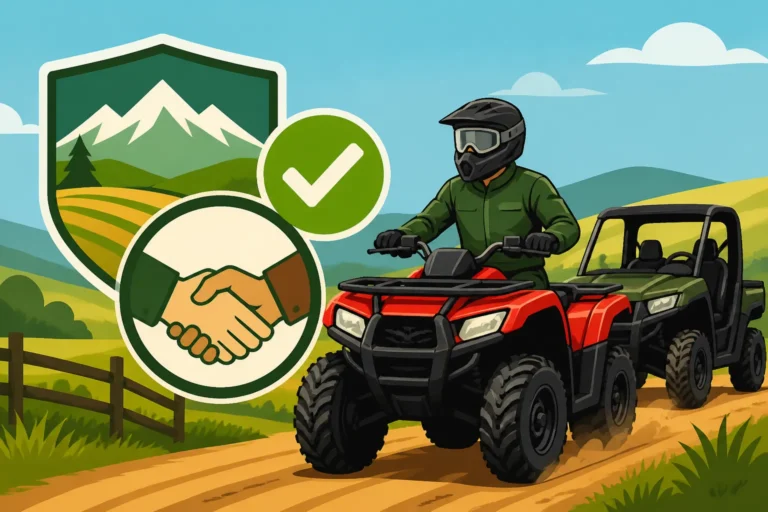
When an entire group of families embarks on a shared riding excursion, it can be all too easy for the lines of responsibility to become blurred. There's a common, yet dangerous, tendency for everyone to assume that "someone" else is diligently watching the children. This is a hazardous trap. While it's certainly beneficial to have multiple adults present in a group, it is absolutely essential to have specifically designated supervisors for each young rider (or for small, manageable groups of young riders). The core principles outlined in [Alberta Rules for a Supervising Adult] do not simply disappear because there are more people around.
Before you even leave the staging area for a group ride, clearly identify and confirm which adult is specifically responsible for which child. A straightforward conversation can prevent significant confusion. For instance, a quick "John, you're watching Sarah today. I'll take Mark and Emily," clarifies roles. This direct assignment helps to avoid perilous situations where multiple adults believe someone else is supervising, inadvertently leading to no one actively watching the children. If you are riding with a larger group and your young rider is part of a mixed-age cohort, ensure their designated adult supervisor consistently remains within sight and earshot, and does not fall back to socialize with other adults while the youth push ahead.
The "Just for a Minute" Mistake
This particular scenario is arguably one of the most common and potentially perilous misconceptions riders harbor. Phrases like, "Oh, they'll just ride to the end of the field and back while I finish loading the gear," or "They're just going around the corner for a quick little loop," are frequently heard. These "just for a minute" situations are precisely where accidents are most likely to occur, and they fundamentally undermine the entire principle of close supervision. The law does not include a time-limit exemption for supervision. If a young rider under 14 is operating an OHV on public land, they require continuous close supervision from the moment the engine starts until it is turned off.
It can be a difficult habit to break, especially if you have a high degree of trust in your child's riding skills. However, even the most experienced young rider can unexpectedly encounter an unforeseen obstacle, another trail user, or a sudden mechanical malfunction. Without immediate adult supervision, what might have been a minor incident can very rapidly escalate into something far more serious. Remember, the regulations are specifically put in place for protection. Adhering to them fully means maintaining that close supervision consistently, no matter how brief the intended ride. While investing in robust accessories, perhaps even child-specific safety harnesses or highly visible flags from a reputable provider like SuperATV, can certainly add an extra layer of peace of mind, these helpful additions can never, and should never, replace the critical presence and oversight of a human supervisor.
To help you keep these crucial points organized, here's a handy reference table:
| Aspect of Supervision | Alberta OHV Regulation | Practical Application |
|---|---|---|
| Minimum Age of Supervisor | 18 years of age or older | Absolutely no exceptions for younger siblings, family friends under 18, or older cousins, regardless of their riding experience or perceived maturity. [Alberta Adult Supervision at 18] is the non-negotiable benchmark. |
| Supervised Rider Age | Under 14 years of age | While riders 14 and older can ride unsupervised on public land, continued guidance and supervision remain highly advisable for less experienced teenagers, especially in challenging environments. |
| Type of Supervision | "Close Supervision" required | The supervisor must be in immediate proximity to the young rider, capable of direct visual observation, effective communication, and instant physical intervention if required. This is an active, engaged role. |
| Location of Riding | Required on all public land (Crown land, designated trails, road allowances, ditches) | Even a seemingly short ride across a field that borders public land, or a brief trip along a road ditch, falls under this regulatory requirement. Understanding [Alberta Rules for Riding a Ditch] is crucial to avoid unintended violations. |
| Potential Consequences | Fines, potential OHV seizure, and civil liabilities | Beyond the legal penalties, the paramount concern is always the safety, health, and well-being of the young rider. The legal system seeks to protect minors from preventable harm. |
| Recommended Gear | CSA-approved helmet, eye protection, appropriate footwear, gloves, long pants/sleeves | Essential safety equipment for all riders, including supervisors. Always ensure your gear meets current safety standards. [Alberta Helmet Fines and How They Are Issued] can be significant, emphasizing the importance of compliance. |
Understanding who legally counts as the adult watching a young rider in Alberta is much more than just knowing an age; it involves adopting a comprehensive and proactive approach to safety and personal responsibility. By strictly adhering to both the letter and the spirit of the law, and by consistently applying practical common sense and foresight, we can collectively ensure that our young riders develop their skills in the safest possible environment. This approach not only fosters a lifelong love for the exhilarating world of OHV riding but also protects them from preventable risks, allowing them to truly flourish on the trails.
Disclaimer
This article is for general informational purposes only and does not constitute professional advice. Laws, prices and regulations vary by location and change over time. Consult a qualified professional for guidance on your specific situation.