Leaving a Site Cleaner Than You Found It
A good Alberta ATV or UTV ride can leave a staging area, trailhead, or campsite looking as if nobody had been there. In practice, mud, food scraps, broken straps, and rushed packing can make that harder than it sounds. This guide explains how to leave a riding site cleaner, protect the land, and make cleanup part of your ride plan—not an afterthought.
Plan for a Low-Impact Ride Before You Leave
Choose your route and stopping places with care
Leaving a site cleaner starts before you unload. Decide where you plan to ride, where you may stop, and how you will carry rubbish back out. A route that looks straightforward on a phone screen may include closed areas, sensitive ground, or access conditions that have changed. Check the rules and maps for the specific area you intend to visit, and stay on trails that are open to your machine.
In places such as McLean Creek or the Ghost Public Land Use Zone, trail conditions and permitted routes can differ across a relatively small area. Don’t assume that an old track, cutline, or tempting shortcut is open just because it appears on a map. Review Checking a Zone Before You Go and Staying on the Trail Tread before setting out. Staying on an appropriate route helps avoid widening muddy sections, damaging vegetation, and creating fresh tracks that other riders may mistake for an approved trail.
A mapping app such as onX Offroad can help you prepare a route and keep track of where you are, especially when mobile service is unreliable. Download the information you need before leaving home, and compare it with current land-use guidance rather than treating any app as permission to ride. If a route is unclear on the ground, stop and check instead of pushing onward and leaving a new trail behind.
Pack for the rubbish you will actually make
A small bag tucked into a storage box is useful, but it should not be your only plan. Think through a full day: snack wrappers, drink containers, wet wipes, food packaging, broken zip ties, and muddy gloves can all accumulate. Bring a sturdy, sealable bag for ordinary rubbish and a separate container for anything sharp, greasy, or likely to leak. Keeping waste contained also helps prevent it from blowing out when you open a machine’s storage compartment.
It’s easy to underestimate how much space cleanup takes. A family group with several machines may produce more packaging than one rider, while a repair on the trail can leave oily rags, a damaged part, or torn packaging that cannot safely go loose in a rack. Assign one person to check the group’s stopping spots, and make sure everyone knows where rubbish goes. The guidance in Packing Out What You Bring is a useful reminder: if you brought it in, plan to carry it out.
Before leaving, check the machine itself. Look under seats, in cargo boxes, around racks, and near the trailer for items that may have slipped free. A wrapper wedged beside a tire or a loose strap in the staging area can be easy to miss when everyone is eager to head home.
Keep Your Stop Clean While You Ride
Make rest breaks tidy and brief
A quick stop for water or lunch can leave a surprisingly wide footprint if people spread out, drop packaging, or ride off in different directions. Choose a durable, already-used stopping place where practical, rather than pulling onto soft ground or pushing into brush. Keep the group and its machines together, and avoid blocking a trail, access point, or another rider’s ability to pass safely.
Set one simple routine: before anyone starts a machine, each person checks their immediate area. Look for food scraps, drink lids, tissues, dropped gloves, and small repair items. This quick sweep is more reliable than asking everyone at the end of the day to remember every place they stopped. It also makes cleanup feel ordinary rather than like a punishment imposed on whoever notices the mess last.
Food waste deserves attention even when it seems harmless. A piece of fruit or a crust of bread can attract wildlife, and scraps may not break down as quickly as people expect in a cool, shaded, or high-elevation location. Pack food waste out with the rest of your rubbish. For broader advice on sharing the trail responsibly, see Alberta Trail Etiquette Locals Expect and Alberta Wildlife on the Trail.
Treat muddy ground and trail edges gently
Alberta’s trail conditions can change quickly. A route that felt firm on the way in may become soft after rain, snowmelt, or repeated traffic. If the trail is deeply muddy, avoid riding around the wet patch to keep your tires clean. That maneuver can turn a narrow trail into a much wider damaged area, with vegetation crushed along both sides. Choose a suitable open route or turn around if conditions make continued travel inappropriate.
The same restraint matters when stopping. Don’t park across plants or use a grassy edge as an informal pullout if doing so will churn the soil. If you must pause, pick a firm place where the machine can remain stable without widening the traveled area. After a storm or during spring melt, conditions may be especially vulnerable; Alberta Riding After Heavy Rain offers a useful point of comparison when deciding whether to proceed.
| Situation | Lower-impact choice | Common cleanup or land issue |
|---|---|---|
| A muddy section blocks the easiest line | Stay on the established route or turn around if needed | Riding around it can widen the trail |
| A group stops for lunch | Use a durable, previously used spot and collect every wrapper | Food scraps and packaging can be left behind |
| A small repair is needed | Keep parts and packaging contained in a bag or box | Zip ties, oily rags, and broken pieces can scatter |
| A campsite has leftover fire debris | Follow local guidance and leave the area safe and tidy | Unattended embers or scattered ash can create hazards |
| A route is unclear | Stop to check current guidance before continuing | Guessing can lead to trespass or new unauthorized tracks |
Handle Camping and Waste Responsibly
Pack out rubbish and manage human waste properly
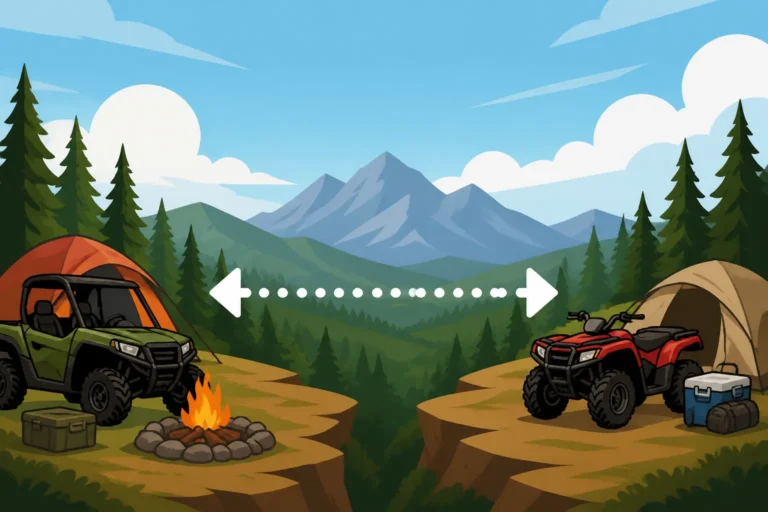
If your ride includes an overnight stop, plan for waste before you arrive. Bring enough bags and containers for the people in your group, including a way to keep food waste separate from clean gear. Store rubbish securely so that it cannot blow away or become accessible to wildlife. Never leave bags beside a fire ring, picnic spot, or trailhead expecting someone else to remove them.
Human waste needs its own plan, too. The right approach depends on the land, facilities, and applicable guidance for the place you are visiting. Use designated facilities when available, and learn the relevant requirements before relying on a backcountry method. Don’t leave toilet paper or hygiene products on the ground, under rocks, or in a fire pit. Human Waste on Public Land can help you think through this part of a trip before you pack.
A useful habit is to do a final walk-through of the whole camp or stopping area. Check the ground around the machines, the spot where food was prepared, and the place where rubbish was stored. Small items can be difficult to see among leaves, gravel, or snow. A headlamp makes this easier if you are packing up at dusk, and a pair of gloves can make collecting unpleasant debris more manageable.
Be cautious with fires and leftover materials
A fire can leave behind more than visible ash. Bits of foil, bottle caps, melted packaging, and partially burned rubbish may remain after the flames go out. Don’t burn garbage as a way to avoid carrying it. Burning can leave residue, create smoke, and make it harder to be sure that all material has been dealt with safely.
Fire rules and restrictions can vary by location and conditions, so check what applies before lighting anything. If you are camping in an area where fires are allowed, use the proper place and follow local instructions. Leave the site with no unburned rubbish, and do not walk away from a fire that is still hot or unattended. For more context, read Firewood Rules at a Random Camp and Alberta Fire Bans and Riding.
Think about fuel, oil, and maintenance materials as well. A leaking container or an oily rag should not be left behind, buried, or placed in a fire. Carry such items in a sealed, appropriate container and dispose of them properly after the trip. If a machine develops a leak, move away from sensitive areas where possible, contain what you can safely contain, and make a plan to address the problem rather than leaving contaminated material on site.
Build a Cleanup Routine That Works for Your Group
Use a simple before-you-leave checklist
Cleanup is easier when it has a clear order. Before loading the trailer, pause long enough to look over the area rather than treating the first glimpse as proof that everything is tidy. Check the places where people stood, ate, repaired equipment, and loaded machines. Then look at the route back to the vehicle or staging area for anything dropped during packing.
A practical routine can be as simple as:
- Collect rubbish, food scraps, and used supplies.
- Check storage boxes, racks, and the ground around each machine.
- Confirm that no tools, straps, or repair parts have been left behind.
- Look over the camp or stopping area for damage, spills, or fire debris.
- Take all waste with you and dispose of it appropriately after leaving.
If you are riding with friends, give people specific jobs. One person can check the lunch area while another checks the parking and loading area. That works better than a vague “everyone look around,” particularly when people are tired, cold, or trying to beat traffic home. For larger groups, agree beforehand that the last machine out does a final visual sweep.
Use maps and local information without relying on assumptions
Digital maps can support good decisions, but they are only one part of preparation. onX Offroad may help you keep a route organized and identify where you are, but it should not replace official land-use information, signs, or instructions on site. Download maps in advance where possible, note key access points, and be prepared to change plans when a route is closed, conditions are poor, or signs show that you should not continue.
The same care applies to campsites and informal stopping places. Don’t assume that a spot is available for overnight use just because another vehicle has been there before. Confirm whether camping is permitted and understand the relevant limits and restrictions. [Alberta Random Camping Rules] is a helpful companion when an ATV or UTV outing includes an overnight stay, while Alberta OHV Camping and Staging Areas can help with thinking through where to begin and end a ride.
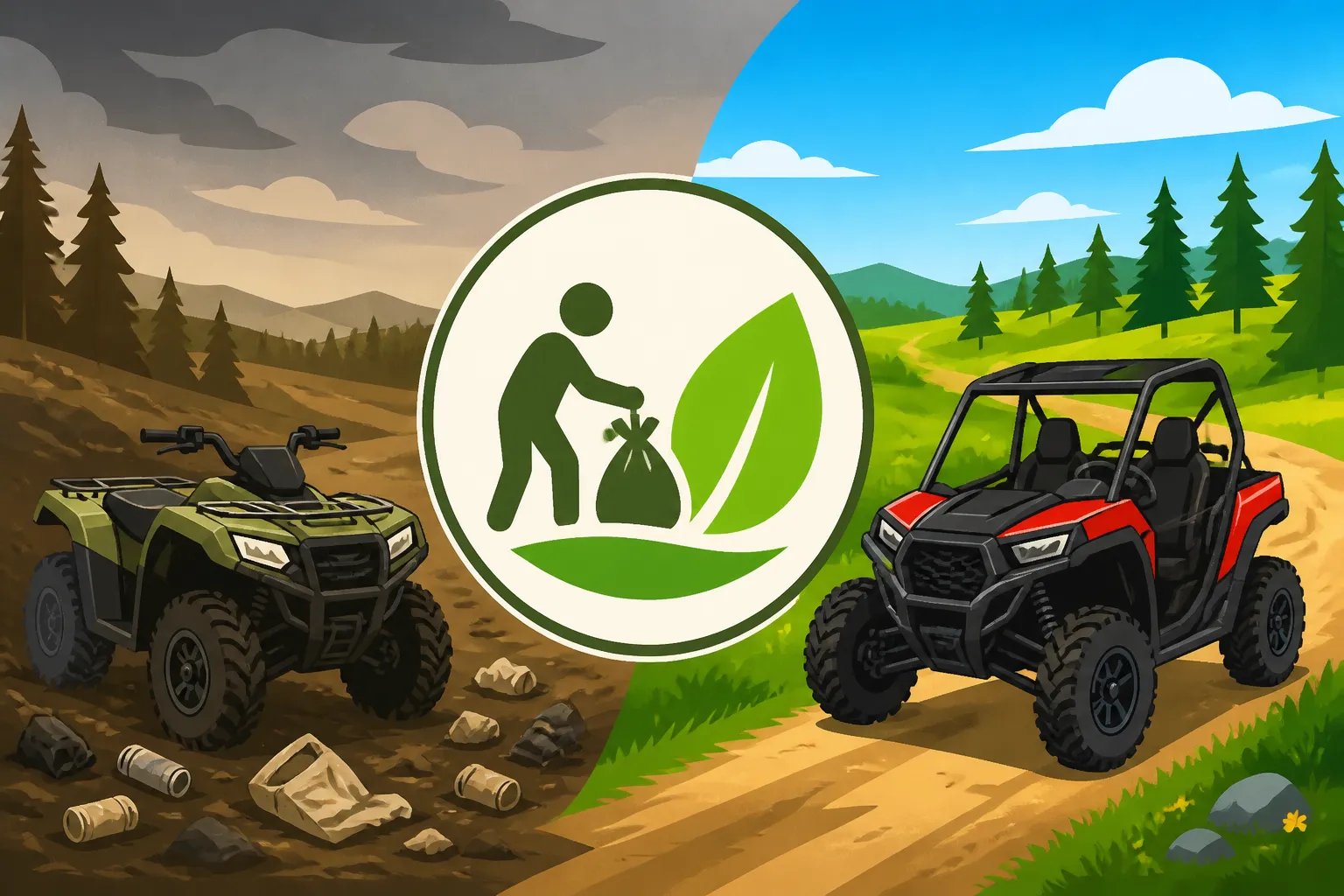
Leaving a place cleaner than you found it is not about making every rider carry an elaborate cleanup kit. It is about noticing what your group brings in, keeping your machines and gear contained, and taking a few minutes to look back before you go. When riders follow that routine at a busy staging area, a forest stop, or a quiet trailhead, the difference is visible to the next group—and to the people who care for the land.
Disclaimer
This article is for general informational purposes only and does not constitute professional advice. Laws, prices and regulations vary by location and change over time. Consult a qualified professional for guidance on your specific situation.