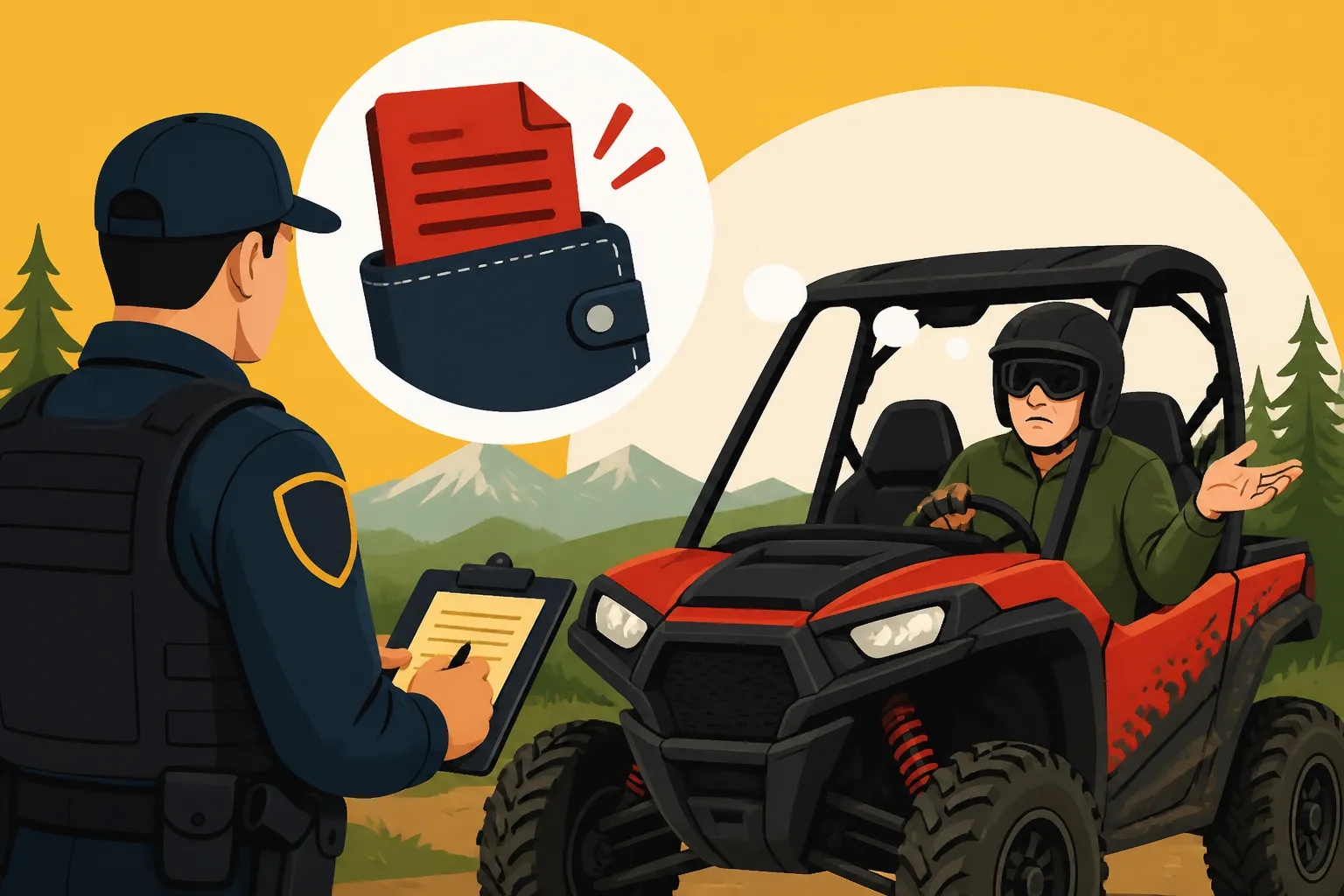
Alberta Ticket Costs for a Riding Violation
Riding your ATV or UTV across Alberta's stunning landscapes is a cherished pastime for many, but encountering an officer and receiving a ticket for a riding violation can quickly turn a fantastic day into a frustrating and costly experience. It's easy to get caught off guard by the sheer number of regulations, and understanding what those violations can actually cost you, beyond just the immediate fine, is crucial. This comprehensive guide aims to break down the financial and practical implications of various off-highway vehicle (OHV) tickets in Alberta, helping you ride responsibly and avoid those unwelcome surprises.
Understanding the Financial Impact of an OHV Ticket
When an officer issues a ticket for an OHV violation in Alberta, it's rarely just a simple fine. There are often multiple layers to the financial penalty, which can accumulate quickly and leave you with a much larger bill than you might initially expect. This isn't just about the number on the ticket itself; it's about the broader implications for your wallet and your riding privileges.
The Base Fine and Victim Surcharge
Every ticket issued for an OHV violation in Alberta typically comes with a set base fine. This is the amount you'll see clearly printed on the ticket. However, what many riders don't immediately realize is that a "victim surcharge" is almost always added on top of this base fine. This surcharge is a mandatory fee collected by the province to support programs and services for victims of crime. It's not a small percentage either; it can significantly increase the total amount due, often by a substantial factor. So, if you're handed a ticket for, say, not having a spark arrestor, don't just budget for the base fine. You need to factor in that extra, often overlooked, charge. This dual financial hit means even seemingly minor infractions can carry a steeper price tag than anticipated.
Imagine you're riding a gorgeous trail in the Ghost PLUZ, enjoying the scenery, only to be stopped for a minor equipment violation. The officer hands you a ticket. You glance at the fine amount and think, "Okay, I can manage that." But then, when you go to pay it, you find an additional charge has been added. That's the victim surcharge in action, quietly increasing your financial burden. It's a reminder that every ticket has these two components.
Potential Court Costs and Administrative Fees
Should you choose to dispute a ticket in court, or if the nature of your violation requires a mandatory court appearance, you'll likely incur additional expenses beyond the initial fine and surcharge. [Alberta Court Costs for an OHV Citation] can include various administrative fees for processing your case, filing documents, and potentially even costs associated with obtaining legal counsel if you decide to go that route. These fees can vary depending on the specifics of the court process and are an important consideration when weighing whether to challenge a ticket. Even if you're confident in your case, the time and money spent on court appearances can be a deterrent.
Furthermore, if you miss a payment deadline or fail to appear in court as required, additional administrative fees, late penalties, or even collection costs can be levied. These can snowball rapidly, turning a manageable ticket into a much more severe financial problem. It’s not just about the upfront cost; it’s about navigating the system correctly to avoid further financial entanglement. The system expects you to be proactive and informed, and failing to meet those expectations can be quite expensive.
Common OHV Violations and Their Associated Costs
Alberta has a clear set of rules for off-highway vehicles, designed to keep riders safe, protect the environment, and ensure everyone can enjoy public lands. While no one wants to get a ticket, understanding the most common violations can help you avoid them and save yourself a considerable sum of money. Each category of violation carries its own set of potential penalties.
Registration and Insurance Infractions
One of the most fundamental requirements for riding an OHV on public land in Alberta is proper registration and insurance. Ignoring these can lead to significant penalties. [Alberta Penalties for Riding Unregistered] can range from substantial fines to, in more severe cases, your machine being seized. The inconvenience and cost of recovering a seized vehicle, including towing and impound fees, can be astronomical, far exceeding the cost of registration itself. It's easy to forget about renewing your registration, especially if your riding is seasonal, but those lapses can be costly.
Similarly, riding without the mandatory third-party liability insurance on public land is a serious offense. [Alberta Insurance Requirements on Public Land] are not just recommendations; they are law. If you're involved in an accident and don't have insurance, the financial repercussions for damages to property or injuries to others could be devastating, potentially leading to civil lawsuits that dwarf any ticket fine. An officer checking your paperwork at a staging area can also issue a ticket on the spot if you cannot produce valid proof of insurance on demand. This could also lead to [Alberta Vehicle Seizure for No Insurance], a situation no rider ever wants to face.
Equipment and Modification Violations
Alberta's OHV regulations include specific requirements for the equipment on your machine, primarily for safety and environmental protection. For instance, modified exhausts are a common source of tickets due to noise pollution. [Why a Modified Muffler Can Cost You a Ticket] isn't just about disturbing wildlife or other recreational users; it's about violating specific decibel limits. While aftermarket parts from companies like SuperATV can enhance performance and looks, it’s critical to ensure any modifications comply with local noise regulations and equip your machine with a functional spark arrestor. Riding with an exhaust that's too loud not only earns you a fine but can also sour the experience for everyone else on the trail.
Other equipment violations, such as not having working head and tail lights when required, or failing to have a proper [Alberta Spark Arrestor Rules], can also lead to fines. Spark arrestors are crucial for preventing wildfires, especially in dry conditions, and officers are vigilant about checking for them. These aren't minor suggestions; they're legal requirements designed to prevent serious incidents. Keeping your machine properly maintained and equipped according to provincial standards is not just good practice, it's essential for avoiding costly tickets. It’s easy to forget the small things, but they add up on a violation sheet.
Age, Supervision, and Passenger Rule Violations
Alberta has clear rules regarding the age of OHV operators and the supervision of younger riders. For example, riders under the age of 14 generally require close supervision by an adult over 18. Allowing a child to ride unsupervised when they are legally required to have an adult present can result in a ticket for the supervising adult. Similarly, there are rules about [Alberta Passenger Rules on an OHV], dictating that a machine designed for one rider should only carry one. Overloading a machine or having too many passengers, especially children, can lead to fines because it increases the risk of accidents and demonstrates a disregard for safety.
The [Alberta Helmet Law on Public Land] is another critical area. Since May 2017, all OHV riders and passengers on public land must wear a CSA-approved helmet. Failing to do so can result in a significant fine, not just for the rider but potentially for any passenger not wearing one. This is a non-negotiable safety standard, and officers are diligent in enforcing it. It’s a simple piece of gear, but the cost of not wearing it goes beyond the fine itself, potentially leading to serious injury.
Improper Riding Location Violations
Perhaps one of the most frequent sources of confusion and tickets for OHV riders is knowing where you can and cannot ride. Riding in unauthorized areas can lead to fines, property damage charges, and even criminal trespass charges in severe cases. Whether it's riding on private land without permission, ignoring closed trails, or venturing into protected ecological zones, these violations carry serious weight. [Alberta Rules for Riding a Ditch] are often misunderstood; while some ditches adjacent to highways are considered public land, specific restrictions and bylaws almost always apply, and riding directly on a paved highway is almost universally prohibited outside of very specific local bylaws or ministerial permission.
Even areas that seem innocuous, like pipeline rights-of-way or active cutlines, can have restrictions. It's the rider's responsibility to know the local bylaws and land use regulations for any area they plan to ride. Using resources like local county maps, Public Land Use Zone (PLUZ) guides, and checking for [Alberta Fire Bans and Riding] restrictions before you head out can save you from a costly ticket for riding where you shouldn't. Ignorance of the rules is never a valid defense, and fines for these types of violations are often substantial, reflecting the potential for environmental damage or conflict with other land users.
How to Avoid OHV Tickets and Save Money
Preventing a ticket is always better than dealing with the aftermath. By being proactive and informed, you can significantly reduce your chances of incurring costly fines and ensure a more enjoyable riding experience in Alberta.
Know Before You Go: Research and Planning
The single most effective way to avoid OHV tickets is to thoroughly research your intended riding area before you even load your machine onto the trailer. This means checking provincial regulations, specific Public Land Use Zone (PLUZ) rules, and any local municipal bylaws that apply. Many counties and towns have their own unique regulations concerning OHV use, especially when it comes to road access or designated trails. Don't assume that what's allowed in one area is permitted in another. [Alberta Bylaw Lookups Before You Ride] can prevent costly mistakes.
Always confirm if you need additional passes, such as the [Alberta Public Lands Camping Pass] if you plan to random camp in the Eastern Slopes. Even if you're just riding for the day, understanding trail designations, seasonal closures, and any special restrictions (like winter weight limits in McLean Creek) is crucial. A bit of planning upfront, perhaps even downloading a georeferenced trail map to your phone, can prevent you from inadvertently straying into a prohibited area and facing a fine.
Maintain Your Machine to Meet Regulations
Regular maintenance isn't just about keeping your OHV running smoothly; it's also about ensuring it meets all legal requirements. This includes making sure all your lights are functional, your brakes are in good working order, and any aftermarket parts, especially those from brands like SuperATV, are compliant with Alberta's regulations. For example, if you've added an exhaust, ensure it meets the provincial noise standards and still incorporates a working spark arrestor. Don't wait for an officer to point out a deficiency.
Regularly check your registration expiry date and make sure your insurance is current. Having a printed copy of your [Alberta Digital Certificates Must Be Printed] and proof of insurance readily accessible on your person (or securely on your machine) is also vital, as officers can request it on demand. A quick pre-ride checklist covering these basic requirements can save you from a fine and the headache of a roadside inspection.
Ride Responsibly and Safely
Beyond the technical requirements, responsible riding habits are key to avoiding tickets. This means adhering to speed limits, especially in designated areas or near other users, respecting trail etiquette, and never operating your machine while impaired. [Alberta Impaired Riding Penalties] are severe, mirroring those for impaired driving of a road vehicle, and can include heavy fines, licence suspension, and even vehicle seizure.
Always wear your helmet, ensure any passengers are appropriately seated and helmeted, and supervise young riders closely. If you're riding with a group, make sure everyone is aware of the rules and encourage safe practices. Remember, an OHV is a powerful piece of equipment, and operating it with care and respect for others and the environment not only enhances your experience but also significantly reduces your risk of encountering enforcement and receiving a costly ticket. Staying on the [Staying on the Trail Tread] is also a crucial part of responsible riding that protects fragile ecosystems.
Enforcement and Consequences Beyond the Fine
While the direct financial cost of a ticket is often the immediate concern, there are other, broader consequences to consider when you receive an OHV violation in Alberta. These can impact your ability to ride, your vehicle, and even your personal record.
Vehicle Seizure and Recovery Costs
For serious violations, such as riding unregistered, uninsured, or impaired, an officer has the authority to seize your OHV. This is not just an inconvenience; it's a major financial hit. When your vehicle is seized, you're on the hook for all towing, storage, and impound fees, which can quickly add up to hundreds or even thousands of dollars. Recovering your machine often requires you to first rectify the violation (e.g., getting proper registration or insurance) and then pay all accumulated fees, in addition to any fines. [Alberta Vehicle Seizure for No Insurance] is a real consequence that impacts riders every year.
This process can be time-consuming and emotionally draining. Imagine having your side-by-side, which you may have invested a lot in, including aftermarket parts from SuperATV, impounded. The immediate fun of riding is over, replaced by a stressful administrative battle and unexpected expenses. It's a stark reminder that some violations carry a penalty far greater than the initial ticket amount.
Potential Licence Suspension and Criminal Charges
While a simple OHV violation might only result in a fine, more serious infractions can have a profound impact on your driving privileges. Operating an OHV while impaired by alcohol or drugs, for instance, can lead to the suspension of your driver's licence, even if you weren't operating a road vehicle at the time. [When Riding a Quad Becomes a Criminal Charge] is a very real possibility, with consequences that extend far beyond a typical traffic ticket. This could impact your ability to drive your car to work, affecting your daily life significantly.
In cases involving severe negligence, reckless endangerment, or repeat offenses, riders could face criminal charges. This is particularly true if an accident results in serious injury or property damage due to a direct violation of safety regulations. A criminal record can have long-lasting effects on employment, travel, and personal freedoms, making the cost of a ticket seem trivial in comparison. These are not minor penalties; they are life-altering consequences that underscore the importance of responsible OHV operation.
Impact on Insurance Premiums
Even if a violation doesn't lead to vehicle seizure or criminal charges, it can still have a ripple effect on your OHV insurance premiums. Just like with car insurance, a history of violations can signal to insurance companies that you are a higher risk. This can result in increased premiums when you renew your policy, making your annual riding costs more expensive. While one minor ticket might not drastically alter your rates, multiple infractions, especially those related to safety or reckless operation, could lead to substantial increases or even difficulty obtaining coverage at all.
This long-term financial consequence is often overlooked but can be one of the most persistent costs of a riding violation. It's a hidden penalty that keeps on giving, making every future ride more expensive. Maintaining a clean riding record is just as important for your wallet in the long run as it is for your immediate enjoyment on the trails.
Here's a quick overview of some common violations and their general consequences:
| Violation Category | Examples of Specific Infractions | Typical Immediate Consequence (General) | Potential Escalated Consequences |
|---|---|---|---|
| Registration & Insurance | Unregistered OHV, No valid insurance | Fine + Surcharge | Vehicle seizure, Impound fees |
| Equipment & Modifications | No spark arrestor, Modified exhaust, No lights | Fine + Surcharge | Environmental penalties, Further inspections |
| Age & Supervision | Underage unsupervised riding, Unapproved passenger | Fine + Surcharge (for adult/operator) | Increased accident risk, Liability issues |
| Riding Location & Rules | Riding on private land, Closed trail, Impaired operation | Fine + Surcharge | Vehicle seizure, Criminal charges, Licence suspension, Property damage charges |
| Safety Gear | No helmet | Fine + Surcharge (per unhelmeted person) | Increased injury risk, Liability in accident |
Disclaimer
This article is for general informational purposes only and does not constitute professional advice. Laws, prices and regulations vary by location and change over time. Consult a qualified professional for guidance on your specific situation.