Alberta Trespass Law for Riders
It's incredibly frustrating when you're just trying to enjoy a day out on your ATV or side-by-side, only to find yourself wondering if you're even allowed to be on that path, road, or open field. Navigating land access in Alberta, especially with an off-highway vehicle, can feel like walking through a minefield of unspoken rules and blurry boundaries. This guide is here to shed some light on Alberta's trespass laws as they apply to OHV riders, helping you understand where you can legally ride, how to get permission when you need it, and what can happen if you accidentally stray onto private property.
Understanding Trespass in Alberta for OHV Riders
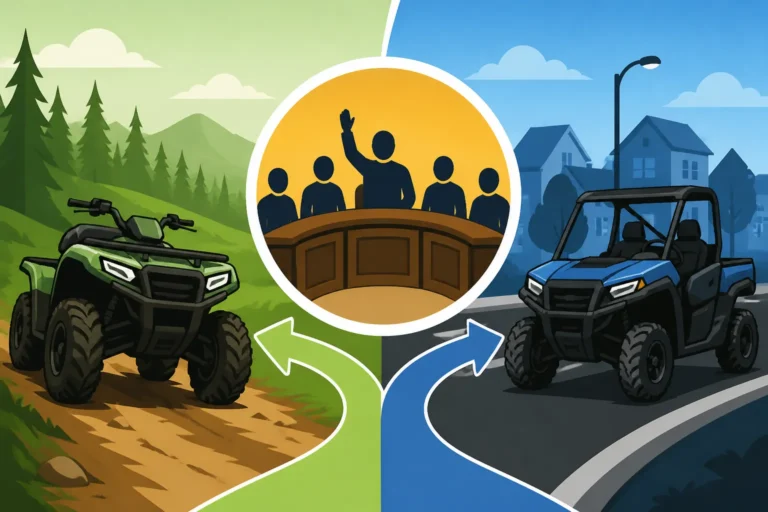
Trespass isn't just about hopping a fence and sneaking into someone's backyard. For us riders, it often involves less obvious boundaries – a forgotten gate, an unmarked trail, or simply misinterpreting the signs (or lack thereof). In Alberta, trespass generally means being on private property without the owner's permission. It sounds straightforward, but when you're out on the trails, the lines between public and private can get incredibly murky.
What Constitutes Private Property?
This is where many riders get into trouble. Private property isn't just someone's home and yard. It includes privately owned fields, forests, lease lands, and even seemingly abandoned plots. If a piece of land has an owner who isn't the Crown (meaning it's not public land), then it's private. This can extend to seemingly public-access roads that actually cross private land, or industrial access routes that are not intended for recreational use. Sometimes, even land that appears undeveloped or neglected is still someone's private property, and riding on it without permission is a trespass. This is why just "assuming" a trail is open can lead to problems. You might think you're on a cutline, but it could actually be part of a private grazing lease or an oil and gas property.
The Legality of "No Trespassing" Signs
Alberta's Petty Trespass Act makes it clear: if land is enclosed by a fence, gate, or clearly posted with "No Trespassing" signs, or signs indicating restricted access, you're not allowed on it without permission. Even if there's no physical barrier or sign, the land is still private, and you're still trespassing if you don't have permission. However, the presence of clear signage or fencing removes any doubt about whether you "knew" you were on private land. Ignoring these signs isn't just rude; it's a direct violation of the law. Think of it this way: if a property owner has gone to the trouble of putting up signs, they're serious about keeping people off, and an OHV, while fun for us, can be perceived as particularly disruptive to land.
Implied Consent and How It Doesn't Apply
Some riders mistakenly believe that if a gate is open, or a path looks well-used, there's "implied consent" to ride there. This is a common misconception and a dangerous assumption when it comes to trespass law. Unless there is a clear, explicit invitation (like a designated OHV park or a posted sign specifically inviting recreational use), you should never assume you have permission. For example, a farmer might leave a gate open for their cattle or farm equipment, not as an invitation for quads to pass through. Similarly, an old access road might look inviting but could lead directly onto someone's private homestead or an active industrial site. Always err on the side of caution; if in doubt, stay out.
Common Scenarios Leading to Trespass for Riders
The complexities of land ownership in Alberta mean that many riders, despite their best intentions, can easily find themselves in a trespass situation. It's often not malicious, but rather a lack of clarity on where exactly property lines lie. Let's look at some of the most common ways OHV riders accidentally trespass.
Riding on Private Farm and Ranch Land
Alberta is an agricultural province, and much of the land outside designated public recreation areas is privately owned by farmers and ranchers. These folks rely on their land for their livelihood, and unauthorized OHV use can cause significant damage to crops, fences, irrigation systems, or disturb livestock. A well-intentioned ride across a field that looks fallow could actually be a seeding area, or a shortcut through a treed area might be a shelterbelt crucial for livestock. [Alberta Rules for Riding Private Land] are very clear on this: you need permission. Even seemingly unused land can be critical for grazing or future planting. It’s not uncommon for landowners to be quite protective of their property, especially when it affects their income or animal welfare.
Unauthorized Access to Industrial or Lease Roads
Alberta's landscape is also crisscrossed with roads and trails related to resource extraction, such as oil and gas, forestry, and mining. These "lease roads" or industrial access routes are typically on private land (leased by the company) or Crown land with restricted access permits. They are not public OHV trails. Companies often invest heavily in maintaining these roads for their operations, and unauthorized recreational use can pose safety hazards for both riders and industrial workers. Furthermore, it can interfere with their operations, leading to delays and potential damage to equipment. You might see a well-maintained gravel road snaking into the bush and assume it's fair game, but it's crucial to understand that these are usually private access routes for specific industry purposes. Many of these areas also have specific hazards, like active equipment or pipelines, that make them unsafe for recreational riding. Some riders install aftermarket accessories like heavy-duty winches or rock sliders from companies like SuperATV, thinking they're ready for any terrain, but even the toughest machine won't protect you from legal issues if you're on unauthorized industrial land.
Navigating Grazing Leases and Open Range Land
Grazing leases are a particular point of confusion for many riders. While technically Crown land, they are leased to ranchers for livestock grazing. This means that while they aren't fully private, they are not open for unrestricted recreational use. Riders must respect the rights of the leaseholder. This often means staying on designated trails, closing gates behind you, and not disturbing livestock. Riding off-trail, through pastures, or leaving gates open can cause serious problems for ranchers, including losing cattle or damaging valuable grazing areas. The rules for [Alberta Grazing Lease Access Rules] are quite specific and require careful attention. Always be mindful of gates you encounter; [Gates on a Lease Road] exist for a reason, usually to contain livestock, and leaving them open is a serious infraction.
Unmarked Boundaries and Ambiguous Trails
Perhaps the most common scenario for accidental trespass is simply not knowing where one property ends and another begins. In many rural areas, property lines aren't clearly marked, and trails can meander across different parcels of land. A trail that starts on public land might unexpectedly veer onto private property without any warning. This is especially true for older trails or cutlines that may have existed long before current property boundaries were clearly surveyed. Without a detailed map or local knowledge, it's easy to get lost or accidentally cross into private land. This is where relying on GPS and up-to-date mapping apps can be invaluable, showing you land ownership boundaries when available.
Preventing Accidental Trespass: Your Riding Checklist
Nobody wants to face fines, machine seizure, or the uncomfortable confrontation that comes with trespassing. Being proactive and prepared is the best way to ensure your rides are legal and enjoyable.
Always Seek Permission
This is the golden rule for riding on any land that isn't clearly designated public OHV trail. If you suspect a piece of land might be private, or if you're unsure, track down the owner and ask for permission. Many landowners are reasonable and might grant access, especially if you demonstrate respect for their property and follow any conditions they set (e.g., sticking to a specific path, avoiding certain times of day, or not disturbing livestock). Always get explicit permission, and if possible, have it in writing, even if it's just a text message. Don't rely on a vague "he said it was probably fine" from a third party. For specific guidance, look into resources on [Permission From an Alberta Landowner].
Utilize Maps and GPS Technology
Modern technology is your best friend in avoiding trespass. Many apps and GPS devices now offer satellite imagery and even property line overlays that can show you exactly where you are in relation to public and private land. Before you head out, do your homework:
- Study local maps: Look for indications of land ownership. Alberta Environment and Parks provides maps for Public Land Use Zones (PLUZs), which are areas explicitly managed for recreational use.
- Use GPS with land ownership layers: Apps like Avenza Maps or dedicated hunting/off-road GPS units often allow you to download maps with land ownership data. This can be a game-changer for staying on the right side of the law.
- Consult county offices: Many counties and municipalities have bylaws and maps indicating where OHVs are permitted. [Alberta Bylaw Lookups Before You Ride] can be a great starting point, especially if you're thinking of riding near a town or within county limits.
Look for Signs and Fencing
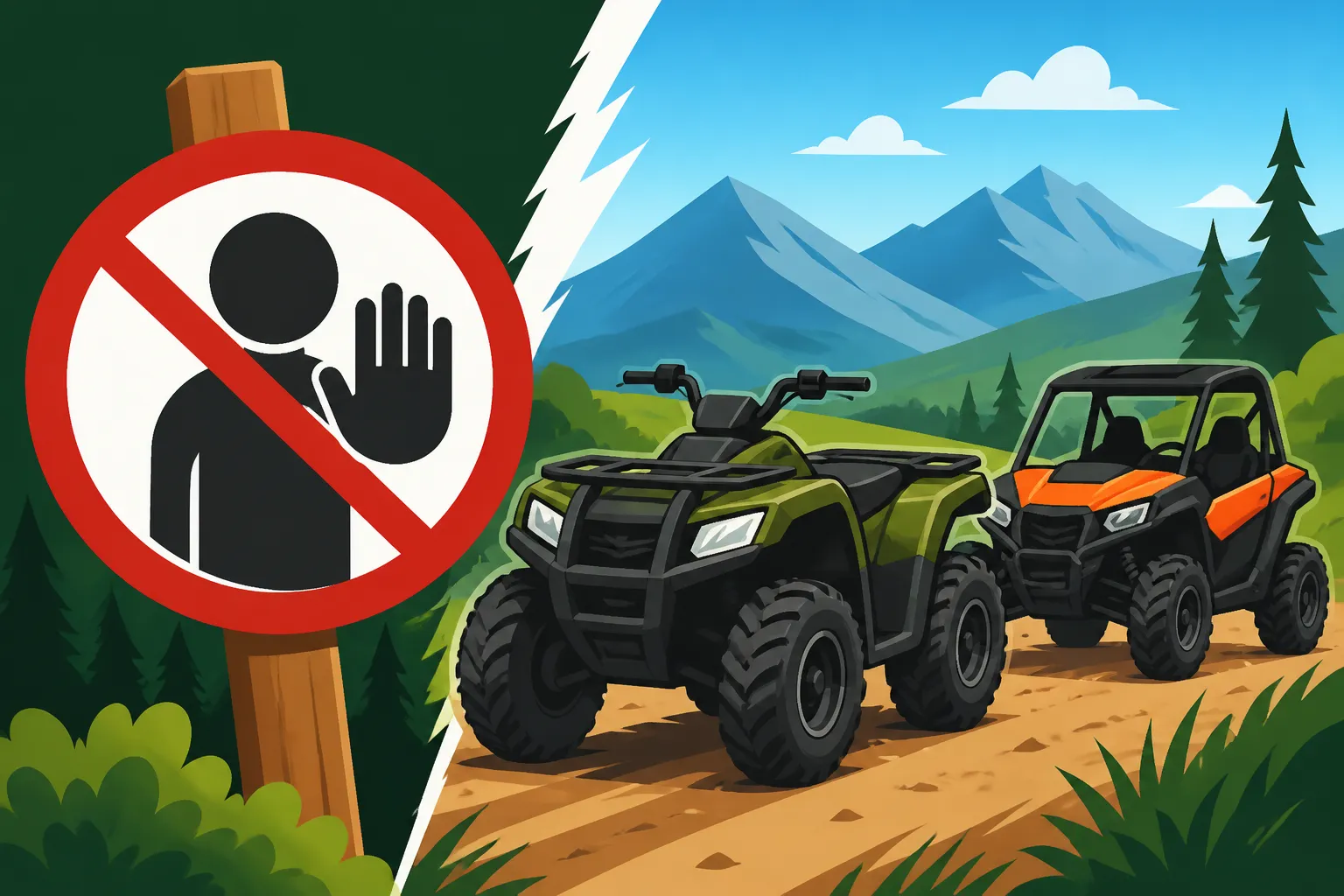
While the absence of signs doesn't mean "open access," the presence of "No Trespassing," "Private Property," or "No Motorized Vehicles" signs is a definitive warning. Always respect these markers. Likewise, treat all fences and gates as clear indicators of private or controlled access land. If you encounter a gate, assume it's meant to be closed, even if it's open. Never damage or tamper with fences or signs. Remember, many properties are also identified as [Trespass and Posted Land], and ignoring these explicit warnings can escalate consequences.
Understand Local Bylaws and Regulations
Different counties, municipalities, and even specific areas within Public Land Use Zones can have varying rules regarding OHV use. For example, some [Alberta Towns That Ban Quads] entirely, while others might have specific routes designated for OHV access. Familiarize yourself with these local regulations before you ride. What's legal in one area might be strictly prohibited just a few kilometres away. If you're planning on riding anywhere near a community or developed area, checking the local bylaws is non-negotiable.
Consequences of Trespassing on an OHV in Alberta
Riding where you shouldn't can lead to a lot more than just an awkward conversation. The consequences of trespassing on an OHV in Alberta can range from fines to the loss of your machine, and in some cases, even criminal charges.
Fines and Penalties
Under Alberta's Petty Trespass Act, if you are found trespassing, you can be issued a ticket. The fines can be substantial, and they often increase for repeat offenders. This isn't just a slap on the wrist; it's a financial penalty designed to deter unauthorized access. Enforcement can come from local law enforcement, Fish and Wildlife officers, or even provincial park rangers, depending on where the trespass occurs. For example, if you're found riding an unregistered machine on land where you're also trespassing, you could face multiple tickets, including [Alberta Penalties for Riding Unregistered]. Equipping your machine with high-performance parts from SuperATV might make it a joy to ride, but it won't prevent you from receiving a hefty fine if you're caught on private property without permission.
Vehicle Seizure and Impoundment
In more serious or repeated cases of trespass, law enforcement has the authority to seize and impound your off-highway vehicle. This means your quad or side-by-side could be towed away, and you'd be responsible for all towing and storage fees, which can quickly add up. Getting your machine back can be a lengthy and expensive process. This is a particularly harsh consequence that can put a serious dent in your wallet and your riding plans. And if you're also caught riding without proper insurance on public land, which is illegal in Alberta, that's another layer of potential trouble, as covered in [Alberta Vehicle Seizure for No Insurance].
Civil Action by Landowners
Beyond government-issued fines, landowners have the right to pursue civil action against trespassers. If your OHV causes any damage to their property – be it crops, fences, gates, or land – they can sue you for the cost of repairs and any associated losses. This can include anything from the cost of new fencing to lost revenue from damaged fields. A civil lawsuit can be far more costly and complicated than a simple ticket, involving legal fees and potentially significant compensation payments. This is why obtaining [Permission From an Alberta Landowner] is so crucial; it protects both you and the property owner.
Loss of Future Access and Reputation
Even if you avoid fines or seizures, being caught trespassing can severely damage your reputation as a responsible rider and make it much harder to gain permission to ride on private land in the future. Landowners often communicate within their communities, and word travels fast about riders who cause problems. This can lead to more "No Trespassing" signs going up in areas that were once informally accessible. It hurts not only you but the entire OHV riding community by fostering a negative perception of our sport. Always ensure you are able to show [What an Alberta Officer Can Ask to See], including your registration and proof of insurance, and make sure you are [Carrying Papers on a Long Alberta Ride] to prove you are riding legally.
Summary of Key Actions to Avoid Trespass
To help you keep your rides fun and legal, here’s a quick rundown of essential practices:
| Action | Description | Why It Matters |
|---|---|---|
| Seek Permission | Always ask landowners before riding on their property. | Prevents legal issues, builds good relationships, ensures safe access. |
| Use Up-to-Date Maps | Employ GPS and maps with property lines or land ownership layers. | Clearly identifies public vs. private land, avoids accidental incursions. |
| Respect All Signage | Obey "No Trespassing," "Private Property," and restricted access signs. | Legally binding warnings; ignoring them escalates consequences. |
| Understand Bylaws | Be aware of local municipal and county regulations for OHV use. | Rules vary; what's allowed in one area may be illegal in another. |
| Stay on Designated Trails | Stick to marked public trails within Public Land Use Zones (PLUZs). | Ensures you are on legal terrain and minimizes environmental impact. |
| Close Gates | Always leave gates as you found them (usually closed) on any land. | Prevents livestock escape, respects private property management. |
| Be a Good Steward | Pack out what you pack in, avoid damaging natural areas or infrastructure. | Promotes a positive image of OHV riders and encourages continued access. |
Riding an OHV in Alberta is an incredible experience, offering access to some of the most beautiful landscapes out there. By understanding and respecting trespass laws, you're not just protecting yourself from fines and legal headaches; you're also contributing to the responsible image of the OHV community. Always ride smart, ride prepared, and always, always respect the land you're riding on. And remember, the definition of a "highway" in Alberta, for the purposes of the Traffic Safety Act, extends far beyond paved roads, sometimes including ditches and alleys, which is important for understanding where OHVs are permitted. You can find more information about this in [What the Traffic Safety Act Calls a Highway].
Disclaimer
This article is for general informational purposes only and does not constitute professional advice. Laws, prices and regulations vary by location and change over time. Consult a qualified professional for guidance on your specific situation.