Alberta Rules for a Supervising Adult
Riding an ATV or UTV with younger family members in Alberta is an incredible experience, offering memories that last a lifetime. However, many parents and guardians feel a little overwhelmed by the specific rules surrounding adult supervision, especially when navigating the various public lands and trails. This guide is here to untangle those rules, explaining exactly what "supervising adult" means in Alberta, what your responsibilities are, and how to ensure every ride is safe and compliant for everyone involved.
Understanding the Basics: Who Needs Supervision in Alberta?
Let's cut right to the chase because this is where a lot of confusion, and potentially trouble, can start. Alberta has clear, non-negotiable rules about who needs an adult watching over them when operating an off-highway vehicle (OHV) on public land. It's not just a suggestion; it's the law, designed to keep everyone safe.
The "Under 14" Rule
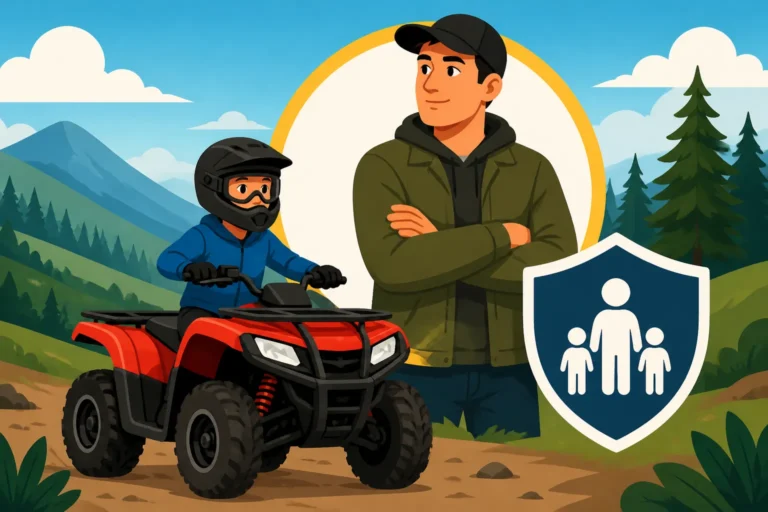
The foundational rule in Alberta is that any rider operating an OHV on public land who is under 14 years of age must be under the direct and close supervision of an adult who is at least 18 years old. This isn't just about general oversight; it's about active, immediate supervision. Imagine a common scenario: you’re at a popular staging area like McLean Creek, and your 12-year-old is itching to hit the trails. While their enthusiasm is great, you cannot simply wave them off with a general instruction to "be careful." The law requires you, as the supervising adult, to be with them every moment they are operating that machine on public land. This rule is in place because young riders, despite their skill, often lack the judgment, experience, and physical strength to react appropriately to unexpected hazards, changing terrain, or other trail users. It's about protecting them from themselves and others, preventing situations that could lead to serious accidents. For more detail on specific age guidelines, check out [Alberta ATV Age Requirements].
What "Close Supervision" Truly Means
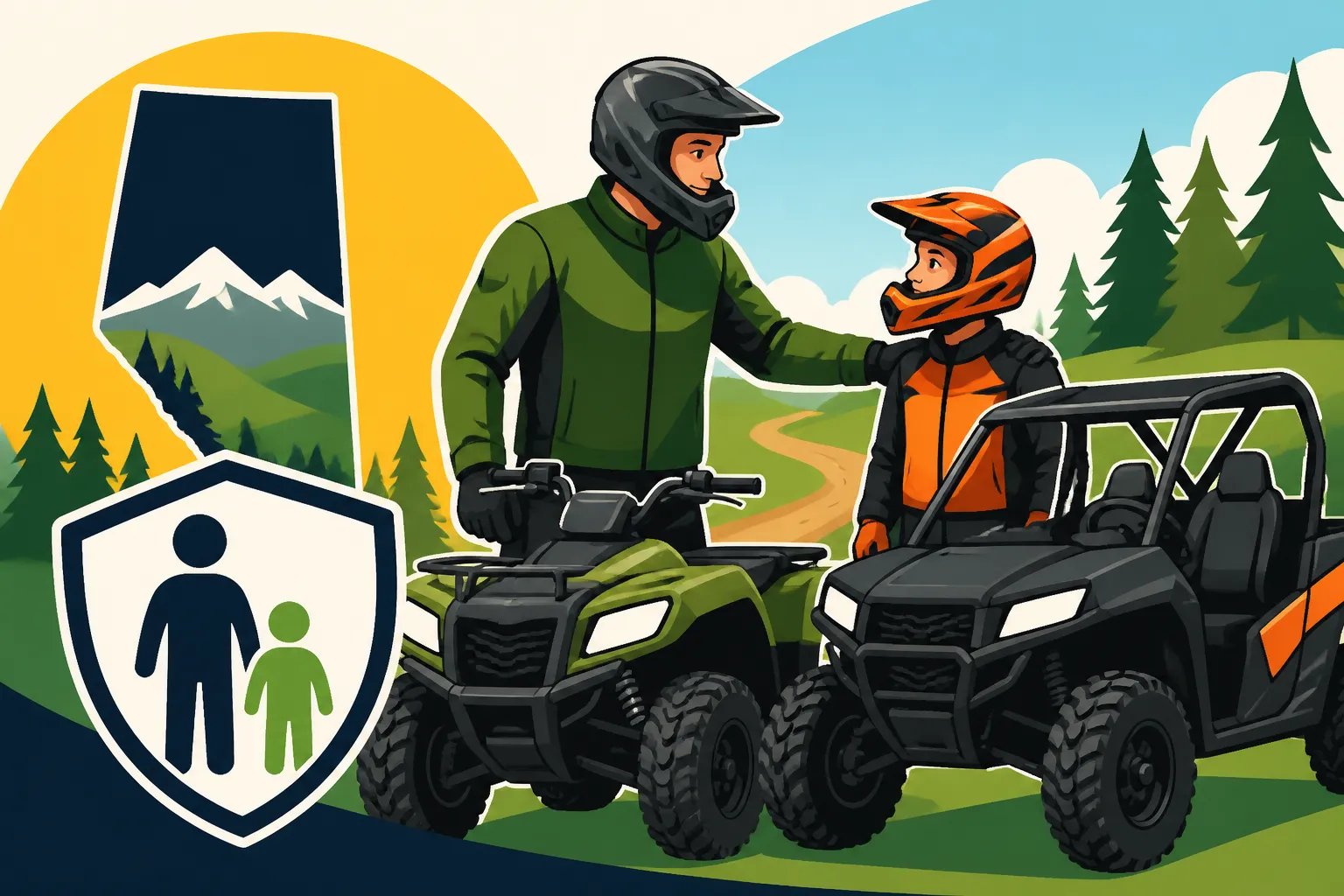
The term "close supervision" isn't left open to vague interpretation by law enforcement. It means the supervising adult must be close enough to intervene immediately if needed. Think about it: if your child is riding ahead of you, out of sight around a bend, or so far away that you can only vaguely make them out, you are not providing "close supervision." This isn't just about being in the same general area; it's about maintaining a constant visual and, ideally, auditory connection with the young rider. Practically speaking, this often means the adult should be riding with the young person, not just watching from a distance at a staging area. If the child gets into trouble, whether it's getting stuck, having a mechanical issue, or encountering another rider unexpectedly, the adult needs to be able to respond within seconds, not minutes. Communication is key, and while shouting might work for a short distance, investing in two-way radios or helmet communicators can be a game-changer for maintaining that crucial "close" connection, especially in varied terrain or noisy environments.
Who Qualifies as a Supervising Adult?
Just being "over 18" isn't the whole picture when it comes to supervising a young OHV rider in Alberta. The law implies a level of responsibility and competence that goes beyond simply meeting the age requirement. When you take on the role of a supervising adult, you're not just a passenger; you're actively responsible for the safety and actions of the youth under your care.
Age and Responsibility
As mentioned, the supervising adult must be at least 18 years of age. This minimum age is tied directly to legal responsibility. An 18-year-old is considered an adult in the eyes of the law, capable of making sound judgments and being held accountable for their actions and, in this case, the actions of those they supervise. This means that if an unsupervised youth under 14 causes an accident or violates a rule, the consequences can potentially fall on the designated supervising adult. It's a significant responsibility that requires maturity and a serious understanding of trail safety, local bylaws, and the capabilities of the OHV being ridden. It's not uncommon for families to have an older sibling or cousin who meets the age requirement, but it's vital to assess their actual maturity and experience before entrusting them with this critical role. After all, the aim is to have a safe and enjoyable outing, not to put anyone at undue risk. This topic is closely related to [Who Counts as the Adult Watching a Young Rider].
Experience and Competency
While the law states "an adult who is at least 18 years of age," there's an unspoken expectation that this adult should also be competent in operating an OHV and knowledgeable about the area they are riding in. Imagine being a brand new rider yourself, perhaps still getting the hang of your own machine, and then being asked to closely supervise a child. That's a recipe for stress and potential danger. A supervising adult should ideally have enough experience to:
- Confidently operate their own machine in various conditions.
- Understand basic trail etiquette and safety protocols.
- Recognize potential hazards and react appropriately.
- Be familiar with the terrain and challenges of the specific riding area.
- Be able to assess the young rider's capabilities and adjust the pace and route accordingly.
An experienced rider can anticipate problems, teach good habits by example, and quickly assist if the younger rider encounters difficulties. It's about having the skills to not only manage your own ride but also to effectively monitor and guide another. If you're looking for ways to boost your own confidence or enhance your children's skills, exploring [Alberta Safety Course Options] can be incredibly beneficial.
Practicalities of Supervising Young Riders on Alberta Trails
Ensuring a safe and compliant ride for young OHV operators in Alberta involves more than just being physically present. It's about preparation, communication, and understanding the nuances of different riding environments.
Equipping for Safety and Communication
The right gear is paramount for all riders, but especially for young ones and their supervisors. This isn't just about comfort; it's about legal compliance and injury prevention. Every rider, regardless of age, on public land in Alberta must wear an approved helmet. For young riders, this is absolutely non-negotiable. Beyond helmets, proper protective gear like goggles, gloves, sturdy boots, and appropriate riding apparel (long sleeves, pants) should be mandatory. Think about how much more vulnerable a child is to scrapes, bumps, and even minor falls. Having the right gear, including options from companies like SuperATV which provides robust protection accessories for various OHVs, can significantly reduce the risk of injury.
Beyond individual safety gear, think about communication. We already touched on "close supervision," and reliable communication devices can truly enhance your ability to maintain that connection. Two-way radios, helmet-integrated communication systems, or even a pre-arranged set of hand signals can be invaluable when riding in groups or in areas where visibility might be limited by dust, hills, or dense foliage. This allows the supervisor to give real-time instructions, warnings, or encouragement without having to stop and shout, keeping the ride smoother and safer. Always remember to check all equipment, including tire pressure and fluid levels, before hitting the trail, ensuring the machines are as ready as the riders.
Navigating Different Land Types
Alberta offers a vast array of riding opportunities, from designated Public Land Use Zones (PLUZs) like McLean Creek to more remote Crown land. The general rule for supervision of riders under 14 applies across all public land. However, understanding the specific characteristics of each area can help you manage your supervision more effectively.
- Designated OHV Trails (e.g., within PLUZs): These areas often have defined trail systems, which can sometimes be marked with difficulty ratings. While these trails are generally maintained, they can still present challenges. Staying on designated trails is crucial, not only for environmental protection but also for safety. The trails are designed to handle OHV traffic, reducing unexpected obstacles. Always refer to a current map for the area you're visiting.
- Crown Land (Random Camping Areas): While often less structured, the same supervision rules apply. Be particularly vigilant in these areas as there might be fewer other riders, but also less oversight, and more varied, unimproved terrain. [Alberta Rules for Riding Crown Land] are important to review.
- Private Land: If you're riding on private land with the owner's permission, the provincial supervision rules technically do not apply in the same way they do on public land. However, it is always, always recommended to maintain close supervision for safety reasons, regardless of the legal requirement. Common sense and a commitment to safety should always be your guiding principles. For more on this, see [Alberta Rules for Riding Private Land].
Always check for local bylaws as well, especially if riding near communities or in specific counties. Some areas may have additional restrictions or guidelines that affect young riders and their supervisors.
Common Mistakes and Misconceptions for Supervising Adults
Even the most well-intentioned adults can sometimes fall into traps of misunderstanding or overlook crucial aspects of supervising young OHV riders in Alberta. Knowing these common pitfalls can help you avoid fines, ensure safety, and make your riding experiences much more enjoyable.
The "Buddy System" Fallacy
One of the biggest misconceptions is that if a group of kids are riding together, and the oldest one is, say, 15 or 16, they can "supervise" the younger ones. This is absolutely not true under Alberta law. The "buddy system" might be a great approach for teaching teamwork and looking out for one another, but it does not replace the legal requirement for an adult, 18 years or older, to provide close supervision for anyone under 14. A 15-year-old, no matter how responsible or skilled, is still a minor in the eyes of the law and cannot fulfill the role of a supervising adult. If you allow your 10-year-old to ride with their 15-year-old cousin out of your sight on public land, and an officer observes this, you as the parent or guardian could face penalties for failing to provide proper supervision. It’s crucial to understand that the responsibility lies squarely with the legal adult.
Ignoring Manufacturer Age Guidance
While Alberta law states a minimum age of 14 for unsupervised riding, manufacturers of ATVs and UTVs often provide their own age recommendations for specific models. For example, a youth quad might be designed for riders 6 and up, while a larger, more powerful machine could be recommended for 16 and up. It's a significant mistake to disregard these manufacturer guidelines, even if your child technically meets the provincial minimum age for some level of riding. Putting a child on a machine that is too heavy, too powerful, or too large for their physical size and skill level significantly increases the risk of accidents.
A smaller, lighter youth machine is often easier for a young rider to control, stop, and maneuver, allowing them to develop fundamental riding skills in a safer environment. When looking at upgrades or accessories, consider how they impact the machine's handling for a younger rider. SuperATV, for example, offers various modifications, but it's essential to always choose enhancements that align with the rider's age and ability, not just general performance. Always consult the machine's manual and seriously consider the [Manufacturer Age Guidance on Youth Machines] to ensure a proper and safe fit.
Penalties for Non-Compliance
Failing to adhere to Alberta's supervision rules for young OHV riders can lead to more than just a stern lecture; it can result in significant legal and financial consequences. If an officer observes a rider under 14 operating an OHV on public land without close supervision from an adult aged 18 or older, both the young rider and the responsible adult could face penalties. These can include fines, which can add up quickly, especially if there are multiple infractions. In more serious cases, particularly if the lack of supervision contributes to an accident or reckless riding, there's a possibility of the machine being seized. The goal of these rules and associated penalties isn't to punish responsible families but to emphasize the serious nature of OHV operation and the importance of ensuring the safety of all participants, especially children. Educating yourself on [Alberta Penalties for Riding Unregistered] and other related infractions is a good preventative measure to understand the full scope of potential consequences.
Understanding these rules and acting as a responsible supervising adult not only keeps you compliant with Alberta law but, most importantly, protects the young riders in your care, fostering a lifelong love for safe and enjoyable off-highway adventures.
Here's a quick reference table for Alberta's OHV supervision rules:
| Aspect | Requirement | Details |
|---|---|---|
| Rider Age Requiring Supervision | Under 14 years of age | Applies to all riders on public land in Alberta. |
| Supervisor Minimum Age | 18 years old | The supervisor must be a legal adult. |
| Type of Supervision | "Direct and Close Supervision" | The adult must be able to intervene immediately, maintaining visual and/or auditory contact. Often means riding together. |
| Applicable Land | All public land (Crown land, PLUZs, designated trails). Recommended for private land even if not legally required. | These rules are province-wide for public access areas. |
| Equipment | All riders (including supervised youth) must wear an approved helmet. Other protective gear is strongly recommended. | See [Alberta Helmet Law on Public Land] for specific requirements. |
| Consequences of Non-Compliance | Fines for both the young rider (if applicable) and the supervising adult. Potential machine seizure in severe cases. | The adult is legally responsible for the actions of the unsupervised youth. |
| Manufacturer Guidance | Always consider manufacturer age and size recommendations for the specific OHV model. | Essential for safety, as a machine too large or powerful for a child can be dangerous, regardless of legal age minimums. Relates to [Manufacturer Age Guidance on Youth Machines]. |
Disclaimer
This article is for general informational purposes only and does not constitute professional advice. Laws, prices and regulations vary by location and change over time. Consult a qualified professional for guidance on your specific situation.