Buying a CSA-Approved Helmet Before an Alberta Ride
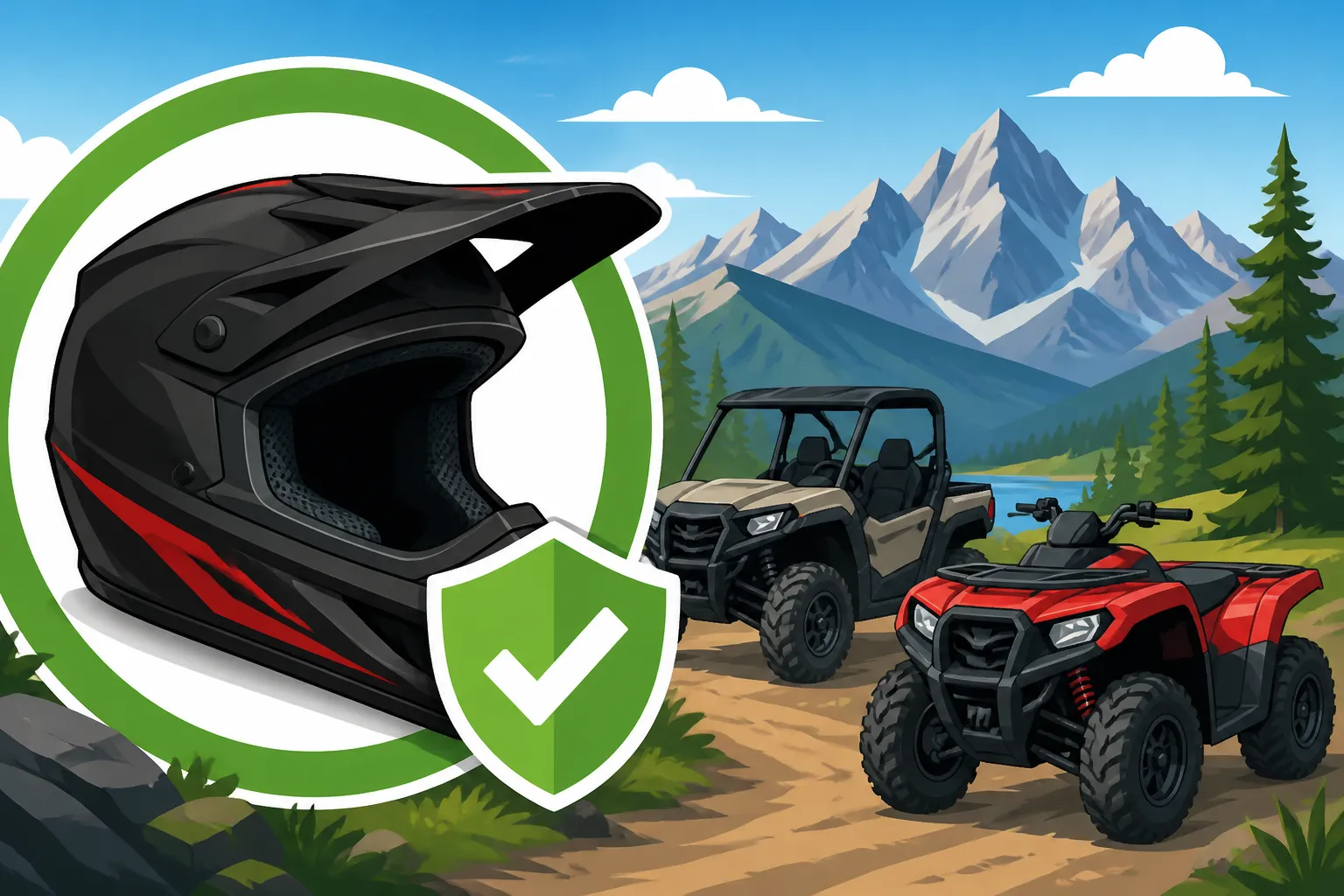
The sun is shining, the trails are calling, and you've got your ATV or side-by-side ready for an epic adventure in Alberta. But before you hit the throttle, there's one crucial piece of gear that can literally save your life: a helmet. Choosing the right helmet isn't just about picking one that looks cool; it's about understanding the safety standards, particularly the CSA approval, that Alberta mandates for riding on public land. This guide will walk you through everything you need to know about why CSA-approved helmets are a non-negotiable part of your riding kit and how to ensure you're geared up safely and legally.
Why Helmet Standards Matter on Alberta's Trails
Riding an off-highway vehicle (OHV) can be an exhilarating experience, but it comes with inherent risks. Accidents can happen to even the most experienced riders, and when they do, your head is one of the most vulnerable parts of your body. That's why helmet standards aren't just bureaucratic red tape; they're essential lifelines designed to protect you in a crash. Ignoring them isn't just breaking the law; it's putting your life, and potentially the lives of your passengers, in serious jeopardy.
The Legal Mandate in Alberta
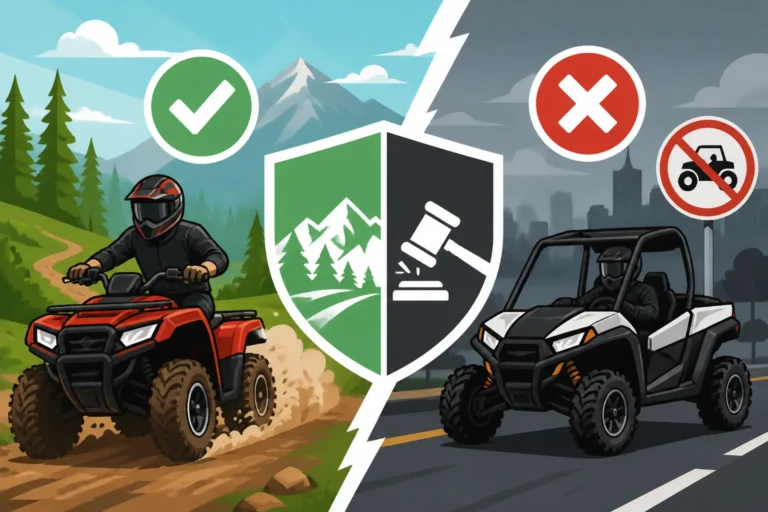
Let's cut right to it: In Alberta, if you're riding an OHV on public land, wearing a helmet isn't optional, it's the law. The province has made it crystal clear that all OHV riders and passengers must wear a helmet that meets specific safety standards. This isn't some ancient rule; [Alberta Helmets Required Since May 2017], making it a relatively recent and significant change to how we ride. The specific legislation, often referred to as [Alberta Helmet Law on Public Land], is in place to ensure a minimum level of protection for everyone enjoying our beautiful natural spaces. It means that whether you're cruising through a Public Land Use Zone (PLUZ) like McLean Creek or just heading down a forestry road, that helmet needs to be on your head and properly fastened. This applies to everyone, from the seasoned veteran to the brand-new rider.
Beyond the Law: The True Value of a Certified Helmet
While legal compliance is a significant motivator, the true value of a certified helmet goes far beyond avoiding a ticket. These helmets are engineered with impact protection as their primary goal. They feature a rigid outer shell designed to distribute impact forces over a wider area, preventing punctures and abrasions. Inside, a thick layer of expanded polystyrene (EPS) foam is meticulously designed to compress and absorb the energy of an impact, protecting your brain from severe trauma. Think of it like a crumple zone for your head.
Certified helmets also undergo rigorous testing for factors like strap retention (ensuring the helmet stays on in a crash), peripheral vision, and overall structural integrity. The materials used are chosen for their durability, light weight, and ability to withstand environmental factors like UV exposure and temperature changes. It’s not just about a pretty design; it’s about scientifically proven protection. Many riders might initially balk at the cost of a good, certified helmet, but when you consider what it's protecting, it's one of the best investments you'll ever make in your riding gear. It means that should the unexpected happen, you're giving yourself the best possible chance of walking away with minimal injury.
The Cost of Non-Compliance
So, what happens if you decide to take a chance and ride without a proper helmet on public land in Alberta? Well, besides the obvious and terrifying risk to your personal safety, you're also looking at financial penalties. Officers routinely conduct checks at staging areas and on popular trails, and they are serious about enforcement. You can be fined for not wearing a helmet, or for wearing one that doesn't meet the required standards. These aren't just minor slaps on the wrist either; [Alberta Helmet Fines and How They Are Issued] can be substantial, often running into the hundreds of dollars. That money could have easily gone towards a high-quality, certified helmet that would have kept you safe and legal.
Beyond the initial fine, there's the broader issue of insurance. While [Alberta Requires Insurance on Public Land] for your machine, riding in violation of safety laws could potentially impact how an insurance claim is handled should you be involved in an accident. And, of course, there’s the immense emotional and financial cost of a serious head injury, which no amount of money or legal loophole can ever fix. It's simply not worth the risk.
Understanding CSA Approval for OHV Helmets
Navigating helmet standards can sometimes feel like trying to read a foreign language, but for Alberta OHV riders, understanding CSA approval is key. It's the primary benchmark the province uses, alongside other internationally recognized standards, to ensure your head protection is up to snuff.
What Does "CSA Approved" Really Mean?
The Canadian Standards Association (CSA) is a globally recognized standards organization. When a helmet is "CSA approved," it means it has undergone a specific series of tests to ensure it meets the safety criteria outlined in the CSA standard CAN3-D230-M85 for recreational vehicle helmets. This standard rigorously assesses how well a helmet protects against impact, penetration, and chin strap retention. It's a comprehensive evaluation that simulates real-world accident scenarios to guarantee the helmet performs as expected when you need it most.
When you see a helmet with [A CSA CAN3-D230-M85 Label], you can rest assured that it has been independently verified to offer a high level of protection. This label isn't just a sticker; it's a testament to the helmet's design and construction quality, indicating it can withstand significant forces and still protect your head. It’s a vital piece of information that gives you confidence in your gear.
How to Spot a CSA-Approved Helmet
Finding the CSA approval on a helmet is usually straightforward. Look for a permanent label, often sewn into the lining or printed directly onto the EPS foam inside the helmet. This label will clearly state "CSA CAN3-D230-M85" or similar wording, indicating compliance with the specific [Alberta CSA Helmet Standards]. Don't settle for a generic "safety approved" or "meets standards" claim without the specific CSA designation. If you can't find it, or if it looks tampered with, it's best to err on the side of caution and look for another helmet.
Many reputable helmet manufacturers understand the importance of clear labeling and make it easy to identify their certified products. When shopping online or in a store, always double-check the product description and look for images of the internal labels. If in doubt, ask a sales associate or contact the manufacturer directly for clarification. Remember, an officer checking your helmet on the trail will be looking for this specific marking, so knowing where it is (and that it's present) is important.
Other Accepted Standards
While CSA approval is the primary standard cited in Alberta, the province generally recognizes other internationally accepted safety standards as well, as long as they offer comparable levels of protection. These often include:
- DOT (Department of Transportation): This is a widely recognized standard in the United States. Helmets meeting DOT FMVSS 218 are common and usually have a "DOT" sticker on the back.
- ECE (Economic Commission for Europe): The ECE 22.05 or 22.06 standard is prevalent in Europe and many other parts of the world. It's often considered a higher standard than DOT by some experts. Many riders prefer helmets with [Snell and ECE Alternatives] because they undergo even more stringent testing protocols.
- Snell (Snell Memorial Foundation): This is a non-profit organization that conducts some of the most rigorous helmet testing in the world. Snell-certified helmets are highly regarded for their superior protection.
The key takeaway is that your helmet must meet at least one of these recognized safety standards. If you're unsure whether a non-CSA helmet meets Alberta's requirements, it's always best to consult with a registry agent or check the official provincial guidelines. While many of these standards offer excellent protection, having that visible certification is what keeps you legally compliant on Alberta's public lands. Also remember that the helmet rules apply to passengers as well, so if you're riding a side-by-side with friends or family, everyone needs to be protected. [Who Pays When a Passenger Rides Without a Helmet] can also be a point of confusion; ultimately, the operator is responsible.
Making the Right Choice: Beyond Certification
Finding a helmet that meets Alberta's legal requirements is the first step, but it's not the only one. For maximum comfort, safety, and enjoyment on the trails, you need to choose a helmet that fits you properly and is suited to your riding style. A certified helmet that doesn't fit correctly is a hazard in itself.
Fit is Everything
You can buy the most expensive, most certified helmet on the market, but if it doesn't fit properly, it's not doing its job. A helmet that's too loose can shift during an impact, exposing vulnerable areas or even coming off. One that's too tight can be incredibly uncomfortable, leading to distractions and headaches on long rides. Here’s what to look for:
- Snugness: The helmet should feel snug all around your head, with even pressure. It shouldn't have any significant pressure points.
- Movement: With the chin strap fastened, try to move the helmet from side to side and front to back. Your scalp should move with the helmet, not against it. There should be no excessive play.
- Visibility: Ensure the eyeport provides good peripheral vision, especially important for dynamic off-road riding where you need to see obstacles and other riders.
- Chin Strap: The chin strap should be securely fastened so that only two fingers can fit snugly under it. It should not be loose enough to slip over your chin.
It's strongly recommended to try on several sizes and brands to find the perfect fit. Helmet sizing can vary slightly between manufacturers, so don't assume your size in one brand will be the same in another. Take your time, shake your head around, and make sure it feels secure and comfortable. Remember, for younger riders, ensuring a proper fit is even more critical. [Alberta Rules for a 12-Year-Old Rider] include helmet requirements, and ill-fitting gear can be particularly dangerous for children whose bodies are still developing.
Type of Riding and Helmet Style
The kind of riding you do will influence the best helmet style for you.
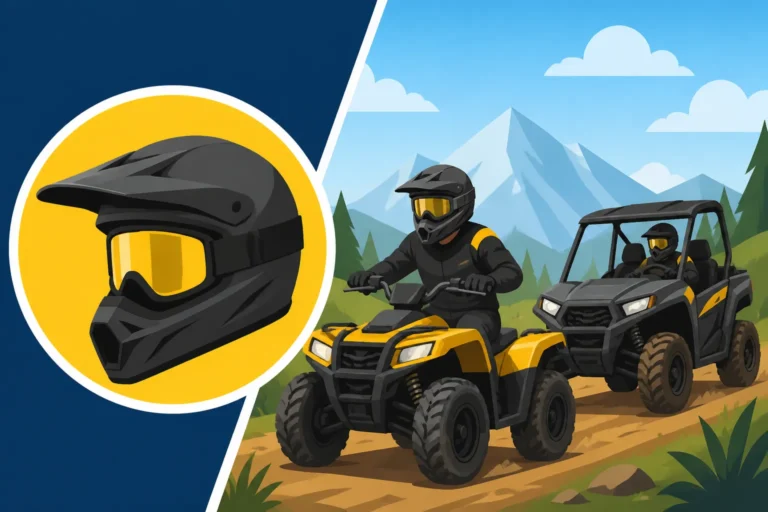
- Off-Road/Dirt Bike Helmets: These are typically lightweight, feature a prominent chin bar for face protection, and have a peak (visor) to shield from roost and sun. They usually require goggles, which provide excellent visibility and protect against dust and debris. This style is popular for aggressive ATV and dirt bike riding. Many riders find these ideal for the varied terrain in Alberta's PLUZs.
- Full-Face Street Helmets: While designed for motorcycles, some riders use these for OHVs, especially if they value the integrated visor and maximum coverage. They offer good wind and debris protection but can be hotter off-road due to less ventilation.
- Modular/Flip-Up Helmets: These offer the convenience of an open-face helmet with the protection of a full-face. The chin bar can flip up. However, their complex mechanisms can add weight, and they might not offer the same level of impact protection as a dedicated full-face or off-road helmet. They might be a bit too heavy or lack the ventilation for strenuous OHV riding.
- Open-Face/3/4 Helmets: These offer protection for the top, back, and sides of the head but leave the face exposed. They require goggles for eye protection and are generally less protective in a face-first impact. They are not recommended for most aggressive OHV riding.
For most ATV and UTV (side-by-side) riders, an off-road style helmet offers the best balance of protection, ventilation, and compatibility with goggles. If you’re riding a side-by-side, you might wonder, [Do You Need a Helmet in a Side-by-Side?] The answer is yes, if you're on public land, unless your side-by-side is equipped with certified rollover protection and seatbelts, and you're wearing those seatbelts. Even then, many riders opt for a helmet for added safety. Brands like SuperATV offer a range of accessories like windshields and roofs for side-by-sides, which can sometimes influence helmet choice, but the core safety requirement remains.
Features to Look For
Beyond fit and style, several features can enhance your riding experience and safety:
- Ventilation: Off-road riding is physical, and good airflow keeps you cool and prevents fogging. Look for helmets with multiple vents that can be opened and closed.
- Visor/Peak: For off-road helmets, the peak helps block sun glare and deflect roost from other riders. Ensure it's adjustable.
- Removable Lining: A washable, removable liner is a huge plus for hygiene, especially after dusty, sweaty rides.
- Weight: Lighter helmets reduce neck fatigue on long rides. However, don't sacrifice protection for a minimal weight difference.
- Material: Helmets come in various shell materials, including polycarbonate, fiberglass composite, and carbon fiber. Carbon fiber is generally the lightest and strongest but also the most expensive.
- Goggle Compatibility: If you're choosing an off-road helmet, make sure it has a large enough eyeport to comfortably accommodate your preferred goggles. Many accessories, like those from SuperATV, are designed to integrate seamlessly with various helmets and machine setups, including goggle holders.
Where to Buy
You have a couple of main options for purchasing your helmet:
- Local Powersports Dealers: This is often the best choice for first-time buyers. You can try on various helmets, get expert advice from staff, and ensure a proper fit. They also typically carry a range of certified options.
- Online Retailers: Online stores offer a wider selection and often competitive prices. However, buying a helmet online without trying it on first is risky. If you know your size in a specific brand and model, it can be a good option for a second helmet or replacement. Always check the return policy if you're ordering online, as fit issues are common. When researching online, you might come across performance parts or accessories from brands like SuperATV, but for helmets, it's crucial to confirm certifications and fit.
No matter where you buy, prioritize safety and fit above all else. This isn't the item to try and save a few bucks on; your brain is worth the investment.
Caring for Your Helmet and When to Replace It
Once you've invested in a CSA-approved helmet that fits perfectly, your responsibility doesn't end there. Proper care and knowing when to replace your helmet are crucial for ensuring it continues to offer maximum protection throughout its lifespan.
Cleaning and Maintenance
Your helmet takes a beating from dust, sweat, mud, and the elements. Regular cleaning not only keeps it looking good but also prevents material degradation and unpleasant odors.
- Exterior Shell: Use a mild soap (like dish soap) and warm water with a soft cloth to clean the exterior. Avoid harsh chemicals, abrasive cleaners, or petroleum-based products, as these can degrade the shell materials, finishes, or even penetrate to the EPS liner.
- Interior Liner: If your helmet has a removable liner, take it out and hand wash it with mild soap and water, then air dry completely. For non-removable liners, use a helmet-specific cleaner or a very diluted baby shampoo solution and a damp cloth, gently dabbing rather than rubbing. Allow it to air dry thoroughly before wearing again.
- Visors/Goggles: Use a dedicated helmet visor cleaner or just warm water and a microfiber cloth. Avoid wiping a dry visor, especially one covered in dust or mud, as this can scratch it. Let any mud dry, then gently flake it off or rinse it before wiping.
- Chin Strap: Clean the chin strap with soap and water, paying attention to the buckle mechanism to ensure it's free of dirt or grit.
Always store your helmet in a cool, dry place, away from direct sunlight and extreme temperatures, which can degrade materials over time. Using a helmet bag or placing it on a helmet stand can help protect it from accidental drops or scratches.
Impact and Wear: When a Helmet Needs Replacing
This is perhaps the most critical aspect of helmet maintenance. A helmet is a single-impact device. If your helmet has been involved in any kind of impact—even a seemingly minor drop onto a hard surface from a short height, or a low-speed tip-over—it must be replaced. The EPS foam liner, which is designed to crush and absorb energy, can be compromised even if there's no visible damage to the exterior. Once the foam has compressed, it loses its ability to absorb energy effectively in a subsequent impact. Many helmets, especially those for serious off-road riding, are built robustly, and you might think they can take a hit, but the internal structure is delicate.
Beyond impacts, helmets have a natural lifespan due to material degradation from UV exposure, sweat, and general wear and tear. Most manufacturers recommend replacing a helmet every five to seven years from its manufacture date, or sooner if it shows signs of significant wear, such as:
- Cracked or peeling exterior shell.
- Loose, frayed, or damaged chin strap.
- Loose or degraded internal padding.
- A "loose" feeling when worn, even with the strap fastened.
Always inspect your helmet before each ride as part of your overall [Alberta Equipment Required on Public Land] checklist.
Storage Best Practices
How you store your helmet plays a big role in its longevity and effectiveness. Don't just toss it in the back of your truck or hang it on your handlebars.
- On a Shelf or Hook: Store your helmet on a sturdy shelf or use a dedicated helmet hook that supports the shell evenly. Avoid hanging it by the chin strap, which can cause stretching or damage.
- Helmet Bag: Many helmets come with a soft helmet bag. Use it! This protects the finish from scratches and keeps dust out when not in use.
- Away from Chemicals: Keep your helmet away from gasoline, solvents, cleaning products, or any other chemicals. Their fumes can degrade the helmet's materials, particularly the EPS liner, compromising its protective capabilities.
- Out of Direct Sunlight: Prolonged exposure to UV rays can weaken the helmet's shell and degrade the finish.
- Temperature Control: Avoid storing your helmet in extremely hot or cold environments, such as a hot garage in summer or an unheated shed in winter. Consistent moderate temperatures are best.
By following these care and replacement guidelines, you'll ensure your CSA-approved helmet remains a reliable piece of safety gear, protecting your head ride after ride on Alberta's incredible trails.
Disclaimer
This article is for general informational purposes only and does not constitute professional advice. Laws, prices and regulations vary by location and change over time. Consult a qualified professional for guidance on your specific situation.