Alberta First Nations and Métis Settlement Exemption
Trying to make sense of Alberta's Off-Highway Vehicle (OHV) regulations can feel like navigating a maze, especially when you factor in the unique legal landscapes of First Nations Reserves and Métis Settlements. Riders often wonder if the provincial rules for registration, insurance, and helmets even apply when they're on these specific lands. This comprehensive guide is here to clarify those exemptions, help you understand when and where different rules apply, and ensure you're riding legally and safely, no matter your location.
Understanding OHV Regulations in Alberta: The Baseline
Before we dive into exemptions, it’s really helpful to get a solid grasp on what the standard rules are for riding off-highway vehicles in Alberta. For most riders heading out to public lands like provincial parks, Public Land Use Zones (PLUZs), or even just crossing a highway ditch, there's a clear set of guidelines laid out by the province. Ignoring these can lead to fines, inconvenience, or worse.
The General Rules for Alberta OHV Riders
For the vast majority of Alberta OHV enthusiasts, the moment your wheels touch designated public land, certain regulations kick in. This means that your quad, side-by-side, or dirt bike needs to be properly registered with the province. It's not just a suggestion; it’s a legal requirement designed to help track ownership, ensure accountability, and fund various programs that benefit riders. Think of it as your machine's official ID card.
Beyond registration, there are rules about how your machine needs to be equipped. Things like a working exhaust with a spark arrestor and functional headlights and taillights aren't just for show; they're about safety and preventing hazards like wildfires. Understanding these baseline requirements is the foundation before you consider any special circumstances or exemptions. These provincial rules are designed for the common good, aimed at safety and environmental protection across the province's vast network of trails and public access points.
It’s easy to feel overwhelmed by the sheer volume of information, but taking the time to learn these basics saves a lot of headaches later. Whether you’re a seasoned rider or just starting, a quick refresher on [What the Traffic Safety Act Requires of Alberta OHVs] is always a good idea, ensuring you're up to date with the legal framework that governs most OHV use. This general understanding also helps you appreciate why certain exemptions exist, often tied to unique jurisdictional arrangements or land use patterns that differ from typical Crown land.
Why Registration and Helmets are Standard Practice
The requirement for OHV registration on public land serves multiple purposes, from deterring theft to ensuring that machines can be identified in case of an accident. When you register your machine, you're not just getting a plate; you're also contributing to a system that helps maintain safety and order on public trails. It's a fundamental step that connects you and your machine to the broader network of Alberta riders.
Helmets are another non-negotiable for most riders on public land, and for very good reason. While you might feel confident in your riding skills, accidents can happen quickly and unexpectedly. A properly fitted, CSA-approved helmet can literally be a lifesaver, providing crucial protection against head injuries. Alberta's helmet law isn't about hindering your fun; it's about safeguarding your well-being. This is a common-sense safety measure that has drastically reduced serious injuries over the years.
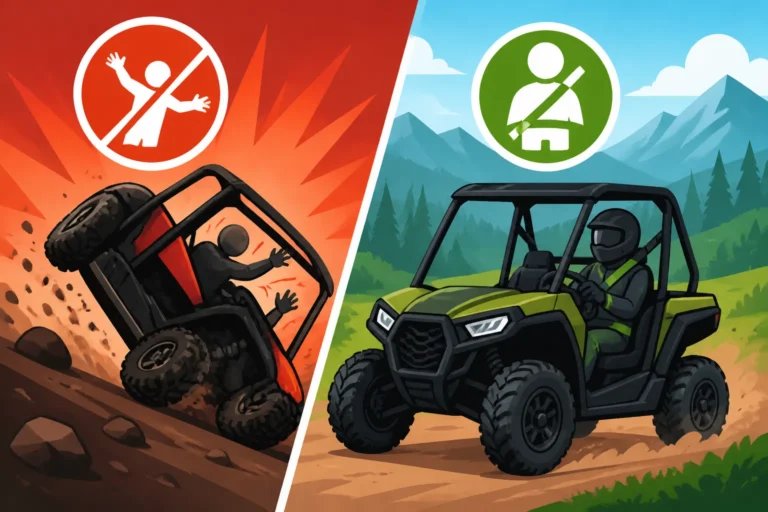
Even if you're riding a machine with a roll cage and seatbelts, like many modern side-by-sides, the helmet rule still applies in most public land scenarios. The provincial government has clear guidelines on what constitutes a legal helmet and where it must be worn. It's a universal expectation for good reason, underlining the inherent risks of off-highway riding. For a detailed breakdown of these vital safety measures, checking out [Alberta Helmet Law on Public Land] can provide important context and specifics.
The Role of Insurance on Public Lands
Beyond registration and helmets, carrying appropriate insurance is another cornerstone of responsible OHV operation in Alberta, especially when you're on public land. Many riders mistakenly believe that their home or auto insurance covers their OHV, but that's rarely the case. Dedicated OHV insurance protects you financially in case of an accident, property damage, or injury to others. Without it, you could be on the hook for significant costs.
Imagine a scenario: you're enjoying a ride in a Public Land Use Zone, and through no fault of your own, another rider collides with your machine. If you don't have insurance, dealing with repairs or medical bills can become an immense burden. More importantly, if you are at fault and cause damage or injury, your financial liability could be substantial. Having that insurance coverage isn't just a legal necessity on public land; it's a huge stress-reducer, giving you peace of mind.
The consequences of riding uninsured on public land in Alberta can be severe, including significant fines and even the seizure of your vehicle. The province takes this requirement seriously because it protects all users of public lands from undue financial hardship. It's crucial to consult with an insurance provider who specializes in OHVs to ensure you have the right coverage for your specific machine and riding habits. For a deeper understanding of these requirements, exploring [Alberta Requires Insurance on Public Land] can provide critical details.
Exemptions on First Nations Reserves: What You Need to Know
Now, let's talk about where things get a little different. First Nations Reserves in Alberta operate under a unique legal framework. While they are geographically within Alberta, the jurisdiction over activities on these lands often falls under federal legislation and individual First Nation bylaws, rather than exclusively provincial laws. This distinction is key when considering OHV regulations.
The Jurisdictional Basis for Reserve Exemptions
The foundation for OHV exemptions on First Nations Reserves lies in the constitutional division of powers in Canada. Section 91(24) of the Constitution Act, 1867, grants the federal government exclusive legislative authority over "Indians, and Lands reserved for the Indians." This means that provincial laws, including those governing OHVs, may not automatically apply on reserve lands. Instead, the First Nation band council can enact its own bylaws, which would then govern activities within its territory.
This jurisdictional nuance is why you won't always find provincial registration or helmet requirements strictly enforced for OHV use solely within reserve boundaries. A First Nation might choose to adopt provincial standards through its own bylaws, or it might implement a completely different set of rules tailored to its community's needs and traditions. It's a recognition of self-governance and the distinct legal status of these lands. However, this doesn't mean there are no rules; it simply means the authority for those rules might come from a different source.
For riders, this implies a responsibility to understand the specific bylaws of the First Nation whose reserve lands they plan to ride on. What's permissible on one reserve might not be on another. It's not about a free-for-all, but about respecting the autonomy and laws of the specific First Nation community. The exemption essentially means that provincial enforcement officers typically do not have jurisdiction to enforce provincial OHV laws on reserve lands unless there's a specific agreement or federal law that grants them that authority.
Defining "On-Reserve" for OHV Use
Understanding what "on-reserve" actually means is crucial for riders seeking to operate under these exemptions. Generally, it refers to land that has been set aside by the federal government for the use and benefit of a First Nation, as defined by the Indian Act. This includes residential areas, traditional lands, and any other territory legally designated as reserve land for that particular First Nation. When you are physically on these specific lands, the provincial OHV regulations typically do not apply.
However, "on-reserve" isn't always a simple, clearly marked boundary. Some reserves are geographically extensive, while others might be smaller or even intermingled with non-reserve lands. It's not about the cultural identity of the rider, but about the legal status of the land itself. A non-Indigenous person riding an OHV on a First Nation reserve would still typically fall under the reserve's bylaws, not provincial laws, as long as they remain within those specific boundaries.
The key takeaway is that the exemption only applies to the physical location of your riding. The moment your wheels leave the designated reserve land and cross into what is considered provincial public land, municipal land, or privately owned land not part of the reserve, you immediately become subject to Alberta's provincial OHV laws. This transition can be seamless in some areas, making it easy to accidentally move from one jurisdiction to another without realizing it.
When Reserve Riders Venture onto Provincial Land
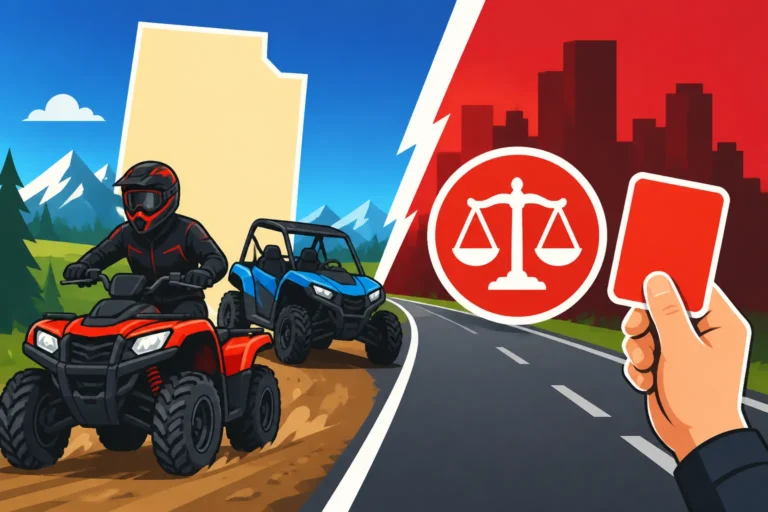
The most important distinction for riders from First Nations communities, or anyone riding on reserve land, is what happens when you decide to take your machine beyond those specific boundaries. The moment you enter provincial Crown land, designated OHV trails, or even a public road allowance or ditch, Alberta's provincial OHV regulations immediately apply to you and your machine. This means all the standard rules for registration, insurance, helmets, and vehicle equipment are back in full effect.
This transition from exempt to regulated status can catch some riders off guard. For example, if you register an OHV in Alberta, it comes with a plate. If you do not register it because you primarily ride on your reserve where it's not required, but then decide to cross a road or ride a short distance on a provincial trail system, your machine is no longer exempt. You would then be considered to be operating an unregistered vehicle on public land, which carries penalties. This scenario highlights the importance of knowing exactly where you are riding and what rules govern that specific piece of land.
Many First Nations communities are situated near vast tracts of Crown land or provincial trail systems that are popular with OHV users. It's tempting to explore these adjacent areas, but doing so requires adherence to provincial law. If you intend to regularly ride off-reserve, even for short excursions, it's highly recommended to register your OHV, carry adequate insurance, and always wear a CSA-approved helmet. An Alberta officer could pull you over on Crown land and ask to see proof of these documents, and the fact that you normally ride on reserve land won't exempt you from provincial laws in that moment. For specific insights into what triggers registration, consider reading [Crown Land as the Registration Trigger].
Navigating Regulations on Alberta's Métis Settlements
Alberta's Métis Settlements present another unique situation within the province's OHV regulatory landscape. These are not reserves under the Indian Act, but rather constitutionally protected Métis self-governing lands established under Alberta's Métis Settlements Act. This distinct legal framework also impacts how provincial OHV regulations apply, leading to specific exemptions and considerations for riders.
The Unique Status of Métis Settlement Lands
The eight Métis Settlements in Alberta hold a special place in Canada's legal and historical context, being the only constitutionally protected Métis land base in the country. They are self-governing entities, meaning the Métis Settlement General Council and individual Settlement councils have the authority to make laws and bylaws concerning land use and administration within their boundaries. This self-governing authority means that, similar to First Nations Reserves, provincial OHV laws do not automatically apply to OHV operation exclusively within Métis Settlement lands.
This framework allows Métis Settlements to create their own regulations that are culturally relevant and responsive to the needs of their community members. This could involve specific rules for how OHVs are used for traditional activities like hunting or trapping, or general recreation. It's a reflection of the Métis Nation's inherent right to self-determination and self-governance, which is recognized at both the provincial and federal levels.
For riders, this means that if you are operating an OHV entirely within the boundaries of a Métis Settlement, you are generally subject to the bylaws and policies of that particular Settlement, rather than the Alberta Traffic Safety Act's OHV provisions. However, just like with First Nations Reserves, this doesn't create a regulatory void; it simply shifts the legislative authority to the Métis Settlement government. This distinct legal status is a cornerstone of Métis self-governance in Alberta.
Applying Exemptions Within Settlement Boundaries
When riding an OHV solely within the geographic limits of an Alberta Métis Settlement, the provincial requirements for registration, insurance on public land, and helmets typically do not apply. This exemption is rooted in the Métis Settlements Act and the self-governing powers it grants. Riders on these lands are instead expected to adhere to any bylaws or rules established by the individual Métis Settlement council. These local rules might govern speed limits, noise restrictions, specific riding areas, or even cultural protocols related to land use.
For instance, a Métis Settlement might have its own internal system for identifying machines or might prioritize certain safety measures over others based on local conditions and community feedback. It's important to remember that these exemptions are land-based; they apply to where you are riding, not who you are. Any individual operating an OHV within the Métis Settlement boundaries would generally fall under the Settlement's specific regulations, whether they are a Settlement member or a visitor with permission.
To ensure compliance, it is always advisable for riders to contact the specific Métis Settlement they intend to visit or ride in to inquire about their local OHV bylaws. This proactive step helps to avoid misunderstandings and ensures you are respecting the community's governance and land use policies. While the provincial laws might be set aside, the expectation of responsible and respectful riding remains paramount.
Transitioning from Settlement to Other Land Types
Just like with First Nations Reserves, the moment an OHV leaves the defined boundaries of a Métis Settlement and enters provincial Crown land, municipal roads, public road allowances, or other private property, the provincial OHV regulations immediately take effect. This means that if you're not registered, don't have insurance, or aren't wearing a helmet, you could be in violation of provincial law.
Consider the practical implications: a Métis Settlement member might use their OHV extensively within the Settlement for daily tasks, traditional harvesting, or recreation without needing provincial registration or insurance. However, if they need to travel a short distance on a provincial highway ditch or a nearby forestry road to access another part of their traditional territory, their machine must then comply with all provincial requirements. This includes having an Alberta OHV registration plate visible and carrying proof of insurance.
This boundary transition is a critical point of awareness for all riders. Provincial enforcement officers have full authority to enforce the Traffic Safety Act and OHV Regulation once you are on land under provincial jurisdiction. Therefore, anyone who anticipates riding even briefly off-Settlement land should ensure their OHV is provincially registered, insured, and that they (and any passengers) are wearing approved helmets. Being prepared for these transitions is key to avoiding legal issues and ensuring continuous safe riding. For situations involving travel through public land, understanding rules like [Alberta Ditch Riding Is Not Automatic] is essential.
Practical Realities: Riding Safely and Responsibly
Even with exemptions in place for First Nations Reserves and Métis Settlements, there are universal principles of safe and responsible riding that transcend jurisdictional boundaries. Common sense, courtesy, and a commitment to personal safety are paramount, regardless of what specific regulations might or might not apply to your location.
Voluntary Safety Measures Even When Not Required
While provincial helmet laws might not apply on exempt lands, choosing to wear a CSA-approved helmet is always a smart decision. The risk of head injury doesn't disappear just because you're on a reserve or settlement. Many accidents occur at low speeds or in familiar terrain, often catching riders off guard. A helmet provides crucial protection against impacts with the ground, trees, or other obstacles, potentially saving you from serious, life-altering injuries.
Beyond helmets, consider other safety gear such as eye protection (goggles or a visor), sturdy boots that cover your ankles, long pants, and a long-sleeved shirt or jacket. Gloves can protect your hands from abrasions and improve grip. These items aren't just about adhering to rules; they're about protecting your body from the scrapes, bumps, and unexpected hazards that come with off-roading. Many riders also choose to add aftermarket accessories from brands like SuperATV, such as durable skid plates or enhanced lighting, which significantly improve both safety and the machine's capabilities in rugged terrain.
Encouraging young riders to wear full safety gear and providing appropriate supervision is also incredibly important. While age limits might be different on exempt lands, children are still developing their motor skills and judgment. Setting a good example and ensuring they have the right protection teaches them responsible riding habits from a young age. Safety should always be the priority, regardless of what specific laws mandate. Taking a voluntary rider course, such as those offered by the Canada Safety Council, can also greatly enhance skills and awareness, proving invaluable for all ages. You can explore [Alberta Safety Course Options] for more information.
The Importance of Insurance for Peace of Mind
Even if a Métis Settlement or First Nation does not mandate OHV insurance through its own bylaws, obtaining coverage for your machine is a highly recommended practice. Accidents, unfortunately, do happen. Without insurance, you are solely responsible for any damages to your own machine, medical expenses for injuries to yourself or others, and any property damage you might cause. This financial burden can be substantial and can quickly turn an enjoyable ride into a devastating financial setback.
Think about scenarios that could arise: what if your machine breaks down far from home and needs to be recovered? Or, more seriously, what if you are involved in a collision with another OHV or even an obstacle that causes significant damage? Insurance can help cover these costs, providing a safety net that allows you to ride with less worry. It's about protecting your assets and your future, not just meeting a legal requirement.
Furthermore, if you ever lend your OHV to a family member or friend, having insurance can protect you as the owner from liability. It’s an investment in security and peace of mind that extends beyond your personal use. Many insurance providers offer specialized OHV policies that are surprisingly affordable and tailored to the unique risks associated with off-road riding. Getting a quote is a simple step towards safeguarding your riding adventures.
Respecting Community and Landowner Rights
Riding on First Nations Reserves and Métis Settlements involves more than just understanding legal exemptions; it requires a deep respect for the community, its land, and its governance. These are not simply "unregulated" areas; they are lands with specific cultural significance, often actively used by community members for residential, traditional, and economic purposes. Trespassing, disruptive noise, or damage to property can cause significant issues and harm relationships.
Always seek permission before riding on private property, even if it's within exempt lands, especially if you're not a community member. Respect fences, gates, and any posted signs. Be mindful of livestock, wildlife, and community infrastructure. The trails and land might be used by elders, children, or for traditional ceremonies, and your presence as a rider should always be respectful and minimally intrusive. This also extends to where you might choose to camp; familiarize yourself with [Alberta Random Camping Rules], as respectful land use is universal.
Building good relationships with local communities and landowners is essential for the long-term enjoyment of OHV riding in these areas. A positive reputation benefits all riders, fostering an environment where access and mutual respect can thrive. If you are unsure about where you can ride or what activities are permitted, the best approach is always to ask local authorities or community leaders. This proactive approach ensures you are a welcome visitor and a responsible user of the land.
When Exemptions Meet Provincial Public Land Rules
The lines between exempt lands and provincial public lands can often be blurry, making it crucial for riders to understand exactly where one jurisdiction ends and another begins. The transition zone is where most misunderstandings and potential legal issues arise for those operating under an exemption.
Understanding the Boundaries of Exemptions
The most common misconception regarding OHV exemptions on First Nations Reserves and Métis Settlements is that they grant riders universal permission to ignore provincial laws regardless of location. This is simply not true. The exemptions are land-based. They apply only to the specific, legally defined geographic boundaries of the reserve or settlement. The moment an OHV crosses that invisible line, even by a few feet, it enters provincial jurisdiction, and all provincial OHV laws come into full effect.
These boundaries can be challenging to discern on the ground, especially in remote areas or where traditional lands abut Crown land without clear markers. Riders accustomed to not requiring registration or helmets on exempt land can easily find themselves in violation of provincial law if they aren't diligent about their location. This is particularly true where roads, trails, or natural features like rivers might serve as jurisdictional divides.
For a rider, this means constant vigilance. Having a GPS device with detailed maps showing land designations can be incredibly helpful. If there's any doubt about whether you're on exempt land or provincial public land, it's always safest to assume you are on provincial land and comply with all Alberta OHV regulations for registration, insurance, and helmets. This proactive approach ensures you avoid any unintended penalties for non-compliance. You can face [Alberta Penalties for Riding Unregistered] if you are caught on provincial land without the proper documentation.
Riding on Crown Land Adjacent to Exempt Areas
Many First Nations Reserves and Métis Settlements are surrounded by or adjacent to vast tracts of provincial Crown land, including Public Land Use Zones (PLUZs), forestry areas, and other general Crown land. These areas are popular destinations for OHV recreation for all Albertans. However, accessing and riding on these lands means adhering to every provincial OHV regulation, without exception.
This scenario often arises when riders from exempt lands wish to explore nearby trails or use traditional hunting and trapping routes that extend beyond their community's boundaries. While these might be familiar routes, the legal status of the land changes, and with it, the rules. For example, even if you’ve never registered your ATV because you primarily use it on the reserve, you must register it and carry provincial insurance if you plan to ride it on Crown land. The same goes for helmet laws and other equipment requirements.
It’s not uncommon for provincial enforcement officers, such as Fish and Wildlife officers or RCMP, to patrol Crown lands, especially popular OHV areas. They are within their rights to stop any OHV operator and request proof of registration, insurance, and compliance with helmet laws. Being unprepared for this transition can lead to tickets, fines, and potentially even your machine being impounded. Therefore, if your riding includes any provincial Crown land, even briefly, full compliance with Alberta's OHV laws is essential. For more details on what counts as public land, see [Alberta Registration Before Riding Crown Land].
Navigating Highways and Ditches Beyond Exemptions
Perhaps one of the most common pitfalls for riders from exempt lands is the interaction with Alberta's highway system. In Alberta, the legal definition of a "highway" is broad and includes not only paved roads but also road allowances, shoulders, and even the ditches running alongside them. With very few exceptions (like specific municipal bylaws or ministerial orders), riding an OHV on or along these "highway" components is generally illegal, and provincial regulations absolutely apply.
Even a quick dash across a paved road to get from one side of exempt land to another, or riding down a ditch for a short distance, immediately places you under provincial jurisdiction. If your machine is not registered, insured, and you're not wearing a helmet, you could face significant fines. This is a crucial point because many rural communities, including First Nations Reserves and Métis Settlements, often have provincial highways running through or alongside them, making interaction with these "highways" almost unavoidable.
The province takes highway safety very seriously, and OHVs operating on or near highways pose a significant risk to themselves and other motorists. Therefore, law enforcement is typically very strict about enforcing these rules. If you need to cross a highway, it should be done quickly, directly, and only at a 90-degree angle after yielding to all traffic, as per provincial law. Riding along a ditch is almost always prohibited unless explicitly permitted by a specific local bylaw. Always err on the side of caution and assume provincial highway rules apply.
Beyond Regulatory Exemptions: Essential Gear and Etiquette
Regardless of whether you're operating under an exemption or not, there's a universal set of principles for responsible OHV riding that goes beyond basic legal compliance. This includes ensuring your machine is mechanically sound, being mindful of your environmental impact, and always riding with respect for others and the land.
Mechanical Readiness and Necessary Equipment
Even if your OHV doesn't require provincial registration, ensuring it's in top mechanical condition is paramount for safety and reliability. Regular maintenance, such as checking oil levels, tire pressure, brakes, and lights, prevents breakdowns in remote areas. A well-maintained machine is safer to operate and less likely to cause damage to the environment through fluid leaks or mechanical failures.
Furthermore, equipping your machine with essential safety and utility accessories is always a good idea. This can include a small first-aid kit, a tool kit for basic repairs, a spare spark plug, and a way to communicate in areas without cell service, such as a satellite messenger. Many riders also enhance their machines with robust aftermarket parts. For instance, SuperATV offers a wide range of accessories like heavy-duty winches, upgraded suspension components, or reinforced skid plates that can significantly improve your machine’s durability and capability, especially when traversing challenging terrains on traditional lands or rough backcountry trails.
Having a working spark arrestor is another crucial component, even if not explicitly mandated by local bylaws. A spark arrestor prevents hot carbon particles from escaping your exhaust and potentially igniting dry grass or forest litter, a leading cause of wildfires. Alberta has strict rules about [Alberta Requires a Spark Arrestor] on public land, and it’s a good practice to follow everywhere to prevent devastating fires. Taking these proactive steps ensures your ride is enjoyable, safe, and doesn't inadvertently put others or the environment at risk.
Minimizing Environmental Impact and Noise
Responsible OHV riding is about more than just following rules; it's about minimizing your footprint on the land. Whether you're on exempt land or provincial public land, sticking to designated trails or existing tracks helps prevent erosion, protects sensitive vegetation, and minimizes disruption to wildlife habitats. Going off-trail, especially in wet conditions or sensitive ecosystems, can cause lasting damage.
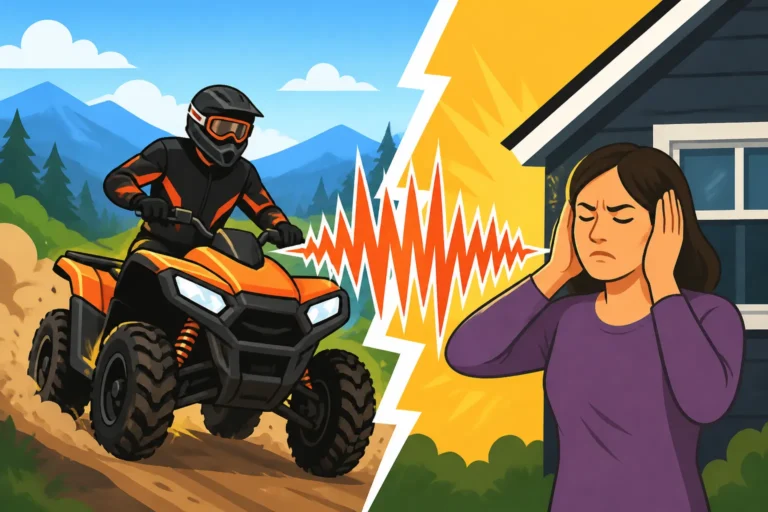
Noise is another significant consideration. Loud, modified exhausts can be a nuisance to local communities, other recreationists, and wildlife. Even if local bylaws don't specifically prohibit modified exhausts, being mindful of your machine's sound output demonstrates respect for others. Many areas, including First Nations Reserves and Métis Settlements, value tranquility and the natural soundscape. Understanding [Alberta Bans Modified Exhausts] on public land can give you an idea of the provincial expectation, which is a good standard to maintain universally.
Practicing "Leave No Trace" principles is also vital. Pack out everything you pack in, including all trash, food scraps, and even human waste in remote areas. Avoid damaging trees or vegetation, and respect water crossings by riding through at designated spots rather than creating new ruts. These practices ensure the land remains pristine for future generations and uphold the spirit of responsible land stewardship that is deeply ingrained in many Indigenous cultures.
Fostering Good Relationships on the Trail
The future of OHV riding, especially in areas with unique jurisdictional complexities, relies heavily on fostering positive relationships between riders, local communities, and land managers. Responsible riders who demonstrate respect for the land, its inhabitants, and its governing bodies help build trust and ensure continued access. Conversely, irresponsible behaviour can quickly lead to resentment, stricter regulations, and even outright closures of popular riding areas.
Engaging with First Nation and Métis Settlement councils or community leaders to understand their perspectives and concerns regarding OHV use can be incredibly beneficial. Offering to participate in trail maintenance, garbage clean-up initiatives, or educational programs can help demonstrate your commitment to responsible recreation. This collaborative approach is far more effective than simply pushing for access without considering local impacts.
Ultimately, whether you're riding on exempt land or provincial public land, your actions reflect on the entire OHV community. By being a polite, knowledgeable, and environmentally conscious rider, you contribute to a positive image for the sport and help preserve access for everyone. Responsible riding isn't just about avoiding a ticket; it's about being a good neighbour and steward of the land.
Disclaimer
This article is for general informational purposes only and does not constitute professional advice. Laws, prices and regulations vary by location and change over time. Consult a qualified professional for guidance on your specific situation.