Rollover Protection and Belts
Let's face it, enjoying the incredible off-road trails and landscapes Alberta offers on your ATV or side-by-side is exhilarating, but there's an inherent risk involved: rollovers. The thought alone can make your stomach drop, and rightfully so. No one wants to experience that moment of losing control, but being prepared with the right rollover protection and using your seat belts correctly can dramatically change the outcome, potentially saving lives and preventing serious injuries. This guide is all about demystifying these crucial safety features so you can ride with confidence and peace of mind.
Understanding Rollover Protection Structures (ROPS)
When we talk about off-highway vehicles, especially side-by-sides (SxS) and utility task vehicles (UTV), the term "rollover protection structure" or ROPS comes up a lot. It’s a foundational element of your machine's safety, designed to create a survival space for occupants in the event of a rollover. Without it, the consequences can be catastrophic.
What Exactly is ROPS?
Imagine a protective cage around the cabin of your side-by-side. That's essentially what a ROPS is. It's an engineered system of structural members, often made from steel tubing, that forms a rigid framework. The primary purpose of this framework is to support the weight of the vehicle, and sometimes more, if it flips onto its side or roof. It's designed to absorb impact energy and prevent the vehicle's body from collapsing inward onto the occupants. Think of it as your personal safety bubble, carefully constructed to withstand the forces of a rollover. For example, if you're navigating a steep, rocky trail in the Ghost PLUZ and your machine suddenly tips, the ROPS is what stands between you and the ground, maintaining a critical space around you.
Why ROPS is Critical for Side-by-Sides and Some ATVs
While ATVs (quads) typically rely on rider skill and body positioning to prevent rollovers and have no built-in ROPS, side-by-sides are a different beast entirely. You're seated in a side-by-side much like a car, with a steering wheel and pedals, and you can't easily jump clear or shift your weight to counter a tip. This is precisely why ROPS is not just a good idea for these machines – it's absolutely critical. Modern side-by-sides come standard with ROPS, and for good reason. Without it, a relatively minor tip could result in the weight of the entire machine crushing down on you and your passengers. Consider the weight of a typical side-by-side; it's significant, and that mass needs to be supported by something robust if it goes inverted.
For some specialized ATVs, like larger utility models that might incorporate a small cargo box or have a more enclosed riding position, some manufacturers might offer aftermarket or optional roll-over protection accessories. However, this is far less common than for side-by-sides, where ROPS is fundamental to the vehicle's design and intended use.
OEM vs. Aftermarket ROPS Considerations
When you purchase a new side-by-side, it comes equipped with an Original Equipment Manufacturer (OEM) ROPS that has been rigorously tested and certified by the manufacturer to meet specific safety standards. This is generally the safest option, as it's integrated into the vehicle's design and tested as a complete system.
However, many riders, especially those venturing into extreme terrain or looking for enhanced protection, consider aftermarket ROPS. Brands like SuperATV, for instance, offer a range of aftermarket cages and roll bars designed to provide additional strength or a customized look. When considering an aftermarket option, it's absolutely vital to do your homework. Not all aftermarket ROPS are created equal. Look for structures that meet or exceed industry standards like SAE J2194 or ISO 3471 (for ROPS specific to agricultural or construction machinery, which often influences OHV design). Ensure the product comes from a reputable manufacturer, has proper mounting points that connect securely to the vehicle's frame, and, ideally, has undergone independent testing. Improperly designed or installed aftermarket ROPS could compromise your safety instead of enhancing it. Sometimes, these aftermarket cages are designed to replace the stock ROPS entirely, offering a more robust or stylish alternative. Just be sure that any modification you make doesn't inadvertently weaken the overall structure or interfere with other safety systems.
The Indispensable Role of Seat Belts
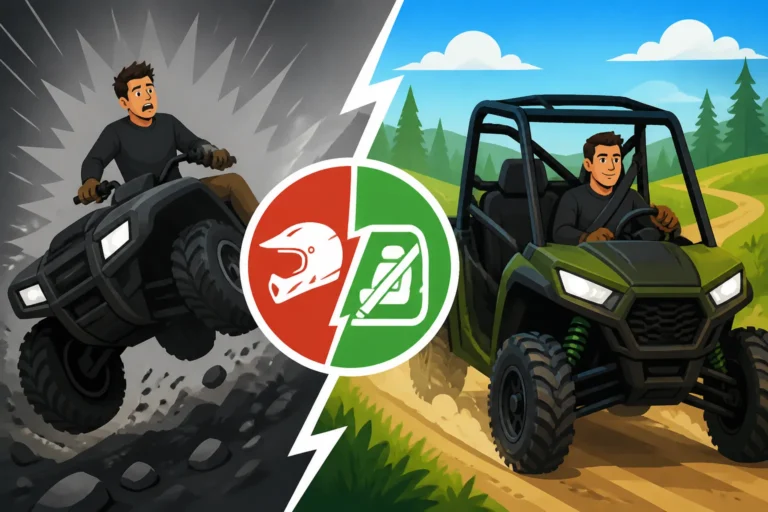
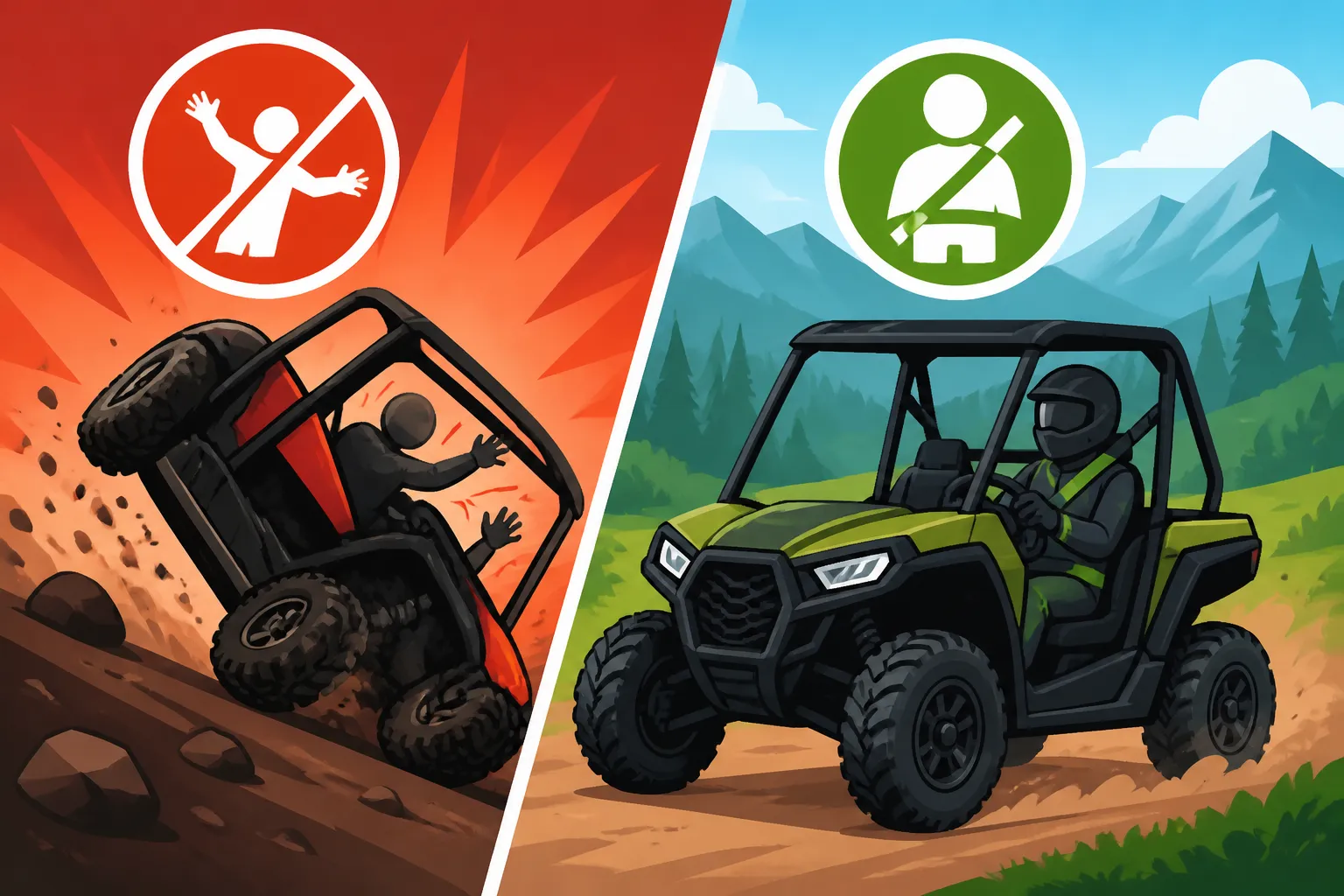
While ROPS provides the protective shell, seat belts are what keep you securely within that shell. Without them, even the most robust ROPS won't protect you because you could be ejected from the vehicle or tossed around inside, leading to serious injury. Think of it as a crucial partnership: the ROPS creates the safe zone, and the seat belts ensure you stay there.
Types of Restraints: From Lap Belts to Harnesses
You'll encounter various types of seat belts in OHVs, each offering a different level of restraint:
- 2-point (Lap Belts): These simply go across your lap, securing you at the waist. While better than nothing, they can allow your upper body to move forward violently in an impact or rollover, potentially causing "submarining" (sliding under the belt) or hitting parts of the vehicle. You'll rarely see these as the primary restraint in modern side-by-sides.
- 3-point (Lap and Shoulder Belts): This is the most common type found in cars and many stock side-by-sides. It crosses your lap and diagonally over one shoulder, securing you at three points. This provides much better upper body restraint than a lap belt alone.
- 4-point, 5-point, and 6-point Harnesses: These are often found in performance-oriented side-by-sides or installed as aftermarket upgrades.
- 4-point harnesses have two straps over the shoulders and two across the lap, connecting to a central buckle.
- 5-point harnesses add a fifth strap between your legs, preventing you from sliding down ("submarining") under the lap belt in a forceful impact.
- 6-point harnesses add a second strap between the legs for even greater anti-submarining protection.
These multi-point harnesses offer superior containment, keeping you firmly planted in your seat, which is crucial during aggressive riding or in a rollover scenario. If you're riding with a more spirited style or tackling challenging terrain like the logging roads near Rocky Mountain House, upgrading to a 4-point or 5-point harness might be a wise investment for enhanced safety.
Why You MUST Wear Your Belt
This might seem obvious, but it bears repeating: your seat belt is only effective if you wear it, and wear it correctly. It's not just about avoiding a ticket (though that's a valid concern, as Alberta officers will check for proper safety equipment during an [Alberta Equipment Checks by Officers]); it's about protecting your life. In a rollover, a seat belt prevents you from being thrown from the vehicle, which is often when the most severe injuries or fatalities occur. It keeps you inside the protective cage of the ROPS. Without a belt, you could be partially ejected, with the machine potentially rolling over your limbs or head, or you could be violently tossed inside the cabin, impacting the ROPS, dashboard, or other passengers.
Think about the sheer forces involved: when a heavy machine like a side-by-side rolls, the impact can be immense. Your body will continue to move at the vehicle's speed until something stops it. A properly worn seat belt ensures that "something" is the belt itself, distributing the force over stronger parts of your body. This dramatically reduces the risk of hitting a hard surface, being crushed, or being ejected.
Proper Use and Maintenance of Your Seat Belts
Wearing your seat belt properly is just as important as wearing it at all. Ensure the lap belt portion sits low across your hips, not your stomach. The shoulder straps should fit snugly over your shoulders and chest without excessive slack. If you have a multi-point harness, ensure all straps are adjusted to be snug but not uncomfortably tight, and that the crotch strap(s) are positioned to prevent submarining. Never ride with loose or twisted straps.
Maintenance is key for longevity and effectiveness. Regularly inspect your seat belts and harnesses for any signs of wear and tear. Look for:
- Fraying or Cuts: Any damage to the webbing can compromise its strength.
- Stretched or Faded Material: UV exposure can degrade the material over time.
- Damaged Buckles or Adjusters: Ensure they latch securely and release easily when intended.
- Rust or Corrosion: On metal components, this can weaken them significantly.
If you notice any damage, replace the belt immediately. Seat belts are a one-time use item in severe accidents; if your vehicle has been in a rollover or significant impact, even if the belt looks fine, it may have stretched or been compromised and should be replaced. Aftermarket suppliers like SuperATV offer replacement harness options that can be a great way to refresh your safety system.
Alberta Regulations and Safety Standards
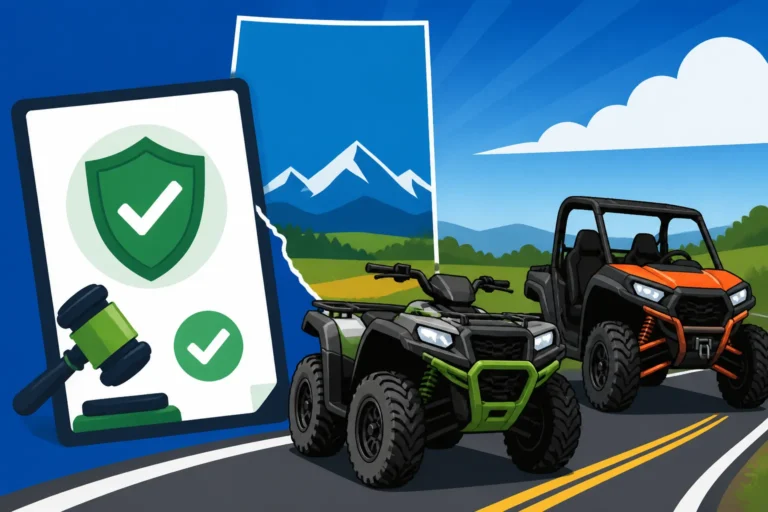
Alberta takes rider safety seriously, especially with the increasing popularity of OHVs. While specific regulations might evolve, the underlying principle is always to minimize risk on public lands. Understanding these expectations is crucial before you head out, whether you're navigating [Alberta OHV Trails: Riding Public Land] or just crossing a road.
What Alberta Law Says About Rollover Protection
While Alberta's off-highway vehicle regulations, such as [Off-Highway Vehicle Regulation 319/2002], don't typically detail the specific engineering requirements for ROPS, they do have a strong emphasis on general safety. What's implied and expected is that if your machine comes with a ROPS from the factory, it must be kept in good working order and not modified in a way that compromises its integrity.
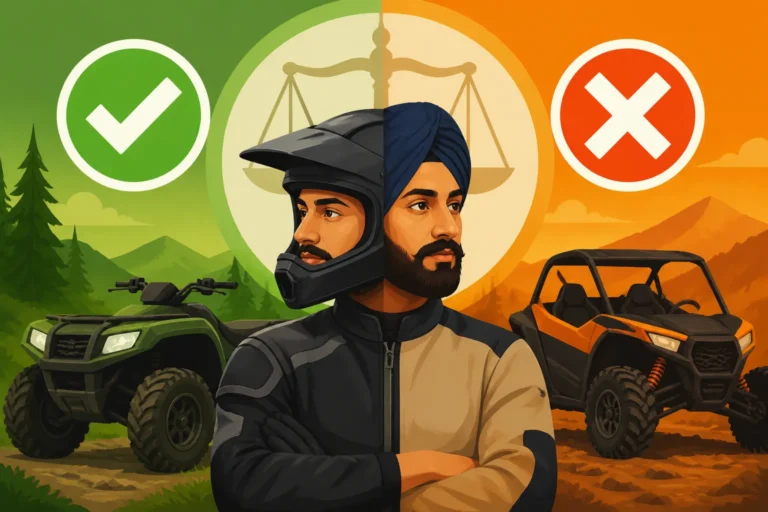
Crucially, Alberta's helmet law, which came into effect in May 2017, mandates that all OHV operators and passengers on public land must wear a CSA-compliant helmet. However, there's a specific exemption directly related to rollover protection and belts:
- An operator or passenger of a Class 1 OHV (which includes side-by-sides) is exempt from wearing a helmet if the vehicle is equipped with both a rollover protective structure (ROPS) and a seat belt, and they are properly wearing the seat belt.
- This exemption also applies if the vehicle is a Class 2 OHV (like a jeep or light truck) that is not registered under the Traffic Safety Act, as long as it has ROPS and seat belts and they are used.
This exemption highlights how seriously the province views the combination of ROPS and seat belts as a safety system. It's essentially saying, "If you have this robust vehicle-based protection, we can, in specific instances, waive the helmet requirement." However, many experienced riders would still strongly recommend wearing a helmet even with ROPS and a seat belt, as head injuries can occur from internal impacts or secondary collisions even within the vehicle. Always err on the side of more protection. For example, if you're riding [McLean Creek: Alberta's Best Known OHV Area], an area known for varied terrain, combining a helmet with your ROPS and seat belt is just plain smart.
Industry Standards and Certifications to Look For
Beyond provincial law, reputable manufacturers adhere to industry-recognized safety standards. These standards are developed through extensive research and testing to ensure that ROPS and seat belts provide a minimum level of protection. Some common standards include:
- SAE J2194 (Roll-Over Protective Structures (ROPS) for Wheeled Agricultural Tractors): While specific to tractors, this SAE (Society of Automotive Engineers) standard often informs the design and testing of ROPS for other off-highway vehicles, including side-by-sides. It outlines testing procedures and performance criteria.
- ISO 3471 (Earth-moving machinery – Roll-over protective structures – Laboratory tests and performance requirements): Similar to SAE, this ISO (International Organization for Standardization) standard provides global benchmarks for ROPS on heavy machinery, and its principles are often applied to OHVs.
- Manufacturers' Internal Standards: Leading OHV brands conduct their own rigorous testing, often exceeding minimum industry standards, to ensure their vehicles perform safely in real-world scenarios.
When considering aftermarket products, ask about their compliance with these standards or if they have independent test data. A product that simply looks strong might not be. A brand like SuperATV, when designing something like an aftermarket roll cage, will typically reference these kinds of standards to ensure their products are built with safety in mind.
The Importance of a Complete Safety System
It’s crucial to understand that ROPS, seat belts, and helmets are not standalone safety features; they work together as a system. Each component addresses a different aspect of crash protection, and their combined effect is far greater than any one part alone.
- ROPS: Protects the survival space.
- Seat Belt: Keeps you securely within that survival space, preventing ejection or violent internal contact.
- Helmet: Protects your most vital organ from impacts, whether from the ground, the vehicle itself, or other objects.
Neglecting any part of this system significantly compromises your overall safety. For instance, relying solely on ROPS without a seat belt is like having a safe room but no door to keep you inside during an earthquake. Similarly, a helmet without a ROPS means your head might be protected, but your body is still at risk of being crushed. Always aim for the complete package to give yourself the best chance of walking away from an incident. This also extends to proper [Alberta Helmet Law on Public Land] compliance and ensuring your machine meets other basic requirements like [Alberta Requires Working Head and Tail Lights] for visibility.
Upgrading and Maintaining Your Safety Gear
Even with a brand-new machine, there might come a time when you consider upgrading your safety gear, or at the very least, you need to know how to properly maintain it. Taking the initiative to enhance or care for your ROPS and seat belts is an investment in your safety and enjoyment on the trails.
When to Consider Upgrading ROPS or Belts
Several factors might prompt you to consider upgrading your ROPS or seat belts:
- Age of the Machine: Older side-by-sides might not have had the same robust ROPS designs as newer models. Aftermarket upgrades can bring them closer to modern safety standards.
- Riding Style and Terrain: If you've started tackling more extreme terrain, like the challenging climbs in the Castle Park OHV Trails in Alberta, or if your riding style has become more aggressive, the stock safety equipment might not offer the level of protection you now desire. Heavy rock crawling or steep hill climbs put tremendous stress on the vehicle and increase rollover risk.
- Damage: Even a minor tip-over can compromise the integrity of a ROPS. Hairline cracks or subtle bends might not be obvious but can significantly weaken the structure. If your ROPS has taken any impact, it's wise to have it professionally inspected or consider replacement. Similarly, seat belts that have been through an impact should always be replaced.
- Desire for Enhanced Protection: Some riders simply want the absolute best protection available. Upgrading from a 3-point belt to a 4, 5, or 6-point harness, for example, offers a much higher degree of occupant containment. Aftermarket cages, sometimes from companies like SuperATV, can offer a more robust design or better material strength than stock, particularly for those pushing the limits of their machine.
- Customization: For many, the OHV is a passion project. Aftermarket ROPS and harnesses also offer aesthetic benefits, allowing riders to customize their machines with unique designs, colors, or accessory mounting points while enhancing safety.
Installation Best Practices
Whether you're installing an aftermarket cage or just new harnesses, proper installation is paramount.
- Professional Installation: If you're not confident in your mechanical skills, or if the upgrade involves significant structural modification, it's always best to have a qualified professional perform the installation. They have the right tools, knowledge, and experience to ensure everything is mounted securely and correctly.
- Read Instructions Thoroughly: If you're doing it yourself, follow the manufacturer's installation instructions to the letter. Don't skip steps or make assumptions.
- Torque Specs: Pay close attention to torque specifications for all bolts. Overtightening can strip threads or weaken components, while undertightening can lead to loose connections and failure. A torque wrench is an essential tool here.
- Frame Attachment: Ensure that any aftermarket ROPS or harness mounts connect directly to the vehicle's frame, not just body panels or existing accessory points. The frame provides the structural integrity needed to withstand rollover forces.
- Clearance and Fit: Double-check that the new equipment doesn't interfere with other vehicle functions, such as steering, braking, or passenger entry/exit. For harnesses, ensure they are routed properly and don't rub on sharp edges that could fray the webbing.
Daily Checks and Long-Term Care
Safety equipment isn't a "set it and forget it" item. Regular checks and maintenance are vital:
- Pre-Ride Inspection: Before every ride, quickly inspect your ROPS for any visible damage, loose bolts, or cracks. Check your seat belts for fraying, cuts, and proper buckle function. Make sure they retract smoothly. This simple routine, much like checking your [Alberta Requires a Spark Arrestor] or [Alberta Requires Working Head and Tail Lights], can catch potential issues before they become serious.
- Cleaning: Mud, dust, and debris can accumulate in buckles and retractors, affecting their function. Clean your belts with mild soap and water, ensuring they are fully dry before retracting them. Avoid harsh chemicals that could degrade the webbing.
- Storage: When not in use, especially for prolonged periods, store your OHV in a way that protects the safety equipment. UV exposure can damage belt webbing over time, so parking in a garage or using a cover is beneficial.
- Post-Incident Assessment: After any incident, even a minor one, thoroughly inspect all safety equipment. If there's any doubt about the integrity of your ROPS or belts, it's always safer to replace them.
By actively maintaining and, where appropriate, upgrading your rollover protection and seat belts, you're taking proactive steps to ensure your safety and that of your passengers every time you hit Alberta's incredible trails.
| Seat Belt Type | Description | Primary Advantage | Typical Use Case |
|---|---|---|---|
| 2-Point (Lap Belt) | Belt across the lap, buckles in the middle. | Basic restraint, better than none. | Very old or specialized utility vehicles (rare now) |
| 3-Point (Lap/Shoulder) | Belt across lap and diagonally over one shoulder. | Good upper and lower body restraint. | Stock side-by-sides, passenger cars |
| 4-Point Harness | Two shoulder straps, two lap straps, all meeting at a central buckle. | Enhanced upper body and lateral containment. | Performance OHVs, aftermarket upgrade |
| 5-Point Harness | Same as 4-point, plus an anti-submarining strap between the legs. | Superior full-body containment, prevents sliding. | High-performance OHVs, racing, serious off-roading |
| 6-Point Harness | Same as 5-point, but with two anti-submarining straps for added security. | Maximum containment and anti-submarining protection. | Extreme racing, custom builds |
Disclaimer
This article is for general informational purposes only and does not constitute professional advice. Laws, prices and regulations vary by location and change over time. Consult a qualified professional for guidance on your specific situation.