Do You Need a Helmet in a Side-by-Side?
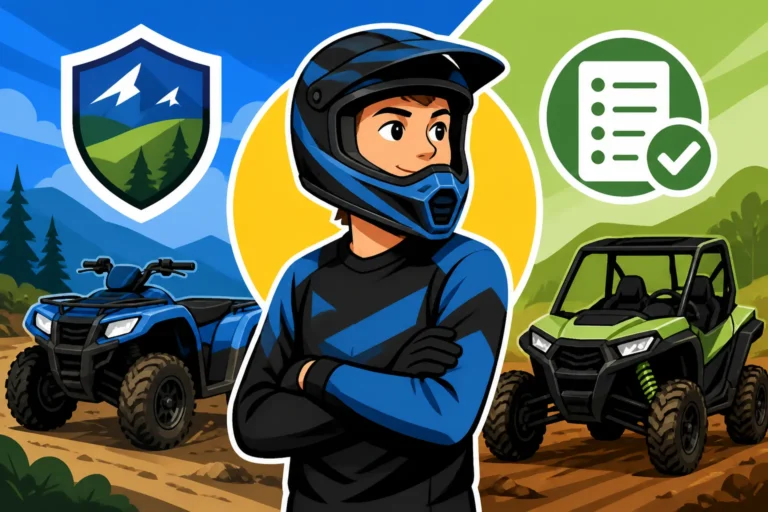
It's easy to get confused about helmet rules for side-by-sides, especially since these machines often have steering wheels, bucket seats, and even roofs, making them feel a lot like a small off-road car. Many riders wonder why they’d need a helmet when they're belted in, feeling secure inside what looks like a protective cage. This guide will cut through that confusion, explaining exactly when a helmet is required for side-by-sides in Alberta, and what specific exemptions might apply to your machine and riding style.
The General Rule: Helmets for Most Side-by-Side Riders in Alberta
Let's get straight to it: for the vast majority of side-by-side riders in Alberta, especially when you're out on public land, a helmet is absolutely required. This isn't just a suggestion; it's a legal obligation designed to keep you safe in an environment that can be unpredictable and unforgiving. The law considers most side-by-sides as off-highway vehicles (OHVs), and the general rule for OHVs on public land is that you must wear an approved helmet.
Why the Confusion Exists for Side-by-Sides
It's completely understandable why this particular rule causes so much head-scratching. You hop into your side-by-side, settle into a comfortable seat, buckle your seatbelt, and you might even have a full windshield and a roof over your head. It feels different from straddling a quad with an open cockpit. Many riders logically think, "This is basically a small jeep for the trails; why would I need a helmet on top of all this other protection?" You've invested in a machine that feels inherently more secure, perhaps even adding accessories like a SuperATV flip-up windshield or a robust roof, which only adds to that feeling of enclosure.
The confusion often stems from comparing a side-by-side to a car, truck, or even a golf cart, where helmets aren't typically required. However, the legal definition of an OHV in Alberta lumps side-by-sides in with ATVs and dirt bikes for many regulations. The intent behind the law is primarily about protecting riders from impacts and rollovers, which are very real risks when off-roading, regardless of how many wheels you have or how many seats are in your machine.
The Core Requirement on Public Land
So, let's be crystal clear: if you are operating a side-by-side on public land in Alberta, the default expectation is that you and any passengers will be wearing an approved off-highway vehicle helmet. This includes popular areas like Public Land Use Zones (PLUZs), Crown land, designated trails, and even road allowances and ditches alongside public highways, as these are all legally considered "public land" for OHV purposes. An officer checking machines at a staging area or encountering you on a trail will expect to see helmets securely fastened.
This requirement has been in effect for years now, with the province tightening up OHV safety laws to reduce serious injuries. You can find more specific details about this overarching rule in resources like [Alberta Helmet Law on Public Land]. It’s about ensuring that riders are protected from head injuries, which are among the most common and severe types of injury in OHV accidents.
Understanding the Helmet Exemption: When You Might Not Need One
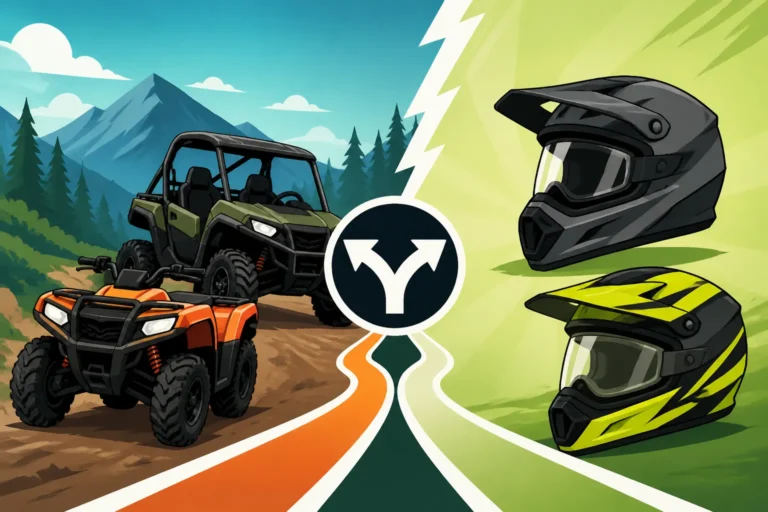
While the general rule is to helmet up, there's a specific, crucial exemption for side-by-sides that often causes the most debate and misunderstanding. This exemption applies under very particular circumstances, and it's vital to know the exact criteria to avoid a ticket or, more importantly, to stay safe.
The Crucial Role of Factory-Installed Rollover Protection (ROPS)
The key to the helmet exemption for side-by-sides lies in the presence of a factory-installed rollover protection system (ROPS). This isn't just any roll cage you might weld onto your machine in the garage. A ROPS is an engineered, tested, and integrated safety feature that comes directly from the manufacturer. It's designed specifically for your side-by-side model to withstand rollover forces and protect occupants. Think of it as the structural integrity of the passenger compartment in a car, but designed for the stresses of off-road conditions.
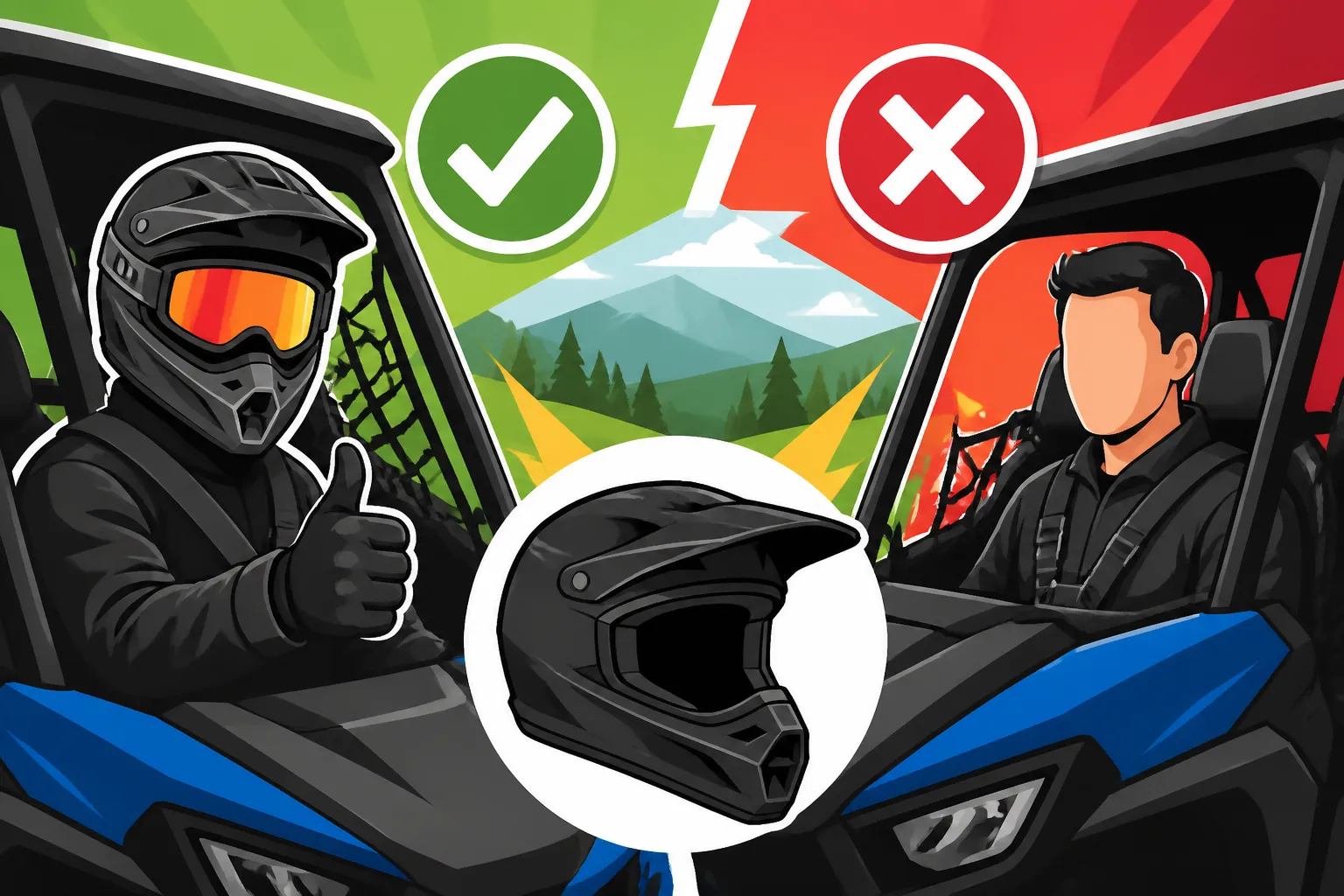
Many side-by-sides are indeed manufactured with a ROPS, but it's important to verify this for your specific machine. If your side-by-side has this genuine factory-installed ROPS, and it includes integrated seats and seatbelts, you might qualify for the exemption. This is a critical distinction, as simply adding an aftermarket roll bar or cage might enhance the machine's appearance or offer some perceived protection, but it typically won't meet the legal definition of a factory-installed ROPS for the purpose of the helmet exemption. The law is quite specific about what counts as adequate protection to supersede the helmet requirement, as detailed in [When a Cage and Seat Belt Replace a Helmet].
Seatbelts: An Essential Partner to ROPS
The ROPS exemption doesn't stand alone. It's inextricably linked to the use of seatbelts. For the helmet exemption to apply, not only must your side-by-side have a factory-installed ROPS, but everyone inside the machine must be wearing their seatbelt properly. This means the belts should be securely fastened, snug against the body, and functioning as intended by the manufacturer. If you have a legitimate ROPS but riders aren't buckled in, the exemption is void, and helmets are then required.
This makes perfect sense when you think about it: a robust rollover cage protects the space around you, but the seatbelt keeps you within that protected space during a sudden stop, impact, or rollover. Without the seatbelt, you could be ejected from the machine or tossed around inside the cage, leading to serious injury despite the ROPS. So, if you're riding a side-by-side that qualifies for the helmet exemption, making sure everyone is securely belted in is just as important as the ROPS itself. It's a comprehensive safety system that works together.
Practical Considerations and What to Expect
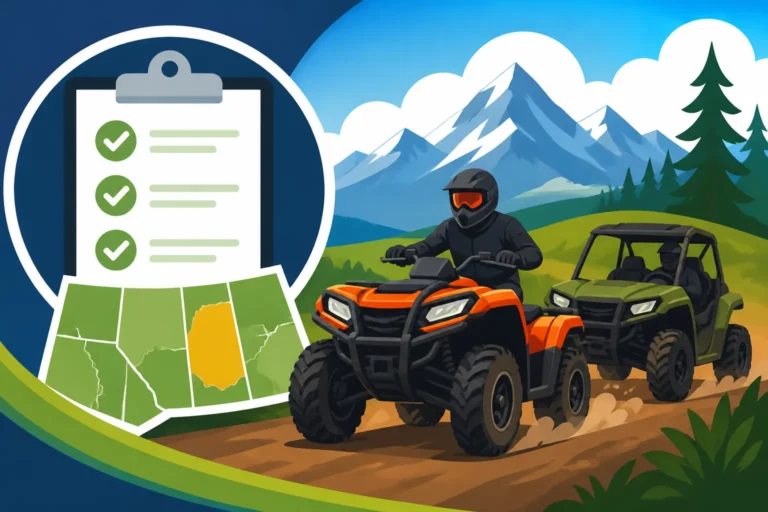
Navigating the rules for side-by-sides can feel like a maze, but understanding the practical implications will help you ride legally and safely. From knowing where the rules apply to understanding the consequences of non-compliance, it's all part of being a responsible OHV operator in Alberta.
Public Land vs. Private Land: The Enforcement Line
One of the most frequent questions riders have is whether these helmet rules apply everywhere. The short answer is: primarily on public land. Most of Alberta's OHV regulations, including helmet laws, are enforced when you're riding on public property. This encompasses a broad range of areas, such as provincial parks (where OHVs are permitted), Public Land Use Zones (PLUZs) like McLean Creek, Crown land, designated OHV trails, and even the undeveloped shoulders and ditches of public roads. Understanding what constitutes public land is key to knowing when to helmet up. For visitors, even just passing through Alberta for less than [Thirty Days in the Province], the rules still apply.
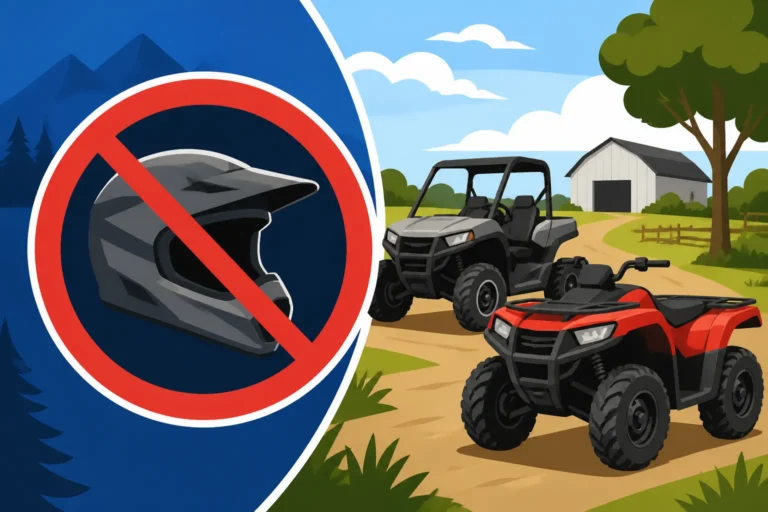
However, if you're riding on private property with the landowner's explicit permission, the provincial helmet laws generally do not apply. This is a significant distinction, often creating a relaxed environment on a friend's acreage or your own farm. For example, [Alberta Private Property Helmet Exemption] clearly outlines these situations. While legally exempt on private land, many experienced riders still choose to wear helmets for their own safety, recognizing that accidents can happen anywhere. Whether you're enhancing your side-by-side with SuperATV accessories for better visibility or comfort on private land, remember that the core safety gear decision rests with you and the landowner in these private settings.
Safety First: Beyond the Law
Even in situations where the law might exempt you from wearing a helmet in your side-by-side (due to a factory-installed ROPS and seatbelts), it's crucial to always put safety first. Off-roading, by its very nature, carries inherent risks. Rollovers, impacts with obstacles, and sudden stops can occur unexpectedly. A helmet provides vital protection against head injuries, which can be life-altering. While your side-by-side’s ROPS offers structural integrity, a helmet adds an extra layer of personal protection for your head against direct impacts, flying debris, or even smaller bumps and jolts that could cause concussions.
Consider the dynamic nature of riding through rough terrain, over rocks, or across uneven ground. Even a relatively minor incident can cause your head to strike part of the vehicle's interior. Many experienced riders, and even professional organizations, advocate for wearing a helmet regardless of whether it's legally mandated for their specific machine, simply because the consequences of a head injury are so severe. Think of it as proactive protection, much like having excellent tires or a well-maintained engine. You're preparing for the unexpected.
Consequences of Non-Compliance
If you're caught riding your side-by-side on public land in Alberta without a helmet when one is required (i.e., your machine doesn't have a factory-installed ROPS with worn seatbelts, or you're not wearing the seatbelt), you can expect a significant fine. Alberta takes OHV safety seriously, and officers at provincial staging areas or patrolling public lands are vigilant about enforcement. A ticket for a helmet violation isn't just a minor inconvenience; it's a financial hit that can quickly sour a fun day out.
The fine amounts for helmet infractions are set to deter non-compliance and reinforce the importance of safety. For specific figures, you can look up information on [Alberta Helmet Fine Amount]. Beyond the immediate financial penalty, repeated violations or more serious incidents could lead to further consequences. It's always best to be prepared and ensure everyone in your side-by-side is appropriately geared up.
Remember, the goal of these regulations isn't to diminish your enjoyment of off-roading, but to ensure everyone can return home safely at the end of the day.
| Side-by-Side Configuration | Riding Location | Helmet Required? | Notes for Alberta |
|---|---|---|---|
| No factory-installed ROPS | Public Land (e.g., PLUZ, Crown Land) | YES | This is the default rule for most OHVs on public land. |
| Aftermarket roll cage, no factory ROPS | Public Land | YES | Aftermarket cages typically do not qualify for the exemption. |
| Factory-installed ROPS & Seatbelts (worn) | Public Land | NO | This is the specific exemption, provided all conditions are met. |
| Factory-installed ROPS, Seatbelts (not worn) | Public Land | YES | The exemption requires all occupants to be securely belted. |
| Any configuration | Private Land (with permission) | NO (Legally) | Safety still highly recommended; landowner rules may apply. |
| Any configuration | Crossing a public road at 90 degrees | YES | Even brief moments on a "highway" usually require helmets if not exempt. |
Disclaimer
This article is for general informational purposes only and does not constitute professional advice. Laws, prices and regulations vary by location and change over time. Consult a qualified professional for guidance on your specific situation.