Alberta Rules for Riding a Ditch
Let's talk about riding your ATV or UTV in ditches across Alberta. It's a question that pops up in every riding group, every online forum, and certainly at every campfire session after a long day on the trails. There's a lot of confusion, a heap of assumptions, and sometimes, a frustrating lack of clear-cut answers floating around. Many riders assume a ditch is fair game – "it's not the road, is it?" they think, or "it's public land, so I should be able to ride there." But the reality, legally speaking, is often far more complex and, frankly, much more restrictive than most people realize. This guide is here to cut through that fog, help you understand the specific rules that govern ditch riding in Alberta, and clarify what you can and absolutely cannot do without risking a hefty fine or worse.
Why Ditch Riding Is a Legal Minefield in Alberta
The idea that you can just hop into any ditch alongside a road and ride your off-highway vehicle (OHV) often stems from a misunderstanding of what constitutes a "highway" in Alberta. Most people think of a highway as the paved or gravel surface where cars drive. And while that's certainly part of it, the legal definition in Alberta is much, much broader. This expansive definition is precisely why so many riders find themselves in hot water, genuinely believing they weren't doing anything wrong. It's a common, honest mistake, but ignorance of the law is, unfortunately, no defence.
The Broad Legal Definition of "Highway"
In Alberta, the Traffic Safety Act defines a "highway" in a way that includes a lot more than just the travelled portion of the road. It generally encompasses the entire right-of-way, which means the shoulders, boulevards, sidewalks, and yes, the ditches on either side of the road. This can be a real shocker for folks who've grown up thinking of ditches as merely overgrown, unused strips of land. Suddenly, your quiet ditch ride becomes an illegal foray onto a "highway" in the eyes of the law. You might wonder, [Why the Legal Definition of Highway Includes the Ditch], and it really comes down to ensuring safety and regulating all forms of traffic, even those not typically seen on asphalt. This comprehensive definition is designed to cover the entire public space associated with a roadway, ensuring consistent rules and preventing unregulated activity right next to moving traffic.
The Misconception of "Public Land" in Ditches
Another major point of confusion arises from the idea that ditches are "public land," therefore making them permissible for OHV use. While it's true that the ditches are generally on public land (the road allowance owned by the province or municipality), "public land" in this context isn't the same as a Public Land Use Zone (PLUZ) or a designated OHV trail. When we talk about riding on public land for recreation, we're usually referring to specific areas managed for that purpose, often far from major roads. A ditch, despite being publicly owned, is legally treated as part of the "highway" system, and off-highway vehicles are broadly prohibited from operating on highways unless a very specific exception applies. It's not about ownership; it's about the designated use and the legal classification under the Traffic Safety Act. This distinction is crucial for understanding [What the Traffic Safety Act Requires of Alberta OHVs]. You could be on what feels like a deserted country road, but that ditch is still considered part of the highway system, carrying the same restrictions.
The Legal Framework: Highways and OHVs in Alberta
Alberta has clear laws governing where off-highway vehicles can and cannot operate, and these laws are the backbone of why ditch riding is so often illegal. It’s not just some unwritten rule; it’s codified in legislation designed to manage traffic and ensure public safety across the province. Getting familiar with these foundational documents is key to understanding the landscape of OHV legality.
The Traffic Safety Act and Its Reach
The Alberta Traffic Safety Act is the primary piece of legislation that dictates how vehicles, including OHVs, can operate within the province. Its reach is extensive, covering everything from driver licensing to vehicle registration, and critically, where different types of vehicles are permitted to operate. For OHVs, the Act generally prohibits their use on what it defines as a "highway." As we discussed, this "highway" definition is broad, encompassing not just the paved or graveled surface, but also shoulders, medians, and ditches. This means that, by default, riding your ATV or UTV in a ditch is a violation of the Traffic Safety Act unless a specific exemption or local bylaw permits it. The intent is to keep off-highway vehicles, which are not designed for road conditions or sharing space with road-going traffic, separate from areas where faster, heavier vehicles operate.
Off-Highway Vehicle Regulation 319/2002
Complementing the Traffic Safety Act is the Off-Highway Vehicle Regulation 319/2002. This regulation provides more specific details on the operation, equipment, and registration requirements for OHVs. It reiterates the general prohibition of OHVs on highways and sets out the conditions under which an OHV can be operated. While it doesn't create many exceptions for ditch riding itself, it's the rulebook that defines an OHV, outlines mandatory equipment like spark arrestors and working lights (relevant if you are ever legally operating near a road or on designated trails), and specifies safety requirements. Understanding this regulation is vital because even in instances where ditch riding is permitted by a local bylaw, you still need to ensure your machine meets all the provincial equipment and safety standards. Without this understanding, even a legal ride could lead to a ticket for an improperly equipped machine.
The General Prohibition
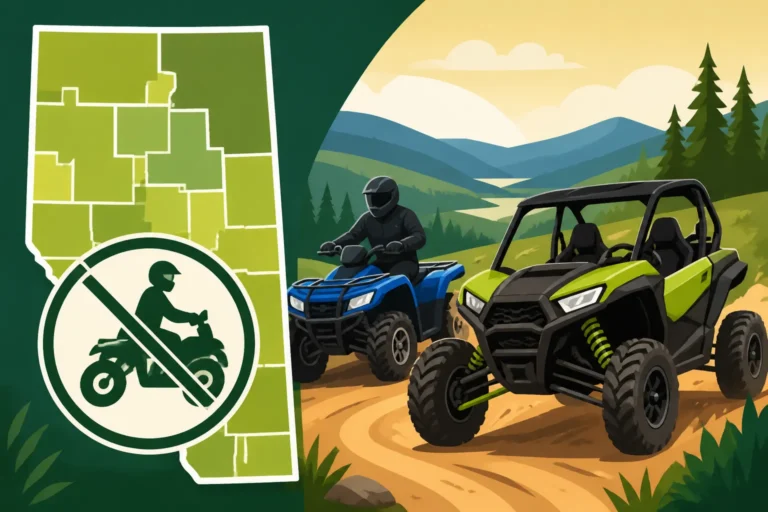
The bottom line is this: without a very specific allowance, operating an OHV on a highway (which includes ditches) is prohibited. This isn't just about preventing damage to the ditch or reducing noise; it's fundamentally about safety. OHVs are slower, less visible, and handle differently than cars and trucks. Mixing them with highway traffic, even in the adjacent ditch, creates significant hazards for both the OHV operator and other road users. This prohibition serves to minimize collisions and maintain predictable traffic flows. So, while it might seem restrictive, it's rooted in a pragmatic approach to public safety. If you're ever stopped while riding in a ditch, the first thing an officer will likely refer to is this general prohibition, and it's up to you to prove any exemption applies.
Exceptions and Permitted Ditch Riding Scenarios
Now, before you lose all hope of ever seeing your tires touch a ditch, let's talk about the exceptions. While the general rule is "no OHVs in ditches," Alberta laws do allow for some specific scenarios where ditch riding might be permissible. But this isn't a free pass; each exception comes with its own set of conditions and often requires diligent research on your part.
Local Municipal Bylaws: The Key to Access
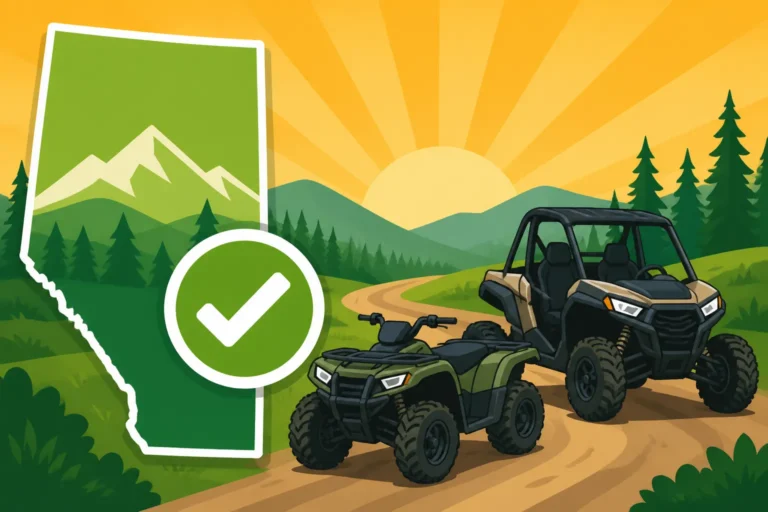
This is arguably the most common and important exception. While the province's Traffic Safety Act generally bans OHVs from ditches, it also gives municipalities (counties, towns, villages, and special areas) the power to create their own bylaws to permit OHV use on specific portions of highways, including ditches. This is huge, but it's also where the confusion really takes root. A ditch that's legal to ride in one county might be strictly forbidden just a few kilometres down the road in the next county over.
You simply cannot assume that because you saw someone riding in a ditch somewhere, it's universally allowed. You absolutely must check the specific bylaws for the exact municipality you plan to ride in. Many progressive municipalities, especially in rural areas, have recognized the practical necessity of OHVs for their residents – whether for farming, getting to a hunting spot, or accessing remote properties. They might designate specific roads, or even specific stretches of ditch, where OHV use is allowed, often with conditions like speed limits, time restrictions, or requirements for certain safety gear. For example, some counties have explicit [Alberta Bylaws That Open a Right-of-Way] for OHVs, but these are rarely blanket permissions. You might find a bylaw from the [County of Wetaskiwin's OHV Bylaws in Alberta] or [Wood Buffalo's OHV Rules in Alberta] that open up certain routes, but they will be highly specific. A great place to start your research is often the municipality's official website or by calling their local enforcement office. It’s far better to make a phone call than to risk a ticket.
Agricultural and Occupational Use Exemptions
For many rural Albertans, an ATV or UTV isn't just a recreational toy; it's an indispensable tool for work. The law recognizes this, and there are typically exemptions for OHVs being used for legitimate agricultural or occupational purposes. If you're a farmer using your quad to check fences, move cattle, or access fields, you may be permitted to operate it in the ditch adjacent to your property or even on short stretches of road to get from one field to another. Similarly, those working in industries like oil and gas, forestry, or utilities might have permission to use OHVs in ditches or on roads to access work sites, especially if it's the most practical way to perform their duties.
However, these exemptions are not a free pass for recreational riding. You generally need to be actively engaged in the work, and the OHV's use must be directly related to that task. Crucially, even with these exemptions, you still need to ensure your machine is registered and insured, and that you're operating it safely. It’s also wise to have proof of your occupational need readily available if stopped by enforcement. If you're working on a ranch, you might find some overlap with discussions around [Alberta Farmer-Owned Machines on Private Land], though ditches are public spaces, the spirit of "work" remains. When you do find legal places to ride, whether it's a designated trail or a specific agricultural pathway, having the right gear is key. For example, ensuring your machine has robust protection or a reliable winch, perhaps from a reputable brand like SuperATV, can be a lifesaver when you're far from pavement and need to get yourself unstuck or navigate challenging terrain.
Crossing a Highway
Sometimes, you need to get your OHV from one side of a road to the other, perhaps to access a trail or another piece of property. The Traffic Safety Act generally allows for OHVs to cross a highway (and by extension, its ditches) at right angles. This is not "riding" the ditch; it's a brief, direct movement across it. When doing so, you must yield to all other traffic, make sure the crossing is done safely, and get off the highway as quickly as possible. This is a very limited exception, meant for momentary transitions, not for extended travel. The rules for [Alberta Rules for Crossing a Highway] are very clear about this being a quick, perpendicular movement.
Ministerial Orders
In very rare and specific circumstances, the Minister of Transportation might issue a special order permitting OHV use on certain highways or parts of highways for a limited time or specific event. These are not common for general recreational ditch riding, but they do exist for things like parades, community events, or specialized maintenance operations. You would typically see public announcements or signage indicating such an order. This is definitely not something you should rely on for your everyday riding plans but is worth being aware of. For the average rider, this is a very unlikely scenario, but it represents another potential, albeit rare, avenue for legal OHV movement on or adjacent to highways.
What Happens If You Ride Illegally in a Ditch
So, what’s the real risk if you decide to take that "shortcut" through a ditch without knowing the rules, or worse, knowing them and ignoring them? The consequences can range from inconvenient and costly to extremely severe, potentially impacting your wallet, your driving record, and even your ability to own your machine. It’s crucial to understand these potential repercussions before you make a choice that could land you in serious trouble.
Penalties: Fines, Vehicle Seizure, and More
Let's not sugarcoat it: riding an OHV illegally in a ditch in Alberta can lead to significant penalties. The most immediate consequence is typically a fine. These aren't just minor parking tickets; fines for operating an unregistered or uninsured OHV on a highway, or for simply operating it where prohibited, can be substantial. These tickets can quickly add up, especially if you're cited for multiple infractions simultaneously (e.g., no registration, no insurance, and operating on a highway).
Beyond fines, there's the very real possibility of your vehicle being seized. Yes, that's right – an officer has the authority to impound your ATV or UTV if you're found operating it illegally, especially if it's unregistered, uninsured, or being operated in a dangerous manner. Vehicle seizure is a massive headache, involving impound fees, storage costs, and the general hassle of trying to retrieve your machine, all of which will cost you even more money on top of any fines. You can read more about this in [Alberta Penalties for Riding Unregistered] and [Alberta Vehicle Seizure for No Insurance]. The costs associated with impoundment can easily exceed the initial fine, turning a momentary lapse in judgment into a financial nightmare.
Insurance Implications: A Dangerous Precedent
This is perhaps one of the most serious, yet often overlooked, consequences. If you're involved in an accident while riding your OHV illegally in a ditch, your insurance policy might be completely voided. Most OHV insurance policies are designed to cover you for legal operation on designated trails or private property. Operating your machine on a "highway" where it's explicitly prohibited is almost certainly a breach of your policy terms. This means that if you cause damage to property or, God forbid, injure someone, your insurance company could refuse to cover the costs.
Imagine the scenario: you're in a ditch, you swerve, hit a fence, or worse, clip a pedestrian. Without insurance coverage, you would be personally liable for all damages, which could run into the tens or hundreds of thousands of dollars. This isn't just about getting a ticket; it's about potentially facing a lifetime of financial burden. Always ensure you have [Alberta Insurance Requirements on Public Land] met, but remember, "public land" in a ditch is a special case. Even having robust parts or recovery gear from SuperATV won't save you from the financial fallout of an uninsured accident if you're operating illegally.
Safety Concerns and Ethical Considerations
Beyond the legal and financial repercussions, there are inherent safety concerns with ditch riding. Ditches are often uneven, filled with hidden obstacles, and can be much steeper than they appear. They are also immediately adjacent to active traffic, creating a serious hazard. An OHV can easily lose control, swerving into traffic, or rolling over. These are not conditions OHVs are designed for, nor are they safe environments to operate in close proximity to cars and trucks.
Furthermore, there's an ethical component. Illegal ditch riding contributes to negative perceptions of OHV riders among the general public and landowners. It fuels complaints about noise, dust, and property damage, which can lead to stricter bylaws and fewer legal riding opportunities for everyone. Being a responsible rider means respecting the law and the communities you ride through. This helps preserve access for all of us who enjoy the sport legally and responsibly.
| Scenario | Legality | Potential Consequences | Key Action |
|---|---|---|---|
| Riding a random ditch | Illegal | Fine, vehicle seizure, insurance voided if accident occurs, personal liability for damages, negative public perception. | DO NOT DO IT. Assume ditches are off-limits unless explicitly stated otherwise. Check local bylaws. |
| Ditch riding for farm work | Potentially Legal | Must be actively engaged in agricultural/occupational duties. Still requires registration and insurance. Proof of purpose may be required. | Understand the specific allowances and carry documentation of your work. Ensure your machine is compliant (registered, insured, equipped). |
| Crossing a road/ditch | Legal (limited) | Must be at a right angle, yield to all traffic, enter/exit highway quickly. Not for travel. | Only cross when absolutely necessary, safely, and quickly. Maintain full awareness of traffic. |
| Ditch riding with specific local bylaw permission | Legal | Must adhere strictly to bylaw conditions (e.g., specific roads, times, speed limits, equipment). Still requires registration and insurance. | RESEARCH LOCAL BYLAWS thoroughly. Know the specific routes and conditions. Always carry proof of registration and insurance, and consider [Printing a Certificate Before You Ride]. |
Practical Advice for Alberta Riders
Understanding the rules is one thing, but applying them practically to your riding habits is another. Being a responsible and law-abiding OHV enthusiast in Alberta requires a proactive approach. It's about doing your homework, making smart choices, and always prioritizing safety.
Do Your Homework: Research Local Bylaws
This cannot be stressed enough: always check the local municipal bylaws before riding in an area you're unfamiliar with, especially if you're considering a ditch. As we've discussed, the province sets the general rules, but municipalities have the power to create exceptions. Don't rely on hearsay or what you've seen others do. Visit the municipal district or county website, look for their "Off-Highway Vehicle Bylaw" or "Traffic Bylaw." If you can't find it online, call their office directly. Ask specific questions about where OHVs are permitted. Many rural counties are quite helpful in guiding riders to legal areas. For example, some may have maps or lists of approved routes. Doing this homework ensures you're riding legally and contributing positively to the OHV community. There are resources like [Alberta Bylaw Lookups Before You Ride] that can help you get started.
Stay Informed and Prepared
Laws and regulations can change, albeit not always quickly. What was permissible last year might not be this year. Keep an eye on local news, municipal websites, and OHV enthusiast groups for updates. Being prepared also means ensuring your machine is always properly registered, insured, and equipped according to provincial standards, even if you only plan to ride on private land. This includes having proper lighting, a spark arrestor, and a quiet exhaust. On that note, for those times you are legally on trails or in approved zones, making sure your machine is up to the task with reliable parts can be a game-changer. Whether it's robust skid plates, a durable winch, or upgraded suspension, many riders trust brands like SuperATV for aftermarket components that enhance both performance and safety on legitimate adventures.
Prioritize Safety and Respect
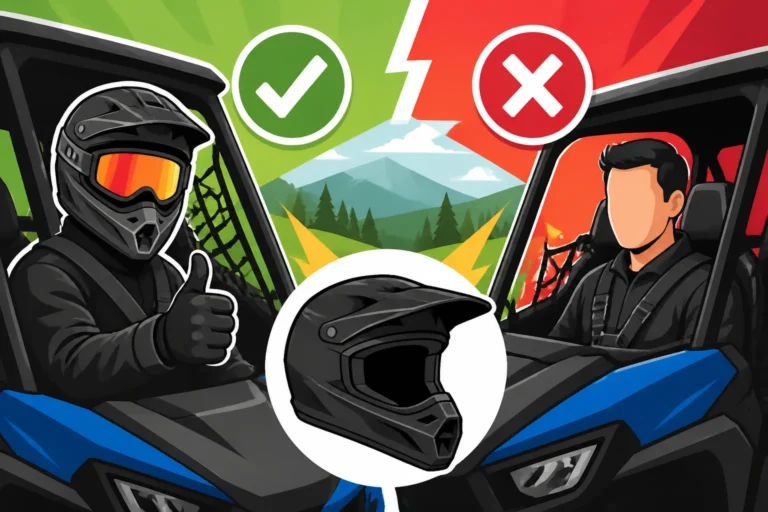
Even in areas where ditch riding is legally permitted by a bylaw, safety should always be your top concern. Ditches are not designed as recreational trails. They often have poor sightlines, steep grades, and hidden obstacles. Always wear appropriate safety gear, including a CSA-approved helmet, eye protection, gloves, and sturdy footwear. Remember, [Alberta Helmet Law on Public Land] applies even in legally designated ditch areas if they fall under the "public land" definition.
Beyond personal safety, be mindful of your impact on others. Reduce your speed, especially when near homes or other road users. Control dust and noise. Respect private property and always obtain permission before entering private land. Responsible riding helps maintain a positive relationship between OHV enthusiasts and the broader community, ensuring that legal riding opportunities continue to exist and potentially expand. Leaving a good impression is key to our sport's future.
Disclaimer
This article is for general informational purposes only and does not constitute professional advice. Laws, prices and regulations vary by location and change over time. Consult a qualified professional for guidance on your specific situation.