Who Pays When a Passenger Rides Without a Helmet
It's a common scenario out on the trails or even just heading to a hunting spot: you've got your ATV or side-by-side all fired up, ready for an adventure, and a friend or family member hops on for the ride. Then you notice, with a sinking feeling, that they aren't wearing a helmet. This situation raises a crucial, often stressful, question: if an officer stops you, who's actually going to pay the price for that unhelmeted passenger? This guide is here to untangle the legal knots and explain exactly whose shoulders the responsibility, and potential fines, fall upon in Alberta.
The Operator's Burden: Carrying the Can for an Unhelmeted Passenger
When it comes to off-highway vehicle (OHV) safety in Alberta, the law places a significant amount of responsibility squarely on the shoulders of the person operating the machine. It's not just about your own safety; it's about the safety of everyone riding with you, and that includes ensuring they comply with helmet regulations. This can feel like a heavy burden, especially if you're just trying to enjoy a ride with friends or family, but understanding it is key to avoiding penalties.
The Driver's Legal Responsibility: The Buck Stops With You
In Alberta, the Traffic Safety Act and the Off-Highway Vehicle Regulation 319/2002 are pretty clear: if you're operating an OHV on public land, you are responsible for making sure that all passengers are wearing an approved helmet. It doesn't matter if the passenger is an adult who "should know better" or a teenager who just forgot. As the operator, you're the one legally accountable. Think of it this way: you're in command of the vehicle, and with that command comes the obligation to ensure basic safety compliance for everyone aboard.
Imagine a scenario where you're out exploring the scenic trails of McLean Creek with a buddy riding shotgun in your side-by-side. You've got your helmet on, but he decided to leave his in the truck, thinking it was "just a quick rip." If a Fish and Wildlife officer or RCMP member pulls you over, they won't be ticketing your passenger. The ticket will come straight to you, the operator. This might seem unfair, especially if your passenger insisted they didn't need one, but from the law's perspective, you have the ultimate say in who rides on your machine and under what conditions.
Fines and Penalties: More Than Just a Slap on the Wrist
Riding with an unhelmeted passenger on public land isn't just a minor infraction; it carries tangible penalties. The operator, not the passenger, is the one who will receive the ticket. The [Alberta Helmet Fine Amount] can be significant, and these fines are designed to be a deterrent, reinforcing the importance of safety. It's not a negotiable sum on the side of the trail; it's a formal penalty that you'll have to deal with.
Beyond the immediate fine, there can be other, more severe consequences. While not directly tied to the helmet law, an officer might also check for other compliance issues. If, for instance, your OHV isn't properly registered or you can't provide [Producing Insurance on Demand], the situation could escalate. In extreme cases, officers have the authority for [When Police Seize a Quad for Having No Insurance] if there are significant safety or legal breaches, and while rare for a helmet infraction alone, it underscores the seriousness of compliance. It's a compounding effect, where one small oversight can lead to a much larger headache. It's a tough lesson to learn when you're just trying to have a good time outdoors, but the rules are there for a reason: to prevent serious injuries.
Beyond the Ticket: Insurance and Liability Headaches
The legal responsibility doesn't stop at the roadside ticket. If an accident were to occur while your passenger was unhelmeted, you could be facing a much larger legal and financial quagmire. Insurance companies scrutinize claims, and if a passenger's injury could have been prevented or mitigated by wearing a helmet, your insurance coverage might be impacted. You could find yourself in a situation where the insurance company denies or reduces the payout because a fundamental safety regulation was ignored.
Furthermore, you could be held civilly liable for your passenger's injuries. While riding an OHV always carries inherent risks, failing to ensure your passenger is wearing a helmet removes a critical layer of protection and could be seen as negligence. A serious head injury to an unhelmeted passenger could result in a lawsuit against you, the operator. This isn't meant to scare you off riding with friends, but it's a very real consideration that goes far beyond the initial fine. It's why making sure everyone is properly geared up, perhaps even having extra helmets stored in a durable SuperATV cargo box, is not just about following the rules but about protecting yourself and your loved ones from potential tragedy.
Alberta's Helmet Mandate: What the Law Says for OHVs
The helmet law in Alberta for off-highway vehicles has been a significant change for many riders, and it's something that everyone who operates or rides an OHV on public land needs to understand thoroughly. It's not just a suggestion; it's a mandatory requirement with clear guidelines, designed to protect riders from the often severe consequences of head injuries in an accident.
The Foundation of the Law: Why Helmets Became Mandatory
Prior to May 15, 2017, helmet use on OHVs in Alberta was largely discretionary for adults, although strongly recommended. However, seeing the devastating impact of head injuries from OHV accidents, the provincial government made the decision to mandate helmets for all riders on public land. [Alberta Helmets Required Since May 2017] marked a turning point, aiming to significantly reduce fatalities and serious injuries. This wasn't a decision made lightly; it was based on data and a commitment to public safety. The rationale is simple: helmets save lives and prevent life-altering brain injuries.
This legislative change brought Alberta in line with many other jurisdictions that had already recognized the critical importance of helmet use. It created a uniform standard across public lands, removing ambiguity and ensuring that safety wasn't left to individual discretion. For the community of OHV enthusiasts, it meant a shift in riding culture, emphasizing collective responsibility for safety on the trails, cutlines, and ditches that crisscross our beautiful province.
Who Must Wear a Helmet: It's Everyone on Public Land
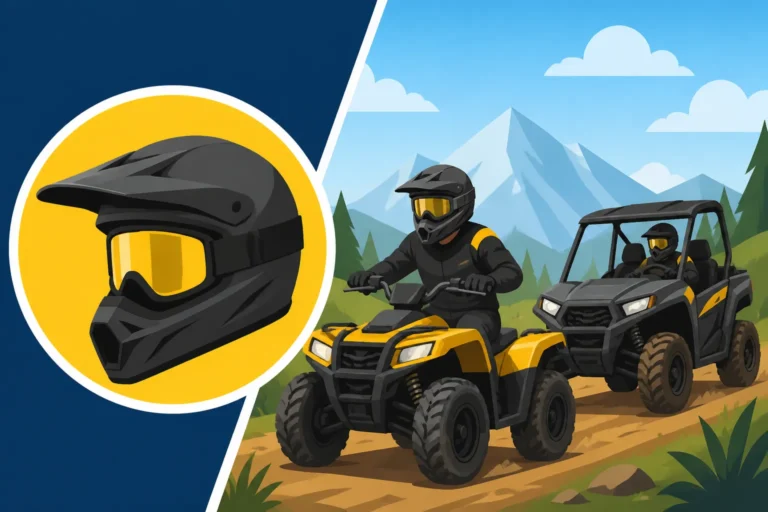
The Alberta helmet law is unequivocal: "a person must not operate or ride as a passenger on an off-highway vehicle unless the person is wearing a helmet." This means everyone on the OHV on public land – the operator, the passenger, adults, and children alike – must have an approved helmet securely fastened. There's no age limit where the rule suddenly doesn't apply, nor is there any distinction between whether you're driving or simply enjoying the view from the back.
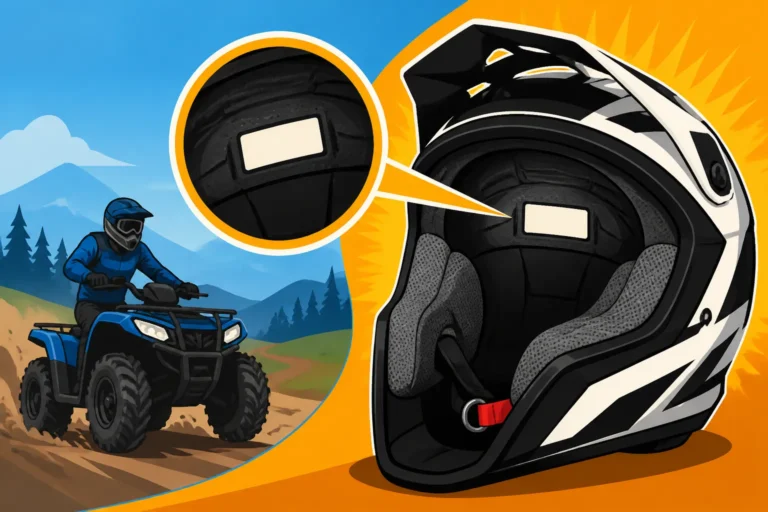
This applies whether you're on a quad, a dirt bike, a snowmobile, or a side-by-side. The type of OHV doesn't change the requirement. A quality helmet is absolutely crucial, and it needs to be one that meets the [Alberta CSA Helmet Standards], or equivalent standards like DOT or ECE. Simply having a helmet isn't enough; it must be one that provides adequate protection and is designed for the rigours of off-highway riding. Having spare, approved helmets readily available, perhaps even a smaller one for younger riders, can save a lot of grief and ensure everyone is compliant. If you carry a variety of gear for different conditions, you might find a dedicated storage solution, like some of the rugged options from SuperATV, helpful for keeping helmets secure and clean.
Defining "Public Land": Where the Rules Apply
Understanding where this helmet law applies is just as important as knowing who it applies to. The key phrase is "on public land." In Alberta, "public land" is a broad term that includes designated OHV trails, Provincial Parks (where OHVs are permitted), [Crown Land as the Registration Trigger], forestry roads, pipeline rights-of-way, and even the often-overlooked highway ditches and road allowances (which fall under the definition of "highway" in the Traffic Safety Act for OHV purposes, as detailed in [Why a Highway Ditch Counts as Public Land]). Essentially, if it's not explicitly private property that you have permission to be on, assume it's public land and the helmet law is in full effect.
This broad definition catches many riders by surprise. A casual ride across a rural road allowance to get to a field, or a quick zip down a gravel road in an unincorporated area, all fall under the umbrella of public land. It highlights the importance of always having your helmet on, and your passenger's helmet on, even for what seems like a short or low-speed journey. The moment your tires touch public domain, the law kicks in.
Exemptions and Real-World Scenarios for Passengers
While the Alberta helmet law is quite strict, there are a few specific exemptions that apply. However, it's crucial to understand that these exemptions are very narrow and don't negate the general rule for most recreational riding situations. Riders often hear whispers of these exceptions and misinterpret them, leading to potentially unsafe and unlawful riding.
When a Helmet Might Not Be Needed: Specific Cases
There are indeed some instances where a helmet might not be legally required for an OHV rider or passenger in Alberta. The most common and significant exemption is for riding on [Alberta Private Property Helmet Exemption]. If you're on your own land, or land for which you have explicit permission from the landowner, the provincial helmet law does not apply. This is a common situation for farmers and ranchers, or those riding on a friend's acreage. However, even on private land, wearing a helmet is always a smart choice for safety. An accident can happen anywhere, regardless of legal requirements.
Other very specific exemptions exist, such as for individuals operating an OHV that has a cab, roll-over protection, and seatbelts – for example, some fully enclosed side-by-sides fall under this, as explained in [Alberta Rollover Protection Exemption]. There's also a specific [Alberta Turban Exemption for Sikh Riders] who, for religious reasons, wear a turban that cannot be removed to wear a helmet, provided the turban is properly worn. These are highly specific circumstances, and it's critical not to generalize them to typical recreational riding on public trails. For the vast majority of riders and passengers on open-air quads or standard side-by-sides, the helmet rule applies without exception.
The "Close Supervision" Rule and Passengers
For younger riders, Alberta law introduces the concept of "close supervision." [Alberta Riders Under 14 Need Supervision] when operating an OHV. While this rule primarily addresses the presence and guidance of an adult supervisor, it doesn't waive the helmet requirement for the young rider or any young passenger. In fact, the adult supervisor is implicitly responsible for ensuring that the child they are supervising is also wearing a helmet.
Consider a parent riding with their 10-year-old child on a youth quad. The parent must be within "close supervision" distance, but crucially, both the parent (if on their own OHV) and the child must be wearing helmets. If the child is a passenger on the parent's machine, both must be helmeted. The supervision rule pertains to the operation of the machine by a minor, while the helmet rule is about the presence of any person on the OHV on public land. The adult's responsibility therefore extends to both supervision and ensuring helmet compliance for the minor.
Gear Up for Safety: Beyond the Law
While the legal requirements are clear, prioritizing safety goes beyond merely avoiding a ticket. Wearing a helmet, even when not legally required (such as on private land or when an exemption applies), is a fundamental safety practice for OHV riding. Head injuries can be catastrophic, leading to permanent disability or worse. A helmet is your best line of defense against impact and abrasion.
When choosing a helmet, look for one that fits well and is comfortable, as discomfort can be distracting. Ensure it meets recognized safety standards like CSA, DOT, ECE, or Snell. Many riders opt for open-face helmets for good visibility, while others prefer full-face helmets for maximum protection against impacts, dust, and branches. Beyond helmets, other protective gear like goggles, gloves, sturdy boots, and appropriate riding apparel can significantly reduce the risk of injury. Thinking about things like a properly mounted flag for visibility, or equipping your machine with a sturdy winch from SuperATV for self-recovery, all contribute to a safer, more enjoyable riding experience overall. Being prepared with the right gear demonstrates a commitment to safety for yourself and everyone you ride with.
Taking Proactive Steps for Passenger Safety
Knowing the law is one thing, but consistently applying it in real-world riding situations can be another. As the operator, ensuring your passenger is safely and legally helmeted requires a proactive approach. It's about setting expectations, providing the right gear, and maintaining a firm stance on safety before the tires even leave the staging area.
Pre-Ride Checks and Conversations: Setting Expectations
Before every ride, especially when you have passengers, make a habit of a quick safety briefing. This doesn't have to be a formal lecture, but a casual conversation where you clearly state your expectations. "Hey, just a heads-up, helmets are mandatory for everyone on this ride, even for a short hop. Got yours?" This simple question can prevent awkward situations later. It’s also an excellent time to cover other basics, like where to hold on, keeping limbs inside the machine, and what to do if you encounter obstacles.
If you're riding with someone new, or someone who might not be familiar with Alberta's OHV laws, take a moment to explain why helmets are so important. Emphasize that it's not just about avoiding a fine, but about serious injury prevention. Being upfront and clear from the start makes it much easier to enforce the rule, rather than having to scramble or argue when you're already halfway down the trail. A simple conversation before the adventure begins is a small investment of time that pays dividends in safety and peace of mind.
Ensuring Compliance: What to Do
The biggest challenge arises when a passenger genuinely doesn't have a helmet, or simply refuses to wear one. As the operator, you have a critical decision to make. Given that you are legally responsible for any unhelmeted passenger on public land, the safest and most compliant action is to not allow that person to ride with you without an approved helmet. This might mean keeping a spare helmet on hand, or even, in some cases, politely declining to give a ride until the passenger can secure one.
Having a spare helmet, especially if you frequently ride with different friends or family members, is an excellent practice. When buying one, ensure it meets standards like CSA, DOT, or ECE. [Buying a CSA-Approved Helmet Before an Alberta Ride] is a great resource to learn more about what to look for. Keep it clean and accessible, perhaps strapped securely to your machine's rack or stored in a purpose-built cargo box. This shows you're prepared and serious about safety. If a passenger absolutely refuses to wear a helmet despite your best efforts, you must stand firm. Your legal responsibility and their safety outweigh any temporary discomfort or perceived inconvenience.
Here's a quick summary of the responsibilities:
| Scenario | Operator's Responsibility (Legally) | Passenger's Responsibility (Legally for Ticket) | Potential Outcome for Operator |
|---|---|---|---|
| Passenger without helmet (Public Land) | Yes, to ensure helmet is worn | No, operator receives ticket | Fine, potential insurance impact, civil liability |
| Operator without helmet (Public Land) | Yes, to wear helmet | N/A | Fine, potential insurance impact, civil liability |
| Passenger without helmet (Private Land) | No (helmet not legally required by province) | No (helmet not legally required by province) | Safety risk only (still highly recommended) |
| Minor (under 14) riding without supervision | Yes, to ensure supervision and helmet | No, supervisor/operator receives ticket | Fine, safety risk, civil liability |
The Role of Accessories: Enhancing Safety and Convenience
Beyond the fundamental requirement of helmets, accessories can play a significant role in making your OHV experience safer and more convenient for both you and your passengers. For instance, a quality wind deflector or a full windshield can protect passengers from flying debris, dust, and branches, enhancing comfort and reducing distractions that might lead to an accident. Upgraded lighting, like LED light bars, from manufacturers such as SuperATV, can drastically improve visibility, especially when riding at dusk or in challenging weather conditions, making trails safer for everyone.
Think about proper storage solutions for gear like helmets, first-aid kits, and emergency supplies. A secure, waterproof cargo box means you can always have spare helmets, rain gear, or emergency tools on hand, ensuring you're prepared for anything the trail throws at you. These additions aren't just about customization or performance; they're about creating a more secure and responsible riding environment, minimizing risks, and ensuring that every ride is as safe as it is enjoyable for everyone on board.
Disclaimer
This article is for general informational purposes only and does not constitute professional advice. Laws, prices and regulations vary by location and change over time. Consult a qualified professional for guidance on your specific situation.