Winter Riding Rules in Alberta
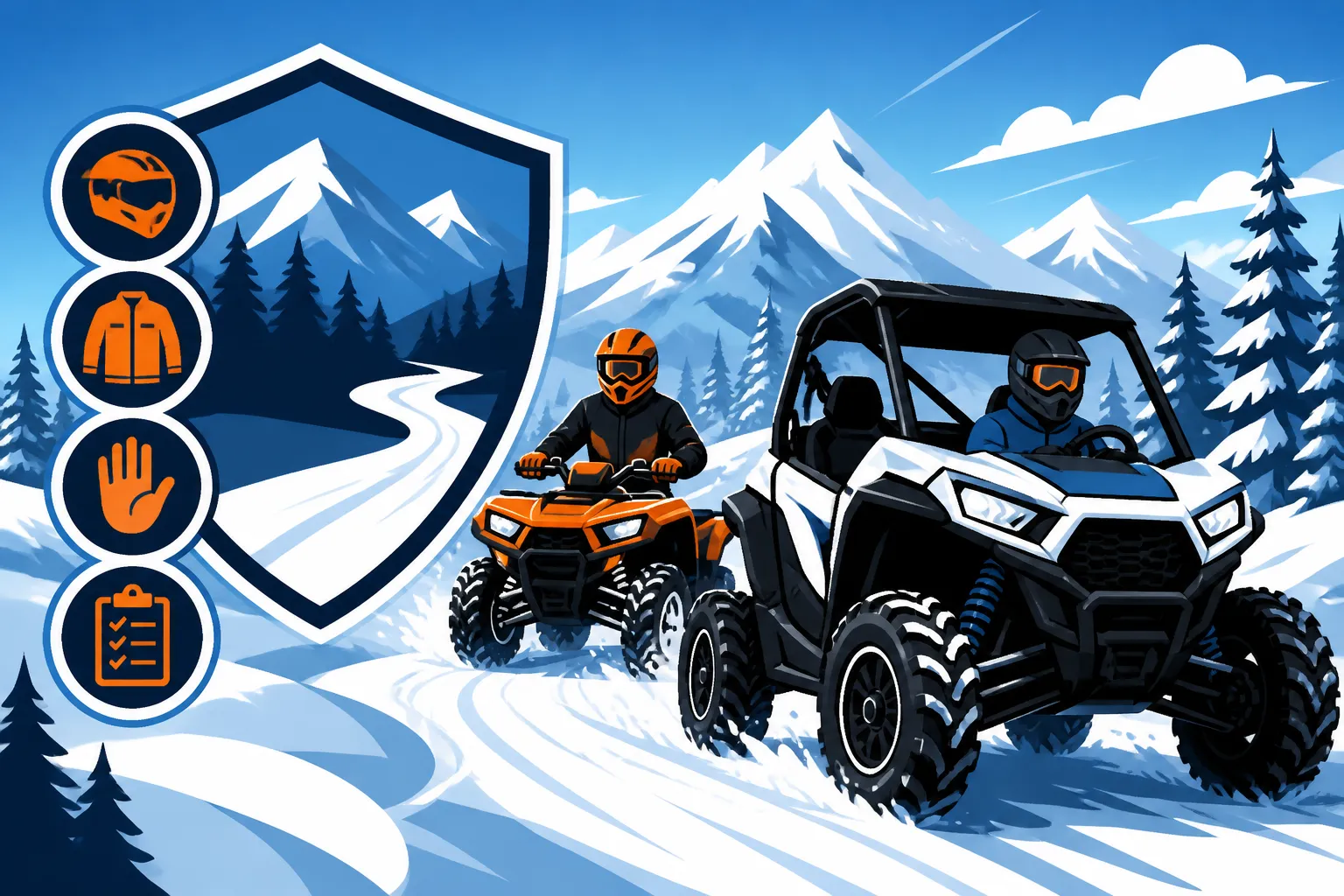
When the snow blankets Alberta, the call of the wild for ATV and UTV riders often gets louder, not quieter. But as exhilarating as shredding through fresh powder or navigating a frozen landscape can be, winter riding isn't just a colder version of summer fun. Many riders, both new and seasoned, grapple with the distinct challenges and often misunderstood regulations that come with operating off-highway vehicles in Alberta's frosty months. This guide is here to cut through the ice and clarify Alberta's specific winter riding rules, ensuring you're safe, legal, and ready for adventure all season long.
Understanding Alberta's General OHV Rules in Winter
It's tempting to think that once the snow flies, some of the regular rules for your ATV or UTV might just melt away. After all, the trails look different, and the crowds thin out. But here's the reality check: most of Alberta's fundamental OHV regulations don't take a winter vacation. They remain firmly in place, and knowing them is your first line of defense against potential issues on the trail.
Registration and Insurance Remain Crucial
Just because your machine might be sporting tracks instead of tires, or you're riding through a silent, snow-covered forest, doesn't mean you can skip the paperwork. Your ATV or UTV, whether it's a quad, side-by-side, or even a dirt bike adapted for snow, still needs to be properly registered if you plan to ride it on public land. This includes Crown land, designated OHV trails, and even those pesky ditches alongside public roads. The same rules apply year-round. Thinking about that registration renewal? Remember, the [Alberta OHV Registration Cost] and the process remain consistent regardless of the season.
Beyond registration, carrying valid insurance is absolutely non-negotiable for riding on public land. It's not just a good idea for your peace of mind in case of an accident; it's a legal requirement. An officer can still ask for [Alberta Proof of Insurance on Demand] even if it's minus 30 degrees Celsius. Failing to produce it could lead to significant penalties, including potential vehicle seizure, which is definitely not the way you want your winter ride to end. Always keep a copy of your current insurance and registration with you, either physically or digitally on your phone (though a printed copy is often more reliable when your phone battery dies in the cold).
Equipment Requirements Don't Hibernate
While some of your summer gear might get swapped out for warmer alternatives, certain machine-specific equipment requirements mandated by [What the Traffic Safety Act Requires of Alberta OHVs] are year-round. Your OHV must still have working head and tail lights, even if you’re mostly riding in daylight. Winter days are shorter, and weather can change quickly, so good lighting is critical for visibility.
Furthermore, a properly functioning spark arrestor is still a must. This often-overlooked component helps prevent wildfires, and while the risk might seem lower in a snowy landscape, embers can still ignite dry materials hiding under the snow or exposed areas. And speaking of noise, [Alberta Bans Modified Exhausts] on public land. Even in winter, excessive noise can be disruptive to wildlife and other users of public lands, and it's something officers will still enforce. If you’re considering any modifications for winter performance, make sure they comply with these foundational rules. Brands like SuperATV offer components that can enhance your machine's winter capabilities while still adhering to necessary regulations.
Age and Supervision Still Apply
Riding an OHV in Alberta means adhering to specific age and supervision requirements, which don't magically change when winter arrives. For instance, [Alberta's Minimum Age of 14 on Public Land] still applies. A child under 14 cannot operate an OHV on public land unless they are under the direct supervision of an adult who is at least 18 years old and riding with them. This "close supervision" means the adult must be close enough to intervene immediately if needed.
And, of course, helmets are mandatory. Whether you're navigating slushy trails or a pristine powder field, [Alberta Helmet Law on Public Land] remains in full effect. Always wear a CSA-approved helmet that fits properly. Helmets protect against head injuries, and in winter, they also provide crucial insulation against the cold. A good quality helmet, combined with appropriate cold-weather gear, makes a huge difference in safety and comfort. Don't let the thought of a warm toque replace a proper helmet; the fines for not wearing one, or wearing a non-compliant one, are still issued.
Navigating Specific Winter Riding Scenarios
Winter in Alberta brings unique conditions that demand special consideration beyond just the general rules. From frozen waterways to shared trails, understanding how to navigate these specific scenarios safely and legally is key to a responsible and enjoyable season.
Ice Riding and Frozen Water Bodies
The allure of riding across a vast, frozen lake or river is undeniable for many, but it comes with extreme risk and strict guidelines. Alberta law, under the Occupiers' Liability Act, states that property owners (including the Crown) have no duty to ensure the safety of people entering their land for recreational purposes, and this implicitly includes frozen bodies of water. More critically, [Frozen Rivers and Alberta Riders] face significant dangers. Ice thickness can vary dramatically, even within a small area, due to currents, springs, and snow cover. What looks solid on the surface could be dangerously thin underneath.
Riding on frozen lakes, rivers, or ponds is generally not recommended unless you are absolutely certain of the ice conditions and local bylaws allow it. Always assume the ice is unsafe unless verified by local experts or authorities. Never ride alone, carry safety gear like ice picks, and know how to self-rescue. Furthermore, many municipalities have specific bylaws prohibiting motorized vehicles on ice within their boundaries. Always check with local authorities before venturing onto frozen water. The potential for a machine, or worse, a rider, to fall through thin ice is a terrifying reality, and it's a risk that is simply not worth taking.
Snowmobiling vs. ATV/UTV Riding on Trails
Alberta's vast trail networks are shared by various users, and winter often sees a surge in snowmobile activity. It’s crucial to understand that designated snowmobile trails are typically groomed and maintained specifically for snowmobiles, not necessarily for ATVs or UTVs, especially wheeled machines. While some trails might be multi-use, many are explicitly for snowmobiles only. Riding your ATV or UTV on a groomed snowmobile trail where it's not permitted can damage the trail, making it difficult for snowmobilers and potentially leading to fines.
Before heading out, always research the specific Public Land Use Zone (PLUZ) or trail system you plan to visit. Check their official websites or contact local authorities and clubs to confirm if ATVs/UTVs are permitted on particular trails during winter. For instance, some areas might have [Alberta Machines Under 1,000 Pounds in Winter] restrictions, or specific rules for track-equipped machines. If you do find yourself on a multi-use trail, remember to yield to snowmobiles and always be courteous. Trail etiquette is paramount to ensuring everyone can enjoy Alberta's winter wonderland responsibly.
Respecting Seasonal Closures and Weight Limits
Many areas, especially in sensitive ecological zones or high-elevation regions, implement seasonal closures to protect wildlife, reduce erosion, or allow for snow accumulation. These closures are just as important in winter as they are in spring. Similarly, some areas might have specific weight restrictions for machines, particularly during early winter or late spring when the ground might not be fully frozen or is starting to thaw. Ignoring these can lead to fines, environmental damage, and even trail closures for everyone.
Always check the current status of the areas you intend to ride. [Alberta Provincial Park Rules for Machines], for example, are usually very clear about restricted areas. The Alberta Public Land Use Zone (PLUZ) system often has detailed maps and regulations available online. Planning ahead and respecting these closures is a critical part of being a responsible rider. It helps preserve the natural beauty and accessibility of Alberta's landscapes for future generations.
Practical Considerations for Winter Safety and Enjoyment
Beyond the rules, there are essential practical steps you can take to make your winter ATV or UTV adventures safer and more enjoyable. Alberta winters can be unforgiving, and being prepared means the difference between a memorable ride and a miserable, or even dangerous, experience.
Gearing Up for Cold Weather Riding
Staying warm and dry is paramount in winter. Hypothermia is a real threat, even on mild winter days. Layering is your best friend:
- Base Layer: Moisture-wicking material to pull sweat away from your skin.
- Mid-Layers: Insulating layers like fleece or wool for warmth.
- Outer Shell: Waterproof and windproof jacket and pants to protect against snow, wind, and sleet.
Don't forget extremities! Heated gloves or mitts, insulated boots (consider waterproof ratings), and a warm helmet liner or balaclava are crucial. A good quality pair of goggles or a full-face helmet with a heated visor can prevent fogging and keep your vision clear, which is vital when navigating snow-covered terrain. Having a spare pair of dry gloves and socks in your pack is always a smart move. Think about investing in quality gear, as it really pays off when the mercury drops. Even for simple accessory upgrades, brands like SuperATV can offer heavy-duty, weather-resistant options.
Machine Preparation for Winter Conditions
Just like you need to prepare yourself, your OHV also needs some extra love for winter. Cold weather can be tough on engines, batteries, and moving parts.
- Battery: Ensure your battery is fully charged and in good condition. Cold temperatures significantly reduce battery performance. A battery tender can be a great investment if your machine sits for periods.
- Fluids: Check coolant levels and ensure it has adequate anti-freeze protection. Consider synthetic oils designed for colder temperatures for easier starting and better lubrication.
- Tires/Tracks: If you're running tires, ensure they are at the correct pressure for snow riding (often lower than summer pressure for better flotation). For serious snow, tracks are a game-changer, dramatically increasing traction and flotation.
- Winch: A winch is always a good idea, but it's even more critical in winter when getting stuck in deep snow or mud can quickly become a serious situation due to exposure.
- Visibility: Ensure all your lights are working properly. Consider adding additional auxiliary lights for enhanced visibility during shorter daylight hours or in whiteout conditions. [Alberta Lighting Rules on Public Land] are still in effect, and more light is always better.
A basic tool kit, tow strap, and a small shovel can be lifesavers. A full tank of fuel is also a must, as cold weather can increase fuel consumption, and you don't want to run out far from help.
Being a Responsible Rider in Winter
Winter riding, by its nature, often takes you into more remote and pristine areas. This means exercising an even higher degree of responsibility.
- Travel with a Buddy: Never ride alone in winter. If something goes wrong, having another person there to help or go for help is invaluable.
- Tell Someone Your Plan: Always inform someone of your route, destination, and estimated return time.
- Carry Communication Devices: A fully charged cell phone is a start, but don't rely on it in remote areas. Consider a satellite messenger or a two-way radio for areas without cell service.
- Pack Emergency Supplies: Beyond your riding gear, bring extra food, water (in an insulated container to prevent freezing), a first-aid kit, fire-starting materials, and an emergency shelter (e.g., a space blanket or tarp).
- Respect Wildlife: Winter can be a stressful time for animals. Avoid disturbing them, especially in known wintering areas. Keep your distance and ride quietly.
- Stay on Designated Trails: This is always important, but in winter, going off-trail can be even more damaging to fragile ecosystems hidden under the snow and can increase your risk of getting lost or stuck.
- Know Your Limits: Winter riding can be physically demanding. Don't push yourself or your machine beyond your capabilities, especially in unfamiliar terrain or extreme cold.
Where to Ride Your OHV in Alberta During Winter
Finding legal and enjoyable places to ride your ATV or UTV in Alberta during the winter can sometimes feel like a puzzle. It's not always as straightforward as heading to your favourite summer spots. However, with a bit of research and understanding of the rules, plenty of fantastic winter riding opportunities await.
Exploring Public Land Use Zones (PLUZ)
Alberta's Public Land Use Zones (PLUZs) are often the go-to for OHV enthusiasts, and many remain open in winter. These zones are managed by the province and offer designated areas for various recreational activities, including OHV use. Popular areas like McLean Creek, the Ghost PLUZ, or parts of the Eastern Slopes, which are well-known for summer riding, also provide significant winter terrain. However, even within PLUZs, specific rules can apply to different seasons. It's essential to consult the official Alberta Environment and Parks website or look for maps specifically detailing winter access and restrictions for the PLUZ you plan to visit.
Some PLUZs might have seasonal closures on certain trails to protect wildlife or because the trails are specifically groomed for snowmobiles. You might also encounter varying rules regarding random camping. Remember, [Alberta's Public Lands Camping Pass] is required year-round for random camping in these areas, so make sure you have yours before you head out. Checking ahead will save you from potential fines and ensure you're riding where you're allowed.
Local Bylaws and Open Roads
While the general rule is that OHVs are not permitted on highways (which includes ditches, road allowances, and even some alleys in Alberta), some municipalities have specific bylaws that open certain roads or areas to OHV traffic, often for seasonal access or for specific purposes like accessing a trapline. These are the exceptions, not the rule, and they vary significantly from one county or municipality to another. It's crucial to investigate the specific bylaws for the area you're interested in before you ride.
Never assume a road is open for OHV use just because it's covered in snow or seems remote. Always check with the local county or municipal office. They can provide maps or specific details on where you can legally operate your OHV. Getting caught riding illegally on a public road, even if it feels like a quiet backroad, can result in significant fines and penalties.
Private Land Riding
Perhaps the most straightforward option for winter riding, with the fewest provincial restrictions, is on private land with the owner's explicit permission. If you own your own acreage, farm, or have a friend or family member who does, riding on private property gives you the freedom to enjoy your machine without needing to worry about public land regulations, as long as you respect the landowner's wishes and common sense safety.
However, even on private land, you still have a responsibility to ride safely and legally. While the province's registration and insurance requirements might be different for machines strictly kept on private land (e.g., [Alberta Farmer-Owned Machines on Private Land]), having appropriate liability insurance is always a wise decision in case of an accident. Always consider safety for yourself and anyone else on the property.
| Winter Riding Consideration | Summer Riding (for Comparison) | Winter Riding (Key Differences) |
|---|---|---|
| Visibility | Generally good, longer days | Shorter days, potential whiteouts, snow spray |
| Traction | Dirt, mud, rock; tires common | Snow, ice, slush; tires or tracks needed |
| Machine Prep | Basic checks, air filter | Battery, fluids, lights, winch, anti-freeze |
| Rider Gear | Light layers, bug spray | Heavy, waterproof, layered, heated gear, balaclava |
| Navigation | Clear trails, visible landmarks | Trails obscured by snow, fewer landmarks, GPS crucial |
| Environmental Risk | Dust, erosion | Hypothermia, frostbite, thin ice, wildlife stress |
| Trail Access | Broadly open (check PLUZ) | Seasonal closures, snowmobile-only trails, weight limits |
| Emergency Preparedness | Standard kit | Enhanced first-aid, survival gear, comms, tow strap, shovel |
Remember, the thrill of winter riding is unparalleled, but it comes with a heightened need for preparation, awareness, and respect for both the rules and the environment. Stay warm, stay safe, and enjoy the unique beauty of Alberta's winter trails!
Disclaimer
This article is for general informational purposes only and does not constitute professional advice. Laws, prices and regulations vary by location and change over time. Consult a qualified professional for guidance on your specific situation.