Ice Riding and Alberta Law
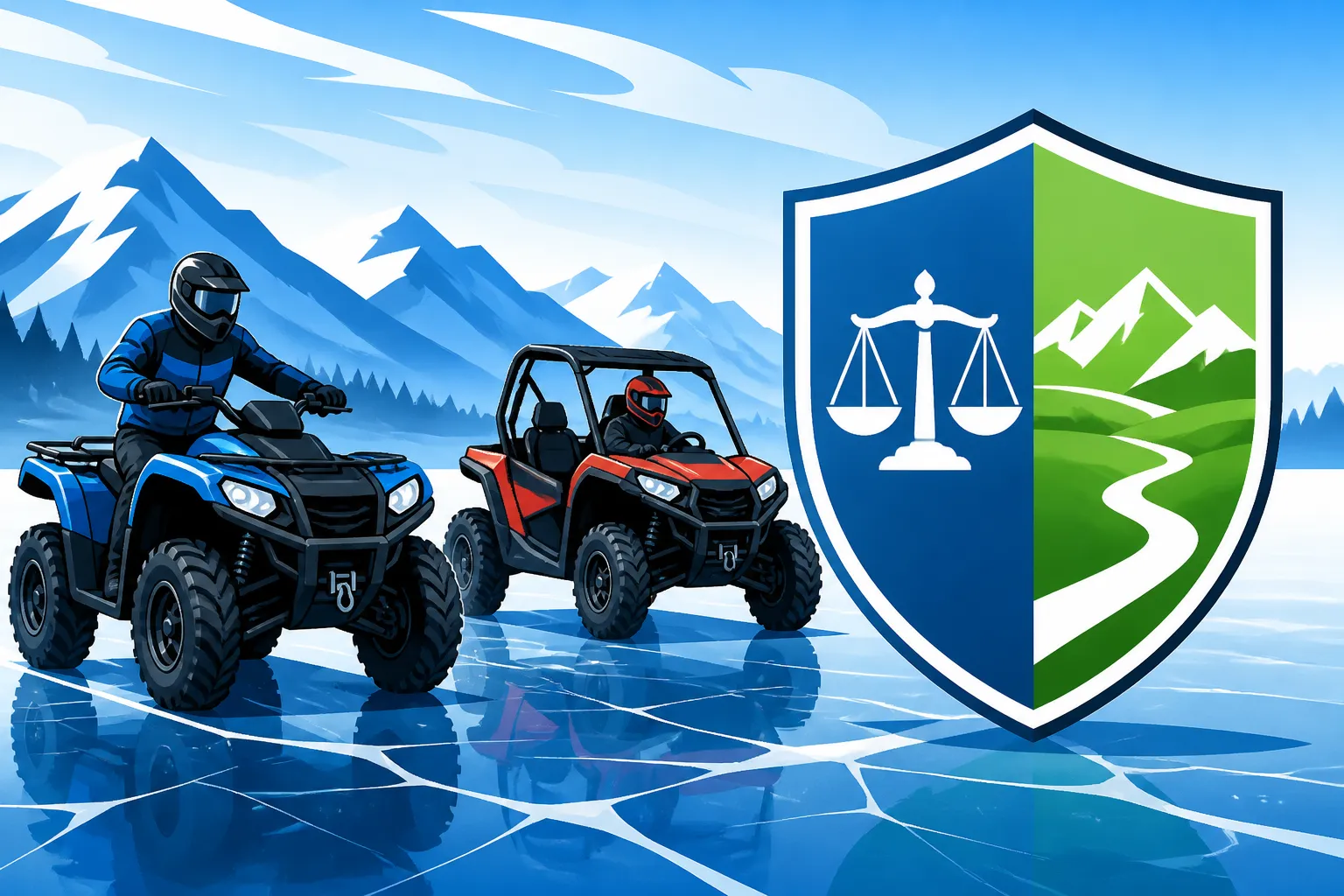
Riding your ATV or UTV across a vast, frozen lake or down a snow-covered river can feel like the ultimate freedom, a truly exhilarating winter experience that many Albertans dream of. But before you open up the throttle and hit that pristine white expanse, it's absolutely crucial to understand the legal landscape and, more importantly, the inherent dangers. Many riders find themselves asking whether ice riding is even permitted, or if their machine is properly equipped for such an adventure, often leading to confusion and uncertainty about what's allowed and what's just plain reckless. This guide will walk you through the regulations, safety considerations, and best practices for navigating Alberta's frozen waterways safely and legally with your off-highway vehicle.
The Cold, Hard Truth About Ice Riding in Alberta
Alberta’s winters offer some incredible opportunities for outdoor enthusiasts, and for many OHV owners, the thought of cruising across a frozen lake or river is incredibly appealing. However, unlike designated trails or public land use zones, there aren't specific, easy-to-find laws directly addressing "ice riding" for ATVs and UTVs. This often leaves riders in a perplexing grey area, wondering if their actions are legal or if they're unknowingly breaking rules. The reality is, while the province doesn't have a specific "no ice riding" law, general off-highway vehicle regulations and critical safety principles still apply, and in many cases, become even more stringent.
Is Ice Considered Public Land for OHVs?
This is a fundamental question that often trips up riders. In Alberta, most natural ice surfaces – like frozen lakes and rivers – fall under the umbrella of Crown land, or public land. This means that if you're riding on these frozen waterways, you are, by definition, operating your off-highway vehicle on public land. This distinction is vital because it immediately brings into play all the provincial regulations governing OHV use on such lands. It’s not simply a free-for-all just because it's a wide-open, frozen expanse.
Therefore, every requirement for operating your machine on a typical public land trail, such as those found in a Public Land Use Zone, is equally applicable when you’re out on the ice. This includes ensuring your machine is properly registered, having the necessary insurance, and adhering to all equipment standards. Ignoring this crucial detail can lead to fines and other legal repercussions, making that fun ride a lot less enjoyable. Remember, even though the surface is water, the rules of the land still apply.
The Lack of Specific "Ice Riding" Laws
It's true that you won't find a section in Alberta's Traffic Safety Act or the Off-Highway Vehicle Regulation 319/2002 specifically titled "Ice Riding Rules." This isn't an oversight, but rather an indication that general OHV laws are expected to cover all scenarios where an off-highway vehicle might be used on public land. The government typically doesn't create separate legislation for every conceivable surface or environment. Instead, they rely on the broad definitions of "off-highway vehicle" and "public land" to encompass such activities.
This lack of explicit ice riding laws means that common sense and extreme caution become your most important guides. While the law might not tell you exactly how thick the ice needs to be, it absolutely expects you to operate your machine safely and responsibly. Any incident, especially one involving injury or property damage, will be assessed under the general framework of safe OHV operation, and ignorance of specific ice conditions will not be an acceptable defense. This is where personal responsibility really comes to the forefront, as the onus is entirely on the rider to ensure safety.
Navigating the Legal Grey Areas and Existing Regulations
Since there aren't specific "ice riding" laws, understanding how general OHV regulations apply to frozen waterways is key. Many riders assume that because they're not on a dirt trail or gravel road, some rules might not apply. This is a dangerous misconception. Every time you start your engine on a frozen lake or river, you're expected to comply with the same provincial laws that govern any other public land use. This means a quick trip onto the ice can come with the same legal responsibilities as a long journey through a provincial park.
Registration, Insurance, and Equipment on Frozen Waterways
First things first: your OHV must be properly registered. Just because you're on ice doesn't exempt you from the need for valid registration. This means having your plate clearly displayed and your registration certificate handy. For more details on what's required, you can check out [What Alberta OHV Registration Costs]. Furthermore, [Alberta Requires Insurance on Public Land], and this requirement absolutely extends to frozen lakes and rivers. If an officer stops you on the ice and you can't produce proof of insurance on demand, you could face significant penalties. This isn't just about protecting your own machine; it's about protecting yourself from liability if something goes wrong.
Beyond registration and insurance, your machine needs to meet specific equipment standards. You might think lights are less important on a bright winter day, but [Alberta Requires Working Head and Tail Lights] at all times, especially if conditions change or you're out near dusk. A properly functioning spark arrestor is also mandatory, as [Alberta Requires a Spark Arrestor] to prevent accidental fires. While a fire on ice might seem unlikely, a spark can quickly ignite dry grass or debris along the shoreline, especially if conditions are windy. Make sure your exhaust system is stock and not modified, as loud pipes draw attention and can lead to tickets for [Alberta Bans Modified Exhausts]. All these rules are in place for safety and environmental protection, regardless of the surface you're riding on.
Here’s a quick overview of essential legal requirements for ice riding:
| Requirement | Details | Key Point |
|---|---|---|
| Registration | Valid, current registration and plate displayed. | Ice is public land; registration is mandatory. |
| Insurance | Minimum third-party liability insurance. | Carry proof of insurance; essential for liability. |
| Helmet | CSA, Snell, or ECE approved helmet for all riders. | [Alberta Helmet Law on Public Land] applies to ice. |
| Lights | Working head and tail lights. | Crucial for visibility, especially if weather changes. |
| Spark Arrestor | Factory-installed or approved aftermarket spark arrestor. | Prevents fires near shoreline or exposed areas. |
| Muffler | Stock or compliant aftermarket muffler; no modified exhausts. | Reduces noise pollution and complies with law. |
Road Crossing and Accessing Frozen Lakes or Rivers
Getting to a frozen lake or river often involves traversing roads, ditches, or other public property. This is another area where general OHV laws apply strictly. You cannot simply ride your ATV or UTV down a public road or highway ditch to reach the ice. Generally, OHVs are prohibited on provincial highways (which include the ditches) and most municipal roads, unless a specific bylaw permits it. Understanding [Alberta Rules for Riding a Ditch] is crucial before you even approach the ice.
In most cases, you’ll need to transport your machine to an approved staging area or a spot that provides legal access to the frozen waterway. This might involve trailering your machine right up to the shore or to a designated access point where OHV use is permitted. Always check local municipal bylaws for the specific area you plan to ride, as some communities might have unique regulations regarding access points or even specific prohibitions on OHVs on certain frozen bodies of water. Don't assume that just because others are doing it, it's legal or safe.
Beyond the Law: Essential Safety for Ice Riding
While adhering to Alberta's OHV laws is non-negotiable, when it comes to ice riding, safety extends far beyond legal compliance. The frozen environment presents unique and often unforgiving hazards that demand extreme caution, meticulous preparation, and a healthy respect for nature's power. Ignoring these safety aspects, even if you’re legally compliant, can have catastrophic consequences. Think of it this way: the law tells you what you can do, but your judgment tells you if you should.
Assessing Ice Thickness and Conditions
This is, without a doubt, the single most critical factor for safe ice riding. Ice thickness is rarely uniform and can change dramatically across a single body of water, even over short distances. Currents, springs, pressure cracks, and submerged objects can all create thin spots that are impossible to see from the surface. What looks solid in one spot might be dangerously weak just a few feet away. Relying on visual cues alone is a recipe for disaster. Never assume the ice is safe just because others are on it or because it's been cold for a while.
You must test the ice thickness yourself, ideally with an auger, spud bar, or an ice chisel, as you slowly venture out. A general guideline, not a guarantee, for safe OHV travel on new, clear ice is typically 8-12 inches (20-30 cm) for single ATVs and UTVs. However, this is highly variable, and it's always best to err on the side of extreme caution. Always carry ice picks, a throw rope, and know how to use them. Pay close attention to current warnings from local authorities, fishing groups, or provincial parks. If there’s any doubt, stay off. Remember that [Frozen Rivers and Alberta Riders] face even greater challenges due to varying currents and thinner ice near banks.
Here are some general ice thickness guidelines (use with extreme caution and never rely solely on these):
| Ice Type | Thickness (inches) | Activity |
|---|---|---|
| New, Clear | 4 | Ice fishing (foot traffic only) |
| 5 | Snowmobile, ATV (single rider) | |
| 8-12 | Car, light truck, Side-by-Side | |
| White/Snow | Double the above | Requires double thickness for safety |
| Slushy/Cracked | Avoid | Extremely dangerous, unstable |
Note: These are general guidelines only. Local conditions, temperature fluctuations, and water currents can significantly affect ice stability.
Machine Preparation for Cold and Ice
Your ATV or UTV needs to be just as ready for winter conditions as you are. Cold weather can be tough on machinery. Ensure your battery is in top condition and consider a block heater or battery tender if your machine sits in the cold. Check all fluids – engine oil, coolant, and brake fluid – to ensure they are at appropriate levels and suitable for freezing temperatures. Antifreeze is critical to prevent engine damage.
Tire pressure is also vital. Lowering your tire pressure slightly can increase your tire's footprint, providing better traction on snowy or icy surfaces, but be careful not to go too low, as this can de-bead a tire. Consider adding tire chains for extreme traction needs, or even specialized studded tires for optimal grip on pure ice. Make sure your winch is in good working order, with a clear, unfrozen line, as a self-rescue might be necessary if you get stuck in deep snow or break through thin ice. Brands like SuperATV offer a range of winches and other cold-weather accessories that can significantly enhance your machine's capability and safety in these conditions. Don't forget to pack a shovel and a tow strap – getting stuck in snow or ice is common, and you'll be glad you have the tools to get yourself out.
Personal Safety Gear and Emergency Preparedness
Your personal safety gear needs to be top-notch. Beyond the mandatory CSA-approved helmet – which is legally required on public land, including ice, as per [Alberta Helmet Law on Public Land] – you'll need warm, waterproof, and windproof clothing. Layering is key, allowing you to adjust to changing activity levels and temperatures. Frostbite can set in quickly in Alberta's harsh winter conditions. Invest in insulated gloves or mitts, warm boots, and a good balaclava or neck warmer.
Always carry a fully charged cell phone, but don't rely solely on it, as service can be spotty in remote areas. A satellite messenger or personal locator beacon (PLB) is a wise investment for backcountry ice travel. Pack a comprehensive first-aid kit, emergency blankets, fire-starting materials, extra high-energy food, and plenty of water (in an insulated container to prevent freezing). Tell someone your riding plan, including your route and estimated return time. If you’re riding in a group, ensure everyone knows what to do in an emergency and that someone has a survival kit. This level of preparedness is not overkill; it's basic common sense for safe winter OHV adventures.
Avoiding Common Pitfalls and Riding Responsibly
Riding an OHV on frozen waterways is an adventure, but it comes with significant responsibilities, not just to your own safety, but to the environment and other users of the land. Being aware of common mistakes and adopting responsible riding habits can make all the difference between a memorable day and a regrettable incident. Remember, your actions reflect on the entire OHV community.
Environmental Considerations and Respecting Others
When riding on ice, it’s easy to feel like you’re in a vast, empty expanse, but you're not alone. Ice fishing huts, cross-country skiers, and even pedestrians might be sharing the frozen surface. Always be aware of your surroundings and give ample space to others. Noise travels further across flat, open ice, so be mindful of your exhaust noise, ensuring your muffler is legal and quiet, as discussed in [Alberta Bans Modified Exhausts].
Beyond other people, there’s the environment to consider. Avoid disturbing wildlife, especially in winter when animals are already under stress. Stick to established access points and avoid riding in sensitive shoreline areas where vegetation could be damaged, or animal habitats are present. Any spills, from fuel to oil, can have serious environmental consequences and are your responsibility to contain and report. Even small actions, like packing out all your trash, contribute to keeping these beautiful winter playgrounds pristine for everyone. Remember, many of the same rules for [Alberta Rules for Riding Crown Land] apply here, which emphasize respect for the land and other users.
Knowing When to Stay Home
Perhaps the most crucial aspect of responsible ice riding is knowing when not to go. No matter how much you want to get out, if conditions are questionable, it’s simply not worth the risk. Factors like sudden temperature changes, heavy snowfall obscuring hazards, or strong winds creating whiteout conditions are clear indicators to postpone your trip. If you arrive at your intended riding spot and the ice looks suspicious – if there’s open water, slush, or visible cracks – turn around. If you don't have the right safety gear, like ice picks or a throw rope, stay home.
It’s also important to be honest with yourself about your riding skills and experience in extreme cold or on icy surfaces. If you’re a beginner, a frozen lake is not the place to learn. Start with safer, less demanding environments. Even experienced riders should consider sticking to well-known areas or going with a knowledgeable group when trying new frozen terrain. There's no shame in postponing a ride for safety; the ice will always be there, and your safety is paramount. Staying informed about local weather forecasts and ice conditions, especially from reliable sources like government agencies or local ice fishing groups, is a fundamental part of making smart decisions. SuperATV, for instance, offers robust UTV accessories like full enclosures and heaters, which can certainly make winter riding more comfortable and safer, but even the best gear can't mitigate truly dangerous ice conditions.
Ultimately, Alberta's frozen landscapes offer unique and memorable OHV experiences. But enjoying them safely and legally demands more than just a powerful machine. It requires diligence, respect for the environment and others, and an unwavering commitment to personal safety. Be prepared, be smart, and always err on the side of caution.
Disclaimer
This article is for general informational purposes only and does not constitute professional advice. Laws, prices and regulations vary by location and change over time. Consult a qualified professional for guidance on your specific situation.