Why Your Camping Pass Runs a Year From Purchase
An Alberta public lands camping pass can be easy to mistake for a calendar-year permit. That misunderstanding can leave you with an expired pass partway through a trip. The important point is that an annual pass is tied to when you buy it, not to the start of a camping season. Here’s how to plan around its validity and avoid confusing it with other passes or registrations.
What “a year from purchase” means
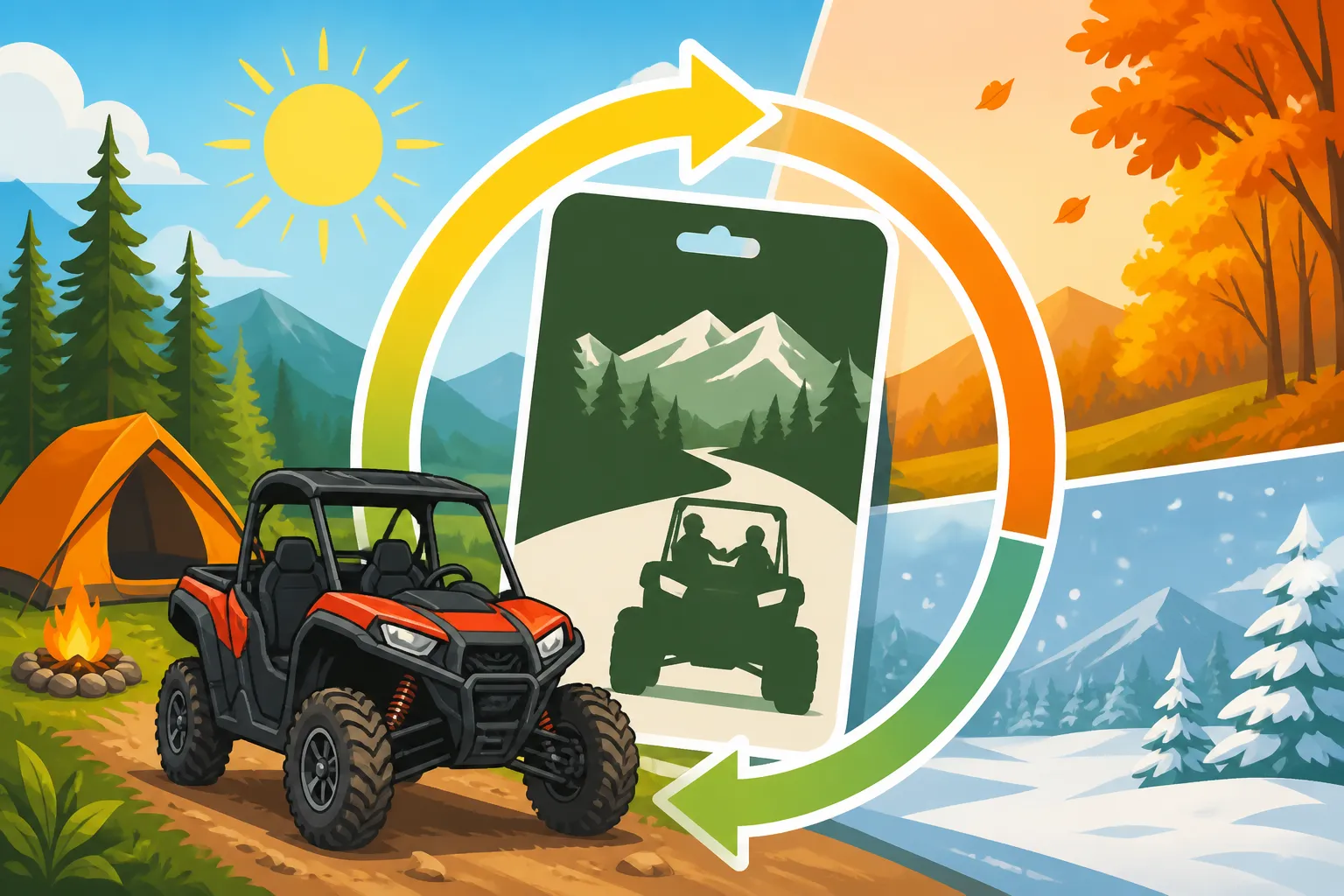
An annual Alberta Public Lands Camping Pass is based on its purchase date, rather than a January-to-December calendar year or a fixed summer season. In other words, buying one later in the year does not make it expire at the end of that year. Its validity runs from the purchase date for a year, so the date you choose affects how long you can use it before renewing.
That can be useful if you camp at different times of year. Someone who buys a pass in the fall can use it for eligible camping into the following year, rather than needing a new pass just because the calendar changed. But the reverse is also true: a pass bought well before an intended trip may have less time left when that trip arrives.
The word “annual” can be misleading if you assume all passes follow the same schedule. Some permits or access passes are tied to a calendar year, a season, a specific reservation, or a particular location. Don’t rely on the word alone. Check the pass confirmation or your account record for the actual validity and expiry information.
A year-from-purchase expiry also makes a difference when you have more than one adult in your group. If each adult needs their own pass for the camping area you plan to use, their passes may have different purchase and expiry dates. Keep track of each one rather than assuming that everyone’s pass will expire at the same time. For more on who needs one, see Alberta Passes Needed by Everyone 18 and Older.
The annual camping pass is part of Alberta’s public lands camping system. It is not an all-purpose permit for every campground or every kind of outdoor access. Before setting out, confirm that the location requires this pass and that yours will still be valid for the dates you plan to camp. The overview in Alberta’s Public Lands Camping Pass can help clarify what the pass is for.
| Question | Practical answer |
|---|---|
| Does the annual pass follow the calendar year? | No. Its validity is tied to its purchase date. |
| Should I check the expiry before a trip? | Yes. Check the pass record for the validity dates. |
| Is it an OHV trail permit? | No. It is a camping pass, not vehicle registration or a general trail permit. |
| Does every camping location require it? | No. Requirements depend on the location and type of camping. |
| Can another pass cover a different area? | Yes. Some areas have separate access or conservation-pass rules. |
What the camping pass does and does not cover
The first step is to distinguish a public lands camping pass from permissions and requirements that apply to the machine you ride. A camping pass relates to camping in areas where the public lands pass system applies. It does not register an ATV or side-by-side, provide insurance, or make an otherwise prohibited route legal.
If you are taking an OHV, check the riding requirements separately. Alberta does not have a general mandatory OHV trail pass that replaces registration and insurance requirements. The camping pass is not that missing trail permit. Alberta Has No OHV Trail Pass explains the difference, while Alberta Insurance Requirements on Public Land covers a separate requirement that riders should confirm before heading out.
A pass also does not give you permission to ride wherever you can camp. Trail access, seasonal closures, land-use rules, and local restrictions still matter. A route shown on an old map may be closed or limited, and a camping pass does not override those rules. Check current information for the specific zone and route before travelling.
Nor should you assume the public lands camping pass applies to every developed campground. A campground may have its own reservation, fee, or operating rules. A separate conservation pass may be relevant in a different area; for example, Kananaskis has distinct pass rules. See Alberta Kananaskis Conservation Pass Rules rather than treating the public lands camping pass as a substitute.
The pass requirement is also different from vehicle registration reciprocity. Visitors bringing an out-of-province machine may need to consider registration and insurance rules, while camping-pass requirements depend on where they camp. Those are separate checks, even if they come up on the same trip. If you’re bringing a machine from outside Alberta, review Alberta Reciprocity for Visiting Riders as well as the camping-pass rules.
A useful way to think about the trip is as a set of separate permissions and documents:
- Camping pass: Is a pass required for this camping location, and is it valid for the trip dates?
- Camping permission: Is camping allowed at the chosen site, and are there limits or restrictions?
- OHV registration: Is the machine properly registered for the riding you plan to do?
- Insurance: Do you have the required coverage and proof for public-land riding?
- Route access: Are the trails or roads open to your type of machine at the time of travel?
Passing one check does not automatically satisfy the others. A valid camping pass does not make a closed trail accessible, and a registered machine does not make every campsite available.
When to buy, and how to avoid an expiry problem
Because the pass runs from its purchase date, timing the purchase around a real trip can help you use its validity efficiently. If you expect to camp soon, buying well ahead of the trip may still be sensible if you need time to get set up or travel plans are firm. But if you are buying only to prepare for a trip far in the future, check how much validity will remain when you arrive.
Before you pay, confirm the pass type, the location where you expect to use it, and the expiry information provided by the sales system. Alberta’s pass system is associated with a Wildlife Identification Number, often called a WIN. If you need to create or locate that account information first, Why You Need a Wildlife Identification Number First may help.
After purchase, keep the confirmation where you can retrieve it. A screenshot or saved receipt can be useful when your phone has poor reception, but do not assume the screenshot itself proves that a pass remains valid if its expiry date has passed. If the system provides a digital record, make sure you know how to access it offline or from your account.
A simple pre-trip check can prevent an unpleasant surprise:
- Find the pass record. Open the purchase confirmation or account where the pass is stored.
- Check the validity dates. Confirm that it covers every day you expect to camp.
- Check each adult’s record. Don’t assume that one purchase covers everyone in a group.
- Confirm the location is covered. Make sure the pass applies to the land where you plan to camp.
- Check current site rules. Look for closures, fire restrictions, camping limits, and route notices.
- Set a renewal reminder. Add a reminder based on the printed or digital expiry date, not on the calendar year.
If you are close to expiry, do not assume that a pass remains valid through the end of a trip just because you bought it during the same year. Check the actual end date and any time information shown in the official record. If the information is unclear, confirm it through the official sales system before you leave.
Choosing between pass options
A shorter-duration option may be a better fit for a single camping trip, while an annual pass can make sense for someone who expects to return to eligible public lands. Which option is practical depends on how often you camp, the locations you use, and the current terms for each option. Compare them before purchasing in Alberta Three-Day Pass vs Annual Pass.
If your plans change, check the system’s current rules rather than counting on a refund, transfer, or extension. Those details can depend on the pass type and current program terms. Likewise, if you have bought an annual pass before, don’t assume every renewal or account detail works exactly as it did last time. Renewing an Annual Public Lands Camping Pass covers the renewal process, and Alberta Camping Pass Expiry focuses on checking when a pass ends.
A reminder set for a few weeks before expiry is more reliable than trying to remember the purchase date. If you buy passes for several adults, note each expiry separately. A shared trip calendar can include each person’s pass validity, along with campsite arrangements and any OHV paperwork. That small bit of organization is particularly helpful when a group takes more than one trip during the year.
A practical check before you head out
The most common mistake is treating “annual” as if it means “valid for the current calendar year.” Instead, use the date shown in the pass record. Another frequent mix-up is treating the camping pass as a general access permit that covers riding, camping, and every public land site. It does not. Confirm each requirement on its own.
A few minutes of preparation can make the pass easier to manage:
- Save the purchase confirmation and record the expiry date.
- Check whether each adult in the camping party needs a separate pass.
- Confirm that the planned camping area is covered by the pass.
- Check for current closures, fire restrictions, and site-specific conditions.
- Keep OHV registration and insurance documents separate and current.
- Verify that the trail or road you intend to ride is open to your machine.
- Renew or buy another pass only after checking the current options and terms.
If you return to the same area over the year, an annual pass may be convenient because its validity is not cut off by the end of a calendar year. If you only have one short trip planned, compare the shorter option with the annual one instead of assuming the annual pass is automatically the best choice. The practical test is how the validity dates line up with your actual plans.
Above all, use the purchase record as the source for your pass dates. A year from purchase is easy to plan around once you know the exact expiry, but it is not a reason to skip checking location rules or other travel requirements. Confirm the pass, the place, and the riding paperwork separately, and you are much less likely to find a preventable problem at the trailhead or campsite.
Disclaimer
This article is for general informational purposes only and does not constitute professional advice. Laws, prices and regulations vary by location and change over time. Consult a qualified professional for guidance on your specific situation.