What Alberta OHV Registration Costs
Trying to figure out exactly what it costs to register your Off-Highway Vehicle (OHV) in Alberta can feel like trying to hit a moving target. You're ready to hit the trails or get some work done on your acreage, but the paperwork and fees can be a real head-scratcher. This guide is here to untangle the financial side of OHV registration in Alberta, helping you understand every potential cost involved so you can budget accurately and ride with peace of mind.
The Basics of Alberta OHV Registration Costs
When you first dive into the world of OHV ownership in Alberta, one of the primary things you'll encounter is the registration process. It's a mandatory step for anyone planning to ride on public land, and it comes with a few distinct costs that are important to understand. These aren't just arbitrary numbers; they cover the administrative work to get your machine legal and identifiable.
Understanding the Core Registration Fee
At the heart of the matter is the core registration fee set by the Alberta government. This is the fundamental charge for entering your OHV's details into the provincial database and receiving your official documentation. Think of it as the price for being "on the books." This fee is typically a fixed amount, designed to cover the state's administrative overhead for managing the OHV registry.
It usually doesn't matter if you're registering a brand-new quad, a trusty old dirt bike, or a spacious side-by-side; the base government portion of the fee often remains consistent across different machine types. This fee ensures that Alberta maintains an accurate record of OHV ownership, which is crucial for law enforcement, accident reporting, and even for managing public land access. This fee ensures you receive your unique license plate and your official certificate of registration, both of which are critical for legal operation.
Registry Agent Service Charges
While the core registration fee is a government charge, most people don't interact directly with the government to register their OHVs. Instead, they visit a private registry agent. These agents are authorized by the province to provide a wide range of services, including vehicle and OHV registration, driver's licensing, and corporate registry services. For their convenience and the service they provide, these agents charge their own service fee on top of the government's base registration fee.
This service charge isn't regulated down to the last penny by the government, meaning there can be slight variations from one registry agent to another. However, these differences are usually minimal, often just a few dollars. It's important to remember that this is a separate transaction fee for the agent's time and resources, not an extra government tax. It covers their staff costs, office overhead, and the technological infrastructure required to process your paperwork efficiently. Many riders appreciate the personalized service, convenient locations, and extended hours that many registry agents offer, making the small service charge a worthwhile trade-off for a smooth experience. It's always a good idea to factor in both the government fee and the agent's service charge when budgeting for your OHV registration.
The Difference Between One-Year and Two-Year Registrations
Alberta offers a choice that can impact your upfront registration cost: you can opt for either a one-year or a two-year registration term for your OHV. This choice directly influences how much you pay at the time of registration and when you'll next need to renew. While a one-year registration requires you to renew annually, a two-year option means you only have to go through the process every other year.
Naturally, choosing a two-year registration will mean a higher cost initially, as you're paying for two years' worth of the core registration fee and the registry agent's service charges all at once. For some, this lump sum might feel like a larger hit, but for many, the convenience of not having to think about renewal for an extra year is well worth it. It essentially locks in your registration for double the time, saving you a trip to the registry or an online renewal process twelve months down the line. It's a personal preference that balances immediate financial outlay with future convenience. Before deciding, consider your long-term plans for the OHV and how frequently you prefer to handle administrative tasks. You can often find a detailed breakdown of the fees for both options on your registry agent's website or by calling them directly. [Registering Your OHV for One Year or Two] provides more details on this choice.
Initial Registration Costs for New Purchases
Buying a new or used OHV is exciting, but the journey from dealership or private seller to legal trail riding involves more than just the sticker price. Several costs are associated with the initial registration, and they can vary significantly depending on whether you're buying from a dealer or a private individual. Understanding these different components will help you avoid any surprises and ensure your machine is ready to ride without delay.
Dealer Sales and Associated Fees
When you purchase a brand-new OHV from a dealership, the registration process often feels smoother because the dealer typically handles a significant portion of the paperwork. However, this convenience often comes with additional costs beyond just the OHV's price and the basic registration fees. Dealers are businesses, and they have their own operational expenses and services they provide, which are reflected in the final price.
You might encounter charges such as "documentation fees," "administration fees," or "PDI" (Pre-Delivery Inspection) charges. Documentation fees cover the cost of preparing all the necessary sales and registration paperwork, while PDI covers the assembly, fluids, and inspection of the machine before you take it home. While some of these fees can feel a bit like an add-on, it’s worth asking your dealer for a full breakdown of all charges before you finalize the purchase. On top of the machine's price and these dealer-specific fees, you'll also pay Goods and Services Tax (GST) on the purchase. Alberta does not have a provincial sales tax, which is a nice break, but the federal GST still applies to the full purchase price of the OHV, adding another layer to the overall cost. [Alberta GST on an ATV Purchase] explains this further. Always get a clear, itemized quote so you know exactly what you're paying for. [Alberta Dealer Fees to Expect] can offer more insights into what these charges typically cover.
Private Sales and Your Out-of-Pocket Costs
Purchasing an OHV through a private sale can often be more budget-friendly than buying from a dealer, as you avoid some of those additional dealer fees. However, the onus is entirely on you to handle the registration process and ensure all the paperwork is in order. Your primary costs will include the government's core registration fee and the registry agent's service charge. You’ll pay these when you visit a registry office to transfer the ownership and register the machine in your name.
Crucially, in a private sale, a proper bill of sale is your best friend. This document is vital for proving ownership and facilitating the transfer of registration. It should clearly state the buyer and seller's names, the OHV's VIN (Vehicle Identification Number), make, model, year, and the purchase price. While a handwritten bill of sale can sometimes be acceptable, using a professional template ensures all necessary details are captured and helps avoid issues at the registry. Resources like LawDepot offer customizable bill of sale templates that can simplify this process and give you peace of mind that you haven't missed any critical information. This ensures a smooth transfer and proper registration. [Buying From a Private Seller in Alberta] is an excellent resource for navigating this process, and [Alberta Private Sale Paperwork] can help you gather everything you need.
Registering a Used Machine Without a Bill of Sale or VIN Issues
Sometimes, you might acquire a used OHV under less-than-ideal circumstances when it comes to paperwork. Perhaps a family friend gives you an old quad, or you find a great deal on a machine that doesn't come with a clear bill of sale. Registering an OHV without a proper bill of sale or with VIN (Vehicle Identification Number) issues can be significantly more complicated and, in some cases, might involve additional costs or extra steps. Registry agents are required to verify ownership, and without a clear paper trail, proving that you are the rightful owner becomes a challenge.
In such situations, you might be asked to provide a statutory declaration of ownership, which is a legal document sworn before a commissioner for oaths. This process can incur a small fee for the commissioner's service. If the VIN is unreadable, missing, or appears tampered with, you could face delays, require a VIN inspection, or even be unable to register the machine at all until the issue is resolved. These scenarios highlight the importance of careful due diligence before purchasing any OHV. Always verify the VIN and insist on a comprehensive bill of sale, even if it's a simple one, to save yourself potential headaches and unexpected expenses down the line. [Alberta ATV Registration Without a Bill of Sale] and [Alberta Registration When the VIN Is Gone] offer crucial advice for these tricky situations.
Renewal Costs and Expiry Considerations
Owning an OHV in Alberta isn't a one-and-done registration affair; it requires ongoing attention to renewals. Just like your driver's license or car registration, your OHV's registration has an expiry date. Understanding the costs associated with renewing, and the implications of letting that registration lapse, is key to being a responsible and legal rider.
Understanding Your Annual or Biennial Renewal Notice
As your OHV registration approaches its expiry date, you'll typically receive a renewal notice, often via mail or email, depending on how you've set up your preferences with the registry. This notice serves as a helpful reminder that it's time to re-up your registration for another one or two years. The costs for renewal are consistent with what you paid initially: the government's core registration fee, plus the registry agent's service charge.
Whether you choose to renew for one year or two, these fixed costs will apply accordingly. The beauty of Alberta's system is that the fee structure is transparent. There aren't usually hidden fees that suddenly appear at renewal time. You can choose to renew your registration either online through a participating registry agent's website or in person at any registry office. While the method of renewal might offer different levels of convenience—online renewals can often be done from the comfort of your home at any hour—the actual dollar amount you pay for the government portion and the agent service charge remains the same. Keeping an eye on your expiry date, which is printed on your registration certificate, is crucial. [When an Alberta OHV Registration Expires] can help you understand the timeframe better, and [Alberta Online Renewal Hours] provides details on digital access.
Penalties for Late Renewal
It's easy to let things slip, especially with busy schedules, and sometimes an OHV registration renewal can fall through the cracks. While there isn't typically an additional specific late fee charged for the renewal itself, allowing your OHV registration to lapse carries much more significant consequences: the penalties for operating an unregistered OHV. The moment your registration expires, if you choose to ride your machine on public land, you are in violation of Alberta's Traffic Safety Act.
Police or Fish and Wildlife officers can issue tickets for operating an unregistered OHV, and these fines can be substantial. Beyond the financial hit, there's also the inconvenience and stress of dealing with a citation. In more severe cases, or if you're found operating an unregistered OHV in conjunction with other infractions, your machine could potentially be impounded. The cost of retrieving an impounded vehicle, including towing and storage fees, can quickly dwarf the cost of a simple registration renewal. Therefore, while you might not face a "late fee" for renewing, the potential penalties for riding unregistered are a powerful incentive to keep your paperwork current. It's always cheaper and less stressful to renew on time. [Alberta Penalties for Riding Unregistered] offers a detailed look at the consequences.
Online Renewal Convenience vs. In-Person Service Costs
When it comes to renewing your OHV registration, Alberta provides a choice between the modern convenience of online renewal and the traditional approach of visiting a registry agent in person. Both methods will get your registration updated, and importantly, the core costs – the government registration fee and the registry agent's service charge – generally remain the same regardless of which route you take. The real difference lies in the experience and any associated indirect costs or benefits.
Online renewal offers unparalleled flexibility. You can complete the process from your home, often outside of regular business hours, which is a huge plus for those with busy schedules. You simply visit a registry agent's website that offers online services, input your information, pay with a credit card, and usually receive a temporary digital certificate immediately, with the official hard copy mailed to you. This saves travel time, gas, and the potential wait in a queue. In-person renewal, however, allows for immediate assistance if you have questions, and you walk out with your printed registration certificate and, if applicable, your new plate (though Alberta dropped plate stickers in 2021). While the direct costs are comparable, the time saved and the hassle avoided often make online renewal the preferred method for many. Just ensure you print your digital certificate to carry with you until the hard copy arrives, as officers will expect to see proof of valid registration. [Alberta ATV Registration Renewal Online] can guide you through the digital process.
Other Potential Costs Related to OHV Ownership
While the registration fee is a critical part of making your OHV legal, it's far from the only financial consideration for a responsible owner in Alberta. There are other mandatory or highly recommended expenses that, when added together, contribute significantly to the overall cost of owning and operating an OHV. Ignoring these can lead to serious legal trouble or unexpected financial burdens down the line.
Mandatory Insurance and Its Impact on Total Cost
Beyond registration, one of the most significant recurring costs for OHV owners in Alberta is mandatory insurance, particularly if you plan to ride on any public land. The province requires all OHVs operating on public land to have valid liability insurance. This isn't just a suggestion; it's a legal requirement designed to protect you and others in case of an accident. Without it, you could face hefty fines, and in severe situations, even have your OHV seized. [Alberta Requires Insurance on Public Land] and [Alberta Insurance Requirements on Public Land] lay out these rules clearly.
The cost of this insurance can vary widely, much like car insurance. Factors that influence your premium include the type of machine you own (quad, side-by-side, dirt bike, snowmobile), its value, your riding history, your age, where you live, and the type and amount of coverage you choose. Basic liability coverage is the minimum required, but many riders opt for additional coverage like collision, comprehensive, or specific endorsements for accessories. These extras provide greater peace of mind but will increase your annual premium. It's crucial to shop around for insurance quotes to find the best rate that meets both your legal obligations and personal needs, as this annual expense can be a substantial part of your OHV budget.
Public Lands Camping Pass and WIN Card
If your OHV adventures take you into Alberta's beautiful Eastern Slopes or other designated Public Land Use Zones (PLUZs), you'll likely encounter two more expenses that, while not directly tied to OHV registration, are mandatory for certain activities: the Public Lands Camping Pass and the Wildlife Identification Number (WIN) Card. These are separate from your OHV registration but are crucial for legal access and activities in many of Alberta's most popular riding areas.
The Public Lands Camping Pass is required for random camping on public land within the Kananaskis region and the Eastern Slopes. If your OHV trip involves overnight stays in these areas, every adult (18 years and older) in your group will need to purchase one. It's available as a 3-day or annual pass. The WIN Card, on the other hand, is a one-time purchase (though it has an expiry and needs renewal every five years) that serves as your identification for purchasing various licenses and permits in Alberta, including the Public Lands Camping Pass itself, as well as hunting and fishing licenses. Both are relatively modest fees compared to the overall cost of an OHV, but they are essential for legal recreation in many areas. It's easy to overlook these if you're focused solely on OHV registration, but they are absolutely necessary for enjoying Alberta's backcountry responsibly. [Alberta Public Lands Camping Pass Rules] and [Alberta's WIN Card Explained] delve deeper into these requirements, and [Alberta Camping Pass Cost] outlines the fees.
Plate Replacement and Related Charges
Even after your OHV is registered and plated, there's a potential cost lurking in the shadows: plate replacement. OHV license plates are relatively small and often mounted in exposed locations, making them susceptible to being lost on rugged trails, damaged in minor incidents, or even stolen. If you find yourself with a missing, unreadable, or severely damaged plate, you'll need to obtain a replacement.
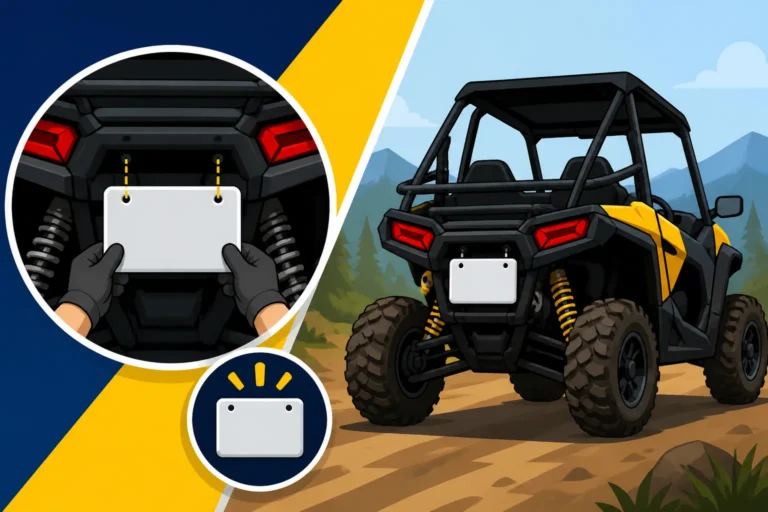
The process for replacing an OHV plate is straightforward but does involve a cost. You'll need to visit a registry agent, report the issue (and possibly provide a police report if it was stolen), and pay a fee for the new plate. This fee covers the manufacturing of the new plate and the agent's service charge for processing the request. While it's not a major expense, it's an unforeseen cost that can be frustrating, especially if it happens mid-season. To minimize the chances of needing a replacement, consider how and where you mount your plate. Ensuring it's securely fastened and, if possible, somewhat protected from impacts, can save you a future trip to the registry and an unexpected bill. [Alberta Plate Replacement If Lost] provides guidance on what to do in this situation, and [Mounting an OHV Plate So It Stays Readable] offers tips to keep it secure.
Exemptions and Special Circumstances That Affect Costs
While the general rule in Alberta is that OHVs need to be registered to operate on public land, there are specific situations and categories of machines that may be exempt from this requirement. Understanding these exemptions can save you money and confusion, ensuring you're compliant without incurring unnecessary costs or going through processes that don't apply to you.
Farm and Ranch Exemptions
For many Albertans, an OHV isn't just a recreational toy; it's a vital piece of equipment for daily farm or ranch operations. Recognizing this, Alberta's regulations include specific exemptions for OHVs used primarily for farming or ranching purposes. If your OHV is exclusively used for agricultural work on land you own, lease, or occupy, it may not need to be registered. This means saving on both the initial registration fee and subsequent renewal costs.
However, it's crucial to understand the limitations of this exemption. The OHV must be directly related to agricultural operations, and its use outside of that context can negate the exemption. If that farm quad ever leaves your private property and ventures onto public land—even just to cross a road allowance or ride a ditch to access another part of your land—it typically does need to be registered. The exemption applies specifically to operations on the farm. This distinction is incredibly important for farmers and ranchers to understand to avoid unintended fines. [Alberta's Farm Exemption From Registration] provides comprehensive details, and [Does a Farm Quad That Never Leaves Need Registration?] can help clarify specific scenarios.
Visiting Riders and Out-of-Province Machines
Alberta is a popular destination for OHV enthusiasts, attracting riders from neighbouring provinces and even from the United States. For visitors, the rules regarding registration can sometimes be a little confusing, especially concerning how long their out-of-province registration remains valid. Fortunately, Alberta has provisions that typically allow visiting riders to operate their OHVs on their home province or state's registration for a certain period, thus avoiding the immediate need to register in Alberta.
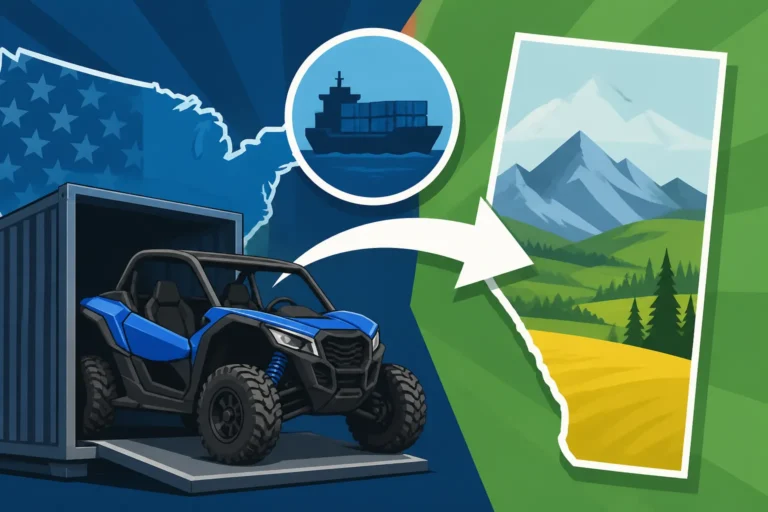
The general rule is often referred to as the "30-day rule." An OHV with valid registration from another jurisdiction can typically be operated in Alberta for up to 30 consecutive days without requiring an Alberta registration. This means that for a typical vacation or short-term visit, you won't need to incur the cost of Alberta registration. However, if your stay extends beyond that 30-day window, or if you become a resident of Alberta, then you would be required to register your OHV in the province. It's always wise for visitors to carry proof of their home registration and, ideally, proof of their short-term residency to avoid any misunderstandings with law enforcement. [Alberta's 30-Day Rule for Out-of-Province Machines] and [Alberta Registration for Visiting Riders] offer essential information for those coming from outside Alberta.
Military and Collector Vehicle Exemptions
Beyond farm and ranch machines, there are a few other, more niche exemptions from OHV registration in Alberta, which are important for specific groups to be aware of. Two examples include certain military vehicles and potentially collector vehicles, though the latter often has very specific criteria. These exemptions mean that the owners of such machines avoid the typical registration fees and processes.
Military vehicles, when operated by members of the Canadian Armed Forces as part of their official duties, are generally exempt from provincial registration requirements. This is due to their operational nature and the federal jurisdiction under which they operate. For collector vehicles, the situation is a bit more nuanced. While there isn't a broad "OHV collector" exemption like there might be for classic cars, specific legislative wording can sometimes apply to very old or unique machines that are not primarily used for regular recreational purposes. The key for any exemption is that the vehicle must meet very strict criteria as defined in the Traffic Safety Act and its associated regulations. If you believe your OHV falls into one of these unique categories, it's always best to consult directly with a registry agent or review the specific sections of the provincial legislation to confirm your eligibility for exemption and ensure you remain compliant. [Alberta Military Vehicle Exemption] and [Why Military Machines Are Exempt From Registration] provide more details on these particular cases.
Budgeting for Your OHV Lifestyle in Alberta
Owning an OHV in Alberta is a fantastic way to explore the backcountry, tackle tough jobs, or simply enjoy some thrilling recreation. However, the initial purchase price and registration fees are just the tip of the iceberg when it comes to the full financial commitment. To truly enjoy your OHV without constant money worries, it's essential to understand and budget for the entire spectrum of ownership costs.
Beyond Registration: The True Cost of Ownership
While this guide focuses on registration costs, it’s vital to recognize that these are just a small piece of the total financial pie for an OHV owner. The true cost of an OHV lifestyle extends far beyond annual registration and insurance premiums. You'll need to budget for fuel, which can add up quickly, especially on long rides or if you have a machine with a larger engine. Regular maintenance is non-negotiable for safety and longevity; this includes oil changes, air filter cleaning, chain lubrication, tire replacements, and other wear-and-tear items. Breakdowns can also happen, leading to unexpected repair costs for parts and labour.
Then there's the gear: a good quality CSA-approved helmet is mandatory for public land riding in Alberta, and you might also want goggles, gloves, protective clothing, and riding boots. Accessories like winches, skid plates, or storage boxes can enhance your riding experience but come with their own price tags. If you plan to haul your OHV, you might need a trailer, which has its own maintenance and registration costs. Finally, if you travel to designated riding areas, you might incur costs for camping passes, staging area fees, or even club memberships that support trail development and maintenance. All these elements combined paint a more realistic picture of the ongoing financial commitment of OHV ownership.
Tips for Managing OHV-Related Expenses
Managing the costs associated with your OHV doesn't have to be overwhelming. With a bit of strategic planning and savvy choices, you can make your OHV lifestyle more affordable and sustainable. One simple tip related to registration is to consider opting for a two-year registration term if available. While the upfront cost is higher, it can save you a bit on agent fees over two years compared to two separate one-year renewals, and you only have to think about it half as often.
When it comes to insurance, don't just settle for the first quote. Shop around, compare different providers, and inquire about potential discounts for bundling policies or for rider training courses. Performing basic maintenance yourself, like oil changes and filter cleaning, can save significantly on labour costs. Investing in quality gear upfront can also be more cost-effective in the long run, as it tends to last longer and offer better protection. Being mindful of your fuel consumption, planning rides efficiently, and even joining local OHV clubs (which often offer discounts or group buying power) can all contribute to keeping your overall expenses in check. Creating a dedicated OHV budget to track these various expenses will give you a clearer picture of your spending and help you identify areas where you can save.
Where to Find Up-to-Date Information
The information regarding OHV registration costs and associated fees is subject to change. Governments review and update their fee structures, and registry agents may adjust their service charges periodically. Therefore, relying on outdated information can lead to budget discrepancies or, worse, compliance issues. It is absolutely crucial to always verify the most current figures directly from authoritative sources before you plan to register or renew your OHV.
The best places to find up-to-date information are the official websites of the Alberta government, specifically those pertaining to Transportation or Service Alberta, which oversee vehicle registration. Additionally, the websites of individual Alberta registry agents will list their current service fees, often providing a clear breakdown of the government portion versus their own charges. Don't hesitate to call your local registry agent directly; their staff are typically well-versed in the latest regulations and fees and can provide personalized guidance. By making it a habit to check these sources close to the time of your transaction, you can ensure that your budgeting is accurate and that you are fully prepared for the costs involved in maintaining a legal and enjoyable OHV experience in Alberta.
| Cost Component | Typical Scenario | Estimated Cost | Notes |
|---|---|---|---|
| Government Base Registration Fee | New registration, 1-year | Check Current Rates | This is the core provincial fee, usually consistent across OHV types. |
| Government Base Registration Fee | New registration, 2-year | Check Current Rates | This covers two years of the provincial fee. |
| Registry Agent Service Fee | Per transaction (new or renewal) | Varies by Agent | An additional fee charged by the private registry office for processing your paperwork. |
| Plate Replacement Fee | Lost, stolen, or damaged plate | Check Current Rates | Includes the cost of manufacturing a new plate plus an agent service fee. |
| Statutory Declaration (if needed) | No bill of sale | Varies | Fee for a commissioner for oaths if required to prove ownership. |
| Public Lands Camping Pass | 3-day (per adult) | Check Current Rates | Required for random camping in specific public land zones. |
| Public Lands Camping Pass | Annual (per adult) | Check Current Rates | Required for random camping in specific public land zones. |
| WIN Card | Initial purchase | Check Current Rates | Wildlife Identification Number; required for various passes and licenses. |
Disclaimer: All costs mentioned above are subject to change. Please consult an Alberta Registry Agent or official government websites for the most current and accurate fee information.
Disclaimer
This article is for general informational purposes only and does not constitute professional advice. Laws, prices and regulations vary by location and change over time. Consult a qualified professional for guidance on your specific situation.