How the Registration Exemption Works on a Métis Settlement
It can be incredibly confusing to sort through all the rules and regulations for riding your off-highway vehicle (OHV) in Alberta, especially when you encounter specific exemptions based on where you live or where you plan to ride. One common area of misunderstanding is how registration requirements apply on Métis Settlements. This guide will cut through the jargon and explain exactly how the OHV registration exemption works on a Métis Settlement, so you can ride with confidence and stay on the right side of the law.
Understanding OHV Registration in Alberta: The General Context
When you first get into the world of ATVs, side-by-sides, dirt bikes, or snowmobiles in Alberta, one of the first things you'll hear about is registration. It's a fundamental aspect of responsible OHV ownership here, but it's not always straightforward.
The Basics of Alberta's OHV Registration Requirements
Generally speaking, if you plan to ride your OHV on any public land in Alberta, you need to register it. This isn't just a suggestion; it's a legal requirement under the Traffic Safety Act. Public land includes everything from designated OHV trails in Public Land Use Zones (PLUZs) to forestry roads, highway ditches, and even many unpaved rural roads. The reason for this is pretty simple: registration provides identification for your machine. It helps law enforcement, search and rescue, and even other riders identify who owns a machine if it's involved in an incident, gets lost, or, heaven forbid, stolen. It also helps manage public land use and ensures that everyone is playing by the same set of rules. Think of it like a vehicle licence plate for your car; it's how your machine is recognized by the system. Without proper registration, you could face fines and other penalties, which no one wants on what should be a fun day out. You can find detailed information about [Alberta OHV Registration Cost] and [How to Register an ATV in Alberta] through registry agents.
Common Scenarios Where Registration Is Not Required
While the general rule is to register your OHV for public land use, there are indeed specific situations where registration isn't required. The most common and perhaps easiest to understand exemption is when you strictly ride on private land that you own. If your quad never leaves your own property, and you have no intention of taking it onto any public access roads, trails, or provincial lands, then you generally don't need to register it.
Another important exemption, though distinct from Métis Settlements, applies to certain farm and ranch operations. For instance, a farmer using their ATV exclusively for agricultural purposes on their own land, or between parcels of their own land, might qualify for an exemption. This is a recognition that these machines are tools for work, not primarily for recreation. You can learn more about [Alberta's Farm Exemption From Registration] and what it entails. The distinction here is crucial: these exemptions are tied to the type of land and how the machine is used. They are not universal get-out-of-registration-free cards. Understanding these common exemptions sets the stage for grasping the unique situation on Métis Settlements.
The Specifics of Métis Settlements and OHV Law
Métis Settlements in Alberta hold a unique place in the province's legal and land-use landscape. This uniqueness directly impacts how OHV regulations, including registration, apply within their boundaries.
What is a Métis Settlement in Alberta?
Alberta's Métis Settlements are quite distinct from other types of land, such as Crown land, privately owned land, or even First Nations reserves. They are a land base established specifically for the Métis people of Alberta, governed by the Métis Settlements Act. There are eight recognized Métis Settlements in Alberta, and they hold their land communally, meaning the land is owned by the settlement as a whole, rather than by individual members in fee simple. This communal ownership and self-governing status give Métis Settlements a unique jurisdiction over activities within their borders, often allowing for certain variations from provincial laws, or the application of unique bylaws. This is a significant factor in why OHV registration requirements might differ there compared to, say, riding in a provincial park or on a typical forestry trail. Understanding this foundational difference is key to understanding the registration exemption.
The Off-Highway Vehicle Regulation 319/2002 and Exemptions
The primary piece of legislation governing off-highway vehicles in Alberta is the Off-Highway Vehicle Regulation 319/2002. This regulation outlines almost everything from equipment requirements like helmets and spark arrestors to operational rules. While the regulation generally mandates registration for OHVs on public land, it also includes specific exemptions.
And here's where the Métis Settlement aspect comes in: the regulation explicitly provides an exemption from the registration requirement for certain OHVs operating within the boundaries of a Métis Settlement. This exemption is not an oversight; it's a deliberate recognition of the self-governing status and communal land ownership of these settlements. The spirit behind it is to allow Métis Settlement members to use their OHVs for various purposes – recreation, hunting, trapping, or daily travel – on their own communal lands without the administrative burden of provincial registration that applies to general public land. This specific exemption is why you might hear that machines ridden exclusively on a Métis Settlement don't need to be registered, even if they would on other public lands. It's a critical detail that often catches riders off guard if they're not familiar with the nuances of Alberta's OHV laws. [Off-Highway Vehicle Regulation 319/2002] details many aspects of OHV use.
How the Exemption Works in Practice
Knowing that an exemption exists is one thing, but understanding how it practically applies and its limitations is crucial for any rider.
Who Benefits from the Exemption?
The registration exemption for OHVs on Métis Settlements primarily benefits Métis Settlement members who are riding their machines on their own settlement land. This means if you are a member of a Métis Settlement and you own an ATV or side-by-side that you operate solely within the geographical boundaries of that settlement, your machine may not need to be registered with the province. This is designed to facilitate local transportation and recreational activities for the community on their communally owned land.
However, it's vital to clarify that this exemption doesn't typically extend to non-members visiting the settlement, nor does it necessarily cover a Métis Settlement member who takes their machine off settlement land. If your machine, registered in your name as a Métis Settlement member, is used to access provincial trails, cross municipal roads, or even ride on a forestry trunk road adjacent to the settlement, then the general provincial registration requirements would kick in. The key phrase here is "on their settlement land." It’s about the geographic boundary and the status of the land.
Limitations and Important Considerations
While the registration exemption is a significant benefit, it's not a blanket waiver for all OHV rules. It's crucial to understand its limitations. First and foremost, the exemption is land-specific. The moment your wheels leave the designated boundaries of the Métis Settlement and touch any provincial public land, municipal road, or even a highway right-of-way (which includes ditches), your machine generally needs to be registered. This is where many riders can get into trouble, as boundaries might not always be clearly marked or understood, especially when transitioning from settlement land to adjacent Crown land or a rural road.
Secondly, even with a registration exemption, other important OHV rules still apply. This includes:
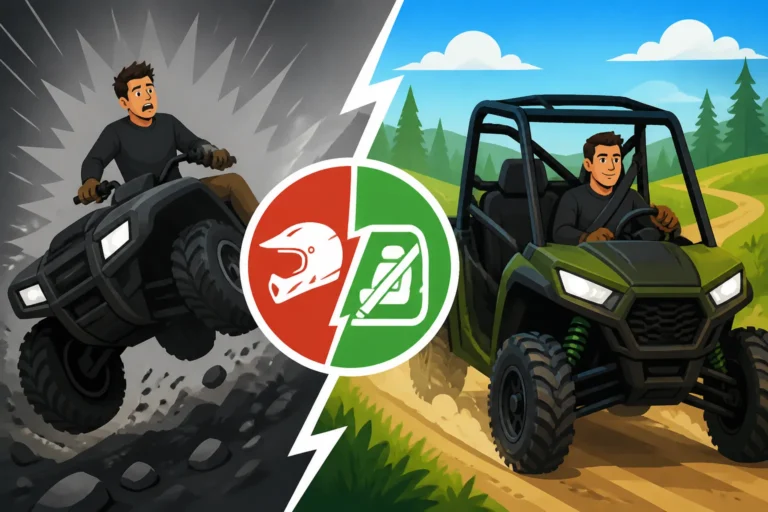
- Helmets: If you're on public land, even if it's settlement land where the registration is exempt, helmet laws are generally in effect. [Alberta Helmet Law on Public Land] is a serious consideration for all riders.
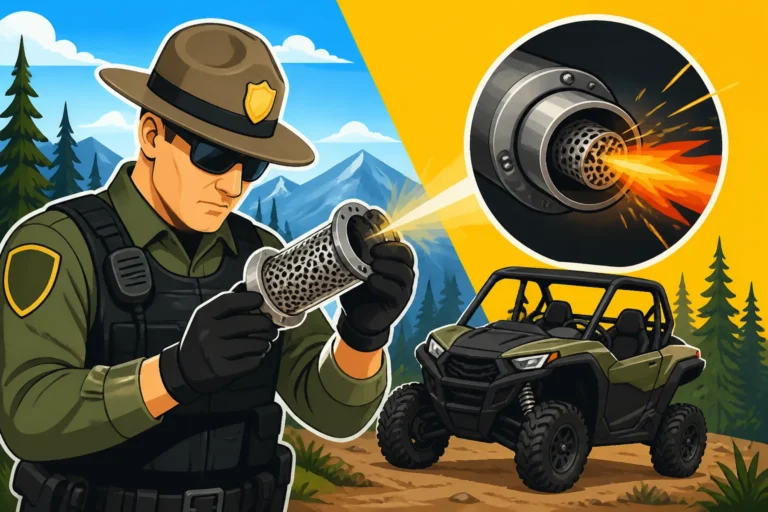
- Spark Arrestors: Your machine still needs to be equipped with a properly functioning spark arrestor to prevent wildfires. [Alberta Requires a Spark Arrestor] for a very good reason. Many aftermarket exhaust systems, like those from SuperATV, will specify if they include a spark arrestor or if one needs to be added.
- Lights: If riding during periods of low light or at night, your OHV must have working head and tail lights. [Alberta Requires Working Head and Tail Lights] for visibility and safety.
- Impaired Riding: Absolutely no operating an OHV while impaired by alcohol or drugs. This is a serious offense, whether on or off a settlement. [Alberta Impaired Riding Penalties] are severe.
- Noise Restrictions: While specific decibel limits might vary, generally, excessively loud machines can still lead to complaints or tickets.
- Environmental Protection: Rules about staying on designated trails, avoiding sensitive areas like riparian zones, and proper waste disposal still hold.
So, while you might not need a plate, you still need to be a responsible rider, maintain your machine properly, and ensure it meets safety and environmental standards. If you're looking for sturdy upgrades that adhere to standards, checking out components from brands like SuperATV can often give you peace of mind regarding durability and compliance where applicable.
Navigating the Grey Areas and Staying Compliant
The legal landscape around OHV use can be complex, and the Métis Settlement exemption introduces a specific nuance. It's essential to approach riding with a clear understanding of when the exemption applies and, more importantly, when it doesn't.
When to Register, Even With the Exemption
Given the land-specific nature of the Métis Settlement registration exemption, it's often prudent for riders to register their OHV even if they primarily ride on settlement land. Consider these scenarios:
- Accessing Different Parts of the Settlement: Sometimes, getting from one part of a Métis Settlement to another might require briefly crossing a public road or a strip of Crown land. In these transition areas, the provincial registration requirement will likely apply.
- Riding on Adjacent Public Land: It's common for riders to want to explore trails that extend beyond the settlement boundaries into surrounding provincial forests or public land use zones. If you venture onto these lands, your machine must be registered.
- Hauling vs. Riding: If you plan to trailer your OHV to a staging area outside the settlement, then the lack of registration on the machine itself isn't an issue for the journey on the road. However, once you unload at the staging area and begin riding on public trails, you'll need that registration. If you decide to ride the machine directly from the settlement to an off-settlement trail, that's where the registration becomes critical for the transition period.
- Resale Value: A registered machine often has clearer provenance and can be easier to sell down the line, especially to buyers outside the settlement.
The safest bet for any Métis Settlement member who anticipates any riding off their settlement's boundaries is to go ahead and register their OHV. This eliminates any guesswork and ensures you're always compliant, no matter where your ride takes you. Remember, [Do You Need to Register an ATV in Alberta?] isn't always a simple yes or no, but often depends on your specific riding habits and locations.
Ensuring You're Covered: Insurance and Safety
Even where the provincial registration exemption applies, it's crucial to distinguish between registration and insurance. They are two separate requirements, and typically, even if your OHV doesn't need to be registered for use on Métis Settlement land, liability insurance is still a highly recommended, and often legally required, safeguard.
[Alberta Requires Insurance on Public Land] for a reason: accidents happen, and if you're involved in one, liability insurance protects you from the potentially devastating costs of property damage or injury to others. While some Métis Settlements might have their own local rules regarding insurance, generally, it's a wise investment for any OHV owner. If you cause damage or injury off-settlement, provincial insurance requirements will absolutely kick in. Always check with your insurance provider to understand your coverage options and what's required for your specific situation.
Beyond paperwork, safety is paramount. Always wear a CSA-approved helmet, protective gear, and ensure your machine is in top working order. Regular maintenance, checking your tires, brakes, and lights, is not just good practice – it's crucial for your safety and the safety of those around you. Many riders also invest in aftermarket safety and utility components from companies like SuperATV, such as durable skid plates to protect the undercarriage, or a winch for self-recovery on tough trails. These kinds of additions can enhance your riding experience and safety, whether you're on settlement land or venturing further afield.
Here's a quick comparison of key requirements:
| Feature | General Public Land (Alberta) | Métis Settlement Land (for Members) |
|---|---|---|
| Registration | Generally Required | Exempt (if ridden solely on settlement) |
| Insurance | Required for Public Land | Highly Recommended (check local bylaws/personal liability) |
| Helmet | Required | Generally Required (check local bylaws) |
| Spark Arrestor | Required | Required |
| Working Lights | Required (dusk/night/poor visibility) | Required |
| Impaired Riding | Illegal | Illegal |
| Age Limits | Yes | Yes (check local bylaws for variations) |
| Bylaws | Provincial/Municipal Bylaws Apply | Métis Settlement Bylaws Apply (and provincial where not superseded) |
Ultimately, whether you decide to register or not, ensuring you're covered by appropriate insurance and always prioritizing safety will make your OHV experience a much more enjoyable and worry-free one.
Disclaimer
This article is for general informational purposes only and does not constitute professional advice. Laws, prices and regulations vary by location and change over time. Consult a qualified professional for guidance on your specific situation.