Gates on a Lease Road
Riding Alberta's vast network of lease roads on your ATV or side-by-side can feel like unlocking a secret world of adventure, but coming across a gate often brings a sudden halt to that feeling. It's a common frustration: one moment you're cruising along, enjoying the scenery, and the next you're staring at a barrier, wondering if you can open it, if you should open it, or if you're even allowed to be there. This guide aims to clear up the confusion surrounding gates on lease roads, helping you navigate these situations responsibly and legally, so your ride stays on track and trouble-free.
Understanding Lease Roads and Public Access
When you're out exploring Alberta's backcountry on your off-highway vehicle (OHV), it's easy to assume that any dirt track you encounter is fair game. However, many of these routes, especially those that look like well-maintained access roads leading into more remote areas, are actually lease roads. Understanding what these are and who manages them is the first step in responsible riding.
What Exactly is a Lease Road in Alberta?
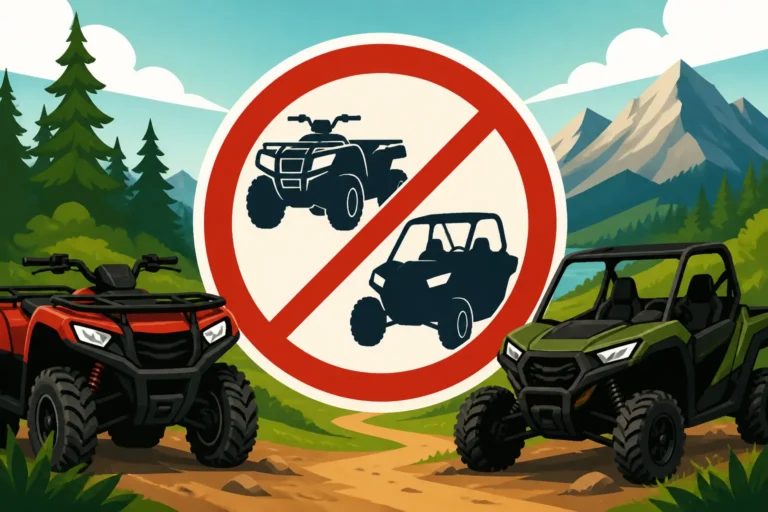
A lease road, in the simplest terms, is a private road built and maintained by an industrial operator (often in the oil, gas, forestry, or agriculture sectors) to access their specific lease sites. These aren't public roads like highways or even municipal gravel roads. They are, by design, for industrial use, allowing heavy equipment, service vehicles, and personnel to reach well sites, cut blocks, or agricultural operations. While they might appear inviting, they are primarily extensions of private land, even if the land itself is public Crown land. Think of them as long driveways leading to a specific worksite rather than a public thoroughfare.
Who Owns and Manages These Roads?
This is where it gets a little nuanced. The land beneath the lease road is often Crown land, meaning it's owned by the public. However, the industrial operator holds a lease on that land for their specific activities, and that lease often grants them exclusive rights to build and maintain access. They are responsible for the road's upkeep, ensuring safety, and often controlling access to prevent interference with their operations or damage to the environment. This means that while you might be on "public land," you're on a private access route, and the rules of engagement are different than on a designated OHV trail. This distinction is critical for riders to grasp, as simply being on Crown land doesn't automatically grant you carte blanche access to every track.
The Fine Line Between Public and Private Access
Because lease roads often traverse Crown land, there's a common misconception that they are open for public recreation. And sometimes, they are, informally. Many operators don't actively prohibit recreational users, as long as those users are respectful and don't interfere with operations. However, this is a privilege, not a right. The operator can restrict access at any time, especially if safety concerns arise, if their operations are active, or if there's a history of misuse. The "fine line" means that while you might have ridden a particular lease road for years without issue, that access could change overnight with the installation of a new gate or signage. It's always best to assume a lease road has limited public access unless explicit signage or local bylaws indicate otherwise. Remember, even on Crown land, you need to respect the rights of others, including leaseholders, as discussed in [Alberta Private Land Permission].
Navigating Gates: Open, Closed, and Locked
Encountering a gate on a lease road is an almost guaranteed experience for anyone venturing into Alberta's backcountry on an OHV. Your reaction to that gate can mean the difference between a smooth ride and a serious problem. The cardinal rule of gates is simple, yet often overlooked: leave it exactly as you found it.
The "Leave it as You Found It" Rule
This rule isn't just a polite suggestion; it's a fundamental principle of respecting land access and the working environment of others. If you come to a gate that's open, leave it open. If it's closed (but not locked), close it firmly behind you. The reasons for this are manifold:
- Livestock Control: Many lease roads cut through [Grazing Leases and Access] where cattle or other livestock roam freely. An open gate on a cattle guard can allow animals to escape, costing ranchers significant time, money, and stress. Closing a gate behind you protects their livelihood.
- Safety and Security: Operators often close gates to restrict unauthorized access to active industrial sites or to secure equipment. Leaving a closed gate open could lead to theft, vandalism, or even accidents involving unaware recreational users entering an active hazardous area.
- Dust and Disturbance: In some cases, gates might be closed to limit traffic and reduce dust near residential areas or sensitive environmental zones. Ignoring this can lead to complaints and further restrictions for all OHV users.
This applies equally to those fantastic aftermarket accessories from brands like SuperATV that might give you the confidence to tackle rough terrain – that confidence should extend to responsible gate management as well.
What to Do When a Gate is Locked
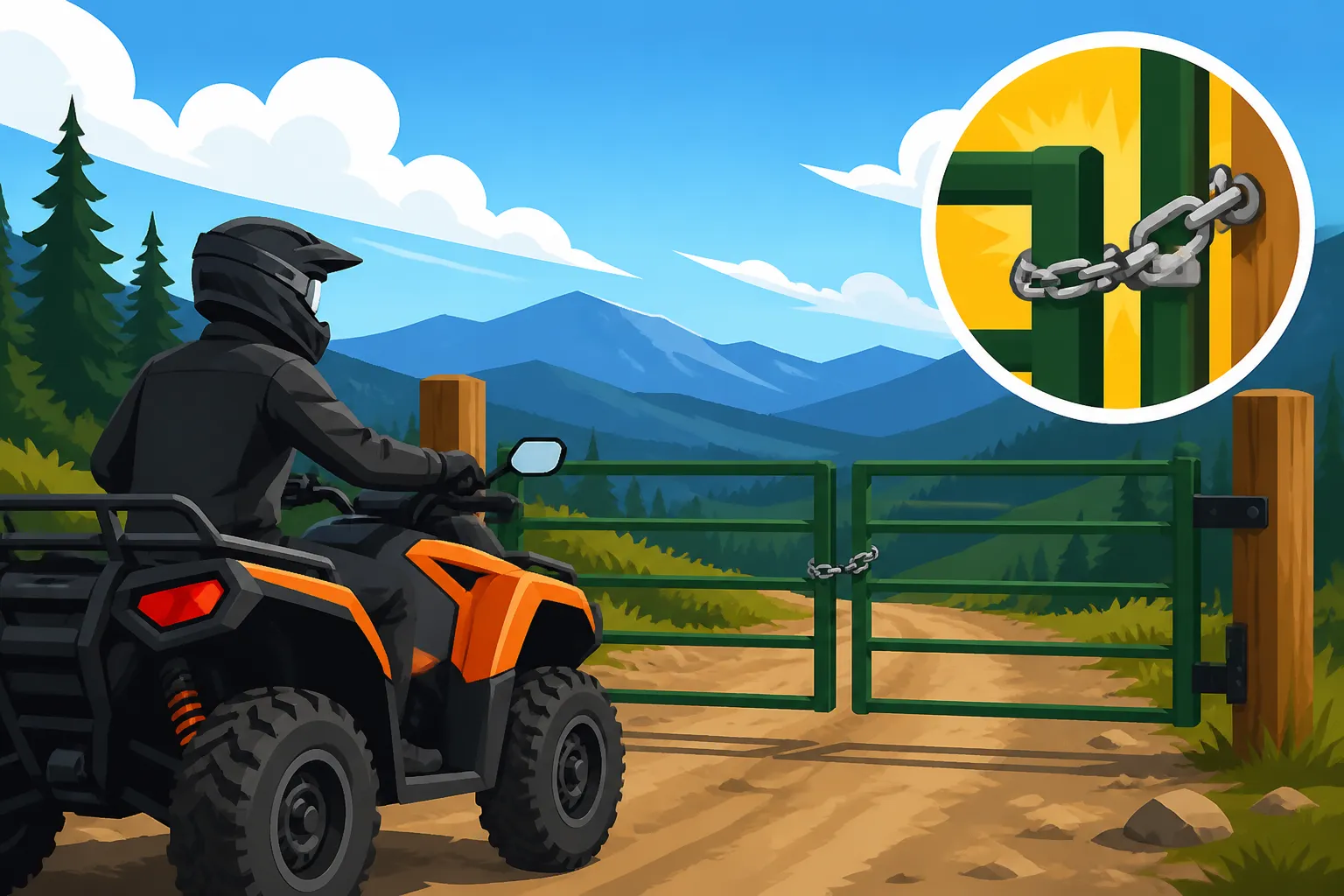
A locked gate is a clear, unambiguous signal: Do Not Enter. There are no exceptions to this rule. Trying to climb over, cut through, or go around a locked gate is trespassing and can lead to severe penalties, including fines, legal action, and even [Alberta Vehicle Seizure for No Insurance] if other infractions are present.
- Respect the Message: A locked gate indicates that the operator has decided to restrict access for a legitimate reason – be it safety, security, or ongoing operations. Your personal desire to explore does not override their right to control access to their leased area.
- Turn Around: The only correct action when faced with a locked gate is to turn around and find an alternate route. This might be disappointing, but it's the responsible and legal choice. Trying to force entry can damage the gate, leading to charges of property damage on top of trespassing.
- No "Informal" Access: Even if you've seen other tracks beyond a locked gate, or know someone who claims to have a key, do not attempt to bypass it. That "informal" access might be for specific personnel, or it might be unauthorized, setting a bad precedent.
It's a frustrating situation, but seeing a locked gate means it's time to re-evaluate your route and respect the operator's decision.
The Purpose Behind Gates on Lease Roads
Gates aren't put up to spite recreational riders; they serve critical functions for the leaseholders and for the overall management of the land.
- Safety: Active industrial sites can be hazardous. Heavy equipment, open pits, chemical storage, and pipelines all pose risks to those unfamiliar with the site. Gates keep unauthorized personnel, including OHV riders, away from potential dangers.
- Security: Industrial equipment, tools, and materials are valuable. Gates are a deterrent against theft and vandalism, protecting the operator's investments and preventing disruptions to their work.
- Environmental Protection: Gates can help manage traffic flow in sensitive areas, preventing erosion, protecting wildlife habitat, or allowing re-vegetation efforts to take hold. They might also be used to restrict access during critical periods like spring melt, when trails are most vulnerable to damage from vehicle traffic.
- Operational Control: Operators need to manage who comes and goes on their lease roads. This includes monitoring for compliance with regulations, controlling access for specific service providers, and simply ensuring their operations run smoothly without interference from recreational users.
Understanding these reasons helps put the frustration of a closed or locked gate into perspective. They are an integral part of responsible land management and industrial operations.
Respecting Private Property and Industrial Operations
Riding in Alberta's wild spaces often means encountering a mosaic of land types: Crown land, private land, and various industrial lease areas. It's easy to blur these lines when you're focused on the ride, but failing to respect property boundaries and operational needs can quickly lead to trouble.
Permission is Key: Grazing Leases and Landowners
Many lease roads traverse land that is either privately owned or leased by ranchers for [Grazing Leases and Access]. In these areas, the rules of private property apply.
- Private Land: If a lease road crosses private land, you absolutely need the landowner's explicit permission to be there. This isn't just good manners; it's the law. [Alberta Trespass Law for Riders] is very clear: entering private property without permission is illegal. Look for signs, and if in doubt, assume it's private and seek permission before proceeding.
- Grazing Leases: While often on Crown land, grazing leases are essentially a rancher's private domain for their livestock. You might think, "It's Crown land, I can ride here!" But the rancher has a legal right to manage that land for their animals. Gates on these leases are usually there to keep cattle contained. Always leave gates on grazing leases exactly as you found them to prevent livestock from wandering off. If you encounter cattle on the road, slow down, give them a wide berth, and never harass them.
- Seeking Permission: If you frequently ride an area with known private land or grazing leases, it's worth the effort to try and contact the landowners or leaseholders beforehand. A friendly conversation can often secure permission for access, turning a potential conflict into a shared understanding.
Even with robust protection like a SuperATV skid plate, you're not immune to the legal ramifications of trespassing. Mechanical strength doesn't equal legal right.
Active Sites and Safety Zones
One of the most critical reasons for restricted access on lease roads is the presence of active industrial sites. These are not playgrounds for OHVs.
- Danger Zones: Active well sites, forestry operations, mining activities, or construction zones are inherently dangerous. There could be heavy machinery moving, drilling rigs operating, open trenches, pipelines under pressure, or hazardous materials present. Your presence as a recreational rider creates an additional safety risk for both yourself and the industrial workers.
- Signage: Pay close attention to any signage you see. "No Trespassing," "Authorized Personnel Only," "Danger," or "Keep Out" signs are there for a reason. They are not suggestions; they are directives. Ignoring them puts you in harm's way and exposes the operator to liability.
- Interference with Operations: Even if you think you're "just passing through," your presence can disrupt critical operations. Industrial work schedules are tight, and delays caused by unauthorized individuals on site can be costly and frustrating for the operators.
It's tempting to explore, but an active industrial site is never the place for it. Turn around and find another trail where you can safely enjoy your ride.
Minimizing Your Impact on the Environment and Operations
Responsible riding goes beyond legal compliance; it involves being a good steward of the land and a considerate neighbour to industrial operators and other land users.
- Stay on Designated Trails: While lease roads might seem like tempting shortcuts, always stick to marked trails or established tracks. Going off-road can damage sensitive vegetation, cause erosion, and disturb wildlife.
- Minimize Noise and Dust: Your OHV, especially if it's got a performance exhaust, can be loud. Try to minimize excessive noise, especially near active work sites, residences, or wildlife areas. Similarly, slow down when passing through dusty sections to avoid creating large dust clouds that can impact visibility or nearby operations.
- Pack It In, Pack It Out: Leave no trace. Everything you bring onto the lease road, from snack wrappers to broken parts, must come out with you. This simple act helps maintain the pristine nature of Alberta's backcountry and reduces the burden on operators who are already managing their sites. You might have the latest SuperATV gear, but no gear is designed to pick up your litter for you.
- Report Concerns: If you notice illegal dumping, environmental damage, or unsafe practices by others, report it to the appropriate authorities. Being part of the solution helps preserve access for everyone.
By being mindful of your impact, you contribute to a positive relationship between OHV riders and other land users, ensuring that access to these beautiful areas continues to be possible.
Consequences of Mismanaging Lease Road Gates
It might seem like a small act – leaving a gate open, or cutting around a locked one – but the repercussions can be far-reaching, affecting not just you but the entire OHV community. Understanding these potential outcomes can reinforce the importance of responsible gate management.
Trespass Charges and Vehicle Seizure
The most immediate and direct consequence of ignoring gate rules, especially a locked gate, is facing legal charges.
- Trespass to Property: If you enter a restricted area without permission, you can be charged with trespass. In Alberta, this falls under the Petty Trespass Act, and while it might not sound severe, it can result in fines and a criminal record in some cases. It's not a mere slap on the wrist.
- Vehicle Seizure: In more serious instances, especially if you're found to be riding illegally, causing damage, or if other infractions are combined with trespassing (like having no insurance or registration), law enforcement has the authority to seize your vehicle. Imagine your pride and joy, perhaps a rig kitted out with top-tier components from SuperATV, being towed away because of a poor decision at a gate. Getting it back can be an expensive, time-consuming, and bureaucratic nightmare, as outlined in [Alberta Vehicle Seizure for No Insurance].
- Industrial Penalties: Beyond law enforcement, the industrial operator themselves can impose their own penalties, such as banning you from their leased lands or pursuing civil action for damages or interference with operations.
It's simply not worth the risk. A locked gate means "stop."
Legal Ramifications for Property Damage
Forcefully opening, cutting, or damaging a gate or fence on a lease road is not just an act of defiance; it's an act of property damage, which carries more serious legal consequences.
- Criminal Charges: Intentionally damaging property can lead to criminal charges, potentially including mischief or even more severe indictable offenses depending on the extent of the damage. These charges come with significant fines and potential jail time, not to mention a permanent criminal record.
- Civil Lawsuits: The industrial operator or landowner can also sue you in civil court to recover the costs of repairing or replacing the damaged gate, fence, or any other property. This could include the cost of lost livestock if an open gate led to animals escaping. These costs can quickly escalate into thousands of dollars, far outweighing the momentary convenience of bypassing a gate.
- Safety Risks: A damaged gate might also create safety hazards for others. A gate that can't be properly closed could allow unauthorized access to dangerous sites, or allow livestock to wander onto roads, posing a risk to motorists.
The idea of making a new trail through a fence or breaking a lock for your ride might sound adventurous, but the financial and legal fallout is anything but.
The Broader Impact on OHV Access
Perhaps the most significant, though often unseen, consequence of mismanaging lease road gates is the negative impact on the entire OHV community.
- Increased Restrictions: A few bad actors can ruin it for everyone. When industrial operators or landowners experience repeated issues with gates being left open, damaged, or bypassed, their natural response is to increase restrictions. This often means more locked gates, tighter security, or even complete bans on recreational OHV use in certain areas, even on Crown land.
- Erosion of Trust: Such incidents erode trust between land managers, industrial operators, and recreational users. This makes it harder for OHV clubs and associations to advocate for continued access and new trail development. Why would an operator allow access if they constantly have to deal with property damage or safety breaches?
- Negative Public Perception: Incidents involving irresponsible OHV use generate negative media attention and public perception. This can fuel anti-OHV sentiment, leading to calls for stricter regulations across the board, impacting riders far beyond the specific area of an incident.
By respecting gates, seeking permission, and understanding the operational needs of leaseholders, every rider contributes to a positive image of the OHV community and helps preserve access for future generations. For more on responsible riding, consider reviewing information like [Alberta Rules for Riding Crown Land] or [Alberta Public Land Use Zones Explained] to ensure you're always riding within established guidelines.
Here's a quick summary of what to do and what not to do when you encounter a gate:
| Scenario | What to DO | What NOT to DO | Potential Outcome of NOT DOING |
|---|---|---|---|
| Gate is Open and Unlocked | Drive through, leave it open. | Close it, unless there's a clear sign indicating it should be closed. | Confusion, unnecessary restriction |
| Gate is Closed but Unlocked | Open it, drive through, then close it securely behind you. | Leave it open. Cut around it. | Livestock escape, safety hazard, loss of trust |
| Gate is Locked | Turn around, find an alternate route. | Cut the lock, climb over, drive around it, force it open. | Trespass charges, property damage, vehicle seizure |
| Gate has "No Trespassing" sign | Do not enter. Turn around. | Ignore the sign, assume it's okay because it's "Crown land." | Trespass charges, fines |
| Encountering Livestock/Workers | Slow down, give space, be courteous. | Speed through, make excessive noise, harass animals, interfere with work. | Conflicts, complaints, further access restrictions |
Disclaimer
This article is for general informational purposes only and does not constitute professional advice. Laws, prices and regulations vary by location and change over time. Consult a qualified professional for guidance on your specific situation.