Grazing Leases and Access
Riding an ATV or UTV in Alberta offers some of the most breathtaking experiences in Canada, but it also comes with its fair share of complexities, especially when you encounter lands that aren't straightforward public access. One of the biggest head-scratchers for many riders is figuring out the rules around grazing leases. It's frustrating to see what looks like open, beautiful terrain, only to be unsure if you're even allowed to be there. This guide is here to clear up the confusion, explaining what grazing leases are, how to navigate access, and what your responsibilities are when riding near or on them.
Understanding Alberta's Grazing Leases and Their Purpose
Alberta's landscape is a patchwork of private land, provincial parks, public land use zones (PLUZs), and, yes, grazing leases. Knowing the difference is crucial for a stress-free ride and to avoid accidentally landing yourself in trouble.
What Exactly is a Grazing Lease?
Imagine vast stretches of grassland, often rolling foothills or open plains, that are owned by the provincial government but managed by private ranchers. That's essentially a grazing lease. These aren't private property in the traditional sense, where someone holds the deed to the land itself. Instead, the government leases the right to graze livestock on that public land to a rancher for an extended period. The rancher then has the responsibility to manage the land, the fences, the water sources, and, of course, their cattle or other livestock that call that area home.
The purpose behind these leases is multi-faceted. It supports Alberta's agricultural industry, allowing ranchers to raise livestock economically. It also plays a role in land stewardship, as leaseholders are often responsible for maintaining the health of the rangeland, controlling weeds, and managing the ecological balance. For us riders, it means that while the land is public, it's not "open range" for recreational use in the same way a designated PLUZ might be. The leaseholder's rights, focused on their livestock operation, often take precedence when it comes to general public access.
Why You'll Encounter Them as an OHV Rider
If you've spent any time exploring Alberta's scenic backroads or trying to find new trails, chances are you've already ridden near, or even unknowingly through, a grazing lease. These leases are incredibly widespread, particularly in the agricultural zones, the foothills leading up to the mountains, and various parkland regions. They often form significant portions of the landscape that connect different areas of public land or surround popular staging points for OHV adventures.
You might be cruising down a gravel road, thinking you're on a public thoroughfare, when you suddenly come across a "No Trespassing" sign or a gate marked for a specific ranch. This is precisely where the confusion sets in. Grazing leases frequently contain existing access roads, old cutlines, or even informal trails that seem perfect for riding. The frustration is real: you see an inviting path, your [Alberta Trail Maps Worth Downloading] might show it, but then the sign throws everything into question. Understanding these boundaries and who to talk to can save you a lot of grief and ensure you're riding respectfully and legally.
Navigating Access: Permission and Your Responsibilities
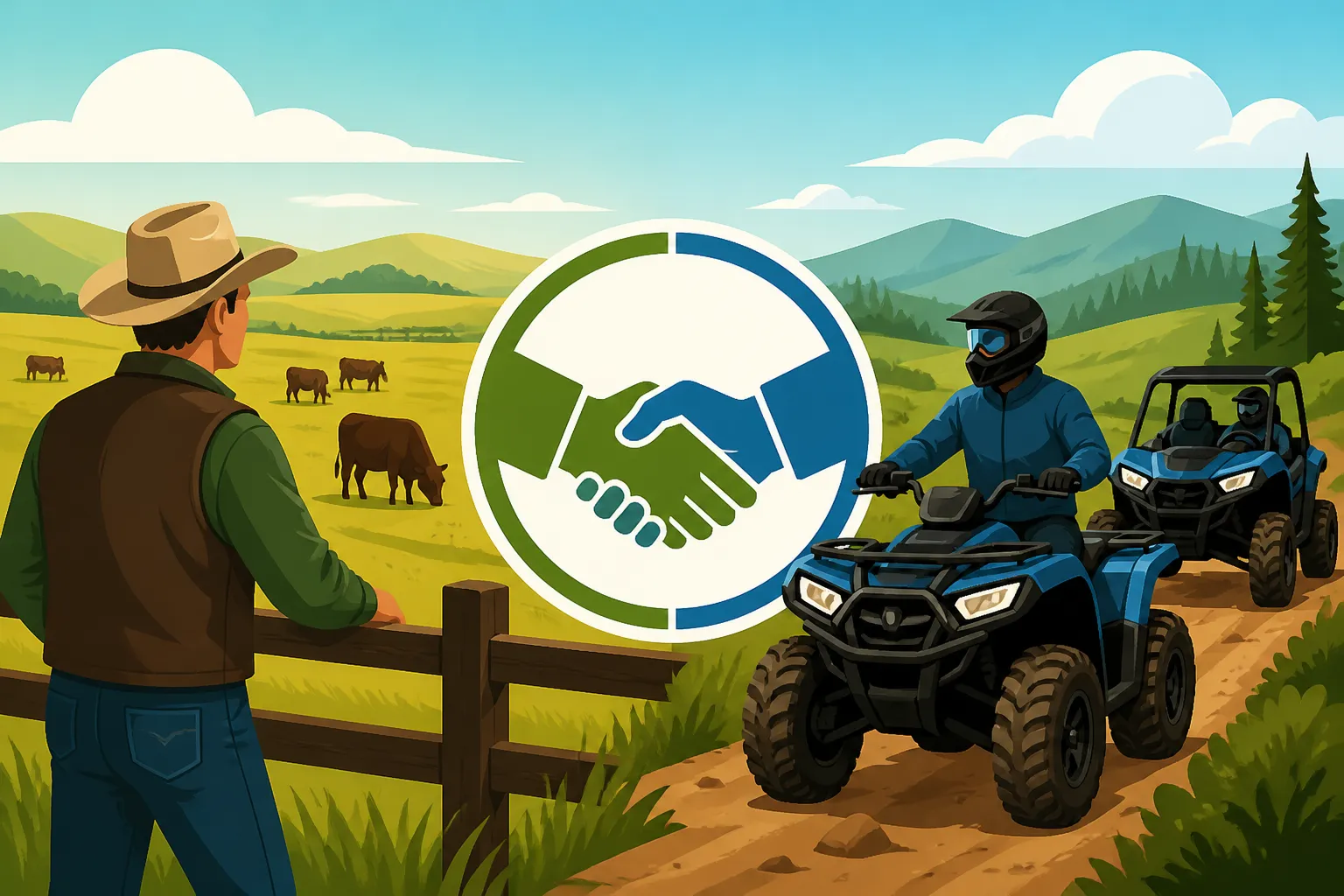
The key to a good experience on or near grazing leases boils down to respect, responsibility, and, most importantly, communication. It’s not just about avoiding a fine; it’s about being a good neighbour and preserving access for everyone.
The Golden Rule: Permission is Paramount
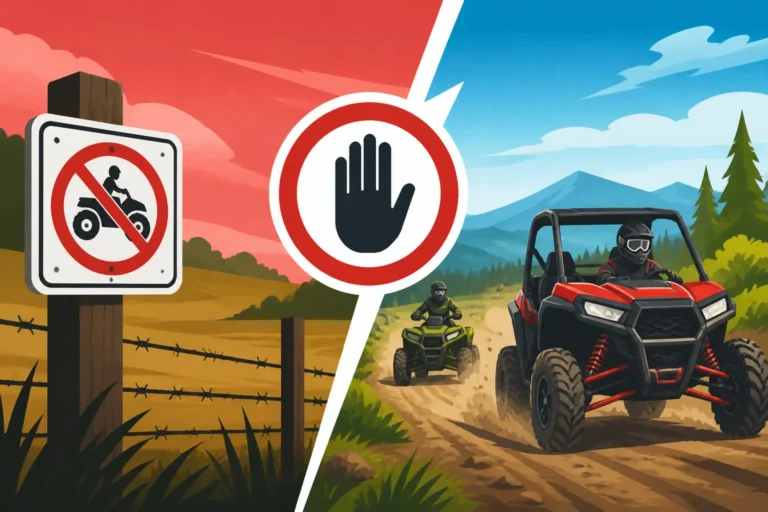
Let's be absolutely clear: while grazing leases are public land, the golden rule for OHV riders is that permission from the leaseholder is paramount before you recreate on them. Without it, you are generally considered to be trespassing, and that can come with serious consequences. This isn't always easy, as finding the leaseholder's contact information can feel like a scavenger hunt.
Your best bet is always to seek out the rancher who holds the lease. A friendly conversation can go a long way. They might be open to granting access, especially if you explain your route, assure them you'll be respectful, and agree to any conditions they set. Obtaining written permission is the gold standard. A simple note or email outlining the agreement protects both you and the leaseholder, providing clarity if any questions arise later. Local county offices or even Alberta Agriculture and Forestry might be able to provide general information about lease boundaries, but they typically won't give out private contact details for leaseholders without a compelling reason. You might have to do some old-fashioned detective work, asking around the local community or looking for ranch signs in the area. Remember, the goal is to build a positive relationship, not to sneak around.
When Crossing is Permitted and What That Means
There are specific instances where you might find yourself traversing a grazing lease without needing explicit individual permission. This usually applies to established public access easements or designated routes that are clearly marked as public thoroughfares. For example, a major forestry trunk road or a municipal gravel road that cuts through a grazing lease would typically be considered open for travel, much like any other public road. However, the crucial distinction here is between "crossing" a lease on an established public route and "recreationally riding" within its boundaries.
If you're on a clearly marked public road that happens to pass through a lease, you're usually fine to continue on your way. But the moment you veer off that established path onto an unmarked trail, a cutline, or into a pasture, you're entering an area where individual permission is almost certainly required. The general rule is: stick to the designated public roads.
And here's a big one: leave gates as you found them. This isn't just common courtesy; it's vital for livestock management. If a gate is closed, close it behind you. If it's open, leave it open. Livestock depend on these gates to stay within their grazing areas or move between pastures. Ignoring this simple rule can cause a lot of trouble for the rancher, and directly impacts their willingness to consider future public access. Remember, [Alberta Trespass Law for Riders] applies to leased lands too, and disrespecting a leaseholder's infrastructure can quickly escalate into a serious issue.
Practical Tips for Riding on or Near Grazing Leases
So, you've got permission, or you're sticking to an approved public thoroughfare. What else do you need to keep in mind? It’s all about minimizing your impact and ensuring a smooth, safe experience for everyone, including the livestock.
Respecting Livestock and Infrastructure
When you're riding on or near grazing leases, the primary residents are often cattle or horses. They're not used to fast-moving, noisy machines, and startling them can have dangerous consequences. Always operate your OHV at slow speeds when you see livestock. Give them a wide berth. Sudden revving of engines or quick movements can easily spook a herd, potentially leading to injuries to the animals, damage to fences, or even a stampede. Imagine the headache for a rancher if their cattle are scattered for miles because a rider decided to show off.
Fencing is another critical piece of infrastructure. Never cut or damage fences. They are there to contain livestock and define property boundaries. If you encounter a fence that seems to block your path, and you don't have explicit permission to open it or a designated gate, you must turn back. Riding along fences, especially if it means driving through sensitive areas, should also be avoided. The goal is to leave the environment and the leaseholder's operation completely undisturbed. Keeping your speed down also helps reduce dust, which not only improves visibility for you but is also less irritating for livestock and doesn't cloud their grazing areas. Check out [Cattle on an Alberta Grazing Lease Road] for more specific scenarios.
Planning Your Route and Being Prepared
Preparation is your best friend when riding anywhere in Alberta, and especially near grazing leases. Before you even load up your machine, take the time to consult maps. Public Land Use Zone (PLUZ) maps, municipal maps, or even specialized apps can often delineate grazing leases, allowing you to plan a route that either avoids them entirely or confirms you have the necessary permissions if you intend to cross. [Alberta Trail Maps Worth Downloading] can be invaluable here.
It's also smart to have a backup plan. If your intended route looks like it traverses a lease and you can't get permission, know an alternative path that sticks to designated public trails. If you do obtain permission, carry proof with you. A printed email, a text message, or a signed note from the leaseholder can save you a lot of hassle if you encounter enforcement officers or other concerned individuals. Being able to quickly show that you're riding legitimately is a huge advantage. Remember, an officer can ask for [What an Alberta Officer Can Ask to See] at any time, and having your paperwork in order, including permission, is part of being a responsible rider.
Considering the Environmental Impact
Grazing leases are often ecologically sensitive areas. The grasslands, riparian zones (areas along rivers and streams), and wetlands within these leases are vital for the health of the ecosystem and the livestock. As OHV riders, we have a responsibility to minimize our environmental footprint. Avoid riding in wet or muddy areas whenever possible, as this can cause deep ruts, accelerate erosion, and damage delicate vegetation that the livestock rely on. Crossing streams should only be done at designated crossings or where the impact is minimal.
Practicing "leave no trace" principles is non-negotiable. Pack out everything you pack in, including all your trash, and try to leave the area cleaner than you found it. Be mindful of spreading invasive species; give your machine a quick clean before heading to a new area, especially if you've been riding through muddy or weedy spots. A well-maintained machine, perhaps with a sturdy set of skid plates from a brand like SuperATV, not only protects your investment but also helps minimize ground disturbance and potential leaks, which is another aspect of environmental responsibility. Ensuring your machine isn't leaking fluids is also part of being a responsible rider, and having durable aftermarket parts like those from SuperATV can sometimes aid in preventing unexpected damage that leads to leaks.
Common Misconceptions and Legality
Navigating the nuances of land access can be tricky, and there are a few common misunderstandings that trip up even experienced riders. Let's clear those up.
"It's Public Land, So I Can Ride Anywhere"
This is perhaps the most pervasive misconception among OHV enthusiasts. While it's true that grazing leases are on public land owned by the provincial government, that doesn't automatically grant unrestricted recreational access. The land is managed for specific purposes, primarily livestock grazing, and the leaseholder has significant rights and responsibilities that often include controlling access to protect their operations and the health of the land. Think of it like a rental agreement: the landlord (government) owns the property, but the tenant (leaseholder) has rights and control over its use during their lease.
The government designates certain areas, like Public Land Use Zones (PLUZs), for broad recreational access, and even within these zones, specific rules apply (e.g., [Alberta Rules for Riding Crown Land]). Grazing leases, however, operate under a different framework. The leaseholder's right to manage the land for grazing means they have the authority to restrict or deny recreational access to prevent damage, protect their livestock, or ensure the safety of their operations. Ignoring this distinction can quickly lead to an unwelcoming encounter or legal repercussions. For a clearer picture of general public land, check out [Alberta Public Land Use Zones Explained].
Penalties and Consequences of Unlawful Access
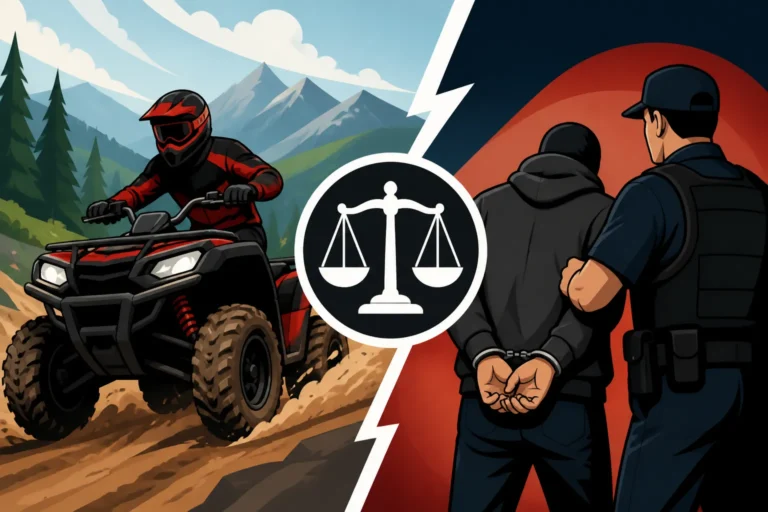
Riding on a grazing lease without permission can lead to a range of undesirable outcomes, from a stern talking-to to significant fines and even legal action. Alberta's law considers unauthorized entry onto leased lands as trespassing, which carries penalties. These aren't just minor slaps on the wrist; fines can be substantial, and in some cases, your vehicle could even be seized. Leaseholders also have the right to pursue civil action for any damages caused to their property, fences, or livestock.
Beyond the legal ramifications, there's the broader impact on the riding community. Incidents of trespass or irresponsible riding can sour relationships between leaseholders and the public, potentially leading to further restrictions or even closures of areas that were once accessible. When you're out riding, be prepared to show [Producing Insurance on Demand] to any enforcement officer, as it's a standard requirement on public land. It's always best to be polite, cooperative, and comply with any lawful requests from leaseholders or enforcement officers. Understanding [Grazing Leases and Access] is crucial not just for your own ride, but for the future of OHV riding in Alberta.
Access Guidelines for Alberta Grazing Leases
Understanding the specifics of access is critical. Here's a quick comparison to clarify the differences.
| Feature | Public Land Use Zone (PLUZ) | Grazing Lease (Public Land Under Lease) |
|---|---|---|
| Land Ownership | Provincial Government | Provincial Government |
| Primary Management Focus | Multiple uses: recreation, forestry, energy, conservation | Livestock grazing and rangeland health; often supports agriculture |
| General OHV Access | Generally permitted in designated areas and on marked trails | Requires explicit permission from the leaseholder |
| Gates | Common for management, usually left as found or clearly marked | Crucial for containing livestock; always leave as you found them |
| Presence of Livestock | Primarily wildlife; livestock less common (unless on adjacent private land) | Active cattle, horses, or other livestock managed by leaseholder |
| Risk of Trespass | Low, if staying within designated zones and following rules | High, if no permission from leaseholder is obtained |
| Rider Responsibilities | Environmental stewardship, safety, adherence to PLUZ rules | Environmental stewardship, safety, livestock welfare, respect for leaseholder's operation |
| Required Documents | OHV Registration, Insurance, (sometimes Public Lands Camping Pass) | OHV Registration, Insurance, Proof of Leaseholder Permission (if riding off public roads) |
Remember, this table provides a general overview. Always check local bylaws, PLUZ regulations, and, most importantly, seek direct permission from grazing leaseholders before you ride. Having all your [Carrying Papers on a Long Alberta Ride] in order, including any permission, will make your trip much smoother.
Disclaimer
This article is for general informational purposes only and does not constitute professional advice. Laws, prices and regulations vary by location and change over time. Consult a qualified professional for guidance on your specific situation.