Trespass and Posted Land
It's incredibly frustrating to head out for a day on your ATV or UTV, only to constantly worry if you're on legal ground or inadvertently trespassing. The lines between public and private land in Alberta's vast landscapes can feel blurry, leading to anxiety about fines, confrontations, or worse, losing access to the places you love to ride. This guide will clarify Alberta's trespass laws for off-highway vehicle (OHV) riders, help you identify posted and private land, and empower you with the knowledge to seek permission confidently and ride responsibly.
Understanding Trespass Law in Alberta for OHV Riders
Riding an OHV is an incredible way to explore Alberta, but it comes with the crucial responsibility of understanding land access. The beautiful scenery often hides a complex patchwork of land ownership, and accidentally crossing onto private property can lead to serious consequences.
The Legal Definition of Trespass
In Alberta, trespass isn't just about breaking a fence or ignoring a "No Trespassing" sign. Legally, trespassing occurs when you enter or remain on private property without the consent of the owner or occupier. This consent can be explicit (like direct permission) or implied (like an open business inviting the public). For OHV riders, this means any land that isn't designated public land open to OHVs, or hasn't had explicit permission granted, is generally considered private. This includes everything from someone's backyard acreage to vast ranchlands, industrial sites, and even undeveloped parcels.
The Trespass to Premises Act in Alberta is quite clear: if you are on private land without permission, you are trespassing. It doesn't matter if there were signs or not – if it's not yours and you don't have permission, you shouldn't be there. This applies to both private individuals and corporations who own land. This fundamental principle is often misunderstood, with many riders mistakenly believing that if land isn't fenced or explicitly marked, it's fair game. However, the onus is always on the rider to ensure they have legal access, not on the landowner to post every inch of their property. You might also encounter situations where land is privately owned but leased for grazing or other purposes, adding another layer of complexity to who can grant permission.
Consequences of Trespassing with an OHV
The repercussions of trespassing with an OHV in Alberta can range from an uncomfortable encounter to severe legal penalties. It's not just a slap on the wrist; there can be significant financial and legal costs involved. For starters, you could face fines under the Trespass to Premises Act. These fines can be substantial, often in the hundreds or even thousands of dollars, depending on the severity and nature of the trespass. Repeated offenses or trespass that causes damage can lead to much higher penalties.
Beyond immediate fines, there's the risk of your machine being seized. Law enforcement, particularly Fish and Wildlife officers or local RCMP, have the authority to seize vehicles used in serious or repeated trespass violations. Imagine having your valuable ATV or side-by-side impounded, along with the associated towing and storage fees you'd incur to get it back. That alone can quickly add up to a headache you don't want. In some cases, if damage occurs, landowners can pursue civil lawsuits against you for restitution, which could mean paying for crop damage, fence repairs, or environmental remediation. Furthermore, a trespass incident can sour relationships between riders and landowners, potentially leading to further restrictions on OHV access in the future for everyone. It's a lose-lose situation that responsible riders work hard to avoid. You can find more specific details on what you might encounter in [Alberta Trespass Law for Riders].
The Importance of Knowing Where You Are
Given the serious consequences, knowing exactly where you are riding is paramount. Alberta's landscape can be deceptively uniform, with dense forests or rolling hills often concealing property lines. Relying solely on visual cues can be a recipe for disaster. This is where modern navigation tools become invaluable. Equipping your machine with a GPS device loaded with detailed land ownership maps, or using mapping apps like Avenza on your smartphone or tablet, can be a game-changer. These tools can display property boundaries, public land designations, and even highlight specific land-use zones in real-time.
Before you even load up your machine, it's wise to do your homework. Research the area you plan to ride. Check local county or municipal websites for land-use bylaws and maps. Sometimes, local OHV clubs or associations can provide valuable insights into accessible areas and potential no-go zones. Always cross-reference multiple sources if possible. Even then, situations can arise where a fence or marker has been removed or obscured. Maintaining an awareness of your surroundings and having a plan B if an area appears questionable is crucial. Having a reliable mapping system, perhaps mounted securely with a SuperATV mount, means you can check your position instantly and avoid accidentally straying onto someone else's turf.
Identifying Posted Land and Seeking Permission
Navigating the landscape of private property requires a keen eye and a proactive approach. It's not always about grand, obvious signs, but also about understanding the subtle cues of land ownership and knowing how to respectfully ask for access.
Recognizing "Posted" and Private Property
Identifying private property goes beyond just looking for a "No Trespassing" sign. While explicit signage is certainly a clear indicator, many landowners don't post every boundary. Look for other signs that strongly suggest private ownership:
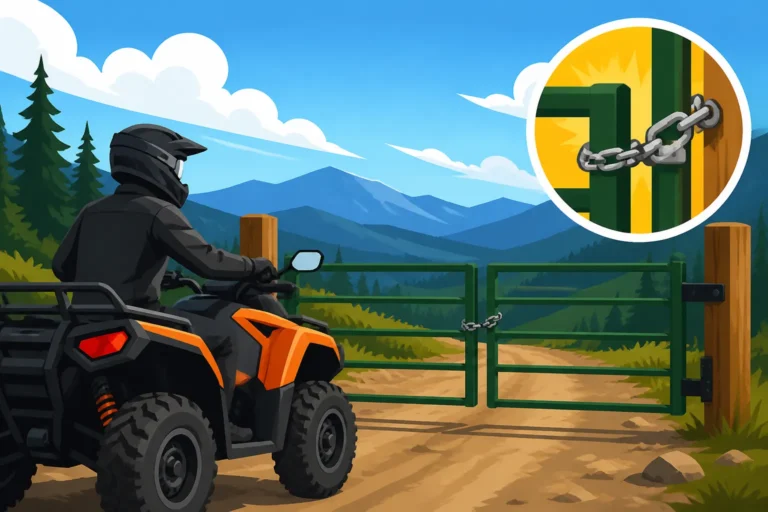
- Fences and Gates: Even if a fence looks old or dilapidated, or a gate is open, it typically delineates a property line. Always assume a fence or gate marks private land. If you encounter a closed gate, never open it to ride through unless you have explicit permission. If you find one open, it's still best to respect it as a boundary.
- Developed Areas: Barns, houses, outbuildings, cultivated fields, and managed pastures are all obvious signs of private land use. Keep a respectful distance and avoid these areas unless invited.
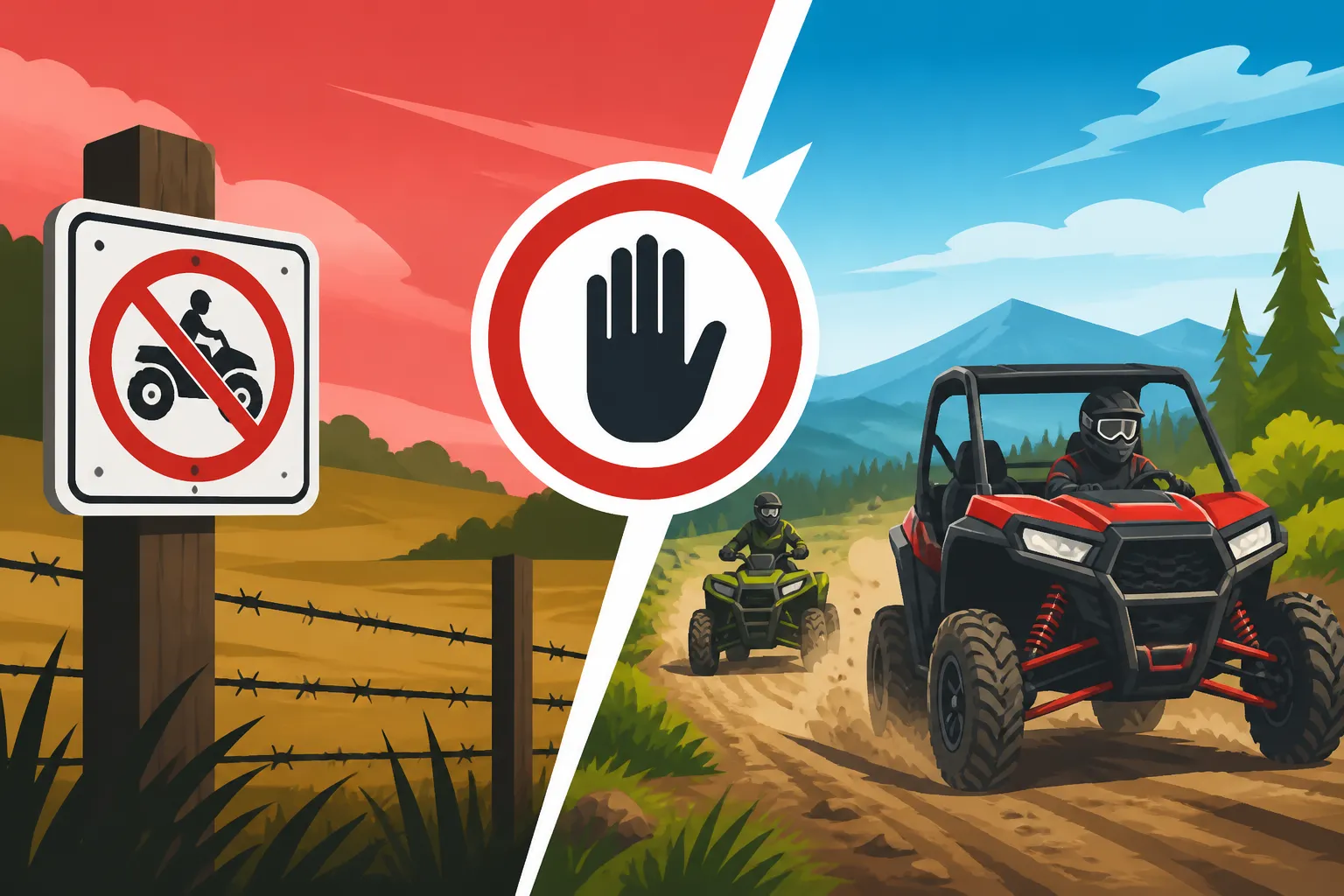
- "Private Property" or "No Trespassing" Signs: These are the most direct warnings. They can vary in size, material, and visibility, but their message is clear. Sometimes these signs might be smaller or on trees, so keep an eye out.
- Livestock: The presence of cattle, horses, sheep, or other livestock is a strong indicator of private ranch or farm land. Always give animals a wide berth and never disturb them.
- Painted Markers: Some landowners use coloured paint on trees, posts, or rocks along their property lines. While not universal, these can serve as subtle boundary markers.
Even if you don't see any of these overt signs, it's crucial to understand that all land is owned by someone – either privately or by the Crown (public land). If you are unsure, err on the side of caution and assume it's private. Riding on [Alberta Private Land Only] is a privilege, not a right, and requires express permission.
How to Obtain Permission to Ride
The best way to ensure you're riding legally on private land is to obtain permission from the landowner. This might sound daunting, but a polite, respectful approach often goes a long way.
- Identify the Landowner: This can be the trickiest part. You can sometimes find landowner information through local county or municipal offices, particularly their assessment or planning departments. Often, adjacent landowners (if you know them) might know who owns the parcel you're interested in. Online mapping tools or property search services can also sometimes help.
- Make Contact: Once you've identified the owner, try to make contact. A phone call or a respectful letter explaining your request is often best. Avoid showing up unannounced at someone's home with your machine idling.
- Be Clear and Courteous: Clearly state who you are, what you want to do (e.g., "I'd like to ride my side-by-side on your back forty, keeping to existing trails"), and for how long. Emphasize your commitment to responsible riding, like staying on marked trails, packing out what you pack in, and respecting their property and livestock. If you're riding with SuperATV accessories like a bed enclosure or cargo box, you can mention you're well-equipped to keep your gear secure and prevent litter.
- Seek Written Permission: While verbal permission can be valid, written permission is always preferable. It eliminates ambiguity and provides a clear record if any questions arise. A simple note with the landowner's name, date, their signature, your name, and a description of the permitted area and duration is usually sufficient. This documentation is invaluable, especially if you encounter another party or law enforcement while on the property. What should be in that document? [Permission From an Alberta Landowner] offers some great advice.
- Respect Their Decision: If a landowner declines your request, accept it gracefully. Their reasons might be complex, from liability concerns to ongoing operations or simply a desire for privacy. Pushing the issue will only create animosity.
Specifics for Grazing Leases and Industry Land
Alberta has a significant amount of Crown land that is leased to ranchers for grazing. These are known as grazing leases. While technically public land, they are managed by private individuals, and special rules apply to OHV access. The general rule of thumb for grazing leases is that you do not have an automatic right to ride your OHV on them. While some leases might have established public access points or trails, many do not. Always assume that permission is required, similar to private land. Key considerations include:
- Respecting Livestock: These areas are working ranches. OHVs can disturb cattle, especially during calving season. Keep your speed down, stay away from animals, and close any [Gates on a Lease Road] you open, or leave them as you found them.
- Consult the Leaseholder: Your best bet is always to contact the leaseholder directly and ask for permission. They are responsible for the land and its occupants and can advise on suitable routes or areas where riding is permissible. You can often find leaseholder information through Alberta Environment and Protected Areas.
- Industrial Land: Large tracts of land across Alberta are owned by oil and gas companies, forestry operations, or other industries. These lands are generally not open to public recreation due to safety concerns, ongoing operations, and liability. You will almost always see clear signage indicating "No Unauthorized Access" or similar warnings. Never assume these areas are open, even if you see what looks like an inviting trail or road. The heavy equipment and active operations can pose extreme hazards.
It's about being a good steward of the land, whether it's clearly private, a grazing lease, or industrial property. Tools like a winch or robust recovery gear from SuperATV can be vital for self-recovery, ensuring you don't inadvertently damage land by getting stuck and having to call for a tow.
Navigating Common Grey Areas and Misconceptions
The rules around land access in Alberta aren't always black and white, and many riders fall victim to common misconceptions. Clearing up these grey areas is essential for responsible riding.
"If There's No Sign, It's Open" – The Myth
This is perhaps the most dangerous and persistent myth in the OHV community. The idea that if land isn't explicitly posted with a "No Trespassing" sign, it's free for public use, is fundamentally incorrect and can lead to significant legal trouble. In Alberta, as in many jurisdictions, private property is private whether it's marked or not. The burden of proof is on the rider to ensure they have permission to be there.
Think about it this way: you wouldn't walk into someone's house just because their door wasn't locked and there wasn't a "No Entry" sign on the porch. Rural land operates on a similar principle. Many landowners, especially those with vast tracts of land, simply cannot afford the time or resources to fence and post every boundary marker, particularly in remote areas. Moreover, signage is often vandalized or removed. Just because a sign isn't visible doesn't mean the owner has forfeited their rights or granted implied permission. Always assume land is private unless you have explicit confirmation that it is public land open to OHV use, or you have direct permission from the landowner. A good rule is, "When in doubt, stay out."
Riding Along Roads, Ditches, and Utilities
This is a huge area of confusion for many riders. While not strictly "trespass" in the private property sense, riding in these areas can still be illegal and lead to fines or confrontations.
- Roads and Road Allowances: Most public roads in Alberta, including municipal, secondary, and even some gravel roads, are considered "highways" under the Traffic Safety Act. OHVs are generally prohibited from riding on these actual roadways. There are exceptions, primarily where municipalities have passed specific bylaws to open certain roads or for agricultural purposes, but these are rare and highly localized. Never assume a road is open to OHVs without verifying local bylaws first. You can consult [Alberta ATV Road Rules: Bylaws Decide] for more information.
- Ditches: The ditches alongside public roads are also typically considered part of the "highway" right-of-way. This means riding in them is usually prohibited under the same rules that govern the road itself. While it might seem like a harmless place to ride, it's legally treated as part of the public thoroughfare, and you can be ticketed for operating an OHV there. [Alberta Rules for Riding a Ditch] provides a more detailed explanation.
- Utility Rights-of-Way (ROWs): These are strips of land used for power lines, pipelines, or other infrastructure. While the utility company has an easement or right to access this land for maintenance, the underlying land ownership often remains private. Therefore, riding on utility ROWs typically requires permission from the landowner, not just the utility company. Access can also be restricted for safety reasons related to the infrastructure itself. Always investigate who owns the land under the ROW and seek their permission.
What to Do If You Suspect You've Trespassed
Even with the best intentions and careful planning, you might find yourself in a situation where you suspect you've inadvertently ridden onto private land. Here's how to handle it:
- Stop and Assess: As soon as you realize or suspect you're on private land, stop your machine safely. Do not try to quickly escape or hide.
- Turn Around Peacefully: The best course of action is usually to turn your machine around and return the way you came, exiting the private property as quickly and safely as possible.
- Be Polite and Cooperative: If you are confronted by a landowner, occupier, or law enforcement, remain calm, polite, and cooperative. Do not argue, raise your voice, or become defensive. Apologize sincerely for the intrusion, even if it was accidental. Explain that you were genuinely trying to avoid private land and offer to leave immediately.
- Do Not Make Excuses: Avoid making excuses or trying to shift blame. A simple, "I apologize, I must have gotten turned around, and I'm leaving now," is far more effective than trying to justify your presence.
- Provide Identification (if requested by law enforcement): If asked by a peace officer, provide your identification. If asked by a landowner, you are not legally obligated to provide ID unless a specific law enforcement officer is present and directing you to do so, but cooperating can sometimes de-escalate the situation.
- Learn from the Experience: After the encounter, take time to understand where you went wrong. Update your maps, review your route planning, and learn to better identify property lines in that area for future rides.
Promoting Responsible OHV Use in Alberta
Every OHV rider plays a role in shaping public perception and ensuring continued access to our beautiful Alberta landscapes. Responsible use isn't just about avoiding tickets; it's about stewardship and community.
Community Relations and Stewardship
Positive relationships with landowners, rural residents, and other land users are the bedrock of sustainable OHV recreation. When riders consistently trespass, damage property, or create nuisances, it fosters resentment and leads to tighter restrictions for everyone. Conversely, when riders are respectful, courteous, and mindful of their impact, it can open doors to new riding opportunities and improve the overall image of the OHV community.
- Be a Good Neighbour: When riding near rural communities, keep noise levels down, especially in the early mornings or late evenings. Avoid dust near homes or businesses.
- Leave No Trace: Always pack out everything you pack in. Don't litter. If you see trash, consider picking it up, even if it's not yours.
- Respect the Land: Stick to designated trails or areas where you have permission. Avoid sensitive environmental areas, riparian zones, and fragile alpine meadows. Consider equipping your machine with durable skid plates and other protective gear, perhaps from SuperATV, to minimize your impact on the trail itself.
- Engage with Local Communities: Support local businesses in areas where you ride. A friendly wave or a quick chat with a landowner can go a long way in building goodwill.
Equipping for Responsible Exploration
Being prepared with the right tools and information is crucial for responsible riding.
- Reliable Navigation: As mentioned, a GPS unit or a robust mapping app (like Avenza Maps with downloaded public land use zone maps) is invaluable. Make sure your device is fully charged and you know how to use it before you head out. Carry a backup power source.
- Physical Maps: Even with digital tools, a printed paper map of the area is always a good backup, especially in areas with no cell service or if your electronics fail.
- Safety Gear: Beyond the mandatory helmet (check [Alberta ATV Helmet Law Explained] for details), carry a first-aid kit, emergency shelter, fire starter, and communication devices (like a satellite messenger for remote areas).
- Emergency Supplies: Water, snacks, extra fuel, and basic repair tools can prevent a minor mishap from becoming a major problem. Ensure your SuperATV cargo solutions can comfortably carry these essentials.
- Local Knowledge: Before hitting a new area, seek out information from local sources—registry agents, sporting goods stores, or even local gas stations often have insights into riding conditions and land access.
Education and Advocacy
Staying informed and advocating for responsible riding are vital for the future of OHV recreation in Alberta.
- Stay Informed: Keep up-to-date on changes to provincial regulations, local bylaws, and land-use designations. Websites for Alberta Parks, Alberta Environment and Protected Areas, and municipal governments are good resources. Regularly check for [Alberta Fire Bans and Riding] updates, as these can suddenly close access.
- Join an OHV Club: Local OHV clubs often play a crucial role in maintaining trails, advocating for rider access, and educating members on responsible practices. They are a great source of information and camaraderie.
- Support Trail Development: If there are opportunities to volunteer for trail maintenance or contribute to organizations that build and manage legal OHV trails, consider getting involved. Every hour volunteered helps.
By proactively understanding land access, respecting property rights, and committing to responsible riding, Alberta's OHV community can ensure that the joy of off-road exploration remains accessible for generations to come.
Types of Land and OHV Access Rules in Alberta
| Land Type | General Ownership | OHV Access Status | Key Considerations for Riders |
|---|---|---|---|
| Private Land | Individual/Corporation | Prohibited without explicit permission | Always seek written permission from landowner. Respect fences, gates, and property. |
| Grazing Leases | Crown (leased) | Generally prohibited without leaseholder's permission | Contact leaseholder. Respect livestock, close gates, avoid disturbing operations. |
| Industrial Land | Corporation | Strictly prohibited without specific authorization (e.g., oil & gas, forestry) | Assume no public access. High safety risks from active operations. |
| Crown Land (PLUZ) | Public | Permitted in designated Public Land Use Zones (PLUZ) and trails, with rules | Stay on designated trails. Know PLUZ-specific rules (e.g., seasonal closures, camping). |
| Provincial Parks | Public | Generally prohibited outside designated areas/roads (very limited) | Most parks ban OHVs. Check specific park regulations carefully. |
| Road Allowances/Ditches | Public (part of "highway") | Generally prohibited by Traffic Safety Act, unless specific local bylaws allow | Treated as part of the public road; often illegal to ride. Check local bylaws. |
| Utility Rights-of-Way | Underlying land often private | Permission from landowner often required; check with utility for safety | May be private land. Safety concerns due to power lines, pipelines. |
Disclaimer
This article is for general informational purposes only and does not constitute professional advice. Laws, prices and regulations vary by location and change over time. Consult a qualified professional for guidance on your specific situation.