Which Riders the Turban Exemption Actually Covers
Navigating Alberta's off-highway vehicle (OHV) regulations can feel like trying to find your way through a dense forest without a map, especially when it comes to specific exemptions. Many riders wonder if they truly need a helmet every single time they hit the trails, and for those who wear a turban for religious reasons, the question becomes even more nuanced. This guide aims to clear up the confusion surrounding Alberta's helmet law and specifically clarify which riders are covered by the turban exemption, ensuring you can ride confidently and legally.
The Foundation: Alberta's Mandatory Helmet Law for OHVs
Before we dive into any exemptions, it's crucial to understand the fundamental rule: in Alberta, wearing an approved helmet is generally mandatory when operating or riding as a passenger on an off-highway vehicle on public land. This isn't just a suggestion; it's a critical safety regulation put in place to protect riders from serious head injuries, which are, unfortunately, all too common in OHV accidents. The province recognized the inherent risks of off-road riding, from rollovers to impacts with trees or the ground, and legislated helmets as a primary layer of defense.
This law applies broadly across all types of OHVs—ATVs, dirt bikes, side-by-sides, and snowmobiles—whenever you're on public land. This includes designated OHV trails, Crown land, and even the ditches alongside public roads. The intent is simple: if you're out there riding where the public can access, you need to be protected. For a comprehensive overview of the rules, you might want to read [Alberta ATV Helmet Law Explained].
What Constitutes an Approved Helmet?
The term "approved helmet" isn't left to interpretation. Alberta's Traffic Safety Act and its associated regulations specify that helmets must meet certain safety standards to be considered legal. Generally, this means a helmet must comply with standards set by organizations like the Canadian Standards Association (CSA), the U.S. Department of Transportation (DOT), or the Economic Commission for Europe (ECE). These standards involve rigorous testing to ensure the helmet can adequately absorb impact and protect the wearer's head in a crash.
When you're shopping for a helmet, always look for the certification sticker or label inside. It's not enough for a helmet to simply look sturdy; it needs to have undergone and passed these specific tests. Using a non-certified helmet, even if it feels robust, can lead to a ticket if an enforcement officer spots it, and more importantly, it offers inadequate protection. You can face a fine of [Alberta Helmet Fine Amount] for not wearing an approved helmet.
Why the Helmet Law Is So Important
The push for mandatory helmet laws stemmed from a clear understanding of the severe consequences of head injuries in OHV accidents. Even a seemingly minor fall can result in a concussion or more debilitating trauma if the head strikes a hard surface. Helmets are designed to distribute impact forces, absorb energy, and resist penetration, significantly reducing the risk of fatal or life-altering injuries.
Beyond personal safety, the law also reflects a broader public health interest. Serious head injuries place a heavy burden on the healthcare system and can lead to long-term care needs for individuals and their families. While the law might sometimes feel restrictive, its foundation is purely about safeguarding the well-being of riders and passengers. No matter what kind of equipment you have on your machine, whether it's heavy-duty suspension or accessories from a brand like SuperATV, safety gear like helmets remains paramount.
Delving into the Turban Exemption in Alberta
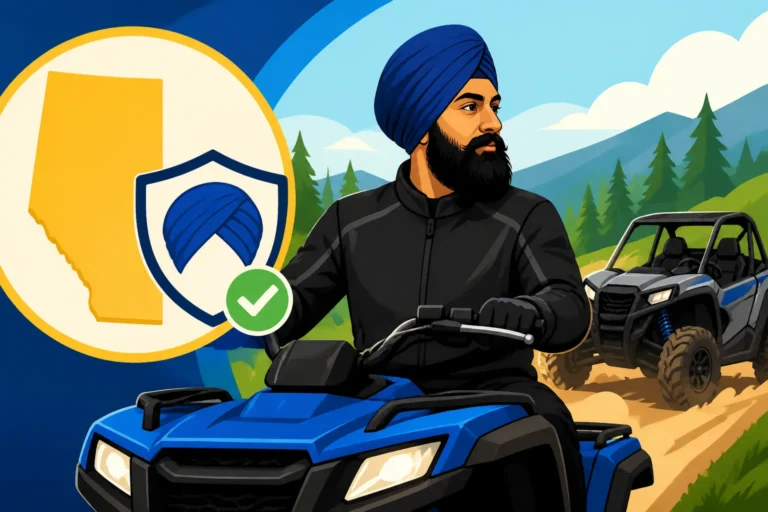
Now, let's address the specific exemption that often causes confusion: the turban exemption. Alberta's helmet law makes a specific allowance for individuals who wear a turban as a bona fide part of their religious practice. This exemption is not a blanket rule for anyone wearing any head covering; it is narrowly defined to respect deeply held religious beliefs while balancing public safety.
The exemption recognizes that for some Sikh individuals, a turban is an integral and inseparable part of their identity and religious observance. Requiring them to remove their turban to wear a helmet would be a direct infringement on their religious freedom. Therefore, the law provides an alternative for these specific riders. For more details on the history, you can read [Alberta Turban Exemption for Sikh Riders].
Who Exactly Does the Exemption Cover?
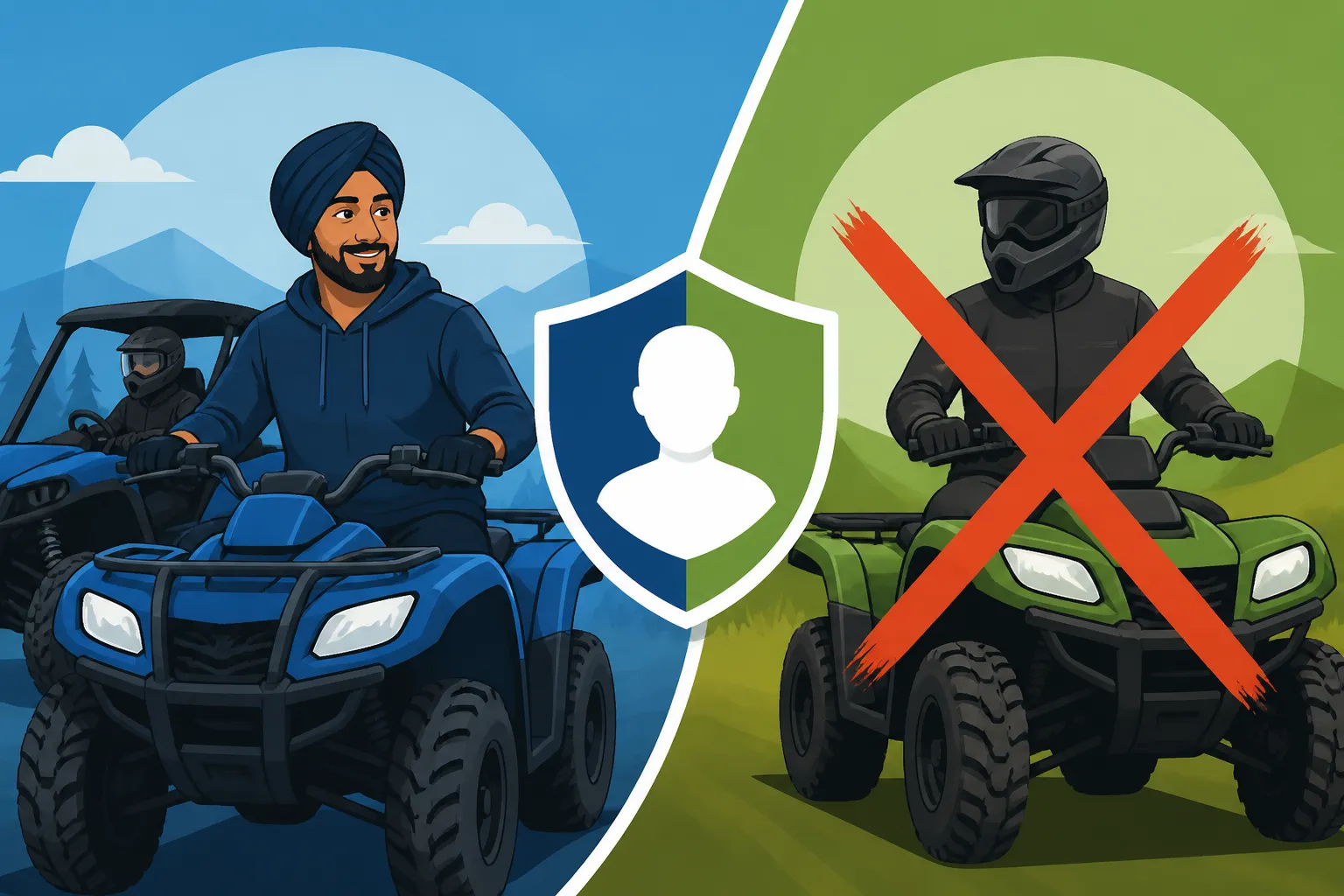
The turban exemption in Alberta specifically covers Sikh individuals who wear a turban as a bona fide part of their religion. This is a critical distinction. It means the exemption is not for:
- Someone wearing a scarf, bandana, or other non-religious headwear.
- Someone who is not Sikh but chooses to wear a turban for fashion or personal preference.
- Someone who identifies as Sikh but does not wear a turban as a required part of their faith.
The emphasis is on the religious obligation to wear a turban. An enforcement officer, while generally not interrogating religious beliefs, is looking for a genuine and consistent religious practice. It's about respecting sincere religious observance, not creating a loophole for helmet avoidance. It's important to understand the nuance, as incorrectly assuming you're exempt could lead to fines.
The Legal Basis and Historical Context
The turban exemption isn't unique to Alberta; similar provisions exist in other Canadian provinces and jurisdictions globally. It stems from legal challenges and advocacy for religious freedom, which ultimately led to amendments in traffic safety legislation. In Alberta, this exemption is codified within the Off-Highway Vehicle Regulation (part of the Traffic Safety Act), specifically addressing the requirement for helmets.
This legal framework ensures that while the general rule mandates helmets for safety, there is an accommodation for sincerely held religious beliefs. It's a balance struck between the state's interest in protecting its citizens and the individual's right to freedom of religion. This careful consideration underlines the specific nature of the exemption—it's not a casual opt-out but a recognition of profound cultural and religious identity.
Practical Considerations for Turban-Wearing Riders
Even with a legitimate exemption, there are practical considerations for turban-wearing riders to ensure their safety and avoid unnecessary interactions with law enforcement. While the law grants the exemption, it doesn't diminish the inherent risks of OHV riding. Staying safe means being extra vigilant and proactive in other areas.
One crucial aspect is understanding that the exemption only applies to the helmet requirement. All other OHV regulations, such as those regarding registration, insurance, age limits, and machine equipment (like working headlights and a spark arrestor), still apply fully. An officer can still stop you for other infractions, and you'll still need to carry your [Alberta Proof of Insurance on Demand] and your [Does a Printed Registration Certificate Count on the Trail?] certificate.
Enhancing Safety Without a Helmet
For riders utilizing the turban exemption, safety becomes even more paramount. While a helmet provides direct head protection, there are other ways to mitigate risk:
- Ride Responsibly: This is the most critical factor. Avoid excessive speed, dangerous maneuvers, and riding under the influence of alcohol or drugs. Responsible riding minimizes the chance of an accident in the first place.
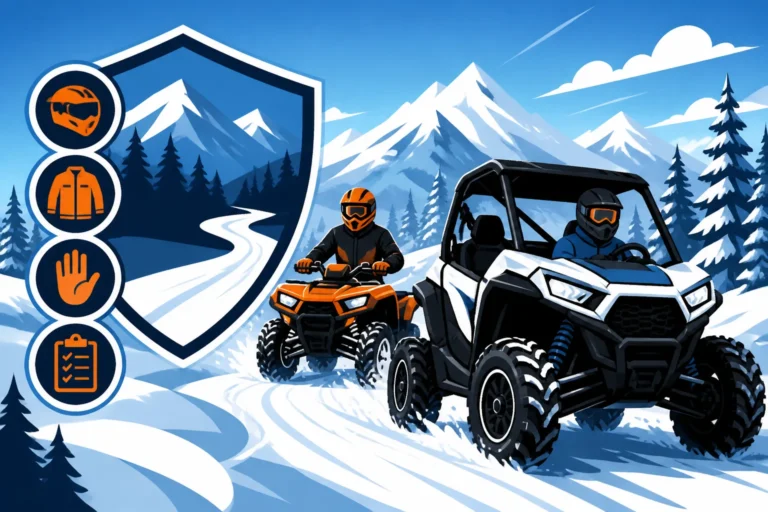
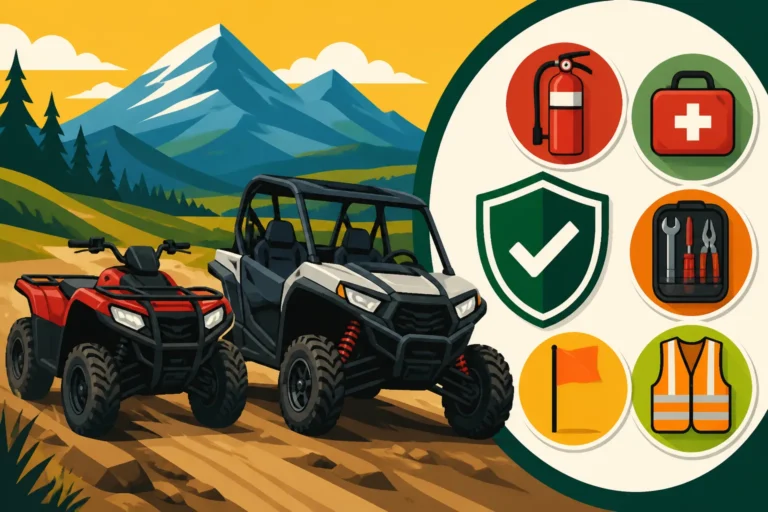
- Wear Other Protective Gear: Gear like eye protection (goggles or glasses), sturdy gloves, long sleeves and pants, and over-the-ankle boots are still essential. These protect against debris, branches, falls, and scrapes.
- Choose the Right Machine: If you're riding a side-by-side, ensure it has a robust rollover protection structure (ROPS) and wear your seatbelt. Many manufacturers, and aftermarket providers like SuperATV, offer enhanced roll cages and safety accessories that can provide an extra layer of protection in the event of a rollover.
- Know Your Limits and the Terrain: Don't attempt trails or maneuvers beyond your skill level or the machine's capabilities. Always be aware of the terrain, weather conditions, and potential hazards.
- Ride with Others: Riding in a group means someone is there to help if an accident occurs. Always let someone know your planned route and expected return time.
What to Expect if Stopped by Law Enforcement
While officers are generally aware of the turban exemption, you might still be stopped. It's important to remain polite and cooperative. If an officer questions your lack of a helmet:
- Politely explain that you are Sikh and wear a turban as a bona fide part of your religion, and that you are therefore exempt under Alberta's OHV regulations.
- Be prepared to explain if asked, though officers are typically instructed to accept a sincere declaration. They are not usually permitted to demand proof of your religious affiliation, but a clear, respectful explanation is always best.
- Ensure all other paperwork is in order: Your registration, insurance, and identification should be readily accessible. As noted earlier, the exemption only applies to the helmet, not to other mandatory requirements for safe and legal riding on public land.
Here’s a quick overview of helmet requirements:
| Scenario | Helmet Required? | Exemption Applies? | Notes |
|---|---|---|---|
| Riding on Public Land (General) | Yes | No | Mandatory for all operators and passengers. |
| Riding on Private Land (With Permission) | No | Not applicable (no general requirement) | Provincial helmet law does not apply on private property with landowner's permission. |
| Sikh individual wearing a Turban (Public Land) | No | Yes (for bona fide religious reasons) | Must genuinely be part of religious observance. |
| Passenger in a Side-by-Side (Public Land) | Yes | Only if the passenger is Sikh and wears a Turban | Side-by-sides with ROPS and seatbelts may have specific rules, but helmets are generally required for all unless exempt. |
Beyond the Turban: Other Exemptions and Clarifications
While the turban exemption is specific, it’s worth noting that other exemptions or conditions sometimes apply to Alberta’s OHV helmet laws, though they are much less common in recreational contexts.
One significant point of clarity is that the helmet law primarily applies when operating an OHV on public land. If you are riding on private land that you own or have explicit permission to ride on, the provincial helmet law typically does not apply. This is an important distinction for farmers, ranchers, or anyone with acreage who uses their ATV for work or recreation entirely within their private property. This is discussed in more detail in [Alberta Private Property Helmet Exemption].
Enclosed Cabs and Rollover Protection
For some types of OHVs, particularly certain models of side-by-sides (UTVs) that come equipped with full factory-installed cabs, windshields, doors, and seatbelts, there can be specific nuances. If a side-by-side has an adequate rollover protection structure (ROPS) and the occupant is properly restrained by a seatbelt, some jurisdictions make allowances. However, in Alberta, the general rule is still a helmet on public land unless an explicit exemption applies. It’s always best to check the absolute latest regulations, as interpretations can sometimes evolve. While additions like a SuperATV roof or full enclosure kit enhance comfort and protection from elements, they generally do not negate the helmet requirement on their own without specific legislative backing.
Farm and Ranch Work Exemption
Another area where some confusion can arise is with farm or ranch vehicles. There are specific exemptions for farm-related activities, which might include certain types of OHVs being used solely for agricultural work on private or leased lands. However, this is generally for the registration of the machine, not necessarily a blanket exemption from helmet laws when operating on public roads or lands for non-agricultural purposes. For more on this, you can look into [Alberta's Farm Exemption From Registration]. The helmet rule usually holds for anyone out riding recreationally, regardless of their profession.
Ultimately, Alberta's OHV regulations aim to foster both safety and respect for diverse communities. The turban exemption is a thoughtful example of how laws can be adapted to accommodate religious freedom without entirely compromising the spirit of safety. By understanding the specifics of this exemption, and continuing to prioritize safe riding practices, all riders can enjoy Alberta's incredible off-highway experiences responsibly.
Disclaimer
This article is for general informational purposes only and does not constitute professional advice. Laws, prices and regulations vary by location and change over time. Consult a qualified professional for guidance on your specific situation.