What Alberta Means by Close Supervision
It’s a scenario many of us in Alberta have faced: you’ve got an eager young rider, perhaps your own child or a grandchild, who absolutely lives for hitting the trails on an off-highway vehicle (OHV). They’re good riders, responsible even, but they’re not quite 14 yet. This often leads to a lot of head-scratching about what "close supervision" actually entails under Alberta law. This guide is here to clear up that confusion, diving deep into the specifics so you can ride confidently and legally with the young enthusiasts in your life.
Understanding Alberta's Age Restrictions for OHV Riders
Let’s be honest, seeing your kids' eyes light up when they get to ride is one of the best parts of having an OHV. But Alberta has clear rules about who can ride when, especially when it comes to age. It’s not just about a kid’s skill level, which can often be surprisingly high; it’s about legal requirements designed for safety and accountability.
The Baseline: Who Can Ride Unsupervised?
The general rule of thumb in Alberta for riding an OHV on public land is that a rider must be 14 years of age or older to operate a machine completely by themselves. This is a pretty significant milestone for young riders, marking their transition from needing direct oversight to having the freedom to explore independently (within the bounds of the law, of course!).
This age requirement is set to ensure a certain level of maturity and understanding of the rules of the trail, as well as the ability to handle unexpected situations without immediate adult intervention. We’ve all seen capable younger riders, but the law draws a line for good reason. It can be a real frustration for parents of an incredibly competent 12-year-old who feels ready for anything, but the law is pretty black and white on this. You might be surprised to learn more about [Alberta's Minimum Age of 14 on Public Land] and what it means for your family.
When Younger Riders Are Allowed Under 14
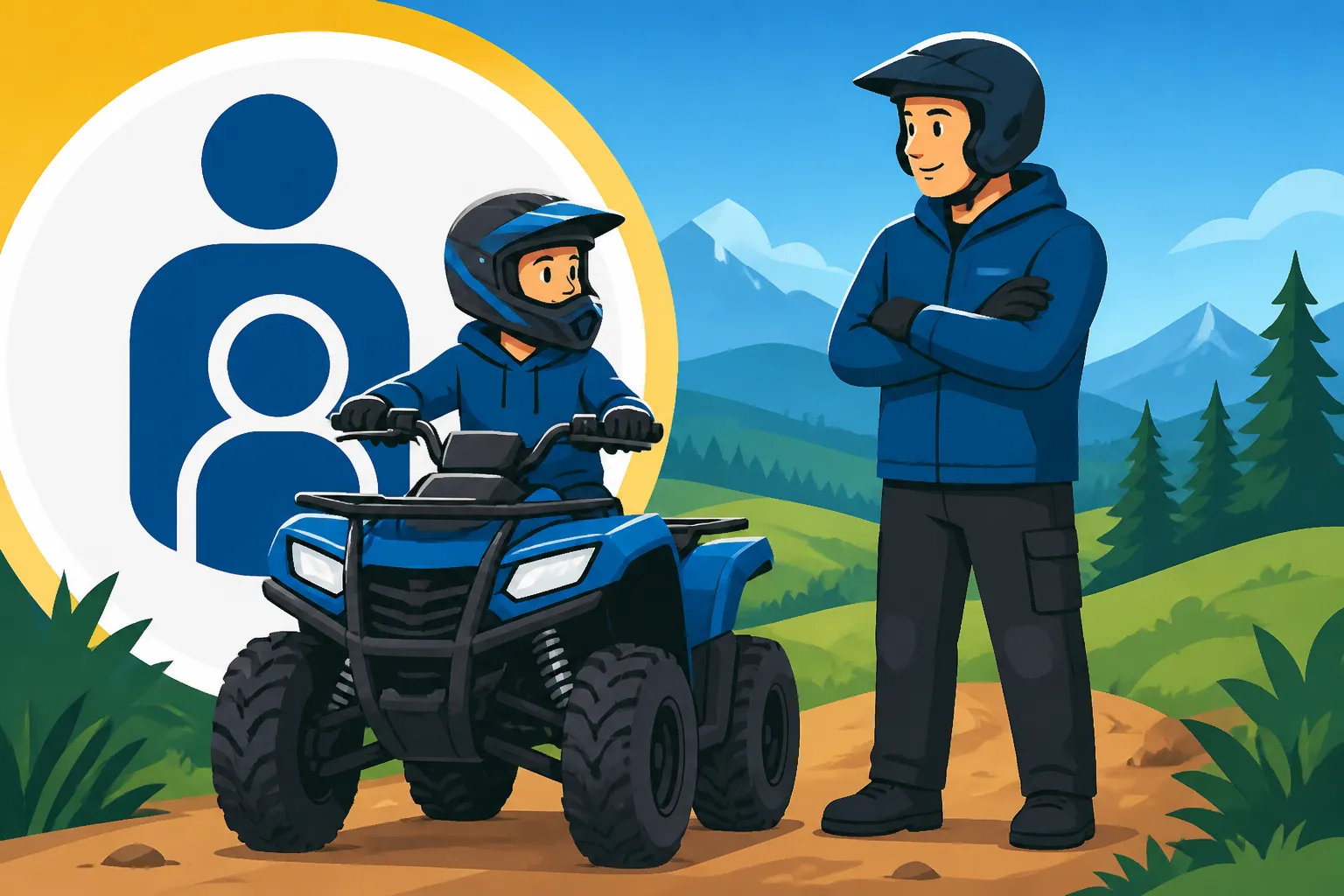
For those under the age of 14, the rules change considerably. They are absolutely allowed to ride, but they must be under "close supervision" by an adult. This isn't just a suggestion; it’s a legal requirement outlined in Alberta’s Off-Highway Vehicle Regulation.
It’s important to remember that this rule applies specifically to public lands, like designated trails in Public Land Use Zones (PLUZs), Crown land, or even some ditches that are considered part of the highway system. If you're riding exclusively on private land that you own or have explicit permission to use, certain aspects of the OHV regulations, including age and supervision, may not apply in the same way. However, for most recreational riders venturing out, public land rules are key. The challenge here is defining what "close supervision" truly means in a practical sense, which is often where the confusion begins.
Deconstructing "Close Supervision" in Alberta
The term "close supervision" sounds straightforward enough, but its practical application on a vast open trail can be a bit nebulous. Is it enough to be in the same general area? Do you need to be able to see them at all times? Alberta law, while not giving an exact metre-by-metre distance, provides a clear intent that helps us understand.
Proximity and Visibility: What Does "Close" Mean?
In Alberta, "close supervision" for an OHV rider under 14 years old essentially means that the supervising adult must be within a distance that allows them to maintain continuous visual and auditory contact with the young rider, and be able to intervene immediately if necessary.
Think of it this way: you shouldn't just be "somewhere on the same trail system." You need to be actively monitoring the young rider. This usually means riding directly behind them, or sometimes even alongside them, especially on wider trails or open areas. If you round a bend and your young rider is out of sight, even for a few seconds, you've likely exceeded the spirit of "close supervision." The idea is that if they get into trouble – perhaps stall, encounter an obstacle, or have a minor tumble – you can be there in an instant to help. It's not about being able to see them a kilometre away; it's about immediate proximity and the ability to act. For a deeper dive into who can be that guiding hand, check out [Alberta Adult Supervision at 18]. And if you're wondering about the specifics, you'll find more helpful details in [Alberta Rules for a Supervising Adult].
Here’s a quick breakdown of what counts and what doesn't:
| Action | Meets "Close Supervision" Criteria? | Rationale |
|---|---|---|
| Riding directly behind the youth | Yes | Immediate visual contact and ability to intervene. |
| Riding alongside the youth | Yes | Direct contact, easy communication and intervention. |
| Youth leads, adult follows within sight/sound | Yes | Maintains continuous monitoring and quick response. |
| Youth rides ahead, adult stops for a break | No | Breaks continuous supervision; immediate intervention is lost. |
| Adult on a separate trail, "nearby" | No | Lacks immediate visual/auditory contact and intervention capability. |
| Adult in a parked vehicle at the trailhead | No | No direct supervision on the trail. |
The Role and Responsibilities of the Supervisor
Being a supervisor isn't just about being present; it comes with significant responsibilities. The supervising adult must be 18 years of age or older. This isn't just a number; it implies a legal and moral obligation. When you’re supervising a minor on an OHV, you are, in essence, legally responsible for their actions and safety on the trail.
This means you need to ensure they are riding appropriately for their skill level and the trail conditions, adhering to all safety regulations (like wearing an approved helmet), and not engaging in risky behaviour. The supervisor should also be proficient in operating an OHV themselves, capable of assessing hazards, and able to provide instructions and assistance. It’s about more than just a babysitting role; it's active mentorship and safety enforcement. You’re not only teaching them how to ride, but also how to be a responsible and respectful member of the OHV community. You can't just send them off with a general instruction to "be safe" and expect to meet the legal definition.
Practical Implications and Common Misunderstandings
Navigating the nuances of OHV regulations for young riders can feel like a maze sometimes. But understanding the practical implications of "close supervision" can make all the difference for a safe, legal, and enjoyable family outing. It’s not just about avoiding a ticket; it’s about fostering a love for the sport responsibly.
Choosing the Right Machine for a Young Rider
One of the most common pitfalls isn't even directly about supervision, but it plays a huge part in it: putting a young rider on a machine that's too big or too powerful for them. Manufacturers often provide age guidelines for their youth models, and these aren't just suggestions – they're based on extensive safety testing and ergonomic considerations. A child who can barely reach the controls or whose feet don't touch the ground can't truly operate the machine safely, no matter how "close" their supervisor is.
This is where thoughtful choices come into play. Many youth machines have features like speed limiters that parents can adjust as their child gains experience. Accessories can also play a role in making a machine safer and more manageable for a young rider. For instance, brands like SuperATV offer various parts and accessories, some of which could potentially help customize a youth machine for better control or stability, making the supervisor's job a little easier in ensuring safe operation. Always consider the child's size, strength, and experience level when choosing an OHV. A smaller, less powerful machine allows for better control and builds confidence without overwhelming them.
Carrying Proof and Being Prepared
Imagine this: you're out on a beautiful trail in a PLUZ near Rocky Mountain House, enjoying a ride with your 12-year-old. Suddenly, you encounter an Alberta Fish and Wildlife officer or an RCMP patrol. They have every right to stop you and ask questions, including verifying the age of the rider under supervision and confirming that the supervisor is indeed 18 or older. This is why being prepared is so crucial.
Always carry identification for yourself that proves your age. While a birth certificate isn't practical for a child on a quad, having some form of ID that helps verify their age, or at least being able to clearly state their birthdate, can be helpful. Beyond identification, ensure everyone has an approved helmet that meets CSA standards, proper riding gear, and a basic first-aid kit. Knowing [What an Alberta Officer Can Ask to See] will help you feel more confident if you're ever stopped.
Furthermore, remember to adhere to all other OHV regulations, such as having your OHV registered and insured if on public land, and ensuring your machine has proper lighting and a spark arrestor. These might seem like separate issues, but they all contribute to being a responsible rider, which makes interactions with enforcement officers much smoother. Being proactive about these details shows respect for the rules and for the safety of everyone on the trails.
Disclaimer
This article is for general informational purposes only and does not constitute professional advice. Laws, prices and regulations vary by location and change over time. Consult a qualified professional for guidance on your specific situation.