Dust Near a Farmyard
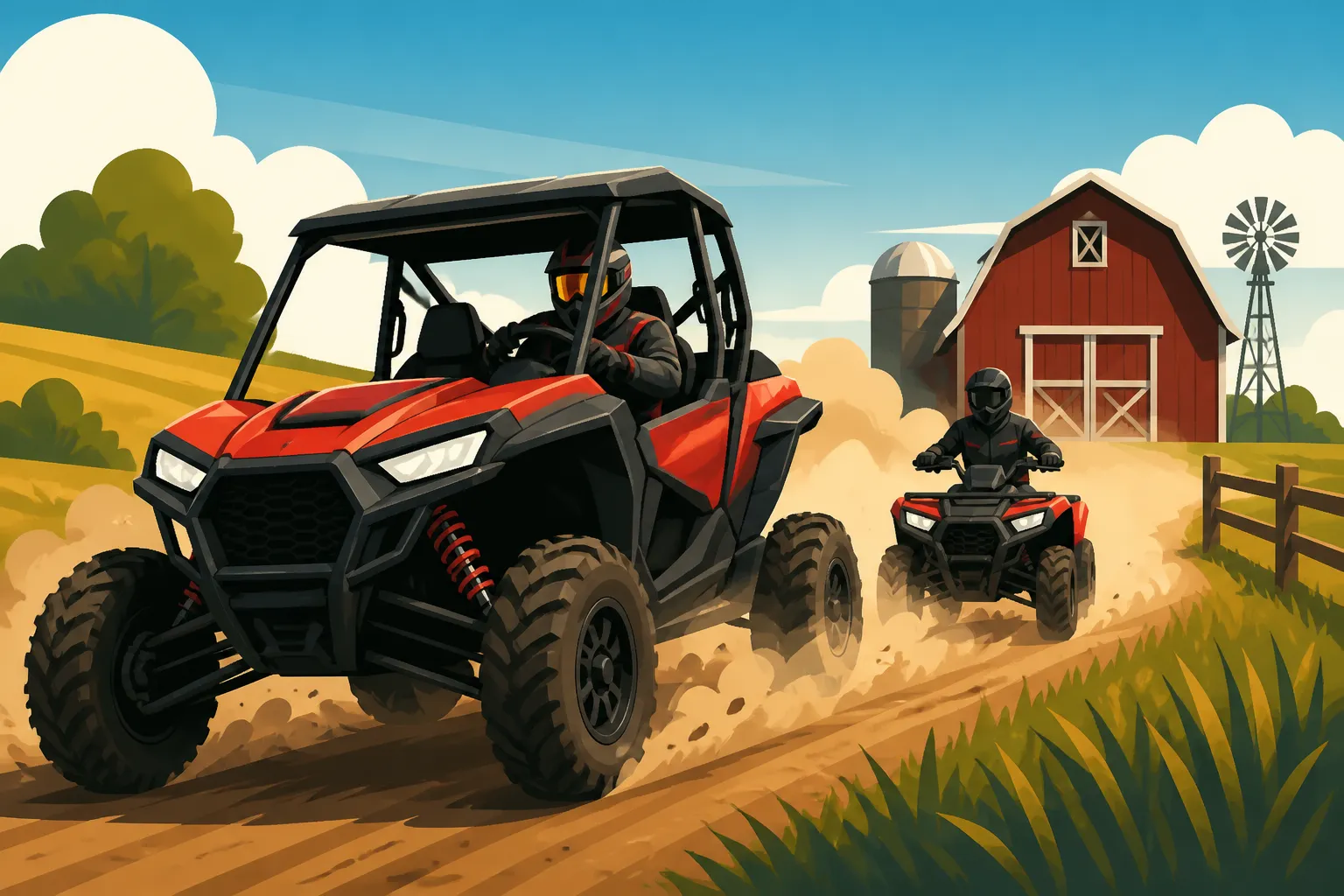
There's nothing quite like the open air and the rumble of your ATV or UTV on a gravel road or a well-used trail. But for those living in rural Alberta, especially near busy routes, the joy of a passing off-highway vehicle can quickly turn into a cloud of frustration—literally. The dust kicked up by OHVs near farmyards isn't just a minor inconvenience; it's a real issue that impacts health, property, and community relations. This guide is here to shed some light on why this happens, why it's such a big deal for rural residents, and most importantly, what we as riders can do to be better neighbours and minimize the dust we leave in our wake.
Understanding the Impact of OHV Dust Near Farmyards
When you're out enjoying your machine, a little dust cloud might seem like a natural part of the experience. But from the perspective of someone living right next to that dusty road or trail, it's an entirely different story. Imagine trying to hang laundry, grow a garden, or simply enjoy a quiet evening on your porch, only for a thick plume of dust to roll over your property multiple times a day. It’s not just annoying; it has tangible consequences.
Health and Property Concerns from Dust
The microscopic particles stirred up by OHVs aren't just dirt; they can be a cocktail of soil, sand, organic matter, and even vehicle-related contaminants. When these particles become airborne and settle on farmyards, they bring a host of problems. For residents, inhaling fine particulate matter can exacerbate respiratory issues like asthma, cause eye irritation, and even contribute to more serious long-term health problems. It's a silent intruder that can significantly diminish air quality around homes and outbuildings.
Beyond personal health, property takes a hit too. Windows, siding, vehicles, and outdoor furniture all get coated in a persistent layer of grit, requiring constant cleaning. Gardens and crops can be choked by dust, hindering growth and making produce unappealing or even unhealthy for consumption. Livestock facilities can also suffer, as dust infiltrates barns and feed areas, potentially affecting animal health and feed quality. For a rural household, dust from a passing OHV isn't just an eyesore; it's an added chore, a health risk, and a direct impact on their daily living and livelihood.
The Legal and Social Ramifications of Dust
While there isn't a specific "dust law" targeting OHVs, the cumulative effect of excessive dust can certainly lead to problems. Repeated dust clouds can be seen as a nuisance, potentially leading to complaints to local authorities or even civil action in extreme cases. If dust is impacting a neighbour's health or their ability to conduct their farming operations, it's a serious matter. [Alberta Noise Complaints About Quads] are often tied to dust and speed as well.
More broadly, chronic dust issues can severely strain community relationships. No one wants to be "that rider" who makes neighbours dread their presence. Rural communities thrive on mutual respect and understanding. When OHV users consistently create dust problems, it erodes trust and can lead to increased calls for stricter local bylaws or even outright bans on OHV use in certain areas. It's a classic case where a few inconsiderate actions can spoil it for everyone, leading to broader restrictions that impact responsible riders too.
Why Dust Becomes a Problem for Rural Residents
Understanding why the dust is such an issue from a resident's perspective is key to finding solutions. It’s not just about the volume of dust, but also its frequency, duration, and proximity to where people live and work.
Proximity and Frequency of OHV Traffic
The core of the problem often lies in proximity. Many rural roads and trails pass directly by farmyards, acreages, and homes. When OHVs are using these routes regularly, especially during dry periods, the dust generated is a continuous assault. A single vehicle kicking up dust might be tolerable, but when there's a steady stream of OHVs throughout the day, the air never gets a chance to clear. This is particularly true for popular staging areas or routes leading to larger trail systems.
Consider a farm where a main access road runs just metres from the house. Every time an OHV passes, a fresh cloud envelops the property. Multiply that by dozens of passes a day, and you have a constant film of dust covering everything. Residents might feel trapped, unable to enjoy their outdoor spaces or even open their windows without inviting the dust in. This constant exposure is what transforms a temporary annoyance into a significant quality-of-life issue.
Dry Conditions and Vehicle Speed as Magnifiers
Alberta's climate often features long dry spells, especially in the summer months. These conditions turn gravel roads and dirt trails into prime dust-generating surfaces. The drier the ground, the finer the dust particles, and the more easily they become airborne. This natural factor, combined with human behaviour, creates the perfect dust storm.
Speed is perhaps the biggest accelerator of dust production. The faster an OHV travels, the more air it displaces and the greater the suction and turbulence created by its tires, lifting more material off the ground. A vehicle travelling at highway speeds on a gravel road can create a truly massive dust cloud that lingers for minutes. Even on trails, excessive speed through dry areas close to residences will have the same effect. It’s a simple equation: speed plus dry conditions equals maximum dust. Reducing speed is often the single most effective way to cut down on dust output.
Practical Strategies for Riders to Reduce Dust
As riders, we have a responsibility to be mindful of our impact, especially when our passion for the trails brings us close to residential areas. The good news is there are many practical steps we can take to significantly reduce the dust we generate, improving relations with our rural neighbours and ensuring continued access to our favourite riding spots.
Adjusting Speed and Driving Habits
This is the number one strategy, and it costs absolutely nothing. When you are approaching or passing a farmyard, an acreage, or any rural residence, slow down. Significantly. Not just a little, but to a speed that barely kicks up any dust at all, perhaps 15-20 km/h or even slower if conditions are very dry. Think of it as driving through a small hamlet or past a school zone. The slower you go, the less air is disturbed, and the less dust is lifted. It's a sign of respect and common courtesy.
Beyond just speed, consider your line. While it might feel natural to hug the centre of a gravel road, sometimes riding closer to the edge can reduce the dust cloud that drifts towards a nearby home, especially if there's some vegetation or a ditch between you and the residence. Also, avoid aggressive driving like sudden accelerations or hard braking in dusty areas, as these actions whip up more material than smooth, consistent travel. Remember, a little thoughtfulness goes a long way towards being a good neighbour and preserving [Riding Quietly Past Acreages].
Machine Maintenance and Aftermarket Solutions
While riding habits are paramount, your machine itself can play a role. Well-maintained tires with appropriate tread for the conditions can sometimes generate less dust than overly aggressive or worn-out tires that churn the ground unnecessarily. Keeping tire pressure at recommended levels also helps, as over-inflated tires can sometimes dig more aggressively into loose surfaces.
For those looking to go a step further, some aftermarket accessories can help contain dust within the vehicle or protect the rider from dust that's unavoidable. For instance, a quality windshield or a full cab enclosure on a side-by-side can significantly reduce the amount of dust that gets into the cab, making the ride more comfortable for you and your passengers. Brands like SuperATV offer a range of windshields, rear panels, and door enclosures that can help create a more sealed environment. While these won't stop your tires from kicking up dust that affects a farmyard, they improve the riding experience and show a commitment to machine care. Additionally, ensure your air filter is regularly cleaned or replaced; a clean filter not only protects your engine but also ensures your machine is running efficiently, which can contribute to smoother power delivery and less aggressive ground disturbance.
Here's a quick look at factors affecting dust and simple solutions:
| Factor | How it Contributes to Dust | Rider Solution |
|---|---|---|
| Speed | Higher speeds create more air turbulence, lifting more particles. | Significantly reduce speed when near residences. |
| Dry Conditions | Loose, dry soil and gravel are easily airborne. | Be extra cautious and slow in dry weather; choose alternate routes if possible. |
| Tire Tread | Aggressive or worn treads can churn up more material. | Use appropriate tires for terrain; maintain proper tire pressure. |
| Wind | Carries dust further and makes it linger. | Be aware of wind direction; avoid riding upwind of residences. |
| Riding Style | Hard acceleration, braking, and quick turns stir up dust. | Maintain smooth, consistent acceleration and braking. |
Communication and Local Bylaws
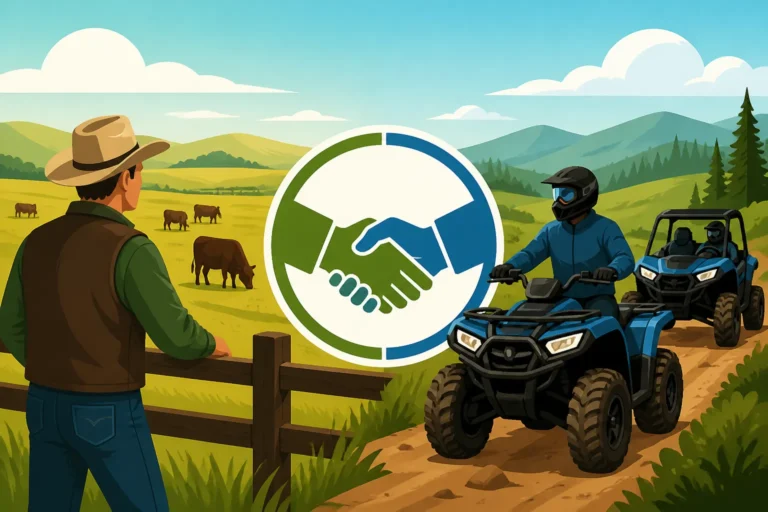
Sometimes, the best solution is simply to talk to your neighbours. If you know you'll be riding a route frequently, or if there's a particular section that's very dusty near a home, a friendly conversation can work wonders. Explain that you're aware of the dust and are making an effort to reduce it. Sometimes, just knowing that riders are considerate can de-escalate tensions. You might even find a neighbour who understands and appreciates your efforts.
It's also crucial to be aware of [Alberta ATV Road Rules: Bylaws Decide] and local municipal bylaws regarding OHV use, especially those that might address speed limits on rural roads or within certain proximity to residences. Some counties or municipalities may have specific regulations about where and when OHVs can be operated to mitigate issues like dust and noise. Ignorance of the rules is never a valid excuse, and staying informed helps you ride responsibly. Check your local county or municipal website for specific bylaws before you head out.
Navigating Disputes and Fostering Community Harmony
Even with the best intentions, conflicts can arise. Knowing how to handle a complaint or a tense interaction can make all the difference in maintaining access and positive community relations.
When Things Go Wrong: Dealing with Complaints
If a resident approaches you about dust, or if you receive a complaint, the most important thing is to respond calmly and respectfully. Listen to their concerns without immediately becoming defensive. Acknowledge their frustration and explain the steps you are taking to mitigate the problem. If you haven't been slowing down, commit to doing so. A genuine apology and a promise to be more mindful can often resolve the issue on the spot. Remember, you're representing the entire OHV community.
Sometimes, issues are best mediated by local authorities. If a direct conversation doesn't resolve things, or if you feel unsafe, you might need to contact the local RCMP or community peace officers. They can often provide guidance on local bylaws and mediate disputes, ensuring a fair resolution for all parties. It's always better to address issues proactively rather than letting them fester, potentially leading to more severe penalties under [Alberta Penalties for Riding Unregistered] or [Alberta Trespass Law for Riders] if the situation escalates.
Proactive Measures for Long-Term Solutions
Beyond individual actions, there are broader steps that can help foster harmony. Rider groups and clubs can work with local municipalities and landowners to identify problematic dust areas and explore solutions. This might include advocating for dust abatement programs on heavily used gravel roads (though this is a municipal responsibility), or even helping to reroute trails further away from residences where feasible.
Promoting responsible riding etiquette, including strict adherence to speed limits near homes, is a collective effort. Educating new riders about the impact of dust and the importance of being a good neighbour ensures that these practices become standard. By demonstrating a commitment to responsible riding, the OHV community can build trust with rural residents and ensure that the joy of off-roading can be sustained for everyone in Alberta. Remember, every time you choose to ride responsibly, you’re helping to secure the future of OHV recreation in our beautiful province.
Disclaimer
This article is for general informational purposes only and does not constitute professional advice. Laws, prices and regulations vary by location and change over time. Consult a qualified professional for guidance on your specific situation.