Alberta Rules for a Visiting Montana Rider
Planning an off-road adventure from Montana to Alberta with your ATV or UTV? That's exciting! But let's be real, crossing borders, even between friendly neighbours, can feel like navigating a legal minefield. You've got your machine, you've got your gear, but the last thing you want is a surprise ticket because you missed a crucial detail about Alberta's off-highway vehicle (OHV) rules. This guide is here to untangle the specifics, helping Montana riders understand what they need to know to enjoy Alberta's incredible trails and landscapes without a hitch.
Understanding Alberta's Off-Highway Vehicle Basics for Visitors
When you're rolling your rig up from Montana, it's easy to assume that if it's legal back home, it's legal everywhere. Alberta has its own set of rules, though, especially concerning how long you can ride on your out-of-province registration and what equipment is mandatory. Getting these details sorted beforehand means more time on the trails and less time worrying about regulations.
The 30-Day Rule for Out-of-Province Machines
One of the biggest questions Montana riders have is about registration. You're probably thinking, "I'm only visiting for a week, do I really need to re-register my quad?" Good news: Alberta offers a temporary grace period for visiting OHVs. You can operate your ATV or UTV with its valid Montana registration for up to 30 consecutive days. This is a huge relief for short-term visitors, allowing you to enjoy the scenery without immediate bureaucratic hurdles.
However, that "consecutive" part is key. It's not 30 days spread out over a year; it's 30 days from the moment your machine enters Alberta. If you're planning an extended stay, perhaps for a long-term work project or a leisurely summer exploring the Rockies, you'll need to pay close attention. Once those 30 days are up, your Montana registration is no longer sufficient for riding on Alberta's public lands. An officer can ask you to prove when your machine entered the province, so having some documentation like border crossing records or even dated fuel receipts from Alberta can be helpful. This rule is in place to ensure that anyone who becomes a semi-permanent resident is contributing to the local system, even if they're not officially moving here. Understanding [Alberta's 30-Day Rule for Out-of-Province Machines] is critical.
Registration Requirements and Exemptions for Visitors
So, what happens if your stay stretches beyond the 30-day window? At that point, your OHV needs to be registered in Alberta. This means a trip to a local registry agent, much like an Albertan would do. You'll need proof of ownership – your Montana title or registration will work – and you'll go through the process to get an Alberta OHV registration certificate and plate. This can feel like a bit of a chore when you're just visiting, but it's a necessary step if your adventure extends past that initial month.
For the most part, visitors from Montana will use their existing registration, as long as it's valid, for those first 30 days. There aren't many specific exemptions for visitors beyond this grace period. This is why planning your trip duration and understanding your obligations is so important. If you're considering moving to Alberta permanently with your OHV, then the 30-day rule becomes a countdown to getting your Alberta registration squared away. Don't let a misunderstanding of this timeframe cut your adventure short; a quick check with an Alberta registry can clear up any doubts. Keep in mind that [Alberta Issues a Plate, Not a Sticker], so you'll get a physical plate if you register here.
Proof of Ownership and Residency
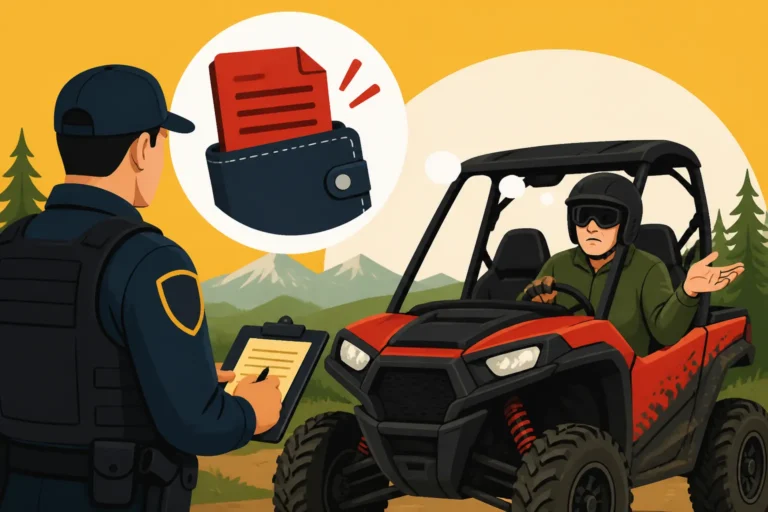
When you're out riding on Alberta's public lands, an officer has the right to ask for proof of ownership and insurance for your OHV. As a Montana visitor, you should always carry your current Montana registration and, ideally, your proof of insurance. This directly shows that your machine is legally registered in your home state.
For the 30-day grace period, proof of residency in Montana is what validates your ability to ride on your out-of-province plates. This could be your Montana driver's license, which serves as your primary ID and proof of where you reside. The officer isn't trying to give you a hard time; they're simply ensuring that you fall within the allowed visitor period. Having these documents readily accessible, perhaps in a waterproof bag with other essentials, will make any encounter with law enforcement smooth and quick. It's a good habit to always have your papers on you, whether you're riding in Montana or enjoying the vastness of Alberta. Your Montana driver's license will usually suffice for [Carrying Proof of Residency].
Essential Equipment and Safety Regulations for All Riders
Beyond registration, Alberta has some firm rules about how your OHV needs to be equipped and how you, as a rider, must operate it. These aren't just suggestions; they're legal requirements designed for safety and environmental protection. While many of these are similar to Montana's, some nuances are important for a visitor to understand to avoid fines.
Helmet Laws and Standards
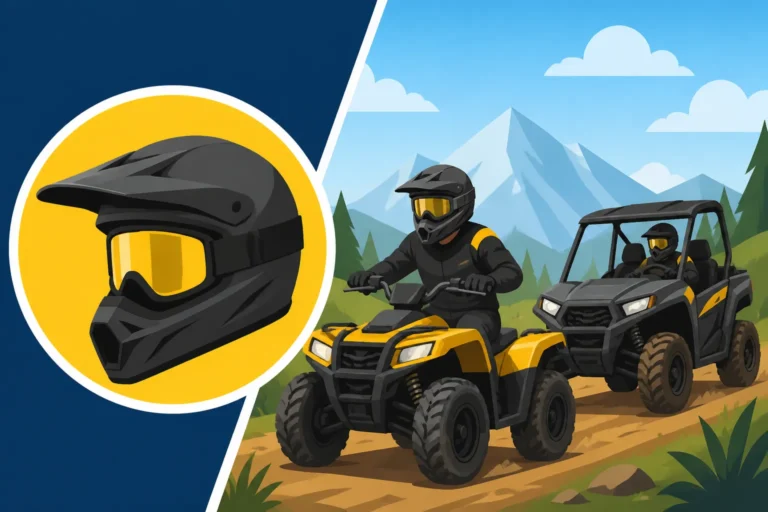
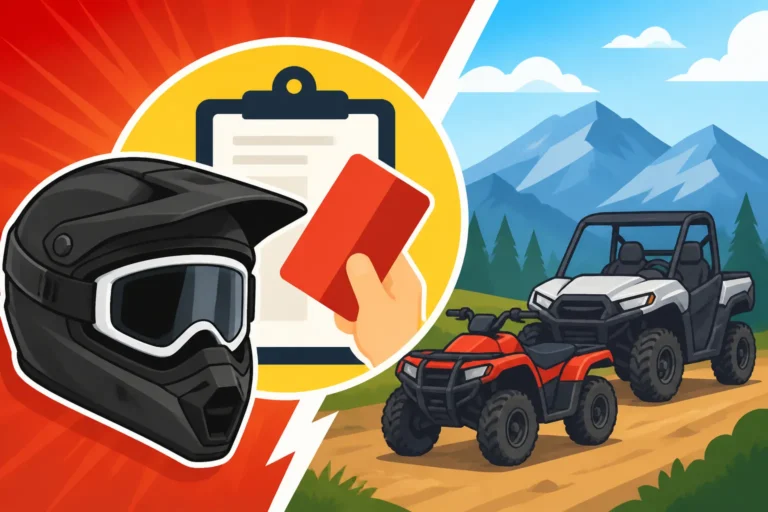
This is a big one. As of May 2017, Alberta made helmets mandatory for all OHV riders and passengers on public land. This isn't just about wearing a helmet; it's about wearing an approved helmet. The law specifies that helmets must meet standards like CSA (Canadian Standards Association), DOT (Department of Transportation), or ECE (Economic Commission for Europe).
What does this mean for you? Even if your helmet is perfectly legal and safe in Montana, double-check that it carries one of these approved certifications. Most modern helmets will, but it's worth verifying the sticker inside your lid. A helmet is your most crucial piece of safety gear, and Alberta takes its protection seriously. Don't risk a ticket or, more importantly, your head, by riding with an unapproved helmet. Make sure to check [Alberta Helmet Law on Public Land] before you hit the trails. The fines for non-compliance are certainly not a souvenir you want to take home.
Machine Equipment Requirements
Alberta also has rules about how your actual machine must be set up. These include having a working headlamp and tail lamp, especially if you're riding at dusk, dawn, or any time visibility is reduced. Your machine must also be equipped with a spark arrestor. This device, usually found in the muffler, prevents hot carbon particles from escaping and potentially starting a wildfire, which is a serious concern in Alberta's dry seasons. Many aftermarket exhaust systems, while providing more power or a different sound, might not be spark-arrestor approved, so check yours carefully.
Speaking of exhausts, Alberta specifically bans modified exhausts that make your OHV louder than stock. This isn't just about being neighborly; it's a legal requirement to reduce noise pollution on public lands. If you've modified your exhaust for a more aggressive sound, you might find yourself in violation of Alberta's laws. It's always best to keep your machine as close to stock specifications as possible, or at least ensure any aftermarket parts, like those offered by SuperATV, comply with local regulations. While a heavy-duty SuperATV suspension kit is great for performance, ensure your exhaust system doesn't land you in hot water. Always ensure [Alberta Requires a Spark Arrestor].
Age and Supervision Rules
Alberta has specific age restrictions for operating OHVs on public land. Riders must generally be 14 years of age or older to operate an OHV unsupervised on public land. If a rider is under 14, they must be under the direct supervision of an adult (18 years or older) who is also operating an OHV. This means the supervising adult must be capable of effective intervention and generally ride within sight of the younger operator.
Passenger rules are also important. Your OHV must be designed by the manufacturer to carry a passenger, and you cannot exceed the manufacturer's recommended passenger capacity. This is especially relevant for ATVs, many of which are designed for a single rider. Side-by-sides, of course, are built with multiple seats, but even then, don't try to squeeze in an extra person beyond the manufacturer's specified limit. These rules are in place for everyone's safety, and ignoring them could lead to serious consequences in the event of an accident. Familiarize yourself with [Alberta's Minimum Age of 14 on Public Land] and [Alberta Passenger Rules on an OHV].
Navigating Alberta's Public Lands and Insurance
Riding in Alberta offers incredible opportunities, from vast forestry trails to designated Public Land Use Zones (PLUZ). However, knowing where you can and cannot ride, and what insurance you need, is paramount. Unlike some areas where riding is more unrestricted, Alberta has designated areas and strict rules about access.
Where You Can and Cannot Ride in Alberta
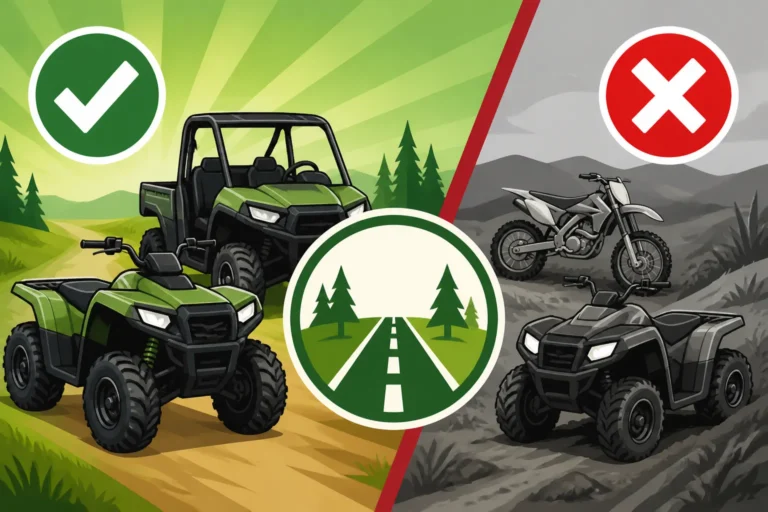
This is where things can get a little tricky. In Alberta, you cannot just ride anywhere you please. Generally, OHVs are permitted on Crown land (public land) unless specifically prohibited, and within designated OHV trails and Public Land Use Zones (PLUZ). However, a lot of urban and even rural areas have municipal bylaws that restrict or prohibit OHV use on roads, streets, and even ditches.
Here's the kicker: Alberta's Traffic Safety Act defines "highway" broadly, to include not just paved roads, but also shoulders, ditches, sidewalks, and even alleys. This means riding your OHV in a ditch alongside a county road can be considered riding on a highway, which is illegal for OHVs unless a specific bylaw allows it. Always check the local municipal bylaws for the area you plan to ride in. Many counties have created their own bylaws to permit or restrict OHV use on specific roads or within certain areas. Don't assume. Find out what applies before you venture out, especially if you're exploring areas outside of known OHV recreation zones. For example, [Alberta Rules for Riding a Ditch] are not as straightforward as they might seem.
Insurance Requirements for Public Land
This is another critical difference that Montana riders need to be aware of. Alberta mandates that any OHV operating on public land must have valid third-party liability insurance. This isn't optional; it's a legal requirement. Your Montana insurance policy might cover you for liability in Alberta, but it's absolutely crucial to verify this with your insurance provider before you cross the border.
You need to carry proof of this insurance with you at all times when riding on public land. An officer can demand to see it, and if you can't produce it, you could face a significant fine and even have your OHV seized. Don't risk it! A quick call to your insurance agent in Montana can clarify your coverage in Alberta. Ensure your policy meets Alberta's minimum liability requirements, and make sure you have the physical or digital proof of that coverage readily available. This is non-negotiable for riding legally in Alberta. [Alberta Requires Insurance on Public Land], so don't overlook this.
Public Lands Camping Pass and WIN Card
If you're planning on camping randomly (i.e., not in a designated campground) in certain areas of Alberta's Eastern Slopes or other public lands, you might need a Public Lands Camping Pass. This pass helps fund conservation efforts and maintenance of recreational areas. It's a relatively new requirement, so many visitors might not be aware of it.
Additionally, while not strictly for OHV operation, a Wildlife Identification Number (WIN) card is often required if you're participating in other outdoor activities like hunting or fishing, or sometimes for purchasing certain permits. While not always directly linked to OHV use, it's something to be aware of if your trip includes multiple outdoor pursuits. Check the Alberta government's website for the most current information on where and when these passes are required, and if they apply to non-residents. It’s always better to be over-prepared than under. You can read more about the [Alberta Public Lands Camping Pass Rules].
Practical Tips for a Smooth Alberta Riding Experience
Making the journey from Montana to Alberta for an OHV trip should be about adventure, not anxiety over regulations. A little proactive planning and adherence to best practices can make your experience truly memorable.
Documentation to Carry and Present
Beyond your Montana driver's license, here's a quick checklist of documents you should always have on your person or securely on your machine:
| Document Type | Purpose | Notes |
|---|---|---|
| Montana Registration | Proof of ownership and legal operation in your home state. | Essential for the 30-day grace period. Must be valid and current. |
| Montana Proof of Insurance | Evidence of third-party liability coverage. | Crucial for meeting Alberta's mandatory insurance requirements on public land. Verify coverage with your provider for Alberta. |
| Driver's License | Identification and proof of residency in Montana. | Your primary ID. |
| Alberta Registration (if applicable) | Required if your stay exceeds 30 days. | Will include an Alberta OHV plate. |
| Public Lands Camping Pass | Required for random camping in specific zones. | Check if your planned camping area requires one. Can often be purchased online. |
| Emergency Contacts | Personal safety. | Keep a laminated card with names and numbers. |
While digital copies on your phone can be convenient, it's a smart idea to have physical printouts of key documents. Cell service can be spotty in Alberta's backcountry, and a dead phone battery renders digital proof useless. Keep them in a waterproof pouch or a secure compartment on your machine. Carrying papers on a long Alberta ride means you're prepared.
Staying Informed About Local Conditions
Alberta's vast landscapes are dynamic, and conditions can change rapidly. Before and during your trip, make it a habit to check for:
- Fire Bans and Restrictions: Especially in spring and summer, dry conditions can lead to provincial or local fire bans. These can impact where you can have a campfire and, in extreme cases, may even lead to OHV bans in certain areas to prevent sparks. Riding during a ban can result in heavy fines.
- Trail Closures: Weather events, wildlife protection, or maintenance work can lead to temporary trail closures. Always check official Alberta Parks or local Public Land Use Zone (PLUZ) websites for updates.
- Weather Forecasts: Mountain weather is notoriously unpredictable. What starts as a sunny morning can turn into a cold, wet, or even snowy afternoon, even in summer. Pack layers, rain gear, and be prepared to adjust your plans.
- Wildlife Advisories: You're sharing the trails with bears, cougars, and other wildlife. Know how to react to encounters, carry bear spray, and be aware of any specific advisories for the area you're visiting.
Utilizing official government apps or websites, like Alberta Parks and Environment and Parks, can provide real-time updates. A truly informed rider is a safe rider.
Respecting the Land and Local Etiquette
When you're enjoying Alberta's natural beauty, it's essential to practice responsible riding. This isn't just about avoiding tickets; it's about preserving these incredible places for everyone and maintaining a good relationship with local communities.
- Stay on Designated Trails: Riding off-trail can damage sensitive ecosystems, disrupt wildlife, and contribute to erosion. Many popular areas have clear trail systems, and straying from them can lead to fines and environmental harm.
- "Leave No Trace" Principles: Pack out everything you pack in, including all garbage. Don't leave anything behind, not even organic waste like fruit peels, as it can attract wildlife and take a long time to decompose. A sturdy SuperATV cargo box or storage bag can make packing out trash easy.
- Minimize Noise: While we talked about modified exhausts being illegal, even stock machines can be noisy. Be mindful of residential areas, campgrounds, and other users on the trail.
- Yield to Other Users: Trails are often multi-use. Yield to hikers, mountain bikers, and horseback riders. Slow down, be courteous, and share the space.
- Respect Private Property: Never trespass. If land is posted or fenced, assume it's private and seek permission from the landowner before entering.
By adhering to these principles, Montana riders can ensure they have a fantastic, problem-free experience and are welcomed back to Alberta's stunning OHV destinations.
Disclaimer
This article is for general informational purposes only and does not constitute professional advice. Laws, prices and regulations vary by location and change over time. Consult a qualified professional for guidance on your specific situation.