Alberta Rules for Riding a Forestry Road
It can be incredibly frustrating to see a perfectly inviting forestry road winding off into Alberta's beautiful wilderness, only to be left wondering if you're even allowed to ride your ATV or side-by-side on it. The rules around off-highway vehicle (OHV) access on these seemingly open routes are far from straightforward, leaving many riders confused and worried about fines. This comprehensive guide will demystify the regulations for riding forestry roads in Alberta, helping you understand where you can go, what you need, and how to stay on the right side of the law.
Defining "Forestry Road" in Alberta's Wilds
First things first, let's talk about what we mean when we say "forestry road" in Alberta. It's not always as simple as it sounds, and the exact classification can have a huge impact on whether you're legally allowed to ride your OHV there.
Not All Dirt Roads Are Created Equal
In Alberta, a "forestry road" often refers to what the provincial government designates as a "Resource Road" – these are roads primarily built and maintained for industrial access, mainly for forestry operations, but also for oil and gas, mining, and other resource extraction activities. They crisscross vast tracts of public land, particularly in the Eastern Slopes and northern regions.
However, many other types of dirt or gravel roads exist that might look like forestry roads to the casual rider. These include:
- Dedicated OHV Trails: These are purpose-built or designated trails within Public Land Use Zones (PLUZs) or other recreational areas. They are explicitly managed for OHV use.
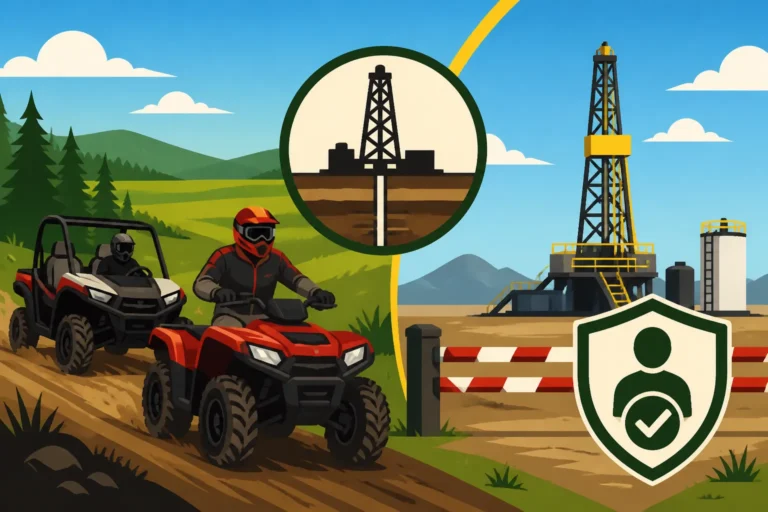
- Lease Roads: These are private roads built by oil and gas companies to access specific well sites or facilities. While they might appear public, access is often restricted.
- Cutlines and Seismic Lines: These are narrow clearings through the forest, created for exploration or pipeline access. They are generally not considered roads and are subject to specific rules, often restricting OHV use to minimize environmental impact.
- Municipal or County Roads: Some gravel roads are part of a county's road network, maintained by the local municipality. Their rules for OHV access can vary wildly by county.
The key takeaway here is that just because a road is unpaved and goes into the forest doesn't automatically mean it's a "forestry road" in the legal sense, nor does it guarantee OHV access. It's a critical distinction to make before you ever turn a wheel.
The Legal Definition of a "Highway" and Your OHV
Here's where a lot of the confusion for OHV riders in Alberta really stems from. Under Alberta's Traffic Safety Act, the term "highway" has a much broader definition than just paved public roads. For the purposes of OHV operation, a "highway" includes:
- Any road, street, trail, or public place that is open to public travel.
- The shoulders, ditches, and road allowances beside these travel ways.
- Even alleys and certain private roads if they are commonly used by the public.
What this means in plain language is that most forestry roads, unless specifically exempted by a local bylaw or ministerial order, are legally considered "highways" for OHV purposes. And here's the kicker: in Alberta, OHVs are generally not permitted to operate on highways unless very specific conditions are met. This is a common point of frustration for riders who feel like they're being told they can't ride their machine where it was clearly designed to go. The province has specific rules about [Alberta ATV Road Rules: Bylaws Decide].
This broad definition of "highway" makes it challenging to simply head out on any resource road you find. You can't just assume an unpaved road is fair game. The burden is on you, the rider, to confirm that the specific forestry road or resource road you intend to ride is legally open to OHV traffic.
Navigating the Complexities of Access and Permission
So, if most forestry roads are considered "highways" and OHVs generally can't be on highways, how do you ever get to ride one? The answer lies in specific designations, bylaws, and permissions.
When a Forestry Road Is Open to OHVs
There are legitimate circumstances where you can ride your OHV on a forestry road in Alberta. These typically fall into a few categories:
- Within Designated Public Land Use Zones (PLUZs): Alberta has several PLUZs, particularly in the Eastern Slopes, that have clearly defined OHV trails and networks. Within these zones, certain resource roads may be part of the designated trail system and are therefore open for recreational OHV use. Examples include parts of McLean Creek, the Ghost PLUZ, and the Castle area, although the rules in these areas can be quite specific, sometimes limiting access to only designated trails and not all roads. It's crucial to consult the specific PLUZ map and regulations before you go. [Alberta's Public Land Use Zones Explained]
- Specific Municipal Bylaws: Some counties and rural municipalities in Alberta have enacted bylaws that permit OHV use on certain roads within their jurisdiction. This is not widespread, and these bylaws often come with strict conditions regarding speed, time of day, and specific routes. For instance, a county might open specific resource roads for a limited recreational season or for agricultural access. Always check the specific county's website or contact their office directly. [Alberta Bylaws That Open a Right-of-Way]
- Ministerial Orders or Special Permissions: Occasionally, the provincial Minister responsible for public lands may issue an order that allows OHV use on specific sections of road for a particular purpose or event. These are rare for general recreational riding and are usually highly publicized for specific circumstances. Similarly, if you are doing legitimate work, such as logging or oilfield operations, you might have specific permission to use an OHV on resource roads relevant to your work.
- Private Property with Permission: If a forestry road crosses private land (e.g., a grazing lease or a private woodlot), and you have explicit permission from the landowner or leaseholder, you might be able to ride it. However, this is distinct from public land access. Always get permission in writing if possible.
It's vital to remember that these exceptions are precisely that—exceptions to the general rule. Never assume that an unpaved road grants you automatic OHV access.
The "Closed Unless Opened" Reality
For the vast majority of forestry roads and resource roads in Alberta, the default position is that they are closed to recreational OHV use unless explicitly opened by a provincial designation (like within a PLUZ's trail network) or a local municipal bylaw. This "closed unless opened" mentality is a core principle of public land management when it comes to OHVs on roads that fall under the Traffic Safety Act's "highway" definition.
Ignoring this principle can lead to significant consequences:
- Fines for Illegal Road Use: Operating an OHV on a highway where it's not permitted can result in a hefty ticket. Law enforcement, including Alberta Fish and Wildlife officers, RCMP, and sometimes county bylaw officers, patrol these areas.
- Vehicle Seizure: In some cases, particularly for repeat offences or dangerous operation, your OHV could be seized.
- Environmental Damage and Trespass: Riding off designated trails or on closed roads can cause environmental damage, particularly to sensitive riparian areas or during wet conditions. If you're on a lease road or other private industrial land without permission, you could also face trespass charges. This is why tools like heavy-duty skid plates and robust A-arms from a company like SuperATV are great for protecting your machine on designated trails, but they don't give you a free pass to ride anywhere you want.
It's tempting to think that because these roads are unpaved and remote, the rules don't apply, or that nobody will notice. This is a dangerous assumption. Officers frequently patrol these areas, and the consequences for non-compliance are real. Always check the rules for [Alberta Penalties for Riding Unregistered] if you're ever in doubt about basic compliance.
Essential Gear, Permits, and Responsibilities on Forestry Roads
If you've done your homework and found a legitimate forestry road or resource road where OHV use is permitted, there are still crucial responsibilities and equipment requirements you need to meet before you hit the trail.
Your Machine and Essential Equipment
Operating an OHV on any public land in Alberta, including designated forestry roads, comes with specific legal requirements for your machine and personal safety:
- Registration and Insurance: Your OHV must be properly registered with Alberta Registries and carry valid insurance. You need to be able to provide [Alberta Proof of Insurance on Demand] if requested by an officer. This is not optional; it's a fundamental requirement for riding on public land. [What Alberta OHV Registration Costs]
- Helmet Law: Every rider and passenger on an OHV on public land must wear a CSA-approved helmet. This is non-negotiable and has been mandatory since 2017. Make sure your helmet fits properly and is in good condition. [Alberta Helmet Law on Public Land]
- Spark Arrestor: Your OHV's exhaust system must be equipped with a spark arrestor that is in good working order. This is a critical fire prevention measure, especially in forested areas. [Alberta Requires a Spark Arrestor]
- Working Head and Tail Lights: Your machine needs functional head and tail lights, even if you don't plan to ride at dusk or night. An officer can check this at any time. [Alberta Requires Working Head and Tail Lights]
- Un-modified Exhaust: Your exhaust system must be the original equipment manufacturer (OEM) exhaust or an equivalent replacement that meets noise regulations. Modified or excessively loud exhausts are illegal and can lead to fines and complaints. [Alberta Bans Modified Exhausts]
- Appropriate Tires and Protection: Forestry roads can be rough, with sharp rocks, downed trees, and muddy sections. Ensure your tires are in good condition and suitable for the terrain. Many riders opt for aftermarket upgrades like heavy-duty tires, full skid plates, or rock sliders, which you might find from brands like SuperATV, to protect their machines from impacts and punctures on these rugged routes.
- Safety Gear: Beyond the helmet, consider goggles, gloves, sturdy boots, and appropriate clothing layers for changing mountain weather. A small first-aid kit, a repair kit, and a basic tool kit are also wise additions for any backcountry ride.
Public Lands Camping Pass and Ethical Riding
If your ride on a forestry road takes you into a Public Land Use Zone (PLUZ) and you plan on random camping (camping outside of a designated campground), you'll need a Public Lands Camping Pass. This pass is mandatory for anyone 18 years or older who plans to camp on public land in the Eastern Slopes. [Alberta Public Lands Camping Pass Rules]
Beyond the legal requirements, ethical riding is paramount when using forestry roads:
- Stay on Designated Trails/Roads: This is the golden rule. Venturing off-road can cause significant environmental damage, particularly to delicate ecosystems or during sensitive wildlife periods.
- Respect Other Users: Forestry roads are often multi-use. You might encounter logging trucks, industrial vehicles, other recreationalists (hikers, mountain bikers, equestrians), or even wildlife. Industrial vehicles always have the right-of-way due to safety and operational reasons. Yield to others, slow down for dust, and always be prepared to stop.
- Leave No Trace: Pack out everything you pack in, including all garbage and waste. Minimize your impact on the environment.
- Observe Fire Bans: Alberta frequently issues fire bans, especially in dry seasons. Always check the current fire ban status before you head out. A careless spark can lead to devastating wildfires. [Alberta Fire Bans and Riding]
- Be Prepared: Cell service can be spotty or non-existent in many remote forestry areas. Carry a reliable map, GPS device, satellite messenger, and emergency supplies. Tell someone your plans and expected return time.
Planning Your Trip: Resources and Local Wisdom
The best way to ensure a legal and enjoyable ride on Alberta's forestry roads is thorough planning and consultation of reliable resources. Don't just show up and hope for the best.
Official Sources for OHV Trail Information
Given the complexity, relying on official sources is your safest bet:
- Alberta Environment and Parks (AEP): The AEP website is your primary source for information on Public Land Use Zones, including maps, designated OHV trails, and specific regulations for each zone. Look for the "Recreational Access" or "OHV Management" sections.
- Municipal/County Websites: If you're interested in riding forestry roads within a specific county, check their official website for any OHV bylaws or designated routes. This information can sometimes be buried, so you might need to call their planning or bylaw enforcement department.
- AOHVA (Alberta Off-Highway Vehicle Association): The Alberta Off-Highway Vehicle Association is a great resource for riders. They advocate for responsible OHV use and often have information on legal riding areas, trail conditions, and upcoming events. They can also help connect you with local clubs.
- Trail Maps and Apps: Georeferenced digital maps, like those available on the Avenza Maps app, are invaluable. Many PLUZs and recreational areas offer official maps that show designated OHV trails. Download these maps before you lose cell signal in the backcountry. [Alberta OHV Trail Map Downloads] Having a robust GPS unit or a reliable app on a rugged phone can make a huge difference, especially if you're exploring with enhanced parts from SuperATV that allow you to tackle more diverse terrain.
The Importance of Planning Ahead
Every riding trip to a forestry road, even one you've ridden before, requires planning. Conditions can change rapidly due to weather, industrial activity, or new regulations.
| Road Type | Primary Purpose | General OHV Access (Recreational) | Key Considerations |
|---|---|---|---|
| Forestry/Resource Road | Industrial access (logging, oil/gas) | Generally Restricted | Often considered "highway" unless explicitly opened. Check PLUZ rules or county bylaws. |
| PLUZ Designated Trail | Recreational OHV use within a PLUZ | Permitted (specific to trail) | Stay on marked trails. Check specific PLUZ map and rules. |
| Lease Road | Private access for industry | Generally Prohibited | Private property, requires explicit permission from leaseholder. |
| Cutline/Seismic Line | Exploration, utility corridors | Often Restricted/Prohibited | High potential for environmental damage. Consult AEP for rules. |
| County Gravel Road | Local municipal road network | Varies by County | Check specific county bylaws for permissions and restrictions. |
Before you head out:
- Check for Fire Bans: Always, always check the current fire ban status for your region. A simple search for "Alberta fire bans" will give you the most up-to-date information.
- Weather Conditions: Mountain weather is notoriously unpredictable. Be prepared for sudden changes in temperature, rain, or even snow, especially in the spring and fall.
- Industrial Activity: Forestry roads are working roads. Active logging, hauling, or oilfield operations can mean heavy vehicle traffic, road closures, or dangerous situations. Be aware of signage and always yield to industrial equipment. [Active Logging and Road Access in the Eastern Slopes]
- Gates and Closures: Roads can be gated or temporarily closed for various reasons, including industrial operations, seasonal wildlife closures, or environmental protection. Respect all gates and signage.
- Share Your Plan: Always let someone know where you're going, your route, and when you expect to return. This is crucial for your safety, especially in areas with no cell service.
Riding Alberta's forestry roads can be an incredible experience, offering access to stunning scenery and challenging terrain. But understanding and respecting the rules is the foundation of a safe, legal, and enjoyable adventure. Do your homework, gear up properly, and ride responsibly to help preserve access for everyone.
Disclaimer
This article is for general informational purposes only and does not constitute professional advice. Laws, prices and regulations vary by location and change over time. Consult a qualified professional for guidance on your specific situation.