Alberta Kananaskis Pass Cost
Planning an ATV or UTV trip in Kananaskis can make one cost easy to mix up: the Conservation Pass is generally about the road vehicle you park, not the machine you ride on the trail. The amount depends on the pass option and current rules. Here’s how to work out whether you need one, what to budget for, and which other riding costs it does not cover.
What determines the Alberta Kananaskis Pass cost
There isn’t one pass cost for every trip. The amount depends on the pass option you choose and whether the vehicle you bring is covered by the pass rules. The available options and their prices can change, so check the official Alberta Kananaskis Conservation Pass information before you head out. Alberta Kananaskis Conservation Pass Prices
In general, you’ll need to compare a pass for a shorter visit with an annual option. A shorter-duration pass may make more sense for a one-off trip, while an annual pass may be worth considering if you expect to return. To compare fairly, count the trips you’re likely to make during the pass’s valid period, then check the current terms and price for each option.
| Your situation | What to check | How it affects your budget |
|---|---|---|
| One short visit | The current shorter-duration pass and its validity period | May suit a single trip; confirm when the pass starts and expires |
| Several visits | The annual pass price and the dates it covers | Compare the total with what you would pay for separate visits |
| More than one vehicle | Whether the pass terms cover your specific vehicles and plates | Don’t assume one purchase covers every vehicle in your group |
| ATV or UTV trip | Whether the road vehicle parked at the site needs a pass | Budget for the tow vehicle if it is subject to the pass requirement |
| Exempt vehicle or situation | Current exemption rules | Confirm eligibility rather than assuming the vehicle is exempt |
The pass is associated with vehicle parking in designated areas, so the practical question is often not simply “How many riders are going?” It’s “Which vehicles are we taking, and where will they be parked?” A group arriving in separate trucks may need to check each truck’s situation rather than treating the trip as one purchase.
The pass also isn’t a general charge for every activity in Kananaskis. It is separate from costs such as fuel, trailer transport, camping, and any equipment or machine expenses. It does not replace the permits, registration, or insurance that may apply to riding an OHV.
Because pass prices and conditions can change, don’t rely on an old receipt, a friend’s past trip, or a number quoted in an older post. Check the current official information for the price, validity period, eligible vehicles, and purchase process before leaving. If you’re comparing the options, also check whether the terms fit the number of vehicles in your group and how often you actually visit.
Does an ATV or UTV need a Kananaskis Conservation Pass
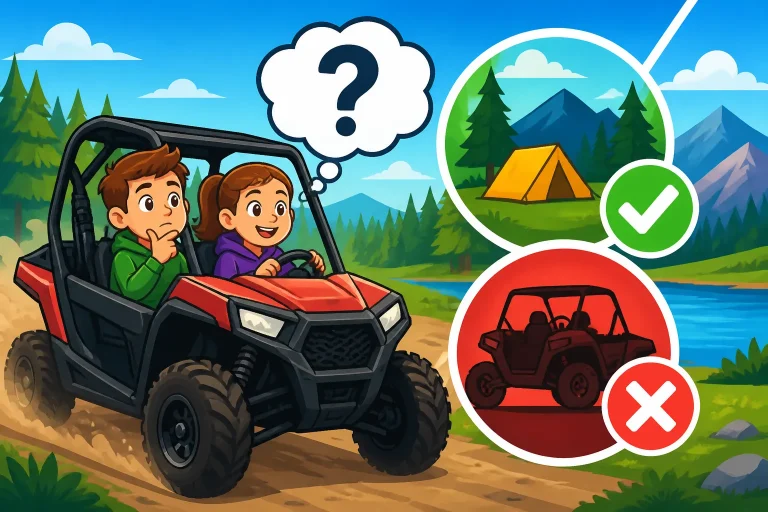
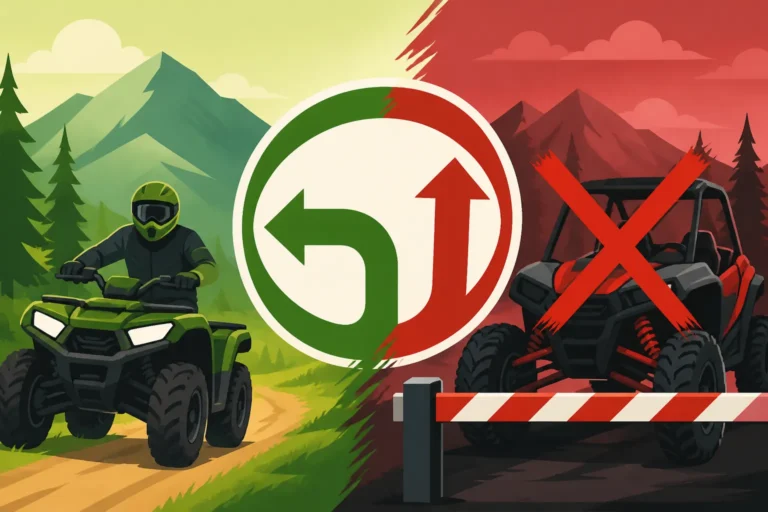
For many ATV and UTV trips, the vehicle to focus on is the truck or other road vehicle used to reach the riding area. The Conservation Pass applies to vehicles parked in designated areas; it is not the same thing as a registration plate or trail permit for the OHV itself. A quad or side-by-side should not automatically be treated like the vehicle that hauled it there. Why a Quad Does Not Need the Conservation Pass
That distinction matters when you plan your budget. For example, if you drive a truck to a staging area, unload your machine, and leave the truck parked there, check whether that truck needs a pass for the specific location. Don’t assume that buying a pass for the ATV or UTV is the right solution, or that the tow vehicle is exempt just because the purpose of the visit is riding.
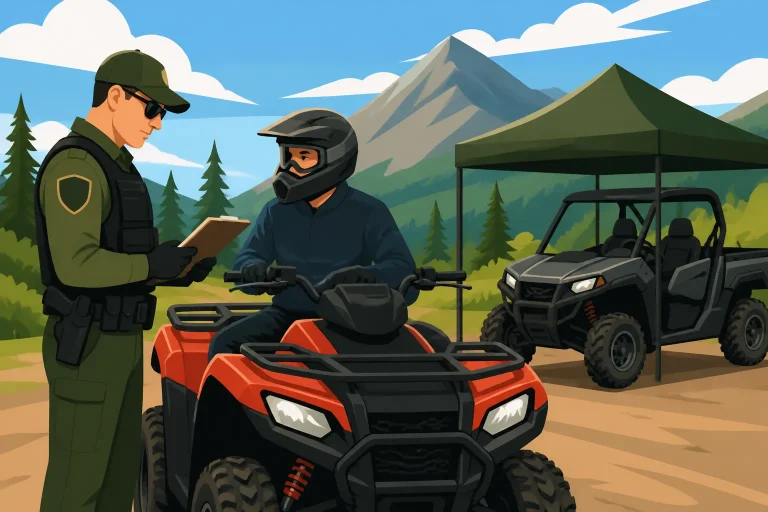
Exemptions can apply to certain vehicles or circumstances, but it’s best to verify the details rather than rely on a broad assumption. Alberta Kananaskis Pass Exemptions The rules may depend on the vehicle and where it is parked. Check the official pass information for your exact situation, especially if you’re using a rental, commercial vehicle, or an unusual vehicle setup.
A few practical questions help prevent a wrong turn at the payment stage:
- What vehicle will be parked at the recreation area?
- Is that location covered by the Conservation Pass requirement?
- Does the pass apply to the vehicle’s plate, and do the current terms cover the vehicles you plan to bring?
- Is the vehicle or situation listed as exempt?
- Does your trip include a different activity or land-use requirement as well?
If you are unsure where the requirement is enforced, review Where a Kananaskis Pass Actually Gets Checked. The location matters: a trip that passes through the region is not necessarily the same as parking at a designated site. Read the terms for the place you plan to use rather than treating all roads, staging areas, and recreation sites as interchangeable.
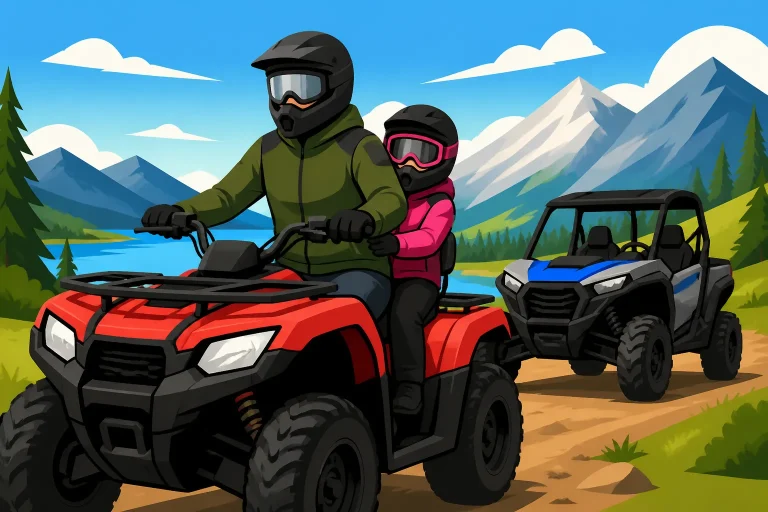
It can help to separate the vehicle costs from the riding costs when making a group plan. One person may be driving the truck, another may be towing a trailer, and several riders may each bring a machine. The pass question is about the covered vehicle and parking situation, while OHV registration and insurance questions relate to the machines and where they’ll be ridden.
How to choose a pass and avoid paying for the wrong thing
Start with the trip details, not the pass type. Write down the dates you expect to visit, the vehicles you’ll bring, and the locations where they’ll be parked. Then check the official pass terms for each vehicle. This is more reliable than picking an option based on the number of riders, because the pass is not simply a per-person riding fee.
Use this sequence before you buy:
- Confirm your destination. Check whether the parking area or recreation site is covered by the Conservation Pass rules.
- List the road vehicles. Include each truck, car, or other vehicle that will be parked there. Don’t count the ATV or UTV as a substitute for checking the tow vehicle.
- Check eligibility and exemptions. Review the current rules for each vehicle and situation.
- Compare pass durations. If you expect several trips, compare the cost and validity of the annual option with the shorter-duration option. Confirm the start and end dates rather than assuming a pass follows a calendar year.
- Follow the purchase and display instructions. Make sure the vehicle details are entered correctly and that you understand what proof, if any, must be kept or displayed.
If there is more than one vehicle, read the pass terms carefully before assuming that one pass covers the whole group. The relevant conditions may include how vehicles are identified and what combinations are allowed. Confirm the current rules when you purchase, particularly if a vehicle is being borrowed or rented.
A pass purchase also won’t automatically solve every permit or compliance question for the day. It’s distinct from an OHV plate, registration certificate, insurance, and any land-use or camping requirements. Before a ride, review Alberta Registration Before Riding Crown Land and Alberta Requires Insurance on Public Land if you’ll be riding on public land. The requirements can depend on where you ride and the kind of machine you bring.
Keep your proof of purchase and vehicle details accessible, and double-check them before leaving home. A typo or incorrect plate entry can be a frustrating problem if the pass is linked to the vehicle information. If you change vehicles after purchasing, check the provider’s current process instead of assuming the pass transfers automatically.
Costs to include in an ATV or UTV trip budget
The Conservation Pass is only one line in a Kananaskis riding budget. Depending on your plans, you may also need to account for fuel, towing, camping, food, and machine preparation. Making a short checklist keeps the pass from getting confused with the other requirements.
| Budget item | What to verify |
|---|---|
| Conservation Pass | Current price, duration, vehicle eligibility, and site coverage |
| Fuel and towing | Distance to the staging area and the fuel needed for the tow vehicle |
| OHV registration | Whether the machine’s registration is valid for the planned riding |
| Insurance | Whether coverage is required for the land and activity |
| Camping | Whether a separate pass or reservation applies to your campsite |
| Equipment | Whether the machine meets applicable public-land requirements |
| Group travel | Which vehicles are arriving and who is responsible for checking each one |
If camping is part of your trip, don’t assume the Conservation Pass includes camping access or covers every camping requirement. Alberta’s public-lands camping requirements are separate; see Alberta’s Public Lands Camping Pass for a related explanation. Likewise, trail and land access rules are separate from the road vehicle’s parking pass. Start with Alberta OHV Trails: Riding Public Land to understand why checking the riding area is part of trip planning.
For a group, assign someone to confirm the pass and vehicle details, and ask each driver to verify their own vehicle. This is especially useful when the group is meeting at the staging area or travelling in separate trucks. Keep the pass information with the relevant vehicle rather than relying on one person to remember every plate and purchase detail.
The simplest way to avoid an unexpected cost is to confirm the price and eligibility close to the trip, then budget around the vehicle that will actually be parked at the site. If the official terms are unclear, contact the pass provider or the appropriate information service before you travel. A quick check can prevent paying for the wrong vehicle, buying an option that doesn’t fit your visit, or assuming that the Conservation Pass covers a separate riding or camping requirement.
Disclaimer
This article is for general informational purposes only and does not constitute professional advice. Laws, prices and regulations vary by location and change over time. Consult a qualified professional for guidance on your specific situation.