Alberta Military Vehicle Exemption
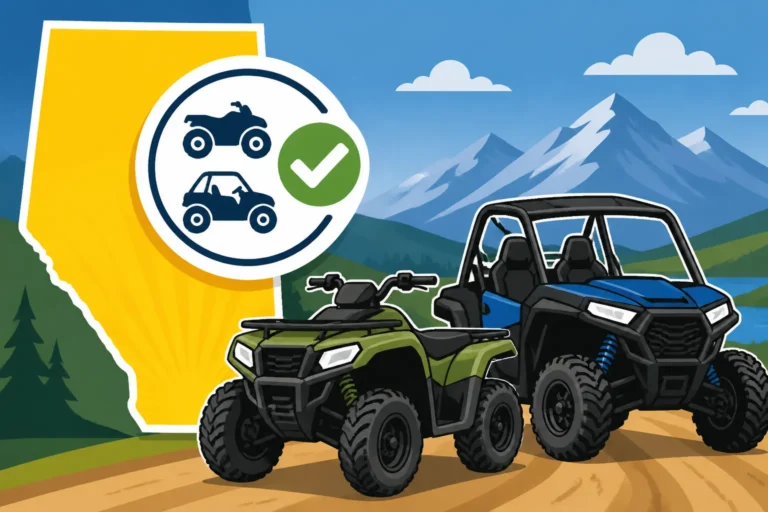
The labyrinthine world of off-highway vehicle (OHV) regulations in Alberta can be a real head-scratcher, particularly when you're trying to figure out if your specific machine needs to be registered. For those serving in our military, or anyone involved with official military operations, there's often confusion about whether military-specific vehicles are subject to the same registration hoops as civilian quads and side-by-sides. This guide aims to cut through that complexity, providing clear, empathetic answers about the Alberta military vehicle exemption for OHV registration, so you can understand exactly where these specialized machines stand under provincial law.
Understanding Alberta's General OHV Registration Requirements
Before diving into exemptions, it's really helpful to get a baseline understanding of what the typical OHV owner in Alberta faces. Most of us who love hitting the trails with our quads, dirt bikes, or side-by-sides know that we need to jump through a few hoops to be legal. It's not just about buying the machine; it's about making sure it's properly identified and tracked for public safety and accountability.
Why OHV Registration Matters for Most Riders
For the vast majority of recreational riders, registering your OHV is a non-negotiable step before you even think about hitting public land. The government sees it as a way to ensure that vehicles operating on shared trails and designated areas can be identified in case of an accident, theft, or environmental infraction. It also contributes to a general fund that supports various provincial services, though the direct connection to trail maintenance isn't always obvious to the average rider. It can feel like just another fee, but it's part of a larger system.
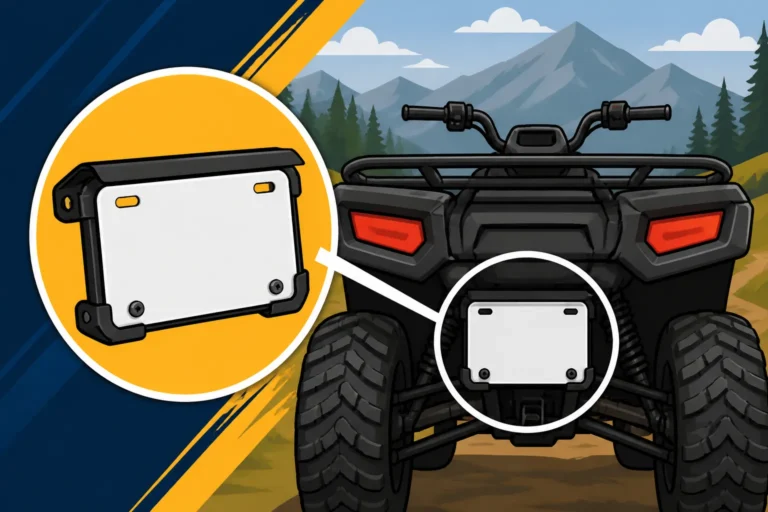
When you purchase a new or used OHV, one of the first things you'll typically need to do is head to a registry agent to get that initial registration complete. This usually involves proving ownership with a bill of sale or a Manufacturer's Statement of Origin, showing proof of identity, and paying the associated fees. Skipping this step can lead to hefty fines if you're caught riding an unregistered machine on public land, and nobody wants their fun day out to end with a ticket. This process also typically secures your [Alberta Issues a Plate, Not a Sticker] for your machine. It’s also important to be aware of the [Alberta Registration Transfer After a Sale] if you’ve purchased a used machine from a private seller.
What Constitutes "Public Land" for Registration Purposes
This is where a lot of confusion often creeps in. Many riders think "public land" only means designated OHV parks or Crown land far out in the wilderness. However, Alberta's definition is much broader. It includes everything from provincial parks and designated Public Land Use Zones (PLUZs) to municipal land, ditches beside highways, and even alleys in some communities. If it's not explicitly private property that you own or have explicit permission to be on, chances are it falls under the umbrella of public land.
This broad definition means that even a short hop across a ditch to get to a friend's property, or traversing a municipal right-of-way, could technically require your OHV to be registered. It's a critical point for all riders to grasp because misinterpreting "public land" is a common way to inadvertently run afoul of the law. You can't just assume that because you're "off the beaten path" you're exempt from these rules. Knowing [Alberta Registration Before Riding Crown Land] or [Alberta Registration Before Riding a Ditch] is key to staying out of trouble, and understanding [Alberta Penalties for Riding Unregistered] can definitely light a fire under you to get compliant.
The Specifics of the Military Vehicle Exemption
Now, let's zero in on the main event: the Alberta military vehicle exemption. This isn't a blanket exemption for everyone in the military; rather, it applies to very specific types of vehicles used in official capacities. It's a recognition of the unique operational needs of military forces and a practical allowance to keep their vital work unhindered by standard civilian vehicle registration protocols.
Who the Exemption Applies To
The exemption is explicitly for vehicles owned by or used under the authority of the Canadian Forces, or those of a visiting force. This means we're talking about machines that are part of military operations, training exercises, or official government duties. It's not about the personal quad a soldier owns and takes out on the weekend with their family. That personal machine, regardless of the owner's service, still needs to be registered like any other civilian OHV.
Think of it this way: a light utility vehicle used for patrolling a military base, or an ATV deployed during a search and rescue operation in a remote area as part of a military exercise, would likely fall under this exemption. The intent is to streamline the operations of our armed forces, removing bureaucratic hurdles for vehicles essential to national defense and emergency response. It's a pragmatic approach to governance when considering the distinct role of military assets. This is similar to how a [Alberta Farmer-Owned Machines on Private Land] might be exempt from certain rules but not others, based on specific use.
Why Military Vehicles Are Exempt from Registration
The primary reason for this exemption comes down to the operational nature and identification of military vehicles. Military vehicles already operate under their own system of identification, often with unique markings, unit numbers, and specific chain of command protocols. They are not typically sold or transferred in the same way as civilian vehicles, and their use is governed by military regulations rather than provincial motor vehicle acts.
Furthermore, military forces often operate in varied and remote environments, sometimes with short notice, where standard civilian registration processes would be impractical or would impede critical operations. The exemption ensures that military vehicles can be deployed and utilized effectively without unnecessary administrative delays. It's about recognizing that these machines are instruments of national security and public service, not personal recreational vehicles.
What Qualifies as a "Military Vehicle" for Exemption?
Defining exactly what constitutes a "military vehicle" for the purpose of this exemption is crucial, as it’s not just any vehicle driven by someone in uniform. The distinction lies in ownership, purpose, and official authorization.
Vehicles Owned by the Canadian Forces
At its core, a vehicle is considered a military vehicle for exemption if it is owned by the Canadian Forces. This includes a wide array of machines, from specialized troop carriers and logistics vehicles to ATVs or UTVs used for reconnaissance, patrol, or support roles during training or operations. These vehicles are part of the military inventory, purchased and maintained by the Department of National Defence.
For example, if you see an ATV being used by military personnel during a joint exercise in a provincial park to scout terrain or transport equipment, and that ATV is clearly marked as Canadian Forces property, it would almost certainly fall under this exemption. The critical factor here is the official ownership and integration into the military's operational structure. Their purpose is distinctly different from a personal quad used for pleasure.
Vehicles of a Visiting Force Under Official Use
Beyond vehicles owned directly by the Canadian Forces, the exemption also extends to vehicles of a "visiting force." This refers to military units from other countries that are operating in Canada with the permission and cooperation of the Canadian government. Think of joint training exercises with allied nations – perhaps American or British forces conducting maneuvers in Alberta. Their official vehicles would also be covered.
These vehicles, even if not Canadian-owned, are here on official duty, under specific agreements, and are therefore granted the same operational leeway as Canadian military assets. Just like Canadian forces, they have their own internal identification and accountability systems that supersede provincial registration requirements for their specific operational needs. It's all about facilitating cooperative defense and security efforts without bureaucratic red tape. [Alberta Registration for Visiting Riders] covers other scenarios, but for military personnel, this specific exemption is key.
Distinguishing from Personal Vehicles of Service Members
This is perhaps the most important clarification to make: the exemption does not apply to personal OHVs owned by individual service members, even if they are actively serving. If a member of the Canadian Forces buys a quad or a side-by-side for their personal recreational use, that machine is treated exactly like any other civilian-owned OHV. It needs to be registered, plated, and insured according to provincial regulations.
Many military families enjoy outdoor pursuits, and it's easy to assume that their service status might grant some form of universal exemption. However, the law is very clear: the exemption is for military assets used for military purposes. Your personal dirt bike, no matter how many amazing stories you tell about your service, still needs its [Alberta OHV Registration Cost] paid and its plate mounted properly when you ride it on public land. For many service members looking to sort out their personal affairs, especially when preparing for deployment, understanding personal asset management and drafting necessary documents can be critical. While not directly related to this OHV exemption, services like LawDepot can be useful for drafting personal agreements, wills, or powers of attorney, ensuring personal affairs are in order back home.
Important Considerations for Exempt Vehicles
While military vehicles enjoy an exemption from registration, this doesn't mean they operate in a legal vacuum. There are still critical responsibilities and regulations that apply, particularly concerning safety, operation, and environmental stewardship. The exemption removes one specific bureaucratic hurdle, but it doesn't grant free rein to disregard all rules.
Safety and Operational Rules Still Apply
Even though a military OHV might not carry a provincial registration plate, the individuals operating these machines are still expected to adhere to safety standards and operational best practices. This includes things like obeying speed limits, operating safely within a given area, and respecting environmental guidelines. After all, the goal of military operations isn't to create hazards or damage public lands.
Military personnel receive extensive training on vehicle operation and safety, often exceeding civilian requirements. This internal discipline and training are seen as the primary mechanisms for ensuring responsible use. For example, the need for [Alberta Requires Working Head and Tail Lights] or a functional [Alberta Requires a Spark Arrestor] is about safety and fire prevention, not just registration, and these considerations remain vital for military machines as well.
Environmental Stewardship and Land Use Regulations
Military operations often take place in diverse and sometimes sensitive environments. While they are exempt from registration, they are absolutely not exempt from environmental protection laws or land use regulations. Damage to fragile ecosystems, contamination, or unauthorized entry into protected areas would still be subject to investigation and appropriate action, often through military command channels.
It's a matter of responsible land stewardship. If a military exercise involves traversing a specific type of terrain, say a sensitive wetland, the planners would be expected to have protocols in place to minimize impact. The exemption is about administrative ease, not an excuse for environmental negligence. Any military operation must still align with broader principles of land management and conservation, especially when operating in [Alberta's Public Land Use Zones Explained].
Potential for Interagency Communication
In situations where military OHVs are operating in proximity to civilian areas or during joint emergency responses, there's typically close communication and coordination between military authorities and local law enforcement or land managers. This ensures that everyone is aware of the military presence and operations, preventing misunderstandings or accidental enforcement actions.
Imagine a scenario where military OHVs are assisting in a flood response near a small Alberta town. Local RCMP officers, accustomed to checking civilian OHV registrations, would be briefed on the military presence and the exemption status of their vehicles. This proactive communication helps avoid friction and ensures smooth collaboration during critical incidents. It's about working together effectively for public safety.
Potential Pitfalls and Misconceptions for Riders
Understanding the military vehicle exemption also means understanding what it doesn't cover and where misunderstandings can arise. These pitfalls often stem from a lack of clarity on the precise scope of the exemption or from confusing personal vehicle ownership with official military assets.
Confusing Personal Ownership with Official Use
One of the biggest misconceptions, as touched upon earlier, is that being a member of the Canadian Forces automatically exempts your personal OHV from registration. This simply isn't true. Your personal quad, purchased with your own money for recreational use, is legally no different from your neighbour's quad. It must be registered, insured, and plated if you plan to ride it on public land in Alberta.
Many service members move frequently, and they might encounter different provincial laws regarding OHV registration. It's crucial for them to always check the specific regulations in Alberta for their personal machines. Relying on an assumption about a military exemption for a private vehicle can lead to unexpected fines and legal hassles. For general legal forms and agreements related to personal property, even for military families, resources like LawDepot can offer templates and guidance, but they won't change the registration requirements for a privately owned OHV.
Misinterpretation of "Military Vehicle" by Civilian Authorities
Occasionally, a civilian law enforcement officer might not be immediately familiar with the intricacies of military vehicle exemptions. This is rare, especially in areas where military operations are common, but it can happen. In such cases, clear identification of the vehicle as official military property and the operator as a Canadian Forces member (or visiting force member) is paramount.
Carrying official military identification and having readily available contact information for the appropriate military command can help quickly resolve any inquiries. It's about being prepared to politely and clearly explain the situation, understanding that the officer is simply doing their job to enforce provincial laws. Most officers, once informed, will understand and respect the exemption. Knowing [What an Alberta Officer Can Ask to See] is always good practice.
Implications of Acquiring Surplus Military Vehicles
What happens when a military vehicle is decommissioned and sold off to the public? This is where the exemption status completely changes. Once a vehicle is no longer owned by the Canadian Forces (or a visiting force) and enters civilian hands, it immediately loses its exempt status. It becomes a regular OHV subject to all provincial registration, insurance, and operational requirements.
If you purchase a surplus military ATV, for instance, you would need to go through the full registration process, just like buying any other used quad. This would involve proving ownership with the bill of sale from the military or auction, obtaining a plate, and getting the necessary insurance. Neglecting this step would mean you're riding an unregistered vehicle, with all the associated penalties. This often involves ensuring you have the correct documentation for a change of ownership, for which platforms like LawDepot can provide useful templates if you're dealing with a private sale after the initial auction or government sale. Remember, just like any other used purchase, you'll need the proper [Alberta Private Sale Paperwork].
Ensuring Compliance Even with Exemption Status
Even with an exemption, maintaining good practice and ensuring that operations align with broader legal and ethical frameworks is essential. For military personnel, this often means adhering to strict internal protocols, while for anyone interacting with military vehicles, it means understanding their special status.
Internal Military Protocols for OHV Use
The Canadian Forces, and indeed most visiting forces, have their own comprehensive internal protocols and regulations governing the use of OHVs. These often cover everything from operator qualifications and mandatory safety equipment to maintenance schedules and approved areas of operation. These internal rules often mirror or exceed civilian safety standards, ensuring that even without provincial registration, operations are conducted responsibly.
These protocols are critical for maintaining discipline, safety, and accountability within the military. They ensure that even when operating outside typical civilian regulatory frameworks, military personnel are held to a high standard of conduct and operational proficiency. It's a system designed to be self-regulating, given the unique nature of military work.
Record-Keeping and Accountability for Military OHVs
While not requiring provincial registration, military vehicles are meticulously tracked within their own system. Every military asset, including OHVs, has a detailed service record, assigned unit, and accountability chain. This internal record-keeping ensures that who is operating the vehicle, where it's being used, and for what purpose, is always known.
This robust internal tracking system serves a similar purpose to civilian registration – identifying the vehicle and its users for accountability – but tailored to military needs. It's a critical component for managing a large fleet of specialized vehicles and ensuring they are deployed effectively and maintained properly. This is especially true for items like [Alberta Registration Paperwork Checklist] for civilian vehicles, which has its military equivalent in service records.
Summary of Key Distinctions
To help clarify the differences between military-exempt OHVs and regular civilian machines, here's a quick comparison:
| Feature | Military-Exempt OHV (Official Use) | Civilian/Personal OHV (Recreational Use) |
|---|---|---|
| Ownership | Canadian Forces or recognized Visiting Force | Individual, business, or entity |
| Primary Purpose | Military operations, training, official duties | Recreation, personal transportation, specific work |
| Provincial Registration | Exempt | Required for public land use |
| Provincial Plate | Not required | Required |
| Provincial Insurance | Not required (covered by military liability) | Required for public land use (liability & collision) |
| Operator ID | Military ID, internal protocols | Driver's license/proof of identity |
| Safety Equipment | Internal military standards (often high) | Provincial helmet laws, other safety requirements |
| Environmental Rules | Military environmental policies, provincial laws | Provincial environmental laws, local bylaws |
| Post-Military Sale | Requires full civilian registration & insurance | Stays registered/insured or transferred |
This table highlights that while military vehicles have specific exemptions, these are tied to their official status and unique operational context, fundamentally differing from the requirements placed on personal recreational machines.
Navigating the rules for off-highway vehicles in Alberta can feel like a maze, and adding the layer of military service only complicates it further. The key takeaway is to remember that the Alberta military vehicle exemption is a specific allowance for officially owned and operated military vehicles of the Canadian Forces or a visiting force. It's designed to ensure our service members can conduct their vital work without bureaucratic delays. For your personal quad, dirt bike, or side-by-side, however, the standard rules apply – get it registered, get it insured, and enjoy Alberta's incredible outdoors responsibly. Knowing the difference keeps everyone safe and legal on the trails.
Disclaimer
This article is for general informational purposes only and does not constitute professional advice. Laws, prices and regulations vary by location and change over time. Consult a qualified professional for guidance on your specific situation.