Alberta ATV Registration Without a Bill of Sale
You've just bought what seems like the perfect ATV or side-by-side, maybe from a buddy, or perhaps you inherited it from a family member, only to realize you don't have that crucial piece of paper: a bill of sale. This situation can feel like a major roadblock when you're itching to hit the trails, leaving you wondering how on earth you'll ever get it registered. This guide is here to walk you through the often-confusing process of registering your off-highway vehicle (OHV) in Alberta when that traditional bill of sale is nowhere to be found, offering practical steps and insights to help you navigate the system.
Why a Bill of Sale is So Important for Alberta OHV Registration
Before we dive into the workarounds, it's really helpful to understand why the bill of sale is such a big deal in the first place. It's not just a formality; it's the fundamental document that proves a lot of critical information, and without it, you're asking a registry agent to take a leap of faith.
What a Registry Agent Actually Needs to See
When you walk into an Alberta Registry Agent office, their primary goal is to verify two things: who you are, and that the OHV you're trying to register legitimately belongs to you. A bill of sale acts as a legally binding contract that clearly outlines the transfer of ownership from one party to another. It typically includes the seller's information, the buyer's information, the make, model, year, and most importantly, the Vehicle Identification Number (VIN) of the OHV. It also states the purchase price, which can be relevant for GST purposes if it's a new machine or a sale from a GST-collecting entity.
Without this document, the registry agent has no clear proof that you are the rightful owner. They can't confirm the chain of ownership, which is essential for preventing theft and ensuring the machine isn't tied up in any other legal disputes. It's about protecting both you and the public. Imagine trying to prove you own your house without a deed – that's the kind of challenge you're facing. Registry agents are tasked with strict guidelines, and they need concrete evidence to process your application. If you want to know more about the standard requirements, you can check out [What a Registry Agent Needs to Register Your Quad].
Common Scenarios Where a Bill of Sale Goes Missing
It's easy to assume everyone has a neat stack of paperwork for their OHV, but the reality is far messier for many riders. There are countless legitimate reasons why you might not have a pristine bill of sale, and it's a frustration shared by many in Alberta's OHV community.
One of the most common situations is a private sale between friends or family. Often, these transactions are based on trust and a handshake, with little thought given to formal documentation at the time. You might have paid cash, or done an e-transfer, and neither party saw the need for a written contract. Years later, when it's time to register or renew, that oversight becomes a headache.
Another frequent scenario involves inherited machines. When an OHV is left to you in a will, the original purchase paperwork might be buried deep in old boxes, or simply lost to time. The focus during such a difficult period is rarely on tracing every last receipt. Similarly, a machine acquired as a gift between individuals might never have had a bill of sale drawn up, especially if it was given years ago.
Then there are the "barn finds" or older machines that have been passed down through generations without ever being formally registered, or the original documents were simply discarded decades ago. You might be the third or fourth owner, and the paper trail has completely vanished. Sometimes, even machines bought at farm auctions might come with minimal paperwork, especially if they're older and sold "as is." These situations are far more common than you'd think, and they leave many riders in a bind when they try to do things by the book.
Proving Ownership Without a Traditional Bill of Sale in Alberta
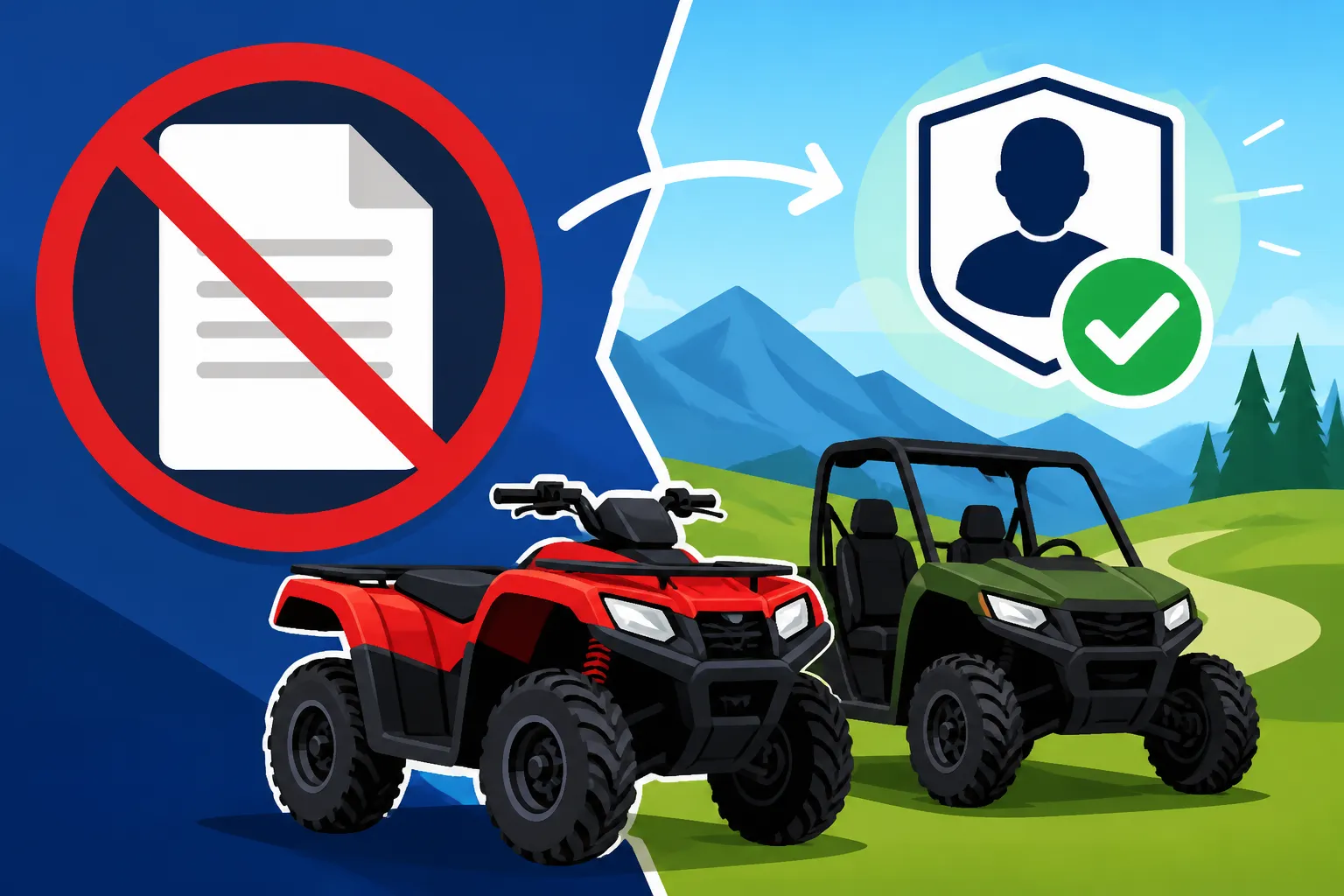
So, you don't have that traditional bill of sale. All is not lost! While it requires a bit more effort on your part, Alberta registries do have provisions for proving ownership through alternative means. It's about building a compelling case with the evidence you do have.
Statutory Declarations and Affidavits: Your Best Bet
When a formal bill of sale is missing, a statutory declaration or affidavit is usually your primary tool for proving ownership. Think of it as your sworn statement, backed by the weight of the law, explaining how you came to own the OHV. It's not something to take lightly, as making false statements in a statutory declaration carries legal consequences.
What is it? A statutory declaration is a written statement of facts that you declare to be true, typically made before a Commissioner for Oaths or a Notary Public. In Alberta, this document acts as your formal assertion of ownership and the circumstances surrounding the acquisition of your OHV. It needs to include specific details about the machine (make, model, year, VIN) and a thorough explanation of how you acquired it, including the date and, if possible, information about the previous owner. If the previous owner can sign it with you, even better, but often they are unreachable or unwilling. In that case, you, as the current owner, will describe the situation.
Why is it crucial? It provides the registry agent with a formal, legally recognized document that substitutes for the bill of sale. It shows you're serious about your claim and are willing to attest to its truthfulness. For example, if you were gifted the OHV, your statutory declaration would detail who gifted it to you, when, and any reasons why a formal bill of sale wasn't issued. If you bought it from a private seller who has since disappeared, you'd explain those circumstances, including when and where you purchased it and any payment methods used.
You can often find templates for statutory declarations online, including resources like LawDepot, which can help you draft a document that meets legal requirements. Ensure all fields are filled out accurately and completely, and then take it to a Commissioner for Oaths to have it witnessed and sworn. This step is non-negotiable; an unsigned, unsworn declaration won't be accepted.
Alternative Proofs and Supporting Documents
While a statutory declaration is powerful, it's always best to back it up with any other supporting documents you can muster. The more evidence you can provide, the stronger your case will be to the registry agent.
- Previous Registration Certificates: If you managed to get a copy of the previous owner's registration certificate, or perhaps a past certificate in your name if you're trying to re-register after a lapse, this is incredibly helpful. It shows a documented history of the machine.
- Old Insurance Papers: Similar to registration, if you have old insurance policies that list the OHV and your name (or the previous owner's), this helps establish a timeline of possession. [Alberta Requires Insurance on Public Land] is a good read on the general rules.
- Court Orders: In situations like divorce settlements or estate probate, a court order might explicitly award you ownership of the OHV. This is definitive proof.
- Detailed Written Statements from Witnesses: Did a friend or family member witness the sale or gift? A signed, dated statement from them, outlining what they saw, can add weight to your claim. While not as legally binding as a statutory declaration, it provides additional corroboration.
- Photos of the Machine with You: While seemingly informal, dated photos of you with the OHV, particularly if they show it in your possession over a period of time, can sometimes help support your claim of continuous ownership.
- Bank Statements or E-Transfer Records: If you bought the OHV and simply didn't get a bill of sale, records of payment (bank transfers, e-transfers, or even a withdrawal slip if you paid cash) linked to the date of acquisition can serve as strong circumstantial evidence.
- Service or Repair Records: Any invoices for maintenance or repairs done to the OHV in your name can also demonstrate ownership and care over time.
Gathering a comprehensive package of these documents, alongside your statutory declaration, paints a clear picture for the registry agent. You're not just saying you own it; you're showing it through various means. Sometimes, even if you are just moving to the province, you need to show proof of residency; learn more at [Alberta Proof of Residency for Visitors].
The Role of the VIN Inspection
In situations where a bill of sale is absent, or if there are any red flags regarding the OHV's history, a registry agent might request a VIN inspection. This isn't meant to be punitive; it's a safeguard to protect everyone involved.
A VIN inspection involves having a qualified authority verify the Vehicle Identification Number on your OHV. This check confirms that the VIN on the machine matches the documentation you're presenting, and critically, that the OHV has not been reported as stolen or tampered with.
Who conducts it? This inspection is typically performed by law enforcement (RCMP or local police) or sometimes by an authorized third-party mechanic. The process usually involves a physical examination of the VIN plate or stamping on the OHV to ensure it's authentic and hasn't been altered. They'll compare it against police databases.
What are they looking for? Beyond simply matching numbers, the inspector will look for signs of VIN tampering, such as grinding marks, re-stamping, or an improperly attached VIN plate. These can indicate a stolen vehicle or a history of illegal modifications. If the VIN comes back as stolen, you will unfortunately lose the machine, and potentially the money you paid for it, without compensation. This is why checking a serial number before you pay is always recommended: [Checking a Serial Number for Theft Before You Pay].
While an extra step, a VIN inspection, if required, provides an official verification that can strengthen your case for ownership when other traditional documents are lacking. It adds an impartial layer of validation to your application.
Step-by-Step: Registering Your Alberta OHV Without a Bill of Sale
Okay, you've gathered your evidence, you understand the "why," and you're ready to tackle registration. This process generally isn't something you can do online when a bill of sale is missing. It requires a personal touch and a visit to a registry agent.
Preparing Your Documentation Package
Think of this as assembling your ownership "portfolio." The more organized and complete you are, the smoother the process should be.
- Statutory Declaration: This is your cornerstone document. Make sure it's accurately filled out, commissioned by a Commissioner for Oaths or Notary Public, and clearly details how you acquired the OHV. If you used a template from LawDepot, ensure all specific Alberta requirements are met.
- Personal Identification: Your valid Alberta Driver's License or another government-issued photo ID is essential to prove your identity.
- Proof of Alberta Residency: A utility bill, bank statement, or other official document showing your current Alberta address is usually required.
- Supporting Documents: Any and all of the alternative proofs we discussed earlier (previous registration, insurance papers, witness statements, bank records, service invoices). The more you have, the better.
- Photographs of the OHV: While not always mandatory, having a clear photograph of the OHV, including one specifically showing the VIN, can be helpful if the agent needs visual confirmation.
- VIN Verification: Ensure you have the VIN clearly written down, and it's a good idea to take a photograph of it on the machine itself.
- Payment: Be prepared to pay the registration fees, which include the base cost and any registry counter fees. [Alberta Registry Counter Fees] can give you an idea of additional charges.
Double-check everything before you leave your house. A missing piece of paper can mean another trip, and nobody wants that!
Visiting an Alberta Registry Agent
This is where the rubber meets the road. Because of the unique circumstances, you absolutely must visit an Alberta Registry Agent in person. This isn't a task for the online portal or a quick phone call.
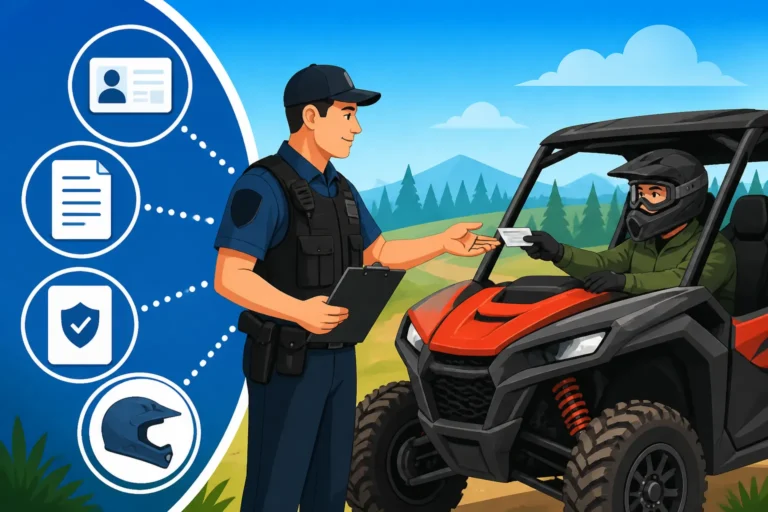
When you arrive, clearly explain your situation to the registry agent. Be polite, patient, and prepared to answer questions. They're not trying to be difficult; they're following established procedures to prevent fraud and ensure proper ownership transfer. Show them your meticulously prepared package of documents.
The agent will review your statutory declaration and supporting evidence. They'll verify your identity and residency. They may also run the VIN through their system to check for any records of theft or previous registration. Based on their assessment, they will either proceed with the registration or inform you if further steps, like a VIN inspection, are required. They might also advise you if they believe your documentation is insufficient and what else you might need to acquire.
Remember, registry agents are experienced with these kinds of situations, but each case is unique. Be ready to clearly articulate your story and provide any requested clarifications. The goal is to convince them, with solid evidence, that you are the rightful and legitimate owner.
Potential Roadblocks and How to Overcome Them
Even with the best preparation, you might encounter some bumps along the way. Knowing what to expect can help you navigate these challenges.
- The "Stolen Machine" Scare: This is the most serious roadblock. If a VIN check reveals the OHV has been reported stolen, the registry agent is legally obligated to notify law enforcement. In this unfortunate scenario, you will lose possession of the machine, and typically, any money you paid for it. There's no recourse through the registry; it becomes a police matter. This underscores the importance of thorough due diligence (like a VIN check) before purchasing an OHV, especially without proper paperwork.
- Unclear Ownership History: If your statutory declaration and supporting documents don't provide a sufficiently clear or continuous chain of ownership, the registry agent might hesitate. For example, if the machine changed hands multiple times without any record, they might deem the risk too high. In such cases, they might ask for additional sworn statements, perhaps from previous owners you might be able to track down, or further evidence of your long-term possession. Persistence and additional documentation are key.
- Registry Agent Discretion: While there are rules, there's often a degree of discretion involved in unusual cases. If one agent is hesitant, and you genuinely feel your documentation is robust, you could try another registry office. However, it's generally better to work with the first agent, understand their specific concerns, and address them. They are experts in [Alberta Registry Agents and OHV Paperwork].
- The "No GST" Dilemma for Used Machines: For used OHVs purchased through a private sale, you typically won't pay GST. The registry agent isn't collecting it on these transactions. The challenge arises if the OHV appears to be very new, or if there's an ambiguity that makes the agent question if it was truly a private sale or if GST should have been collected by a dealer. If it's a truly private, used OHV sale without a bill of sale, focus on proving the private nature of the transaction. A properly drafted statutory declaration, perhaps using LawDepot's resources, can help make this clear.
Patience and a good attitude will serve you well. Registry staff are there to help, but they also have a job to do, which includes protecting against fraud.
What Happens After Registration (and What to Avoid)
Congratulations! If you've successfully navigated the process and registered your OHV without a traditional bill of sale, you've overcome a significant hurdle. Now, it's about staying on the right side of the law and avoiding future headaches.
The Importance of Keeping Your New Paperwork Safe
Once your OHV is registered, you'll receive a registration certificate and a license plate. These are invaluable documents. Treat them with extreme care. Your registration certificate proves that your OHV is legally registered in Alberta. While many jurisdictions are moving towards digital proofs, Alberta still emphasizes having a physical copy. [Alberta Digital Certificates Must Be Printed], and it's always wise to have a paper copy with you when you're out riding. This is crucial for situations like an officer performing a spot check on the trail. [Printing a Certificate Before You Ride] explains this further.
Consider keeping your original registration certificate in a safe place at home and carrying a laminated copy, or a very clear digital photo on your phone, when you ride. This protects the original from damage or loss while still providing proof of registration.
Avoiding Future Registration Headaches
Learning from experience is key. Now that you know the complexities of registering without a bill of sale, you'll want to ensure you never face this situation again.
- Always Get a Bill of Sale: For every future OHV purchase, no matter how small or informal, insist on a written bill of sale. Even if it's a gift or a trade, create a document that officially transfers ownership. This applies even to private sales between neighbours. [What a Private Quad Sale Between Neighbours Needs] outlines what to include.
- Use Templates: Resources like LawDepot offer simple, legally sound bill of sale templates that can be completed in minutes. There's no excuse not to use one.
- Know and Check the VIN: Before you buy any OHV, always verify the VIN on the machine itself matches any paperwork. Run a VIN check through a reputable service to ensure the machine isn't stolen or doesn't have outstanding liens. This proactive step can save you immense trouble down the road. [Checking a Serial Number for Theft Before You Pay] is an essential read for any buyer.
- Keep Records: Maintain a dedicated folder for all your OHV-related documents: registration certificates, insurance papers, maintenance records, and, of course, the bill of sale. This makes future renewals, transfers, or sales much smoother.
Understanding Your Ongoing Responsibilities
Registration is just the first step in responsible OHV ownership in Alberta. You have ongoing responsibilities to ensure you can continue to enjoy your machine legally and safely.
- Registration Renewal: OHV registrations in Alberta are typically valid for either one or two years. You'll need to renew it before it expires. This can often be done online if your information hasn't changed. [Alberta ATV Registration Renewal Online] can guide you through that process.
- Insurance Requirements: Remember that all OHVs operating on public land in Alberta must be insured with at least third-party liability coverage. Always carry proof of insurance with you. [Alberta Requires Insurance on Public Land] details these requirements.
- Plate Placement: Your license plate isn't just for show. It needs to be properly mounted and clearly visible on the rear of your OHV. There are specific rules about this to ensure it can be read easily. [Where Your OHV Plate Must Sit to Be Seen] goes into detail on correct placement.
- Compliance with OHV Laws: Beyond registration and insurance, there are many other laws governing OHV use in Alberta, covering everything from helmet use to noise regulations and where you can ride. Familiarize yourself with these rules to avoid fines and ensure safe riding for everyone. A good starting point is understanding [What the Traffic Safety Act Requires of Alberta OHVs].
Navigating the registration process without a bill of sale can be daunting, but with the right information, preparation, and a bit of persistence, it's entirely achievable. Happy trails!
Disclaimer
This article is for general informational purposes only and does not constitute professional advice. Laws, prices and regulations vary by location and change over time. Consult a qualified professional for guidance on your specific situation.