Why a Sidewalk Counts as Highway for Riders
It’s a common frustration, isn't it? You’re out riding your ATV or side-by-side, maybe just trying to get from one section of a trail to another, or even just crossing a small patch of grass, and suddenly you see someone riding on a sidewalk. Or maybe you've been tempted to yourself, thinking it's just a pedestrian area and therefore "off-road." But here in Alberta, the rules around off-highway vehicles (OHVs) and what constitutes a "highway" can be incredibly confusing, and the reality is that a sidewalk, in the eyes of the law, is almost always considered part of the highway. This guide is here to unravel that mystery, explain Alberta's broad legal definitions, and help you understand why riding your OHV on a sidewalk can land you in hot water.
Unpacking Alberta's Definition of "Highway"
When most of us think of a "highway," we picture multi-lane paved roads, bustling with cars and trucks, maybe even a speed limit sign flashing by. But in Alberta, the legal definition of a "highway" is far more encompassing than just those asphalt ribbons we drive on every day. This broad interpretation is often the root of many misunderstandings for OHV riders who are trying to navigate where they can and cannot legally ride.
More Than Just Paved Lanes
The Traffic Safety Act in Alberta lays out a definition of "highway" that includes almost any public place that has been dedicated, used, or prepared for the passage of vehicles. This isn't just about the main driving lanes. It extends to shoulders, ditches, medians, and even undeveloped road allowances. Imagine a grid road out in the rural areas – the "highway" isn't just the two tire tracks down the middle, it's often the entire surveyed width, including the ditches on either side. This comprehensive definition is designed to ensure consistent rules for vehicle operation across a wide range of public spaces, even those that don't look like your typical highway.
This expansive view means that even if a piece of land doesn't have asphalt or gravel, if it's publicly accessible and intended for some form of travel, it can be classified as part of the highway. For OHV riders, this is a crucial distinction. It means that simply being off the main paved surface doesn't automatically mean you're on "private land" or a "trail." That grassy strip beside a country road, or the ditch separating a field from the pavement, can still be legally considered part of the highway. This is why [Alberta Rules for Riding a Ditch] is such an important topic for many riders to understand, as it’s a common area of confusion and potential fines.
The Sidewalk's Place in the Act
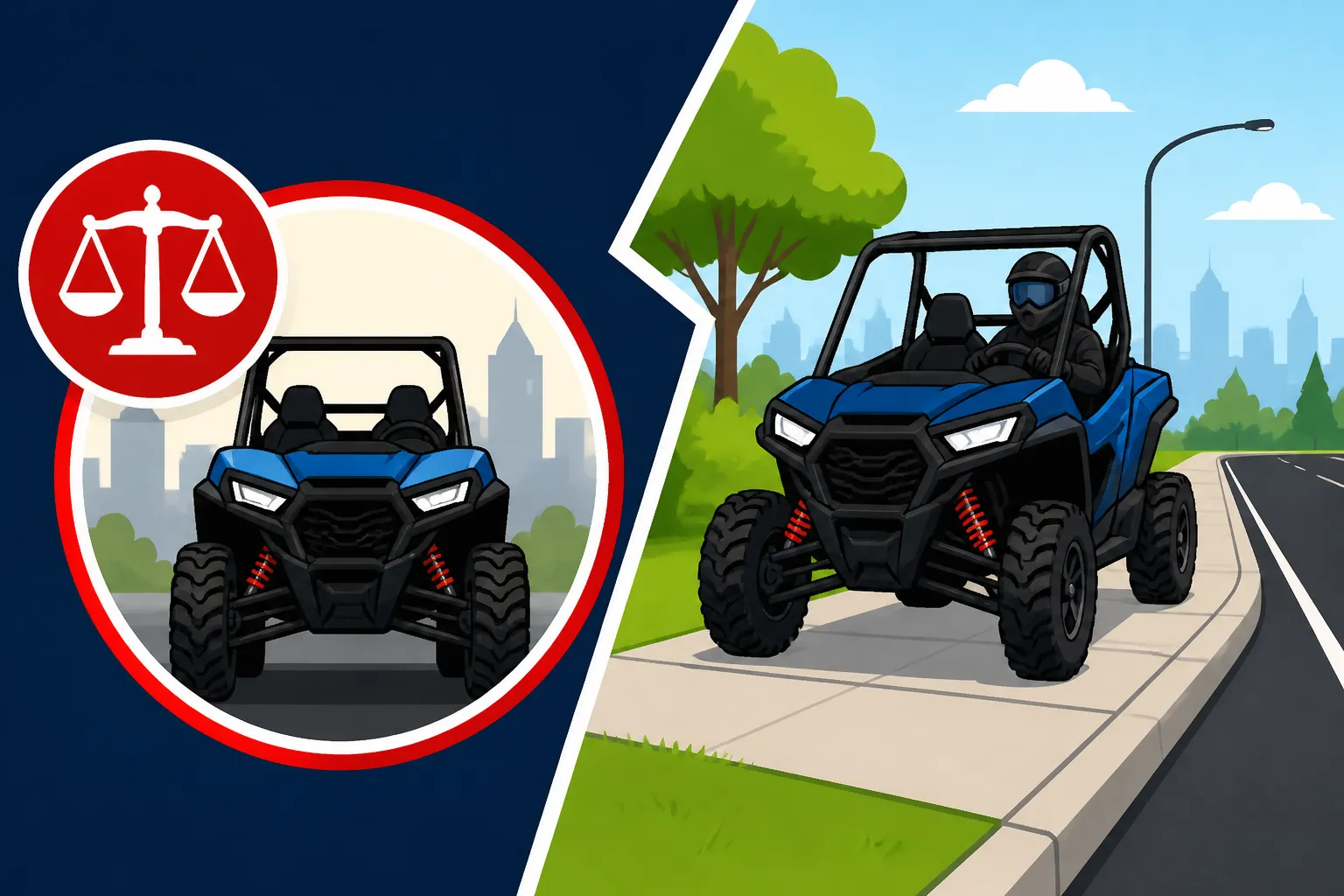
So, where does a sidewalk fit into all of this? Given the broad definition of "highway" in the Traffic Safety Act, a sidewalk, being a public area specifically designated and prepared for travel (even if it's pedestrian travel), falls squarely within that definition. It's a public right-of-way. While it's certainly not intended for ATVs or side-by-sides, its public nature and purpose for movement mean it's grouped under the same legal umbrella as the road itself.
Think of it this way: the Traffic Safety Act is designed to regulate all traffic and modes of transport on public land. Just because pedestrians use it doesn't exempt it from the Act's overall framework. For an OHV, operating on a sidewalk is essentially the same as operating it on the main street, without having met the specific, stringent conditions for on-highway use. It’s not an "off-road" zone by default; it's just a different part of the public highway system. This understanding is critical because many riders mistakenly believe that if they're not on the paved road, they're free from traffic laws, which is simply not the case in Alberta.
The Implications for OHV Riders
Understanding that a sidewalk is legally considered part of the "highway" for OHV riders in Alberta is more than just a legal technicality; it has direct and often costly implications for anyone operating an ATV or UTV. The repercussions range from fines to potential vehicle seizure, and it highlights the importance of knowing exactly where your machine is allowed to go.
Why You Can't Just "Pop Onto" a Sidewalk
Because a sidewalk is part of the "highway" in Alberta's legal framework, riding your OHV on it is generally illegal. You're not just taking a shortcut; you're operating an off-highway vehicle on a part of the public highway system where it is not authorized. The Traffic Safety Act and associated regulations, such as [Off-Highway Vehicle Regulation 319/2002], clearly outline where OHVs can and cannot be operated. Sidewalks are designed for pedestrian traffic and, as such, are not places where OHVs are permitted. The risks are clear: pedestrians, especially children, often expect sidewalks to be safe from vehicular traffic. Introducing an OHV, even for a short distance, creates an immediate and unacceptable safety hazard.
The consequences for riding an OHV on a sidewalk can be substantial. You could face significant fines, and in some serious cases, your machine could even be impounded. Police and enforcement officers treat these violations seriously because of the inherent danger to the public. It's a common misconception that if you're just "being careful" or "only going a short distance," it's okay. However, the law doesn't make exceptions for good intentions. If you wouldn't drive your pickup truck on a sidewalk, you shouldn't drive your quad there either, because legally, they are both considered vehicles operating on a part of the highway where they do not belong. Remember that [Alberta Penalties for Riding Unregistered] or without proper authorization can be quite steep, so it's always best to err on the side of caution and legality.
Local Bylaws and Their Limits
You might be thinking, "But what about local bylaws? Don't some towns or counties allow OHVs on roads?" And you're right, to a limited extent. Some municipalities have passed bylaws that allow OHVs on specific, designated roads or for certain purposes, like agricultural operations within their boundaries. However, these bylaws are almost exclusively focused on roads or road allowances, not sidewalks. It's incredibly rare, if not entirely unheard of, for a local bylaw to permit OHVs on sidewalks, precisely because of the safety implications for pedestrians.
These local bylaws typically specify very particular conditions: certain hours, specific streets, maximum speeds, and often require that the OHV be fully registered, insured, and operated by a licensed driver. Even when a municipality like the [County of Wetaskiwin's OHV Bylaws in Alberta] makes provisions for OHV use, you'll find that these rules are very strict and do not extend to pedestrian areas. If you're ever in doubt about local regulations, your best bet is to check with the specific municipality's administration or local law enforcement. Assuming a bylaw allows sidewalk riding is a dangerous gamble that could lead to fines and legal trouble. Always verify the rules for the specific area you plan to ride in, and don't make assumptions about sidewalks being permissible.
When and Where You Can Ride Your OHV
Given the strict rules surrounding OHV use on Alberta's highways and sidewalks, it's natural to wonder: where can you actually ride? Thankfully, Alberta offers a wealth of opportunities for responsible OHV use, but it's crucial to understand the designated areas and the very limited exceptions for highway travel.
Designated Trails and Private Land
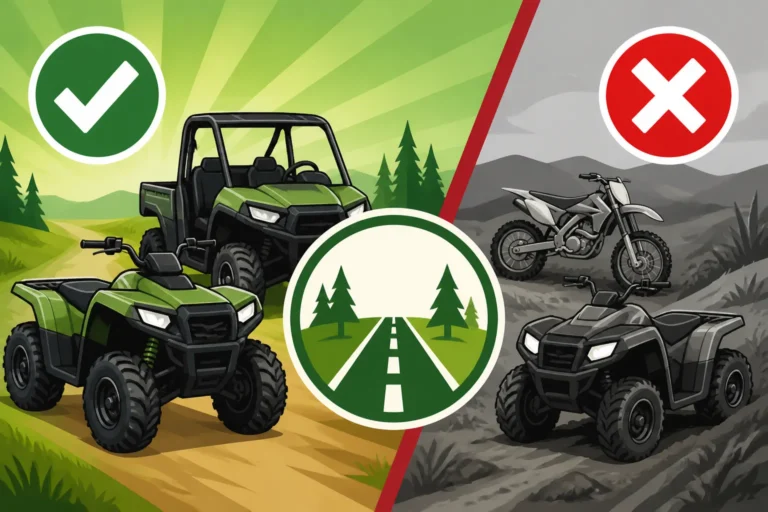
The primary places for recreational OHV riding in Alberta are designated trails and private land with permission. Alberta boasts an extensive network of Public Land Use Zones (PLUZs), like the popular [McLean Creek: Alberta's Best Known OHV Area] or the sprawling [Ghost PLUZ Riding in Alberta], which are specifically managed for various recreational activities, including OHV use. Within these zones, there are often hundreds of kilometres of trails tailored for ATVs, side-by-sides, and dirt bikes. These are the places where you can truly enjoy the capabilities of your machine without the constant worry of violating traffic laws or endangering pedestrians. Always make sure you're riding on designated trails within these zones, as random off-trail riding can still be illegal and environmentally damaging.
Beyond public lands, riding on private property is also permissible, provided you have explicit permission from the landowner. This is a key distinction from public lands and highways. If you own the land, or have been given permission by the owner, you can generally ride your OHV there without needing to meet the registration or insurance requirements that apply to public land use. However, even on private land, common sense and safety rules still apply. It's wise to ensure your machine is in good working order, with all the necessary safety features, even if the law is less strict about registration. After all, parts like robust skid plates or A-arm guards, perhaps from a brand like SuperATV, are essential for protecting your machine's underside during aggressive trail riding, whether on private land or in a PLUZ. Remember, you're responsible for your own safety and the safety of others, regardless of the land type.
The Rare Exceptions and How to Know Them
While the general rule is "no OHVs on highways or sidewalks," there are a few very limited exceptions under Alberta law, primarily for agricultural purposes or crossing a highway. However, it's vital to stress that these are exceptions and do not grant general permission to use your OHV on any part of the highway. For example, a farmer might be able to obtain ministerial permission to operate an OHV on a highway for specific agricultural purposes, such as moving between fields, under very strict conditions. Similarly, you might be allowed to cross a highway (at a right angle, after stopping, yielding to traffic, and ensuring clear visibility) to access another trail section, but you cannot ride along the highway, even on the shoulder.
It's absolutely critical for riders to understand that these exceptions are highly specific and rarely, if ever, apply to recreational riding on sidewalks or roads. They certainly don't negate the need for proper registration, insurance, and the wearing of an approved helmet in most public land scenarios. Before you assume any exception applies to your situation, you must consult the official regulations or speak with an Alberta Registry Agent. Don't rely on hearsay or what "everyone else does." This is also why knowing [Alberta Requires Insurance on Public Land] is so important, as even these limited exceptions usually still require your machine to be insured. Equipping your machine with proper lighting, like strong LED light bars often available through aftermarket suppliers like SuperATV, can be extremely helpful for visibility during any legal crossings, ensuring you are seen by other traffic.
Protecting Yourself and Your Machine
Navigating the rules and regulations for OHV riding in Alberta can feel like a minefield, but understanding the legal landscape is the first step in ensuring a safe and enjoyable experience. Protecting yourself and your machine isn't just about avoiding tickets; it's about responsible recreation and contributing positively to the OHV community.
The Importance of Knowing the Rules
Ignorance of the law is never a valid defense, and this holds especially true for OHV operation in Alberta. The rules around what constitutes a "highway," where you can ride, and what equipment is required are in place for safety—yours, other riders', pedestrians', and the environment's. Taking the time to thoroughly understand the Traffic Safety Act, the Off-Highway Vehicle Regulation, and any relevant municipal bylaws will save you a lot of headaches, fines, and potentially serious accidents. Many resources are available, from government websites to local registry agents who can answer questions like [Alberta Registration Questions Agents Hear]. It’s your responsibility as a rider to stay informed.
Think of it as part of your pre-ride checklist: fuel, tires, safety gear, and a quick check of the local rules. If you’re riding in a new area, always do your homework beforehand. Are there specific noise restrictions? Are certain trails seasonally closed? Is a [Public Lands Camping Pass] required in that particular zone? Knowing these details prevents accidental violations and helps preserve access for all riders. A well-informed rider is a safe and respected rider, and that's the kind of reputation we all want to uphold for the OHV community.
Essential Gear for Responsible Riding
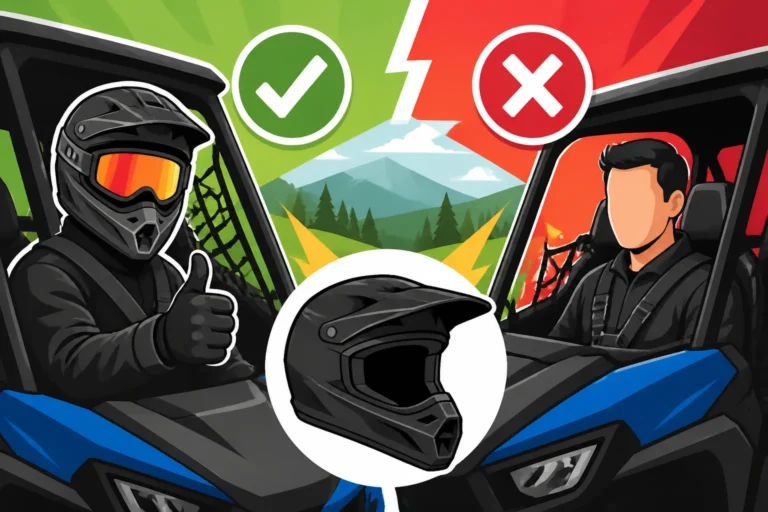
Beyond knowing the legalities, equipping yourself and your machine properly is paramount. This isn't just about meeting minimum requirements; it's about maximizing safety and comfort for every ride. A CSA-approved helmet is mandatory on public land for good reason—it can be a literal lifesaver. Beyond that, sturdy boots, gloves, eye protection, and appropriate clothing for the weather and terrain are essential. Think about the conditions: mud, dust, rocks, and changing temperatures are all part of the Alberta OHV experience.
For your machine, several items are not only legally required but also contribute significantly to safe operation. A working spark arrestor is a must to prevent wildfires, and loud, modified exhausts are often illegal on public land. Functioning headlights and taillights are vital, especially if you anticipate riding at dusk or in low-light conditions. While not legally required for all situations, a winch can be invaluable for self-recovery or helping a buddy out of a sticky situation. Upgrading to durable components, such as heavy-duty axles or robust bumpers from reputable brands like SuperATV, can also significantly enhance your machine's longevity and performance on challenging trails, reducing the chances of breakdowns far from civilization. Investing in the right gear, both for yourself and your machine, is an investment in countless more enjoyable and safe rides in Alberta's stunning wilderness.
Disclaimer
This article is for general informational purposes only and does not constitute professional advice. Laws, prices and regulations vary by location and change over time. Consult a qualified professional for guidance on your specific situation.