No Provincial Sales Tax to Pay
One of the biggest worries when you're excitedly looking to buy a new (or new-to-you) ATV or side-by-side is the dreaded sales tax. It can add a hefty chunk to the final price, often taking what you thought was a good deal and bumping it well beyond your budget. Thankfully, if you're buying your off-highway vehicle (OHV) in Alberta, you're in for some good news on the sales tax front, and this guide will walk you through exactly what you can expect to pay – and what you won't.
The Alberta Advantage: No Provincial Sales Tax
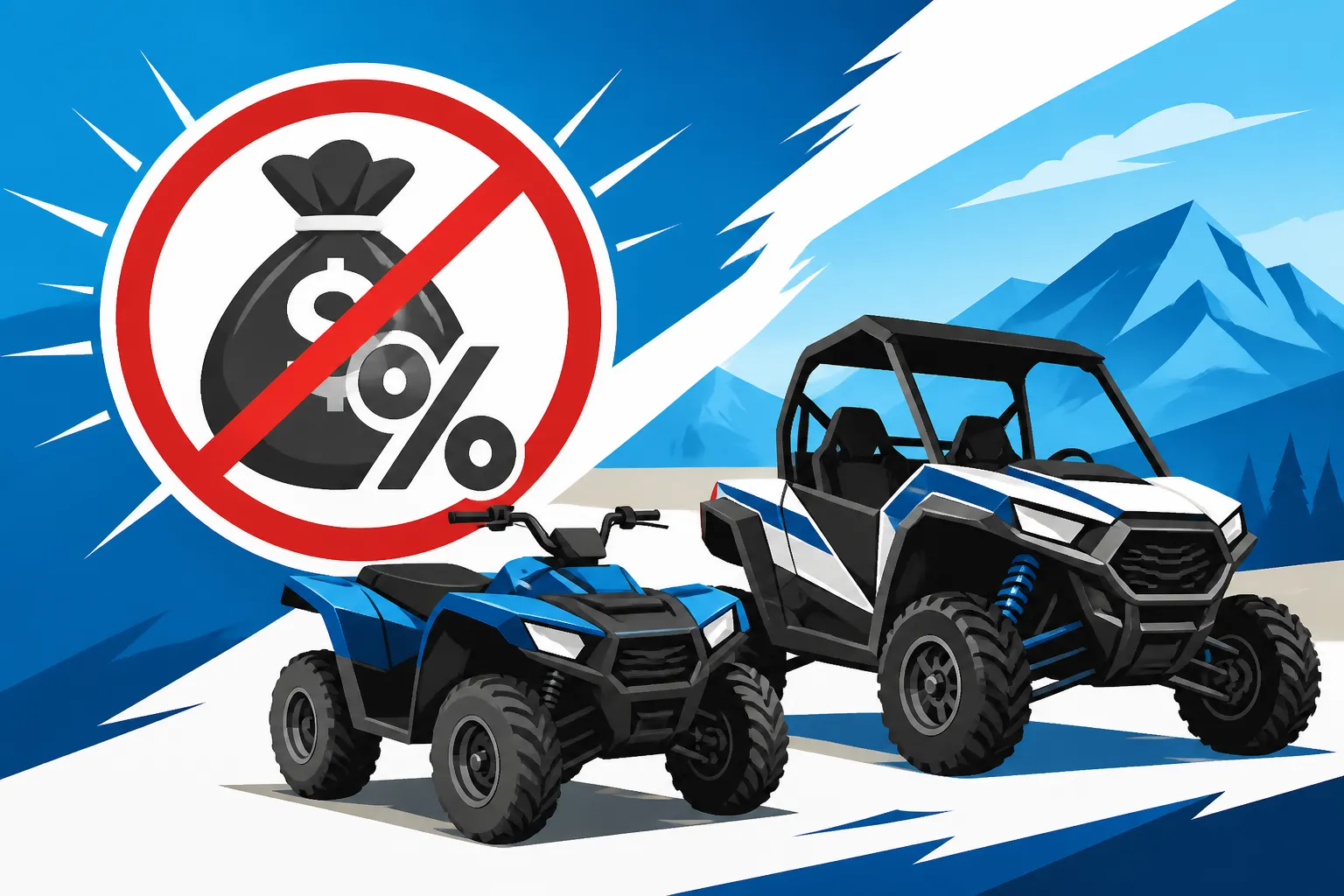
It's a fact that brings a sigh of relief to many Albertans and those considering purchasing big-ticket items here: Alberta is the only province in Canada that does not levy a provincial sales tax (PST). Everywhere else in the country, you're typically looking at two separate sales taxes on most goods and services – the federal Goods and Services Tax (GST) and a provincial sales tax, or a combined harmonized sales tax (HST).
This unique economic position in Alberta means that when you're budgeting for your dream quad or side-by-side, you can immediately cross one significant expense off your list. It's not just a small saving; PST rates in other provinces can range from a few percentage points to over ten percent, which adds up considerably on a purchase that might cost thousands or tens of thousands of dollars. This lack of PST is a deliberate policy choice by the Alberta government, aimed at keeping living and business costs lower, and it's a huge benefit for consumers, especially those making large purchases like vehicles.
How This Impacts Your ATV or UTV Purchase
For you, the ATV or UTV buyer, the absence of provincial sales tax means a direct and substantial saving. Imagine comparing the cost of a brand new side-by-side in Alberta versus, say, British Columbia or Saskatchewan. Even with the same manufacturer's suggested retail price, the final out-the-door price in Alberta will be significantly lower because you're only paying one layer of sales tax. This can free up funds for essential accessories like helmets, winches, or even put you into a slightly higher trim level of machine than you might have otherwise afforded. It effectively stretches your buying power.
This also impacts used machines. While there are nuances to GST on used machines (which we’ll get into), the fundamental truth remains: no PST on any transaction in Alberta, whether new or used, whether from a dealer or a private seller. This helps keep the overall market price for OHVs competitive and more accessible for enthusiasts across the province. It's one of the reasons Alberta remains a strong market for powersports. Many riders enjoy knowing that the price they see is much closer to the final amount they’ll pay than in other parts of Canada. You can learn more about this general benefit in our article, [Alberta Has No Provincial Sales Tax].
Federal Tax You Still Need to Budget For
While you can celebrate avoiding provincial sales tax, it's crucial to understand that federal taxes still apply. The Goods and Services Tax (GST) is a national sales tax levied by the Canadian government. It applies uniformly across all provinces and territories, including Alberta, on most goods and services. Currently, the GST rate is a consistent percentage of the purchase price.
So, when you're looking at that shiny new quad or the rugged side-by-side at a dealership, remember that the advertised price will have the GST added on top. It's a standard part of doing business across Canada, and Alberta is no exception. This federal tax helps fund a wide array of federal programs and services, so while it's an added cost, it's a necessary component of purchasing in Canada. Knowing this upfront helps you budget accurately and avoids any surprises when you get the final bill.
Calculating GST on Your Machine
Calculating the GST on your ATV or UTV purchase is straightforward. It’s a set percentage of the item's purchase price. For example, if a machine is priced at $10,000, you would simply calculate the GST as that percentage of $10,000. This amount is then added to the base price of the vehicle. It's important to remember that this applies to the total taxable amount, which can sometimes include certain dealer fees if they are also subject to GST. Always ask for a clear breakdown from your dealer so you know exactly what you're paying tax on.
This applies equally to new machines purchased from a dealership and any used machines bought from a registered business. Whether it's a brand-new model fresh off the truck or a certified pre-owned unit from a powersports store, the business is required to collect and remit GST on the sale. This ensures consistency and fairness in commercial transactions. For a deeper dive into federal taxes on new vehicles, check out [Federal Tax on a New Machine].
GST on Private Sales: What to Know
Here's where things get interesting and often lead to confusion for many buyers. When you purchase an ATV or UTV directly from a private individual – say, a neighbour, a friend, or someone you found through an online classified ad – you generally do not pay GST on that transaction. This is a significant distinction from buying from a registered business or dealership.
The reason for this exemption in private sales is that the GST is designed to be collected by businesses at various stages of the commercial supply chain. An individual selling their personal used ATV is not considered a business for tax purposes and therefore isn't required to collect or remit GST. This can make private sales particularly appealing for budget-conscious buyers, as it removes one of the main tax burdens. However, it's critical to ensure that the seller is indeed a private individual and not operating as an unregistered business. Always be diligent in your private sale arrangements. For more on the paperwork involved, you can refer to [Alberta Private Sale Paperwork].
Other Potential Costs Beyond the Sticker Price
While tax considerations are a big part of budgeting for an OHV, they are far from the only costs you'll encounter. Smart buyers look at the bigger picture, knowing that the purchase price is just the beginning of their journey. Overlooking these additional expenses can lead to frustration and financial strain down the road, so it’s wise to factor them into your overall budget from the very start.
Think about it like this: buying a house isn't just about the mortgage; it's also about property taxes, utilities, and maintenance. Similarly, an ATV or UTV purchase comes with its own ecosystem of associated costs that are vital for safe, legal, and enjoyable riding in Alberta's beautiful landscapes.
Dealer Fees and Administration Charges
When you buy a new or used OHV from a dealership, the price on the tag isn't always the final amount you'll pay before taxes. Dealerships often have additional fees that they charge, which cover various services and administrative costs. These can include:
- PDI (Pre-Delivery Inspection) Fees: This covers the cost of assembling the machine, performing initial checks, and ensuring it's ready for you to ride safely.
- Documentation Fees: Charges for processing all the necessary paperwork, title transfers, and other administrative tasks.
- Freight or Shipping Charges: If the machine had to be transported from the manufacturer or a distribution center, a portion of this cost might be passed on to you.
- Environmental Fees: Sometimes, there are small fees related to recycling or environmental levies.
It’s always a good practice to ask for a detailed breakdown of all fees and charges before you agree to a purchase. Don't be shy about inquiring what each fee is for. Transparency is key, and understanding what you’re paying for helps you make an informed decision and ensures there are no surprises when you sign the final paperwork. Our guide on [Alberta Dealer Fees to Expect] can give you more insight into what to anticipate.
Registration, Insurance, and Safety Gear
Once you’ve acquired your ATV or UTV, your responsibilities (and costs) don’t end there. To legally ride on most public lands in Alberta, you'll need to ensure your machine is properly registered and insured. These are not one-time costs but ongoing expenses that are crucial for compliance and peace of mind.
- Registration: All OHVs in Alberta must be registered if they are to be operated on public land. This involves an annual or biennial fee and ensures your machine is trackable and meets legal requirements. You can learn more about the specifics in [What Alberta OHV Registration Costs].
- Insurance: While not mandatory for riding on private land, operating your OHV on public land in Alberta absolutely requires liability insurance. This protects you in case of an accident where you are at fault, covering damages or injuries to others. The cost of insurance can vary widely based on the machine type, your riding history, and coverage limits. For a deeper understanding, check out [Alberta Requires Insurance on Public Land].
- Safety Gear: Don't forget the essential safety equipment! A CSA-approved helmet is mandatory for riders and passengers on public land in Alberta. Beyond that, sturdy boots, gloves, eye protection, and appropriate riding apparel are highly recommended. While these are initial purchases, they are investments in your safety and comfort. Knowing the rules about helmets is critical, so be sure to read [Alberta ATV Helmet Law Explained].
Navigating the Purchase Process in Alberta
Buying an ATV or UTV can be an exciting journey, whether you're a seasoned rider or just starting out. However, the process involves more than just picking out your machine and handing over the cash. To ensure a smooth, legal, and financially sound transaction in Alberta, there are a few key steps and considerations, especially when it comes to paperwork and long-term budgeting. Being prepared will save you headaches and help you get out on the trails faster.
Getting Your Paperwork in Order
Regardless of whether you're buying from a dealer or a private seller, the paperwork side of the transaction is paramount. For private sales, a comprehensive bill of sale is your best friend. It should clearly state the buyer and seller's information, the OHV's VIN (Vehicle Identification Number), the purchase price, the date of sale, and explicitly state that the machine is being sold "as is, where is." This document protects both parties and is essential for later registering the machine in your name. Without proper documentation, you could face significant challenges at the registry office.
Many riders find resources like LawDepot helpful for generating legally sound documents like a bill of sale. Using a template ensures all necessary information is captured, reducing the risk of disputes or issues down the line. Even if you're buying from a dealer, always review the sales contract carefully before signing, ensuring all costs are itemized and understood. For a deeper dive into what’s needed for private sales, our article [Buying From a Private Seller in Alberta] is a great resource.
Budgeting Beyond the Initial Price Tag
We've covered the taxes (or lack thereof) and other immediate costs, but truly smart budgeting for an ATV or UTV goes even further. Think about the entire lifecycle of your machine. This includes:
- Maintenance: Regular oil changes, air filter cleaning, tire upkeep, and occasional repairs are all part of owning an OHV. These costs can vary significantly based on how often and how hard you ride.
- Fuel: OHVs aren't known for their fuel efficiency, so factor in the cost of gasoline for your adventures.
- Accessories and Upgrades: From winches and extra lighting to cargo boxes and upgraded tires, the world of OHV accessories is vast. Many riders find themselves continually upgrading their machines to enhance performance or comfort.
- Hauling Costs: Do you have a truck and trailer capable of safely transporting your OHV to staging areas? If not, that’s another potential expense to consider.
- Public Lands Passes: If you plan to ride in designated Public Land Use Zones (PLUZs) within the Eastern Slopes, such as McLean Creek or Ghost PLUZ, you’ll need an Alberta Public Lands Camping Pass, even if you’re just staging there. This is a separate cost from registration and insurance.
A holistic budget that accounts for all these elements will prevent financial surprises and ensure you can fully enjoy your ATV or UTV without stress. Before you commit to a purchase, take a moment to outline all these potential expenses. This foresight will help you choose a machine that fits not just your immediate budget, but your long-term recreational plans. You might find our [Alberta Registration Paperwork Checklist] useful for keeping track of initial requirements.
Disclaimer
This article is for general informational purposes only and does not constitute professional advice. Laws, prices and regulations vary by location and change over time. Consult a qualified professional for guidance on your specific situation.