What a Registry Agent Needs to Register Your Quad
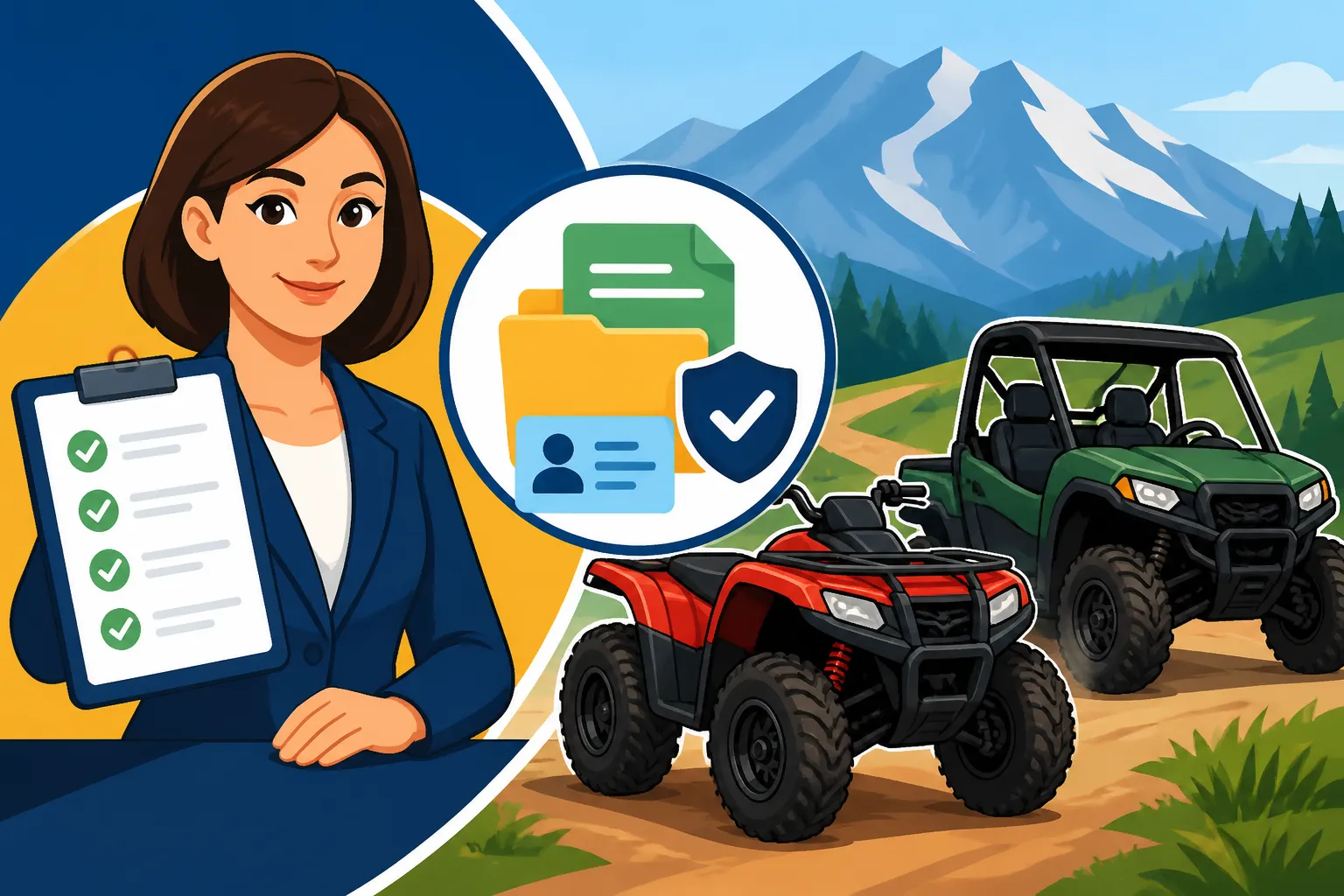
It's incredibly frustrating to arrive at the Alberta registry, clutching a handful of papers, only to be told you're missing a crucial document to register your beloved quad or side-by-side. You've carved out time in your busy day, navigated traffic, and perhaps even taken time off work, all for a seemingly straightforward task, only to hit a roadblock. This guide is here to smooth out that process, outlining exactly what a registry agent in Alberta needs to get your off-highway vehicle (OHV) officially registered, plated, and ready for the trails.
Essential Documents for Your Quad's First-Time Registration
When you're looking to get your OHV registered for the first time in Alberta, whether it's brand new or new to you, there's a stack of paperwork you'll need to present. Think of your trip to the registry as building a legal case for your ownership and identity; you need solid evidence for each step. Skipping any of these can lead to a frustrating, wasted trip, sending you back to gather more documents.
Proof of Ownership: The Cornerstone Document
This is arguably the most critical piece of the puzzle. Without proving you legally own the quad, no registry agent can process your request. The type of document you need here depends on whether your machine is fresh off the showroom floor or a pre-loved trail warrior.
For a brand-new quad, you'll need what's called a Manufacturer's Statement of Origin (MSO), sometimes referred to as a Certificate of Origin. This document is essentially the birth certificate for your machine. It's issued by the manufacturer and indicates that the vehicle has never been registered before and who the first owner is. The dealer will typically provide this to you at the time of purchase. Ensure all the details are accurate, especially the Vehicle Identification Number (VIN), as any discrepancies can cause delays. A registry agent will cross-reference this with their systems, so make sure it's pristine.
If you've bought a used quad, the game changes slightly. Here, you'll need a comprehensive Bill of Sale. This isn't just a scribble on a napkin; it needs to be a clear, dated document that identifies both the buyer and the seller, describes the OHV (including its VIN, make, model, and year), and states the purchase price. The signatures of both parties are absolutely non-negotiable. Many people underestimate the importance of a detailed bill of sale, but it's your legal proof of transfer. Sometimes, people ride for years on a casual agreement, only to find themselves in a bind when it comes time to register or sell. Don't let that be you. A well-drafted bill of sale protects both parties and makes the registration process significantly smoother. In fact, many people find it helpful to use a template from a reputable source like LawDepot to ensure all necessary fields are included. For more details on what counts, check out [Will a Handwritten Bill of Sale Register a Quad?].
What happens if you've lost this crucial paperwork? This is where things get tricky, but not necessarily impossible. If it's a new machine and you've lost the MSO, your first step is to contact the dealer you purchased it from. They might be able to provide a duplicate or guide you on the next steps. For a used quad with a missing bill of sale, it's more complicated. You might need to track down the previous owner, if possible, to get a new one drafted. If that's not an option, some registries might accept a sworn affidavit of ownership, but this is a much more involved process and often requires a commissioner of oaths. It's always best to keep these vital documents in a safe place from day one.
Verifying Your Identity and Residency
Beyond proving ownership of the machine, you also need to prove who you are and that you reside in Alberta. This seems straightforward, but again, incomplete or incorrect identification can quickly derail your efforts.
For identification, a valid driver's license issued by any Canadian province or territory is usually the easiest option, as it often doubles as proof of address. If you don't have an Alberta driver's license, other government-issued photo ID like a passport or an Alberta Identification Card will work, but you'll then need a separate document to prove your residency. For new residents or those without a typical driver's license, this means being prepared.
Proof of Alberta residency typically includes documents that clearly show your name and your current Alberta address. Common examples are utility bills (power, gas, water), a lease agreement for your residence, or even a recent bank statement or credit card statement. Make sure these documents are relatively current, usually within the last 90 days. A post office box address won't cut it, as the registry needs to confirm a physical residential address. If you're a visitor to Alberta and plan on riding, the rules for how long you can use your out-of-province registration are specific, so understanding [Alberta Proof of Residency for Visitors] is important if you're not a permanent resident. The key takeaway here is to bring at least two forms of ID, one with a photo, and one that clearly links you to your current Alberta home address.
What Happens If You're Registering a Used Machine
Registering a used OHV comes with its own set of considerations, largely revolving around the transaction's history and ensuring there are no hidden surprises that could make your new-to-you quad more trouble than it's worth. This is where being thorough truly pays off.
The Importance of a Complete Bill of Sale
We touched on this earlier, but it truly can't be stressed enough for a used machine: a comprehensive bill of sale is your best friend. Imagine you've just bought a used quad from a private seller you met online. You handed over the cash, they handed over the keys, and you both signed a basic receipt. You head to the registry, excited to get your plate, and they tell you the receipt is missing crucial information. Now you have to track down the seller, who might be unreachable or unwilling to cooperate, just to get the correct paperwork.
A proper bill of sale should include:
- Full Legal Names and Addresses: Of both the buyer (you) and the seller.
- Date of Sale: Crucial for establishing ownership transfer.
- Detailed Description of the OHV: This means the make, model, year, and most importantly, the full Vehicle Identification Number (VIN). The VIN is like the quad's fingerprint; it's unique and essential for official identification.
- Purchase Price: While Alberta doesn't have provincial sales tax, this figure is still important for the record.
- Signatures: Both the buyer and the seller must sign and ideally, print their names clearly below their signatures.
Some buyers and sellers choose to notarize their bill of sale for an added layer of authenticity, though this isn't strictly required by Alberta registries for an OHV. However, ensuring you have all this information documented clearly can prevent headaches down the line. You can find excellent templates online, including those offered by LawDepot, that guide you through filling out all the necessary sections, ensuring you don't miss anything. Having this document complete and accurate is a major step in avoiding delays when you visit the registry.
Lien Checks and Transfers
Another vital step when purchasing a used OHV, especially from a private seller, is conducting a lien check. A lien is a legal claim against an asset, like your quad, often used as collateral for a loan. If a previous owner still owes money on the quad and defaults on their payments, the lender could legally seize the vehicle, even if you're the current owner! It's a nightmare scenario, but one that is entirely preventable.
Before you finalize the purchase of any used OHV, take the VIN to an Alberta registry agent and request a Personal Property Registry (PPR) search. This search will reveal if there are any outstanding liens registered against the VIN in Alberta. If a lien shows up, the seller needs to provide proof that it has been paid off and discharged before you hand over any money. If they can't, walk away, or insist on paying the lienholder directly, ensuring the lien is released before the sale concludes. It’s an extra step that saves immense potential grief, so don't skip it. For more information on this critical step, refer to [Checking Whether Used Quad Still Carries a Lien].
Once you've purchased a used quad that was previously registered in Alberta, you'll need to transfer that registration into your name. This process is generally straightforward if you have the complete bill of sale and the previous owner's valid registration certificate (or at least their name from it). The registry agent will update the records to reflect you as the new registered owner. It's a simple change, but it's legally necessary to ensure you are recognized as the party responsible for the machine. Understanding [Alberta Registration Transfer After a Sale] can further clarify this process.
Understanding Fees and Payment Options
Navigating the costs associated with registering your quad can sometimes feel a bit murky, especially with different types of fees involved. It’s crucial to understand what you’re paying for and how to pay for it to avoid any surprises at the registry counter.
Breaking Down the Registration Costs
There are a few components that make up the total cost of registering your OHV in Alberta. Firstly, there's the provincial registration fee itself. This is the base fee charged by the Alberta government for the privilege of registering your vehicle. This fee contributes to the overall system of vehicle registration and regulation in the province. The exact amount can vary, and it's always best to check current figures directly with a registry agent or the official Alberta government website, as these can change over time. For a general overview of the financial commitment, you might find [Alberta OHV Registration Cost] helpful.
In addition to the provincial fee, you'll also pay a service fee to the registry agent. Registry agents are private businesses contracted by the government to provide these services. Their service fee covers their operational costs and the convenience they offer. This fee is separate from the government portion and can vary slightly between different registry locations, though it's usually a fairly standardized amount. These fees are transparent and should be clearly displayed. For more insight into these specific charges, take a look at [Alberta Registry Counter Fees].
If you're buying a brand-new quad from a dealer, you'll also likely pay Goods and Services Tax (GST) on the purchase price, which is a federal tax. Alberta does not have its own provincial sales tax, which is a nice perk for buyers compared to some other provinces. However, dealers will collect GST on new sales. This isn't a fee you pay to the registry agent, but it's part of the overall cost of acquiring a new machine. It's an important distinction to remember when budgeting for your new ride. For more on this, consult [Alberta GST on an ATV Purchase]. When registering an inherited machine, the fees might differ slightly in terms of ownership transfer, so it's worth checking [Alberta Registration for an Inherited Machine] if that applies to you.
Acceptable Payment Methods
Most Alberta registry agents are set up to accept a variety of payment methods, making it convenient for you to settle your fees. You can typically expect to pay with:
- Debit Card: This is one of the most common and convenient methods, deducting the funds directly from your bank account.
- Credit Card: Most major credit cards (Visa, Mastercard, American Express) are widely accepted. This can be a good option if you want to earn rewards points or defer payment for a short period.
- Cash: Cash is almost always an option, though for larger sums, some people prefer electronic payments for security and record-keeping.
While these are the most common options, it's always a good idea to check with your specific registry agent beforehand, especially if you plan to use a less common payment method, such as a certified cheque or money order. Some smaller or more rural registries might have different policies. Knowing their preferred methods in advance can save you time and hassle.
Final Steps and What to Expect at the Registry
You've gathered all your documents, understood the costs, and you're ready to head to the registry. The final stage involves a few more crucial details to ensure a seamless experience and to get you officially on the trails.
Pre-Visit Checklist and Tips for a Smooth Process
Before you even leave your driveway, take a moment to run through a quick mental (or physical) checklist. Double-check that you have:
- Your proof of ownership (MSO or detailed bill of sale).
- Your valid photo ID and proof of Alberta residency.
- Any supporting documents, like lien discharge papers if applicable.
- Your chosen payment method.
It can be incredibly helpful to call your chosen registry agent location before you go, especially if you have an unusual circumstance or a question that hasn't been fully answered. For instance, if your OHV has a missing VIN plate or if you’ve inherited the machine, calling ahead can give you specific guidance and prevent a wasted trip. Registry agents handle these situations daily, and they can often tell you exactly what unique documents you might need. Don't be shy about asking questions; they're there to help you navigate the system. This proactive step is always recommended when dealing with any type of government-related paperwork. Sometimes, the situation might be unique, like having multiple owners for a machine; for these cases, it's always best to clarify the specific requirements with the agent. [Alberta Registry Agents and OHV Paperwork] provides a good general overview of the role of these agents.
Receiving Your Registration Certificate and Plate
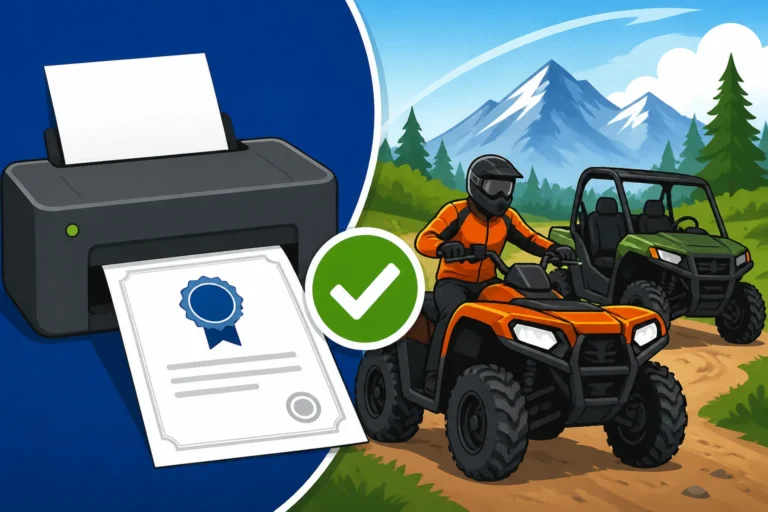
Once the registry agent has reviewed all your documents, confirmed your identity, and processed your payment, they will issue your OHV registration certificate. In Alberta, this is typically a digital certificate that you will need to print yourself. It's not uncommon for people to assume they'll get a physical card, but the trend has been towards digital documents. Having a printed copy of your valid registration certificate with you when you ride on public land is a legal requirement. An officer can ask to see it, and a digital version on your phone might not always be sufficient, especially in areas with no cell service or if your battery dies. Ensure you understand [Alberta Digital Certificates Must Be Printed] and carry that paper copy!
You'll also receive your Alberta OHV license plate. This is a physical plate that must be securely affixed to your quad or side-by-side. There are specific rules about where the plate must be placed and how it must be displayed to ensure it's visible and readable. Generally, it should be mounted on the rear of the machine, free from obstruction, and kept clean. Failing to properly display your plate can result in a ticket. For specific guidance on plate placement, refer to [Alberta Plate Placement on a Machine]. Remember, Alberta no longer issues validation stickers for plates, so the absence of a sticker is perfectly normal.
Finally, pay attention to the validity period of your registration. OHV registrations in Alberta are typically issued for one or two years, depending on what you selected and paid for. The expiry date will be clearly stated on your registration certificate. It's your responsibility to know when your registration expires and to renew it before that date to ensure you remain legal to ride. Don't let your registration lapse, as riding an unregistered OHV on public land can lead to fines and other penalties. Understanding [Alberta Registration Terms of One or Two Years] will help you keep track.
When you leave the registry with your printed certificate and new plate in hand, you’ve done it! Your quad or side-by-side is now officially registered, and you can hit the trails with peace of mind, knowing you’ve crossed all the t’s and dotted all the i’s.
| Document Type | Required For New Machine | Required For Used Machine | Key Information/Purpose |
|---|---|---|---|
| Proof of Ownership | |||
| Manufacturer's Statement of Origin (MSO) | Yes | No | Original ownership document for new OHVs from the manufacturer. |
| Bill of Sale | No | Yes | Legal document detailing transfer of ownership, price, buyer, seller, VIN. |
| Proof of Identity | |||
| Government-Issued Photo ID (e.g., Driver's License, Passport) | Yes | Yes | Verifies your identity. |
| Proof of Residency | |||
| Utility Bill, Lease Agreement, Bank Statement (with current Alberta address) | Yes | Yes | Confirms your current physical Alberta residence. |
| Additional Documents (as applicable) | |||
| Personal Property Registry (PPR) Search | No | Highly Recommended | Reveals any outstanding liens against the OHV's VIN. |
| Lien Discharge Papers | No | If Lien Found | Proof that any outstanding liens on a used OHV have been paid off. |
Disclaimer
This article is for general informational purposes only and does not constitute professional advice. Laws, prices and regulations vary by location and change over time. Consult a qualified professional for guidance on your specific situation.