Alberta Vehicle Seizure for No Insurance
Riding your ATV or side-by-side in Alberta offers an incredible sense of freedom, but that freedom comes with serious responsibilities. One mistake that can turn a fun day into a nightmare is riding without the mandatory insurance. It's a harsh reality that an officer can seize your off-highway vehicle (OHV) on the spot if you're caught without valid insurance, leaving you stranded, facing hefty fines, and beginning a complicated, expensive process to get your machine back. This guide will walk you through exactly why insurance is non-negotiable for Alberta OHV riders and what happens if you're found without it, helping you understand the full impact of vehicle seizure and how to avoid it entirely.
The Non-Negotiable Reality: Why Insurance Matters for Alberta OHVs
Let's be real, nobody wants to pay for insurance. It feels like an extra cost, especially when you're just planning a casual ride on what feels like "your" land or a remote trail. But the truth is, in Alberta, insurance for your off-highway vehicle isn't just a suggestion; it's a legal requirement that carries significant weight. Ignoring it can lead to immediate and severe consequences, including the outright seizure of your beloved machine.
Understanding Alberta's Legal Requirements for Off-Highway Vehicles
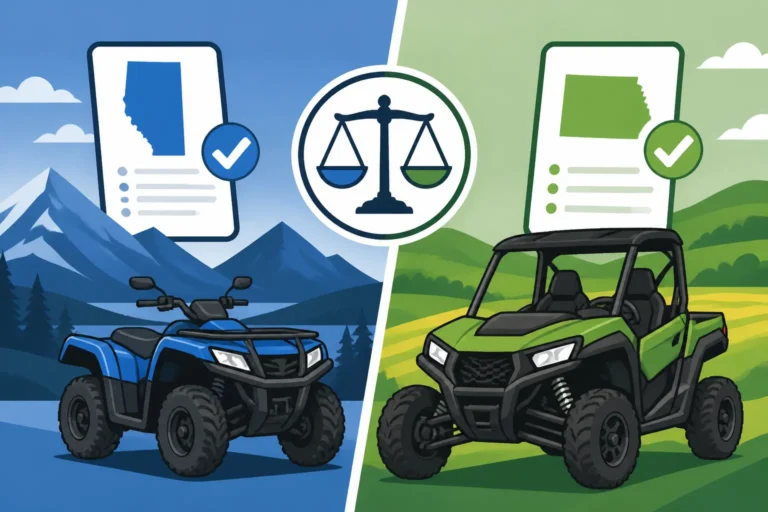
Alberta's Traffic Safety Act and the associated Off-Highway Vehicle Regulation are crystal clear on this: if you're operating an OHV on public land, you must have adequate third-party liability insurance. This isn't some obscure rule; it's fundamental to responsible riding. Public land isn't just vast Crown land or designated OHV parks; it also includes places you might not even think about, like road allowances, municipal property, highway ditches, and even some public access roads. If you're riding your quad or side-by-side anywhere that isn't solely private property, owned by you or for which you have explicit permission from the owner to operate without public access, you need insurance. This is why [Alberta Requires Insurance on Public Land] is a critical piece of information for all riders. The law aims to protect innocent third parties who might be injured or have their property damaged if you're involved in an accident. Without insurance, those costs fall directly on you, and that can be financially devastating.
Many riders mistakenly believe that because their machine isn't a "car," it's exempt from typical vehicle laws. This simply isn't true for public land use. The government recognized the growing popularity of OHVs and the inherent risks involved, leading to the implementation of these regulations to ensure safety and accountability. It's about ensuring that if something goes wrong, there's a safety net for everyone involved, not just the rider.
The Immediate Consequence: Vehicle Seizure on the Spot
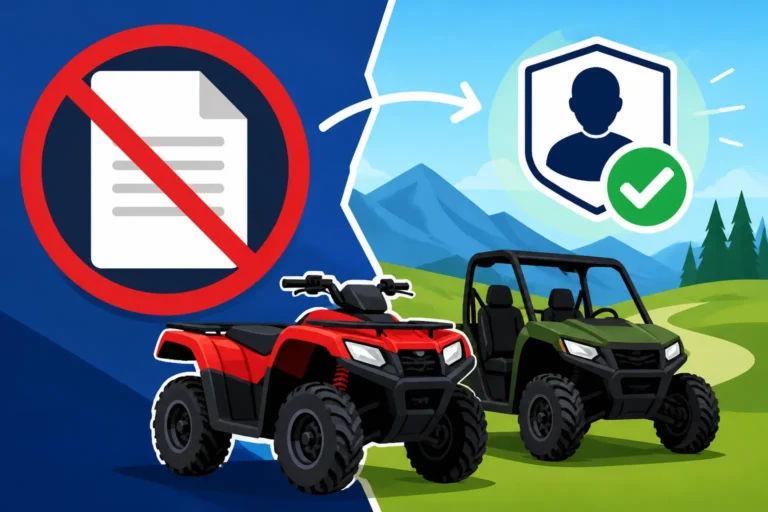
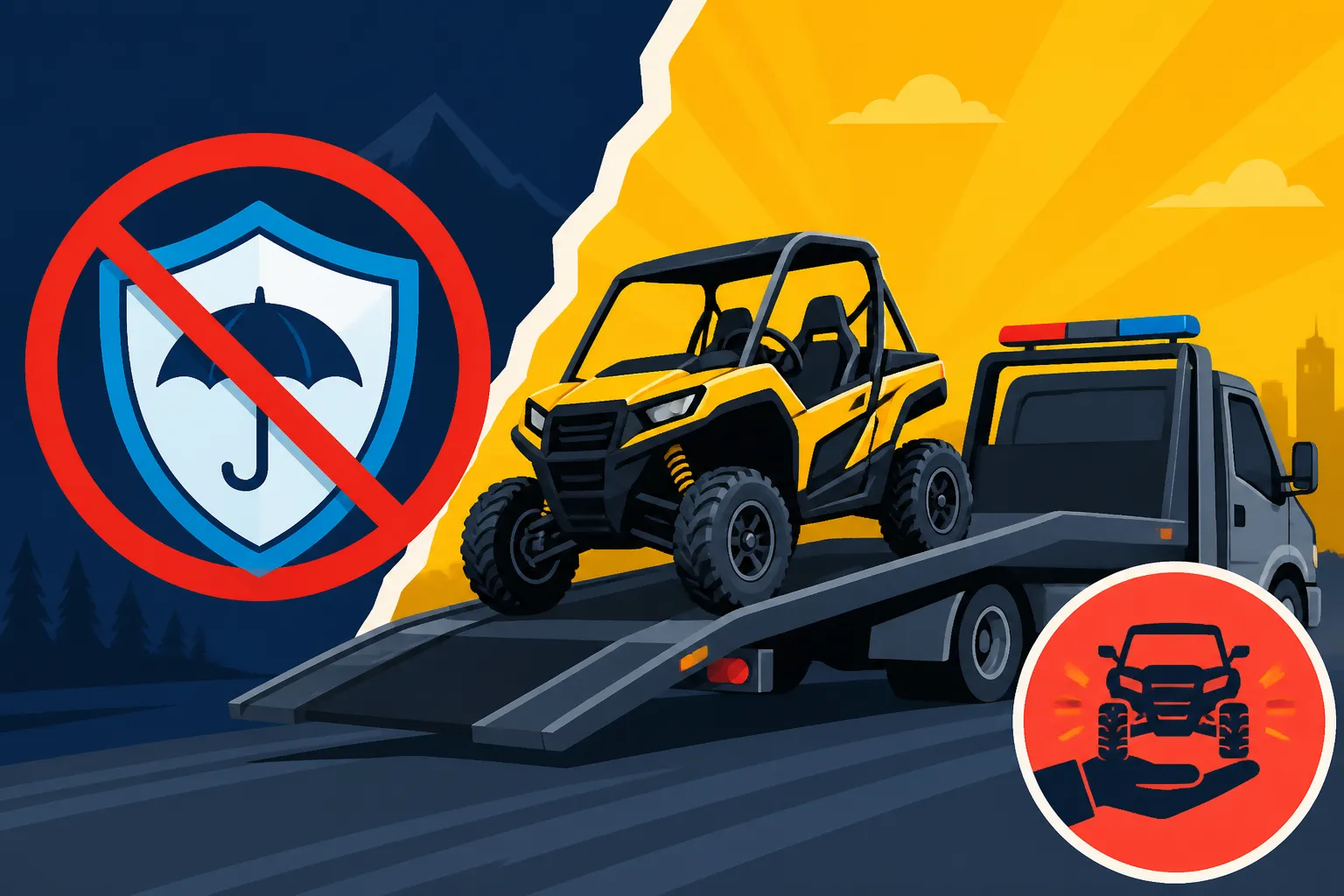
Picture this: You're out on a beautiful trail, enjoying the fresh air, and suddenly, an enforcement officer pulls you over. They ask for your registration and proof of insurance. If you can't produce valid proof of insurance, the conversation quickly shifts. Under Alberta law, if an officer determines you're operating an OHV on public land without the required insurance, they have the authority to seize your vehicle on the spot. This isn't a warning ticket; it's an immediate, physical removal of your machine.
The logistics are often as jarring as the news itself. Your OHV will be towed, usually by a contracted towing service, to an impound lot. You're left stranded, potentially miles from home or your truck and trailer, with no way to continue your ride. This isn't just an inconvenience; it's a major disruption and a significant source of stress. The officer isn't going to wait while you call your insurance broker or try to buy a policy online. The decision is made, and your machine is going. This is precisely [When Police Seize a Quad for Having No Insurance], and it can happen much faster than you think. The immediate impact is a bitter pill to swallow, changing a fun outing into a stressful ordeal in mere minutes.
Beyond Seizure: The Cascade of Penalties for Uninsured Riding
The vehicle seizure itself is just the beginning of your troubles if you're caught riding without insurance in Alberta. There's a whole cascade of penalties, both immediate and long-term, that will hit your wallet, your time, and potentially your driving record. It’s crucial to understand that an OHV insurance violation isn't just a slap on the wrist; it’s treated very seriously by the authorities.
Fines and Court Costs: The Financial Hit
Once your OHV is seized, you're not just dealing with getting it back. You'll be issued a ticket for operating an uninsured motor vehicle, and the fines for this offence are substantial. We're not talking about a minor parking ticket here. The minimum fines for operating an uninsured OHV in Alberta can be steep, often in the thousands of dollars. On top of that, there are court costs and victim surcharges that further inflate the total amount you have to pay.
Consider the cost: a typical annual ATV or side-by-side insurance policy in Alberta is often far less than the fine you'll receive for riding without one. It's a stark financial comparison that truly highlights the "penny wise, pound foolish" nature of skipping insurance. Trying to save a few hundred dollars a year on premiums can easily result in a fine that's ten times that amount, not to mention all the other associated expenses we'll discuss. It's a tough lesson, but one that many riders learn the hard way.
Impoundment Fees and Storage Charges: A Mounting Bill
Your seized OHV isn't sitting for free. From the moment it's towed, you start accumulating fees. First, there's the towing charge, which can vary depending on how far your machine needs to be transported to the impound lot. Then, the daily storage charges kick in. These aren't cheap. Impound lots typically charge a daily rate for storing vehicles, and these costs add up incredibly quickly. If it takes you a few days to get the necessary insurance, arrange payment for your fines, and gather the paperwork needed to release your machine, those storage fees can easily climb into hundreds of dollars.
For example, if your machine is impounded on a Friday afternoon and you can't get it out until Tuesday, you're looking at multiple days of storage fees on top of the towing charge. These costs are often non-negotiable and must be paid in full before your machine is released. This means that even if you eventually get insurance, the financial burden of the impoundment itself becomes a significant hurdle to getting your OHV back. It’s a vicious cycle where every day your machine sits, the deeper you dig yourself into a financial hole.
Licensing and Registration Implications
While an OHV insurance violation doesn't directly impact your driver's license in the same way a traffic offence in your car might, it can still have repercussions on your ability to legally operate and own vehicles. First, to register an OHV in Alberta, you typically need to provide proof of insurance. If you've had a lapse in coverage or a seizure, it might complicate future registration processes. Additionally, if you have outstanding fines related to an uninsured OHV, these can sometimes prevent you from renewing other licenses or registrations until they are cleared.
Furthermore, an officer may ask to see multiple documents when they pull you over. Having proper documentation for your ATV or UTV, including [Alberta Proof of Insurance on Demand] and your registration, is critical. Failing to provide these can lead to further complications and delays. You also need to consider your overall record. While not a direct demerit, repeat offences for uninsured operation can lead to more severe penalties in the future, including potential vehicle identification issues or increased scrutiny.
Personal Liability and Financial Ruin
Perhaps the most terrifying consequence of riding uninsured is the exposure to personal liability. If you're involved in an accident on public land and you don't have insurance, you are 100% personally responsible for any damages or injuries you cause. This means if you hit another OHV, damage property, or, worst of all, injure another person, you will be on the hook for their medical bills, lost wages, property repairs, and any associated legal fees. These costs can easily run into the tens or even hundreds of thousands of dollars, leading to potential bankruptcy or wage garnishment.
Without third-party liability insurance, there's no safety net. Your assets—your home, your savings, your future earnings—could all be at risk. This is the core reason insurance is mandated: to provide that financial protection against unforeseen incidents. It’s not just about protecting your machine; it’s about protecting your entire financial future. A quick online search or using a service like LawDepot to create a personal financial statement can quickly illustrate how exposed you would be without proper liability coverage.
Here's a quick comparison to put things in perspective:
| Cost Type | With Insurance (Proactive) | Without Insurance (Reactive – After Seizure) |
|---|---|---|
| Annual Insurance Premium | Typically a few hundred dollars per year. | $0 (but leads to severe penalties) |
| Fines for No Insurance | $0 | Thousands of dollars (minimums apply). |
| Court Costs/Surcharges | $0 | Hundreds of dollars |
| Towing Fees | $0 | Hundreds of dollars (varies by distance). |
| Impound Storage Fees | $0 | Tens to hundreds of dollars per day. |
| Time/Stress | Low | High (getting machine back, court appearances). |
| Personal Liability | Covered (up to policy limits). | Unlimited (personally responsible for all damages). |
| Future Registration Impact | None | Potential complications/delays. |
| Getting Machine Back | Not applicable | Requires paying all fines, fees, and getting insurance. |
This table clearly illustrates that while insurance has a cost, it pales in comparison to the financial and emotional burden of facing a seizure and its aftermath.
Getting Your Seized OHV Back: The Uphill Battle
So, your ATV or side-by-side has been seized for lack of insurance. What now? Getting it back is not a simple walk-in, pay-a-fee, and drive-away process. It's an uphill battle that requires time, money, and meticulous attention to detail. This isn't just about paying a fine; it's about proving you've rectified the initial problem.
The Essential Steps to Recovery
First and foremost, you need to acquire valid third-party liability insurance for your OHV. No impound lot will release your machine without proof that it's now legally insurable. This means contacting an insurance broker, getting a policy in place, and having the necessary documentation (often a "pink card" or certificate of insurance) in hand. This step alone can take a day or two, especially if you're doing it over a weekend.
Once you have insurance, you'll typically need to:
- Pay the ticketed fine: This is usually done through the provincial court system or designated payment centres. Ensure you get a receipt or proof of payment.
- Pay all towing and impoundment fees: This will be at the impound lot itself. Again, demand a detailed receipt. These fees can escalate quickly, so acting fast is in your best interest.
- Gather identification: Bring your personal identification, proof of ownership for the OHV (like your registration or bill of sale), and the new insurance documents. The impound lot needs to verify you are the rightful owner.
- Visit the impound lot: Head to the impound lot with all your receipts and documents. They will review everything before releasing your machine. It's often a good idea to call ahead to confirm their operating hours and exact requirements.
The entire process can be frustratingly slow, especially if you're dealing with it during business hours or have to make multiple trips. The financial burden can be substantial, easily reaching well over a thousand dollars when combining fines, towing, and storage. It’s a costly lesson, to say the least.
Preventing Future Seizures: Proactive Measures
The best way to deal with vehicle seizure for no insurance is to ensure it never happens in the first place. Proactive measures are your best defense.
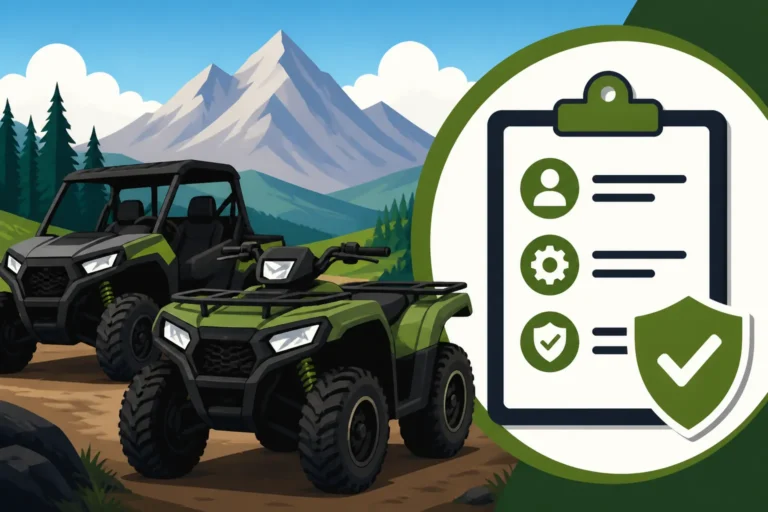
- Always carry proof of insurance: Whether it's a physical copy of your insurance card (pink card), a digital copy on your phone, or both, make sure you have it readily accessible whenever you're riding. [What an Alberta Officer Can Ask to See] often includes this proof, and you want to be ready.
- Regularly check your policy expiry: Set a reminder in your phone or mark it on your calendar well in advance of your insurance renewal date. A lapse in coverage, even accidental, can lead to the same consequences.
- Understand what "public land" means: Don't assume. If you're unsure if an area is private or public, err on the side of caution and ensure you're insured. Remember that [Why a Highway Ditch Counts as Public Land] is a common area for enforcement.
- Keep all your OHV documents organized: This includes registration, bill of sale, and any other ownership paperwork. If you ever need to create formal documents for buying or selling your OHV, resources like LawDepot can help you generate a professional bill of sale, ensuring all details are correctly recorded for future reference. A well-organized glovebox or waterproof pouch for your documents can save you a lot of hassle.
What Happens If You Don't Recover It?
If you can't or won't pay the fines and impoundment fees to retrieve your seized OHV, the consequences become even more severe. Eventually, the impound lot has the right to sell your machine to recover their costs. This means you will completely lose your investment in the OHV. Even if the machine is sold, you might still be on the hook for any remaining balance if the sale price doesn't cover all the accumulated fines and fees.
Furthermore, ignoring the fines can lead to further legal action, including potential collections, impact on your credit rating, and even holds on your driver's license renewal until the outstanding debts are settled. It's a lose-lose situation that only escalates the longer you delay. The value of your OHV will be gone, and you'll still have a financial burden hanging over your head.
Common Misconceptions and Crucial Advice for Alberta Riders
There are so many myths and misunderstandings floating around about OHV rules in Alberta. Let's clear up some of the most common ones that can lead riders straight into trouble with insurance requirements. Being informed is your best defence against a hefty fine and a seized machine.
"It's Just a Ditch Ride": Understanding Public Land
One of the biggest misconceptions riders have is about what constitutes "public land." Many assume that if they're just riding a short distance along a highway ditch to get to a trail, or using a cutline they've always used, that it's somehow exempt from the rules. This simply isn't true in Alberta. Under the Traffic Safety Act, a "highway" is broadly defined to include not just the paved road, but also shoulders, ditches, and road allowances. This means that if you're riding in a ditch along a provincial highway or even many municipal roads, you are on public land and [Alberta Requires Insurance on Public Land].
It doesn't matter if it's a quick hop, skip, and a jump; if you're on public property, the law applies. Enforcement officers are well aware of these common riding spots and often patrol them. So, while it might feel like an innocent shortcut, it's a critical area where you need to be fully compliant with insurance laws. Always be mindful of [Alberta Registration Before Riding Crown Land] and any other public access points, as insurance is consistently a requirement for these areas.
"I'm Only on Private Land": The Grey Areas
While it's true that if you're riding exclusively on private land that you own or have explicit permission to use, and that land has no public access points or easements, then provincial insurance requirements for public land don't apply. However, this is where the "grey areas" come into play.
- Straying onto public land: It's incredibly easy to accidentally stray off private property onto public land without realizing it, especially in rural areas where boundaries aren't clearly marked. A short ride down a property line might actually be on a road allowance.
- Accessing private land: To get to private land, you often have to cross or utilize public roads or ditches. Even if your destination is private, the journey to get there can expose you to public land rules.
- Landowner liability: Even if you're on someone else's private land with permission, consider their liability. If you cause damage or injury on their property, and you're uninsured, they could face significant headaches or even be drawn into legal disputes. It’s always best practice for landowners to ensure anyone riding on their property is insured or accepts full liability. For formalizing agreements or understanding liability, legal document services like LawDepot can offer templates or guidance.
The safest bet is often to simply have insurance, even if you primarily ride on private land, just to cover those unexpected moments or the journey to your private riding spot.
Practical Tips for Ensuring Compliance
To make sure you never face the nightmare of having your OHV seized, here are some practical, down-to-earth tips:
- Keep both digital and physical copies of your insurance: Technology is great, but sometimes your phone dies, or signal is spotty. A laminated physical copy of your "pink card" in a waterproof pouch on your machine is a reliable backup. An officer can demand [Alberta Proof of Insurance on Demand], and being able to quickly produce it is key.
- Review your policy annually: Don't just auto-renew without understanding your coverage. Make sure it still meets your needs and the legal requirements. If you've changed machines or riding habits, your policy might need updating.
- Lobby for clear signage and maps: If you're a part of an OHV club, advocate for better signage in riding areas to clearly delineate public and private lands, and areas where OHVs are permitted. This helps all riders stay compliant.
- Consult registry agents or legal resources: If you have questions about what land is public or private, or specific insurance requirements, don't guess. Contact an Alberta Registry Agent or consult official government resources. For general legal questions about property boundaries or formal agreements related to land use, platforms like LawDepot can be a helpful starting point for understanding basic legal concepts.
- When in doubt, get insured: The peace of mind, and the financial protection, are always worth the investment. The cost of a few hundred dollars a year for insurance is negligible compared to the thousands you'll pay and the hassle you'll endure if your machine is seized for non-compliance. [Alberta Insurance Cost for an ATV] is a minor expense compared to the alternative.
By taking these steps, you can ensure your riding adventures in Alberta remain fun, safe, and most importantly, legal.
Disclaimer
This article is for general informational purposes only and does not constitute professional advice. Laws, prices and regulations vary by location and change over time. Consult a qualified professional for guidance on your specific situation.