Hauling to a Staging Area in the Foothills
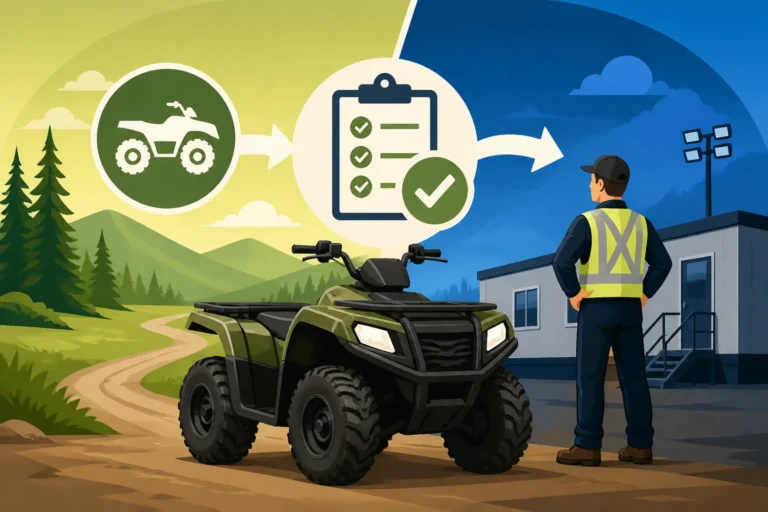
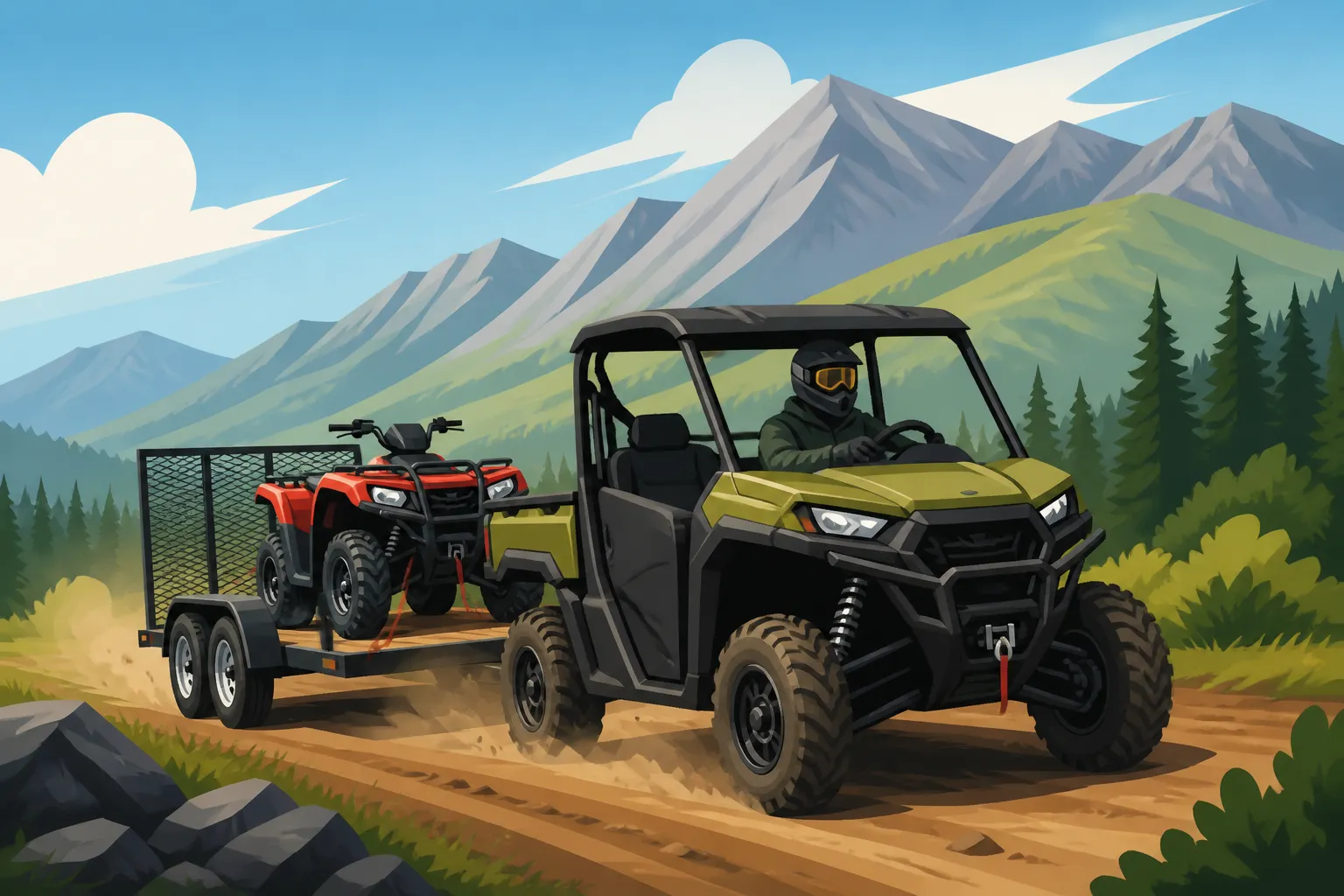
There's nothing quite like the anticipation of hitting Alberta's incredible off-highway vehicle (OHV) trails, especially when those trails wind through the majestic Foothills. But before you can feel the rumble of your quad or side-by-side beneath you on a dusty path, you've got to get it there, and that often means a significant drive with your machine safely secured on a trailer. This journey, while exciting, comes with its own set of challenges, from understanding towing capacities and ensuring your setup is legal, to navigating busy highways and those final stretches of gravel leading to the staging area. It can be a real headache trying to figure out all the nuances, especially when you just want to focus on the fun ahead. This guide is here to unravel those complexities, helping you haul your OHV safely and confidently to your favourite Alberta staging areas, making sure your adventure starts long before your tires hit the dirt.
Understanding Your Hauling Setup for Alberta's Terrain
Getting your off-highway vehicle (OHV) to the trailhead in Alberta, particularly into the rugged beauty of the Foothills, starts with a solid understanding of your hauling setup. This isn't just about throwing your quad on a trailer and hitting the road; it's about matching the right equipment to your specific needs and the demands of the journey. Alberta's landscapes, from flat highways to winding mountain roads, require a careful approach to ensure safety and compliance.
Matching Your Tow Vehicle to Your Machine and Trailer
Choosing the right tow vehicle is paramount, and it often comes down to understanding the numbers. Every truck, SUV, and even some vans have specific towing capacities, which are critical to heed. You need to know your Gross Vehicle Weight Rating (GVWR) for your tow vehicle (how much weight the vehicle itself can safely carry, including passengers and cargo), your Gross Combined Weight Rating (GCWR) (the maximum permissible loaded weight of the tow vehicle and its towed vehicle), and perhaps most importantly, your trailer's loaded weight. For instance, a small SUV might handle a single, lightweight ATV on an aluminum trailer, but it will quickly be overwhelmed by two heavy side-by-sides on a tandem-axle steel trailer.
Consider the terrain you'll be covering. The rolling hills and steep climbs found on routes to places like McLean Creek or the Ghost PLUZ demand more from your engine and brakes than cruising on flat prairie highways. Overloading your tow vehicle can lead to excessive wear on the transmission, brakes fading on descents, and dangerous instability, especially if you encounter crosswinds or need to make sudden maneuvers. Always check your vehicle's owner's manual for precise specifications, and remember that adding passengers, extra gear in the truck bed, or even a full tank of fuel will subtract from your available towing capacity. It's often better to have a bit of a buffer than to be right at the limit.
Choosing the Right Trailer for Your Off-Highway Vehicle
The trailer itself is just as crucial as the tow vehicle. When it comes to OHVs, you typically have two main categories: open and enclosed. Open trailers are generally lighter and less expensive, offering easy loading and unloading. They come in various configurations, from single-axle utility trailers perfect for a single quad to larger tandem-axle models that can haul multiple machines or a big side-by-side. The downside, of course, is that your machines are exposed to the elements, road grime, and potential theft. For Alberta's often unpredictable weather, from summer dust to winter slush, this exposure is a real consideration.
Enclosed trailers, on the other hand, offer superior protection from weather and theft, and they provide extra storage space for gear. They come with a higher price tag and significantly more weight, which impacts your tow vehicle requirements and fuel consumption. Many riders appreciate the ability to store helmets, boots, and tools securely inside, ready for the next adventure. Whether you choose an aluminum trailer for its lighter weight and corrosion resistance, or a more robust steel frame for heavy-duty hauling, ensure it has adequate tie-down points, reliable brakes (especially for heavier loads), and working lights. Ramps are another consideration; some prefer fold-up gates, while others like slide-out ramps or tilt-bed designs. Always ensure your ramp system is sturdy enough for the weight of your machines and provides a safe angle for loading and unloading, even on uneven ground common at staging areas.
Legal and Safety Considerations for Hauling in Alberta
Hauling your OHV isn't just about having the right equipment; it's also about adhering to Alberta's traffic laws and prioritizing safety for everyone on the road. Ignoring these aspects can lead to fines, accidents, or even seizure of your vehicle in extreme cases. The journey to the Foothills can be long, with busy highways and challenging stretches, so being prepared and compliant is key.
Alberta Trailer Registration and Regulations
First things first: most utility trailers, including those used for hauling OHVs, require registration in Alberta. This means a license plate for your trailer, just like for your car or truck. It's a common misconception that small utility trailers might be exempt, but generally, if it's on the road, it needs to be registered. The specific requirements can vary slightly depending on the trailer's Gross Vehicle Weight Rating (GVWR) – how much weight it's designed to carry when fully loaded. For instance, trailers over a certain weight threshold (often 900 kg or 2,000 lbs) typically require their own braking system, separate from the tow vehicle's. This is crucial for maintaining control, especially when descending hills or stopping suddenly with a heavy load.
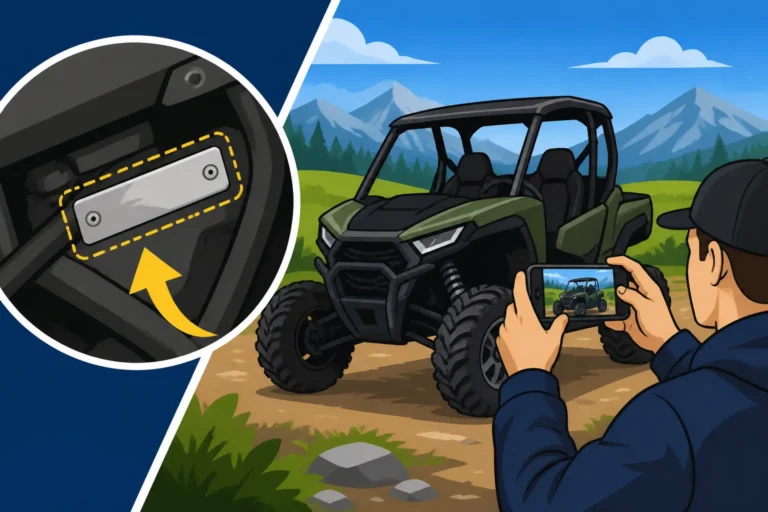
Beyond registration, ensuring your trailer is roadworthy is a constant responsibility. This includes making sure all lights – brake lights, turn signals, and running lights – are fully functional. A broken tail light on a trailer is not just an inconvenience; it's a safety hazard and a potential reason for a roadside stop by enforcement. Regularly inspect your trailer's tires for proper inflation and wear, and check wheel bearings and suspension components. A little preventative maintenance goes a long way in preventing breakdowns on the side of a busy highway. It's important to remember that [Do Trailers Need Their Own Alberta Plates?] is a fundamental question with a clear answer: yes, for most applications on public roads. You can usually get your trailer registered at any Alberta Registry Agent, and they can also provide information on specific weight class requirements and associated fees. If you've recently purchased a used trailer, having a proper bill of sale is crucial for the registration process; services like LawDepot offer templates that can help you create one quickly and legally, ensuring all the necessary details are included for a smooth transfer of ownership.
Securing Your OHV for the Journey
Once your OHV is on the trailer, the next critical step is securing it properly. This isn't just about preventing it from sliding around; it's about ensuring it stays firmly planted, even during emergency braking or evasive maneuvers. The common mistake many riders make is strapping down the suspension, which allows the machine to bounce and potentially loosen the straps over bumps. Instead, aim to secure the frame or tires directly to the trailer. Using good quality ratchet straps – at least four, one for each corner of the machine – is highly recommended. Many riders even use additional safety chains or secondary straps as a backup, particularly for long hauls or valuable machines.
The general rule of thumb is to compress the suspension slightly, but not to the point of bottoming it out, and then focus on securing the machine so it cannot shift forward, backward, or sideways. Make sure the straps don't rub against sharp edges or hot exhaust components that could damage them. Periodically, especially after the first 15-20 minutes of driving and then every time you stop for fuel or a break, pull over safely and double-check all your tie-downs. It's astonishing how road vibrations can loosen straps, and the last thing you want is a shifting load while you're traveling at highway speeds. Remembering [What the Traffic Safety Act Requires of Alberta OHVs] extends to ensuring your entire towed load is safe and secure, protecting both your investment and other road users.
Pre-Trip Checks and Roadside Preparedness
Before you even pull out of your driveway, a comprehensive pre-trip check can save you a world of trouble. Beyond just confirming your OHV is tied down, you need to think about your entire towing system. Start with your tow vehicle: check tire pressure, oil and coolant levels, brake fluid, and ensure your mirrors are properly adjusted to give you a clear view of your trailer and its surroundings. Then move to the trailer: confirm tire pressure, check all lug nuts are tight, ensure the hitch connection is secure and locked, and the safety chains are crossed and attached. Test all your lights – running lights, brake lights, and turn signals – with your tow vehicle hooked up.
Even with meticulous checks, things can happen on the road. Being prepared for a roadside emergency is part of safe hauling. Carry a well-stocked roadside kit that includes a spare tire for both your tow vehicle and your trailer (and the correct jack and lug wrench for both), basic tools, jumper cables, flares or reflective triangles, and a first-aid kit. Knowing your total length, height, and weight with the trailer attached is also crucial, especially when navigating tight turns, gas stations, or low overhangs. Plan your route, particularly when heading to less developed staging areas like those in the Foothills. Be aware of potential steep grades or winding roads that might require slower speeds. Having extra water and snacks, a fully charged phone, and even a satellite communication device for areas with no cell service, like deep within some Public Land Use Zones, can turn a potential disaster into a manageable inconvenience. When you arrive at your destination, remember that you may need to present [Producing Insurance on Demand] for your OHV, so have those papers readily accessible, along with your driver's license and OHV registration.
Navigating to and Using Alberta's OHV Staging Areas
Once your hauling setup is perfected and you've navigated the highways safely, the next step is reaching and effectively using Alberta's incredible OHV staging areas. These aren't just parking lots; they're the gateways to your adventures, and knowing how to approach them, what to do upon arrival, and how to leave them ensures a positive experience for everyone.
Finding and Accessing Staging Areas in the Foothills
Alberta is blessed with numerous designated OHV staging areas, especially in the Eastern Slopes, which include the vast and popular Foothills region. Iconic spots like [McLean Creek: Alberta's Best Known OHV Area] southwest of Calgary, or the expansive [Ghost PLUZ Riding in Alberta] further north, offer incredible riding opportunities. However, these areas, while well-known, require careful navigation. While some staging areas are well-marked and easily accessible from paved roads, others might require driving several kilometres down gravel or even rougher tracks.
It's absolutely essential to consult maps – both digital and paper – and use a reliable GPS or mapping app, especially since cell service can quickly become spotty or non-existent as you venture deeper into the Foothills. Before you leave home, download offline maps if possible. Look for specific turn-offs and landmarks. Pay attention to signage at the entrance to Public Land Use Zones (PLUZ) or recreation areas, as these will often indicate permissible activities, camping rules, and any current fire bans. When you finally arrive at a designated staging area, which are often specifically designed as [Staging Areas With Trailer Parking], make sure to park considerately. Take up only the space you need, leave room for others to maneuver, and avoid blocking access roads or trailheads. Respecting fellow riders and the natural environment from the moment you pull in sets the tone for a great day on the trails.
Unloading, Pre-Ride Checks, and Trailhead Essentials
After a successful journey to the staging area, the real fun begins – but not before a few critical steps. Safely unloading your OHV is paramount. Ensure your tow vehicle is in park, the parking brake is engaged, and the trailer is chocked if there's any incline. Unfasten your tie-downs, ensuring they're stored away neatly so they don't become a tripping hazard or blow away. Load your machine off the trailer slowly and carefully, being mindful of any obstacles or other people in the staging area.
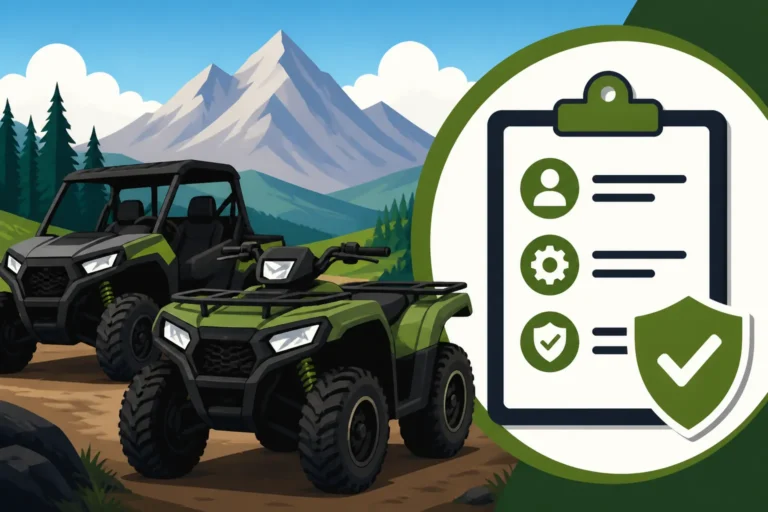
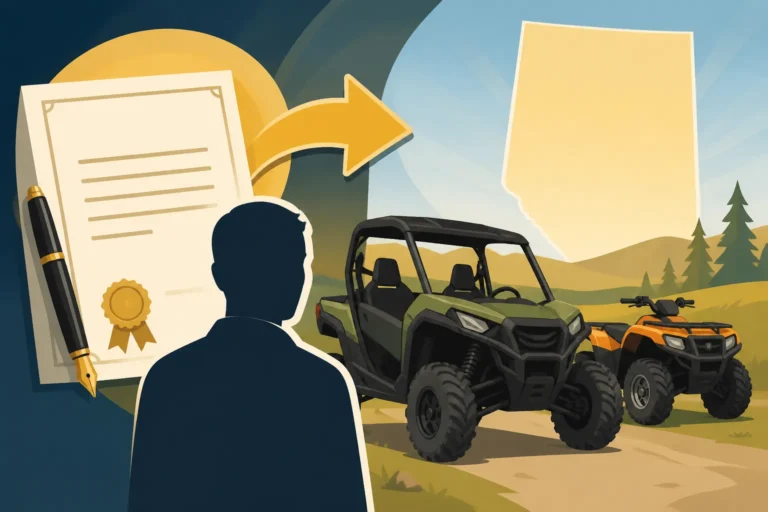
Once your quad or side-by-side is on solid ground, take a moment for a thorough pre-ride check. This quick inspection can prevent headaches down the trail. Check your tire pressure, verify that your [Alberta Requires Working Head and Tail Lights], and ensure your [Alberta Requires a Spark Arrestor] is intact and functional – these are legal requirements on public land and crucial for safety and fire prevention. Top off your fuel if needed, check oil levels, and give your machine a quick once-over for any loose bolts or damaged parts from the journey. Finally, ensure you have all your essential gear for the ride itself: water, snacks, a basic tool kit, first aid supplies, a spare belt (for side-by-sides), and bear spray, especially in bear country like the Foothills. Don't forget your helmet and other personal protective equipment. You'll also want to make sure your [Printing a Certificate Before You Ride] is done and that you have your current OHV registration and proof of insurance readily available, as officers may conduct checks at staging areas. For a comprehensive list of what to carry, consider reviewing an [Alberta Registration Paperwork Checklist] to make sure you have everything required.
Post-Ride Procedures and Leaving No Trace
As your exhilarating ride comes to an end and you return to the staging area, it's just as important to conclude your trip responsibly. Reloading your OHV safely and securing it for the journey home follows the same principles as your initial loading. Ensure the trailer is stable, use proper ramp techniques, and re-fasten all your tie-downs tightly. Don't forget to remove any temporary gear you might have attached to your machine for the ride itself.
Beyond securing your vehicle, being a responsible land user means practicing "Leave No Trace" principles. Take a moment to scan your immediate parking area for any trash, broken parts, or anything you might have dropped. Pack out everything you packed in, and if you have the capacity, pick up any litter left by others. Some staging areas may have waste receptacles or even wash stations, but many in more remote Foothills locations do not. If there's no wash station, plan to clean your machine thoroughly once you get home, preventing the spread of invasive species by removing mud and plant debris. Our ability to enjoy these incredible trails hinges on our collective commitment to keeping them clean and pristine for future generations. Respecting the land, other riders, and wildlife ensures that Alberta's stunning OHV opportunities will be around for a long, long time.
| Pre-Trip Hauling Checklist | Tow Vehicle | Trailer | OHV (on Trailer) | General Preparedness |
|---|---|---|---|---|
| Mechanical Checks | Tire Pressure | Tire Pressure | Tie-Downs Secured | Route Planned |
| Fluid Levels | Hitch Connection | All Straps Tight | Maps (Offline) | |
| Brakes Checked | Safety Chains | No Shifting Load | GPS Charged | |
| Electrical Checks | Headlights | Taillights | Phone Charged | |
| Taillights | Brake Lights | Satellite Device | ||
| Turn Signals | Turn Signals | Emergency Kit | ||
| Documentation | Driver's License | Trailer Registration | OHV Registration | First Aid Kit |
| Vehicle Registration | Insurance Proof | OHV Insurance Proof | Water & Snacks |
Disclaimer
This article is for general informational purposes only and does not constitute professional advice. Laws, prices and regulations vary by location and change over time. Consult a qualified professional for guidance on your specific situation.