Alberta Registration With Two Owners
Registering an off-highway vehicle (OHV) in Alberta can feel like a maze, and when you add a second owner into the mix, it often gets even more complicated. Many riders dream of sharing a quad or side-by-side with a family member or a trusted friend, splitting the cost and maximizing the fun, but then they hit a wall trying to figure out how to officially register it in both their names. This guide will walk you through the specifics of registering an OHV in Alberta when two people share ownership, detailing the paperwork, process, and important considerations to ensure a smooth experience.
Understanding Co-Ownership of an OHV in Alberta
Sharing an OHV with someone else can be a fantastic way to enjoy Alberta's stunning trails and landscapes, but it also comes with specific responsibilities and legalities regarding ownership. Before you even set foot in a registry office, it's wise to understand what co-ownership entails.
Why Two Owners Might Register Together
There are countless reasons why two individuals might decide to share an OHV and register it under both their names. Often, it's a family affair – perhaps a parent and an adult child wanting to share a recreational machine for weekend trips to McLean Creek, or two siblings who grew up riding together and now want to go in on a new side-by-side. It could also be close friends who frequently hit the trails together and decide to split the investment in a high-quality machine, making it more affordable and ensuring shared access.
Another common scenario involves couples who view the OHV as a joint asset, much like a car or a home. By registering it in both their names, they ensure equal rights and responsibilities. Regardless of the relationship, the motivation usually boils down to shared passion, convenience, and the financial benefit of dividing the initial purchase price and ongoing maintenance costs.
The Legal Implications of Shared Ownership
When two people own an OHV, the legal implications can be a bit more nuanced than single ownership. In Alberta, just like with other personal property, co-ownership typically falls into one of two categories: "joint tenancy" or "tenancy in common." While the registration certificate itself might not explicitly state which form of ownership you have, understanding the difference is crucial for matters like inheritance or selling the machine.
Joint tenancy means that both owners have an equal, undivided interest in the OHV, and if one owner passes away, their interest automatically transfers to the surviving owner. There's no need for the OHV to go through the deceased owner's estate. Tenancy in common, on the other hand, means each owner holds a distinct, separate share of the property, which can be equal or unequal. If one owner dies, their share goes to their estate and is distributed according to their will, not automatically to the co-owner. For most recreational OHVs shared between family or friends, people often assume joint tenancy, but it’s always good to be clear.
Essential Documents for Two Owners
No matter how many names are going on the registration, the core paperwork remains largely the same, but with extra attention to detail for each owner. You'll need a valid bill of sale clearly showing the transfer of ownership to both parties. If you're buying new from a dealer, they'll usually handle this, but for a private sale, a clear, dated, and signed bill of sale is paramount. Using a reliable template from a service like LawDepot can ensure all necessary details are covered. [What a Manufacturer's Statement of Origin Proves]
Each owner will need to provide valid government-issued identification, such as an Alberta driver's license or an Alberta identification card. If one owner has recently moved to the province, they might also need proof of residency. Remember, the registry agent needs to verify the identity of everyone listed as an owner. Bringing all this information in an organized fashion will make the process much smoother at the counter.
The Alberta OHV Registration Process for Multiple Owners
The actual act of registering your jointly owned OHV in Alberta isn't dramatically different from registering one with a single owner, but there are a few key points where the involvement of both parties is crucial.
Attending the Registry Agent Together
For the most straightforward process, it's highly recommended that both owners attend an Alberta registry agent office together. This allows the agent to verify both individuals' identities in person, ensuring that all information is correctly recorded on the certificate of registration. It also provides an opportunity for both owners to ask any questions they might have directly. Imagine buying a new side-by-side with your partner and heading to the registry in Cochrane; showing up together means no delays due to missing signatures or forgotten identification.
If, for some unavoidable reason, one owner cannot be present, the absent owner will typically need to provide a formal, notarized letter of authorization, or a power of attorney, granting the present owner permission to complete the registration on their behalf. Specific requirements for these authorizations can vary slightly between registry agents, so it's always best to call ahead and confirm what exactly is needed to avoid a wasted trip. [Alberta Registry Agents and OHV Paperwork]
Completing the Registration Forms
When you're at the registry, the agent will guide you through completing the necessary forms. This is where you'll explicitly list both owners' full legal names as they appear on their identification. It's crucial that the spelling is accurate and matches. For the address, you'll generally list one primary mailing address for the registration certificate, even if the owners live at different locations. This address will be used for all official correspondence related to the OHV registration.
You'll also need to decide whose contact information, primarily phone number and email, will be associated with the registration. While both names will appear on the certificate, there will typically be one main point of contact for administrative purposes. Discuss this beforehand to ensure both parties are comfortable with the choice and understand who will be responsible for receiving renewal notices or other official communications.
Signing the Bill of Sale for Co-Ownership
The bill of sale is the foundational document that proves legal ownership, and it's especially critical when multiple people are buying an OHV. Whether you're purchasing from a dealer or a private seller, the bill of sale must clearly list both individuals as buyers. This isn't just a formality; it legally establishes that both parties are acquiring an interest in the machine.
When buying from a private seller, you’ll want to ensure that the seller’s information is complete and accurate, and that they have signed the document in the presence of both buyers. You can find robust templates for a bill of sale through services like LawDepot, which help ensure all the necessary legal clauses are included, such as the VIN, make, model, year, and the purchase price. A well-drafted bill of sale can prevent headaches down the road, particularly if there’s ever a dispute or a need to prove ownership. [Alberta Private Sale Paperwork]
Navigating Potential Challenges and Best Practices
While co-owning an OHV can be a fantastic experience, proactive planning can smooth over many potential bumps in the road.
When One Owner Cannot Be Present
Life happens, and sometimes, despite best intentions, one owner simply can't make it to the registry office. As mentioned, the simplest solution is a legally binding authorization. This often takes the form of a power of attorney specifically for the transaction, or a letter of authorization. The letter should clearly state the names of both owners, the OHV's vehicle identification number (VIN), and explicitly grant permission for the present owner to sign and complete all necessary paperwork on behalf of the absent owner. This document typically needs to be signed by the absent owner in front of a notary public or commissioner for oaths to be considered valid by the registry agent.
Without proper authorization, the registry agent will likely refuse to process the registration, as they must ensure all legal owners consent to the transaction. This measure protects all parties involved, ensuring that an OHV isn't registered or transferred without the knowledge or consent of all its rightful owners. Always check with your specific registry office in advance to confirm their exact requirements for such situations. [Alberta Registration Paperwork Checklist]
Updating Ownership or Selling the Machine
Over time, circumstances can change. You might want to add another owner, remove an existing one, or eventually sell the OHV entirely. If you wish to add a new owner, both the existing owner(s) and the new owner(s) will typically need to go to a registry agent. It’s essentially a new registration, requiring a bill of sale from the existing owner(s) to the new combined ownership.
Selling a jointly owned OHV requires the consent and signatures of all registered owners. This is a crucial point, as one owner cannot unilaterally sell the machine without the other's agreement. The bill of sale for the new buyer must be signed by everyone listed on the current registration certificate. The process of transferring registration after a sale is designed to be straightforward, but it hinges on all owners participating. [Alberta Registration Transfer After a Sale] It's also important to remember that if you sell the machine, you cannot simply transfer the existing plate to a new machine you buy as a solo owner; the plate belongs to the specific OHV for which it was issued.
Creating a Formal Co-Ownership Agreement
While it might seem overly formal for friends or family, creating a written co-ownership agreement is one of the smartest things you can do when sharing an OHV. This document, much like a prenup for your powersports passion, outlines how you'll manage everything from maintenance costs and storage to usage schedules and what happens if one person wants to sell their share. It's a proactive step that can prevent misunderstandings and disputes down the road.
Your agreement could cover:
- Financial Responsibilities: Who pays for fuel, regular maintenance, repairs, upgrades, insurance, and registration fees?
- Usage Guidelines: How will you share access? Will there be a schedule, or will it be first-come, first-served?
- Maintenance Schedule: Who is responsible for routine checks, oil changes, tire pressure, and cleaning?
- Dispute Resolution: What process will you follow if you disagree on a major decision?
- Exit Strategy: What happens if one owner wants out, or if you both decide to sell? Will one owner have the first right of refusal to buy the other out?
You don't necessarily need a lawyer to draft a simple co-ownership agreement; resources like LawDepot offer templates that you can customize to fit your specific needs, providing a solid legal framework without excessive cost. This formalizes your understanding and gives both owners a clear reference point, which can be invaluable years down the line.
Important Considerations Beyond Registration
Beyond the nuts and bolts of getting your names on the registration certificate, there are other crucial aspects of co-ownership that demand your attention. These details can significantly impact your experience and protect both owners.
Insurance for Jointly Owned OHVs
Just like registration, obtaining proper insurance is non-negotiable for riding an OHV on public land in Alberta. [Alberta Requires Insurance on Public Land] When an OHV has two owners, it's vital to ensure that both names are listed on the insurance policy. This typically means both will be considered named insureds, ensuring that both have coverage in the event of an accident or other covered incident. If only one owner is listed, the other might not be fully protected, leading to significant financial exposure.
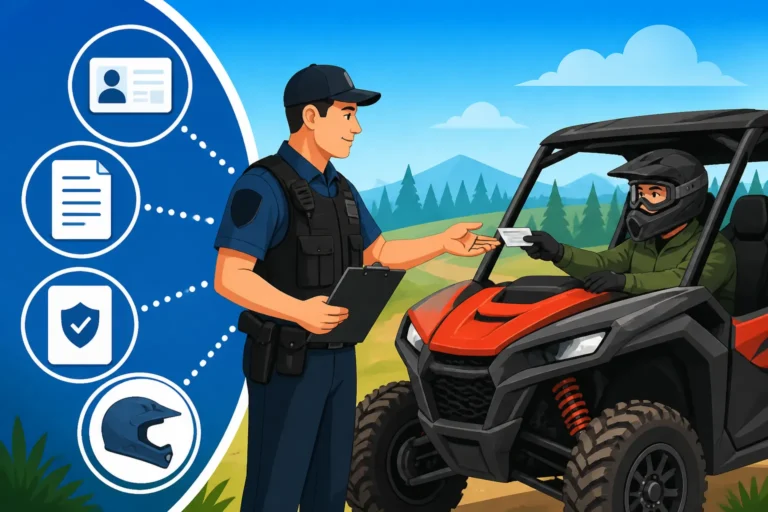
Discussing insurance options, coverage limits, and who will be responsible for premium payments should be a priority. You might opt for a policy where both owners are equally responsible, or one might be designated as the primary policyholder while the other contributes. Some insurance providers might offer multi-vehicle discounts if both owners have other insured vehicles with the same company. Always carry proof of insurance with you when you ride, as an officer can request to see it. [Alberta Proof of Insurance on Demand]
Liability and Responsibilities
Shared ownership also means shared liability. If the OHV is involved in an accident, and damages or injuries occur, both registered owners could potentially be held responsible. This extends beyond just the financial costs of repairs; it can involve legal liability for third-party injuries or property damage. For instance, if one owner lends the OHV to an inexperienced rider who then causes an accident, both registered owners could face repercussions.
This shared responsibility underscores why a formal co-ownership agreement is so valuable. It can define how liability is managed between the owners, although it won't absolve either owner of their primary legal responsibilities to third parties. Understanding this shared risk should encourage both owners to prioritize safe riding practices, regular maintenance, and never lending the machine to unauthorized or uninsured individuals.
Addressing Disputes and Dissolving Co-Ownership
It’s an uncomfortable topic, but it’s realistic: disputes can arise, and sometimes, co-ownership needs to be dissolved. Without a clear agreement in place, these situations can become contentious, costly, and even damage relationships. This is precisely where that formal co-ownership agreement shines. By pre-determining how conflicts will be resolved or how an owner’s interest can be bought out or sold, you create a clear roadmap for these difficult moments.
For example, the agreement could stipulate a mediation process for disputes, or outline a specific method for valuation and buyout if one owner wishes to sell their share to the other. If no agreement can be reached, or if there's no desire for one owner to buy the other out, the agreement might detail how the OHV will be sold and how the proceeds will be divided. Having these provisions in writing, perhaps drafted with the help of templates from services like LawDepot, can save you immense stress and potential legal fees down the line.
Here's a quick summary of key points for co-owning an OHV in Alberta:
| Aspect | Single Owner | Two Owners | Key Considerations for Two Owners |
|---|---|---|---|
| Registration | One name on certificate | Both names on certificate | Both typically need to be present; authorization required if absent. |
| Bill of Sale | Buyer's name only | Both buyers' names | Ensure both names are clearly listed; consider a formal template. |
| Identification | One ID required | IDs for both owners | Ensure all IDs are valid and match names on other documents. |
| Insurance | One named insured | Both named insureds | Both owners need coverage; confirm policy details. |
| Liability | Solely responsible | Shared responsibility | Understand joint liability for accidents and damages. |
| Maintenance/Costs | Solely responsible | Shared responsibility | Create a clear agreement for cost-sharing. |
| Selling/Transferring | Sole owner signs | Both owners must sign | All registered owners must consent and sign transfer documents. |
| Disputes | Not applicable | Potential for conflict | Develop a formal co-ownership agreement to outline terms and resolution. |
Riding an OHV is all about freedom and adventure, and sharing that experience with someone close can amplify the enjoyment. By understanding the specific requirements for Alberta Registration With Two Owners and proactively addressing potential challenges, you can ensure your shared adventures on Alberta’s trails are as smooth and hassle-free as possible. Don't forget to keep your registration certificate printed and handy when you're out riding. [Does a Printed Registration Certificate Count on the Trail?]
Disclaimer
This article is for general informational purposes only and does not constitute professional advice. Laws, prices and regulations vary by location and change over time. Consult a qualified professional for guidance on your specific situation.