Alberta Registration for a Business Machine
Navigating the world of Off-Highway Vehicle (OHV) registration in Alberta can feel like a maze, and when you add a business into the mix, it often gets even more complicated. Many business owners assume that because a quad or side-by-side is strictly for work, it might fall under a different set of rules or even be exempt. This guide is here to untangle the specific requirements and processes for registering an OHV used by a business in Alberta, ensuring you stay compliant and avoid unexpected fines.
Why Your Business OHV Needs Registration in Alberta
It's a common misconception that if an OHV is purely for business, like hauling tools on a job site, checking fences on a ranch, or accessing a remote trapline, it bypasses the need for registration. Unfortunately, that's often not the case. Alberta's rules are primarily concerned with where the OHV is being operated, not why it's being operated. If your business machine touches public land, even for a moment, it generally needs to be registered.
Public vs. Private Land Use Distinction
The critical distinction almost always boils down to public versus private land. If your business owns an ATV or UTV that never, ever leaves a wholly private property – say, a closed-off industrial yard or a specific, privately owned farm field – then you might be off the hook for registration. However, the moment that machine crosses a ditch that's part of a public highway, uses a public access road to get to a work site, or operates on Crown land (which often includes oilfield leases, forestry roads, and traplines), it absolutely needs to be registered. This can be a huge sticking point for businesses that have machines operating in diverse locations, as even a short transit on a public right-of-way can trigger the requirement.
Think of a construction company using a side-by-side to move materials between two parts of a large, privately owned development. If those two parts are separated by a municipal road, even if it’s just a quick hop across, that machine needs to be registered. The law doesn't differentiate between recreational and commercial use when it comes to the registration trigger; it’s about the land.
Occupational Use Exemptions and What They Mean
While the general rule is "public land equals registration," there are a few very specific occupational exemptions, primarily for farmers and ranchers. An ATV or UTV used exclusively for farming or ranching operations on land owned or leased by the operator, and not driven on a public highway (which, remember, includes the ditch), might be exempt. However, the interpretation of "exclusively for farming or ranching" is strict. If that same farm quad is used for a weekend recreational ride off the farm, or driven down the road to a neighbour's field, the exemption is lost. It's truly a narrow window.
For other businesses – whether you're in forestry, oil and gas, guiding, or landscaping – these specific exemptions typically don't apply. Your work machine, if it's operating beyond a fully contained private property, will almost certainly require registration. It’s always best to assume registration is needed if there's any doubt about touching public land, because the penalties for non-compliance can be significant.
Legal Consequences of Non-Registration
Riding an unregistered OHV on public land in Alberta is a ticketable offense. The fines can add up quickly, and for a business, this isn't just a personal inconvenience; it can mean work stoppages, potential liability issues, and a hit to your company's reputation. An enforcement officer could issue a ticket not only for the lack of registration but also for other related infractions, like no insurance, if applicable. Imagine your crew being held up on a critical project because one of your essential machines gets impounded or ticketed.
Beyond the immediate financial penalties, there's the administrative hassle. Having a machine seized can mean lost workdays, the cost of retrieving the machine, and a significant disruption to your operations. It’s far simpler and less expensive in the long run to ensure all your business OHVs are properly registered from the start. This includes machines brought in from out of province for temporary work; there are rules for [Alberta Registration for Visiting Riders] that apply to businesses as well.
Paperwork and Process for Registering a Business OHV
Registering a business-owned OHV isn't drastically different from registering a personal one, but there are some specific documents and steps related to the business entity itself that you need to be aware of. Preparation is key to a smooth process at the registry.
Required Documents for a Business Entity
When you head to an Alberta Registry Agent to register an OHV under your business name, you'll need more than just your personal ID. The registry agent needs to confirm that you have the authority to register the vehicle on behalf of the company. Here's a general checklist of what you'll typically need:
- Proof of Ownership: This is crucial. It could be a bill of sale, a lease agreement, or a Manufacturer's Statement of Origin (MSO) if it's a new machine. Ensure the business name is clearly listed as the purchaser or owner. If the machine was bought used, a properly filled out bill of sale, even if handwritten, is essential. [Alberta Private Sale Paperwork] can give you an idea of what's expected.
- Business Registration Documents: You'll need proof of your business's legal existence in Alberta. This could be your corporate registration documents, trade name registration, or a partnership agreement, depending on your business structure. The registry agent needs to verify the legal name and address of the business.
- Proof of Authority: The person completing the registration must be authorized to act on behalf of the business. This often means providing personal identification (like a driver's license) along with a letter of authorization on company letterhead, signed by an owner, director, or officer of the company. For sole proprietorships, this might be simpler, but for corporations, it’s a necessary step.
- Proof of Insurance: Just like personal OHVs, if your business machine will be operated on public land, it absolutely needs valid insurance. You'll need to provide proof of liability insurance. Many commercial insurance policies cover OHVs used for business purposes, but confirm this with your broker. For more details, see [Alberta Insurance Requirements on Public Land].
- The Machine's Serial Number (VIN): Make sure you have the Vehicle Identification Number (VIN) readily available and that it matches your proof of ownership documents.
Having all these documents organized before you visit the registry will save you a lot of time and potential frustration. If your bill of sale is missing critical information, or your business documents aren't up to date, you'll likely face delays. For formal documents such as a robust bill of sale or an internal use policy, services like LawDepot can provide templates to ensure all necessary legal details are covered.
Steps at an Alberta Registry Agent
Once you've gathered all your documents, the process at the registry agent is fairly straightforward. You'll approach the counter, present your paperwork, and the agent will guide you through the forms.
- Document Verification: The agent will review all your submitted documents – proof of ownership, business registration, proof of authority, insurance, and VIN. They’ll ensure everything is complete and correct.
- Application Form: You'll fill out an application form for OHV registration, providing details about the machine and your business.
- Fee Payment: You'll pay the applicable registration fees. These fees typically cover the cost of the registration certificate and the OHV license plate. Remember, [Alberta OHV Registration Cost] can vary slightly depending on the term you choose and any additional registry fees.
- Plate and Certificate Issuance: Assuming everything is in order, the registry agent will issue you a new OHV license plate and a registration certificate. Remember to keep this certificate with the machine, as you may need to [Producing Insurance on Demand] and registration on the trail.
The entire process usually takes about 15-30 minutes if you have all your documents in order. Registry agents are there to help, so don't hesitate to ask questions if something isn't clear.
Annual vs. Two-Year Registration for Business Machines
When registering your business OHV, you'll generally have the option to register for one or two years. While a one-year registration might seem simpler, a two-year option can be a real time-saver for businesses, especially those with multiple machines. It means one less administrative task to remember annually, allowing you to focus on your core operations.
Many businesses opt for the two-year term to reduce the frequency of paperwork and registry visits. It's a small administrative efficiency that can add up when you're managing a fleet of vehicles. Just make sure to mark your calendar for the renewal date, regardless of the term you choose. [Registering Your OHV for One Year or Two] can give you more insights into this choice.
Unique Considerations for Business OHV Ownership
Owning and operating OHVs for business use brings its own set of challenges and considerations beyond just the initial registration. These factors are crucial for long-term compliance, safety, and operational efficiency.
Multi-Machine Fleets and Management
If your business operates a fleet of OHVs, managing their registration and maintenance becomes a more complex task. You'll need a robust system to track each machine's registration expiry, insurance renewal, and maintenance schedule. A simple spreadsheet or dedicated fleet management software can be invaluable here.
Consider assigning a responsible person or department to oversee the OHV fleet. This includes keeping track of which machine is assigned to which team or project, ensuring all necessary safety equipment is present, and making sure the registration and insurance are current. When you have multiple quads, side-by-sides, or dirt bikes, missing a renewal date for even one machine can lead to headaches and potential fines. Centralizing this management makes the process much smoother.
Insurance Implications for Commercial Use
This is a big one. Personal OHV insurance policies are often insufficient for machines used for commercial purposes. Business use typically carries different risks and, therefore, requires a specific commercial OHV insurance policy. These policies will often have higher liability limits and may cover scenarios unique to business operations, such as damage to equipment being hauled or accidents involving employees on the job.
It's absolutely critical to speak with your commercial insurance broker about how your OHVs are being used. Be transparent about the nature of the work, the areas of operation, and who will be driving the machines. Failing to have appropriate commercial insurance can lead to devastating financial consequences in the event of an accident, potentially leaving your business exposed to significant liability. Your insurance provider will be able to outline the specific requirements and costs for [Alberta Insurance Cost for an ATV] used commercially.
Tracking and Asset Management
Beyond registration and insurance, a business needs a solid system for asset management of its OHV fleet. This includes recording purchase dates, service history, and any modifications or repairs. For tracking purposes, especially if machines are used across different sites or by various employees, GPS trackers or detailed logbooks can be invaluable. This helps with accountability, maintenance scheduling, and even recovery in case of theft.
Proper asset management isn't just about compliance; it's about protecting your investment and ensuring operational readiness. If you have several machines, knowing their exact location, usage patterns, and maintenance status is key to maximizing their lifespan and minimizing downtime. This level of detail can also be important for tax purposes or when it comes time to sell or retire a machine. For documenting internal policies for OHV use or detailing terms of sale, legal document providers like LawDepot can be helpful resources.
Maintaining Compliance and Avoiding Pitfalls
Registering your business OHV is just the first step. Ongoing compliance is crucial to avoid issues down the road. Understanding renewal processes, ensuring proper operator training, and knowing how to handle changes in ownership are all vital for any business operating OHVs in Alberta.
Regular Checks and Renewals
Just like any other vehicle, OHV registrations expire. It’s the business's responsibility to ensure that all machines are renewed on time. Your registration certificate will show the expiry date. Many Alberta registry agents offer renewal reminders, but it’s a good practice to have your own internal system to track these dates. Missed renewals can lead to fines if the machine is caught operating on public land.
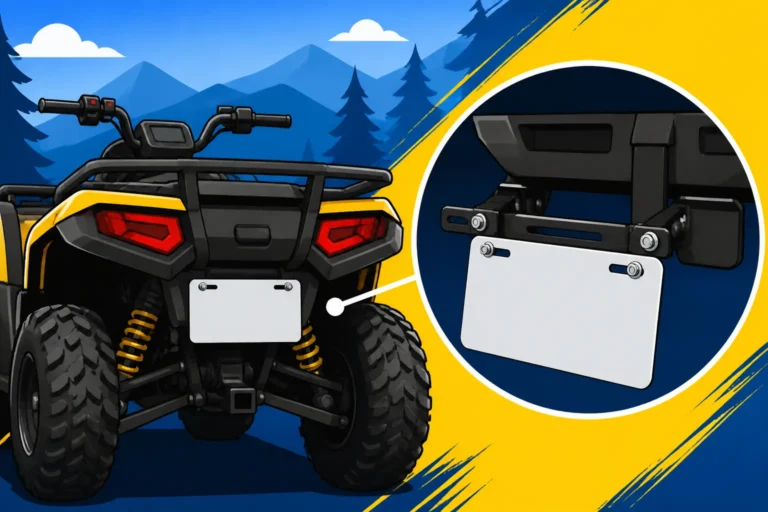
Beyond registration, regularly check that the physical license plate is securely mounted and clearly visible. Plates can sometimes fall off during rough riding conditions. A missing plate is just as much of an issue as an expired registration. Additionally, ensure the registration certificate is always carried with the machine or by the operator, ready to be presented if requested by an enforcement officer. For details on your certificate, see [Does a Printed Registration Certificate Count on the Trail?].
Training for Business Operators
While Alberta does not mandate a safety course for OHV operators, proper training is a critical best practice for any business. Untrained operators are a liability, increasing the risk of accidents, injuries, and damage to expensive equipment. Investing in professional OHV safety training for all employees who will operate a business machine can significantly reduce risks.
These courses cover safe operating procedures, hazard identification, proper riding techniques, and emergency protocols. They can make a huge difference in preventing incidents that could cost your business dearly, both in terms of human impact and financial loss. Safety is paramount, especially when employees are using heavy machinery as part of their job.
Dealing with Transfers or Sales of Business Machines
When your business sells an OHV, or acquires a new one, the registration needs to be updated promptly. If you sell a machine, you'll need to transfer the registration out of your business's name. This protects your business from any liability related to the machine after it's no longer yours. Conversely, when buying a used machine for your business, you'll need to transfer the registration into your company's name. This usually involves similar paperwork to the initial registration, along with the properly completed bill of sale. [Alberta Registration Transfer After a Sale] details this process.
It's also essential to be meticulous with VIN checks when buying used machines to ensure they aren't stolen or have outstanding liens. For private sales, particularly, always use a comprehensive bill of sale, which can be easily drafted using resources like LawDepot, to clearly document the transaction and protect both parties. Clear documentation prevents future disputes and ensures a clean transfer of ownership.
| Document Type | For Initial Business Registration | For Renewal | For Transfer/Sale (Buying) | For Transfer/Sale (Selling) |
|---|---|---|---|---|
| Proof of Ownership | Required (Bill of Sale/MSO) | No | Required | No |
| Business Reg. Docs | Required | No | Required | No |
| Proof of Authority | Required | Recommended | Required | No |
| Proof of Insurance | Required | Required | Required | Recommended (for buyer) |
| VIN | Required | No | Required | No |
| Old Registration | No | Yes | Recommended (from seller) | Recommended (for records) |
| OHV Plate | Issued | No | May be transferred | Retained by seller/transferred |
This article is for general informational purposes only and does not constitute professional advice. Laws, prices and regulations vary by location and change over time. Consult a qualified professional for guidance on your specific situation.