Alberta Random Camping Along Stud Creek
Camping beside Stud Creek can make a memorable Alberta ATV or UTV weekend, but finding a legal place to camp is not as simple as pulling off wherever the ground looks flat. This guide explains how to plan for the Stud Creek area, check camping and riding access, prepare for limited services, and avoid the common mistakes that can spoil a backcountry trip.
Understand the Stud Creek camping area
Where Stud Creek fits into a Ghost area ride
Stud Creek is associated with the Ghost Public Land Use Zone, a large backcountry riding area west of Calgary. Riders may also plan around nearby places such as Waiparous Creek and the Forestry Trunk Road. It is rugged country, not a managed campground with a front desk, marked individual sites, and predictable amenities. Conditions and access can vary between locations, so a spot that appears open on a general map is not automatically an authorized place to camp.
The key planning distinction is between public land that allows camping and land where camping is restricted or prohibited. In a Public Land Use Zone, rules can apply to particular roads, trails, camping nodes, and seasons. Don’t assume that a creek bank, forest opening, or existing tire track gives you permission to set up camp. Start by identifying the exact area on an authoritative map and checking the applicable rules before leaving home. [Ghost PLUZ Camping Nodes in Alberta] is a useful companion topic for understanding how designated camping locations fit into planning.
Random camping does not mean camp anywhere
“Random camping” generally means camping outside a developed campground, not ignoring land-use rules. In the Ghost area, pay close attention to whether camping is allowed at your intended location, whether it falls within a designated camping node, and whether any temporary closure or restriction applies. A flat, previously used clearing may still be unsuitable or off-limits. If you cannot confirm that a location is permitted, choose a clearly authorized option rather than treating uncertainty as permission.
This matters especially when you’re travelling with a trailer or a larger group. A narrow pullout that looks manageable for one truck may not have room for a trailer, a second vehicle, and a safe turnaround. Don’t widen a site by driving over vegetation, pushing aside brush, or making a new track. For a broader overview of the rules and limits that can apply, see [Alberta Random Camping Rules Explained].
Separate your camping plan from your riding plan
A camp location and a legal riding route are two different decisions. You may be able to camp at an authorized location but still need to trailer your machine to an open staging area, or use only permitted routes to reach the riding area. The reverse can also be true: an open route does not mean you can camp beside it. Confirm both parts of the plan separately, including any access restrictions between your parking or camping spot and the trails you want to ride.
Before the trip, trace the intended route from your camp or staging point to the riding area. Check whether the route is open to your machine type and whether seasonal or site-specific rules apply. [Alberta OHV Trails: Riding Public Land] offers related guidance on public-land riding; [Checking a Zone Before You Go] is a reminder that access needs to be checked at the zone level, not guessed from a broad regional map.
Check permissions, passes, and riding access
Confirm the camping pass requirement
A camping pass and an ATV registration are not the same thing. Where Alberta’s Public Lands Camping Pass applies, eligible campers need to arrange the pass for their camping plans; it does not register your quad, authorize you to ride a closed trail, or replace insurance. Requirements can depend on where you camp and who is camping, so check that your intended location is within the area covered by the pass and review the conditions that apply to your group. [Alberta's Public Lands Camping Pass] explains the pass in more detail.
It’s easy to overlook this when the trip is organized around riding. Someone might remember to renew a machine’s registration and check insurance, then assume those documents cover the overnight stay too. They don’t. Build a short pre-trip checklist that separates camping permissions and pass requirements from vehicle paperwork, trail access, and any other permits that may apply. [Alberta Has No OHV Trail Pass] is also useful context: don’t confuse a camping pass with a general riding permit.
Check trail access for your machine
A route that is open to one kind of vehicle may not be suitable or permitted for another. Before setting off, check the rules and map details for your ATV or UTV, then confirm that your planned route is open. Pay attention to vehicle restrictions, seasonal closures, and any direction to stay on designated trails. A route shown as a road on one map may not tell you whether it is currently open to your machine or intended for recreational riding.
This is where a layered map check helps. Use official land-use information to confirm rules and closures, and use a navigation app such as onX Offroad as a planning aid for viewing your route and tracking your location. An app is not a substitute for current official notices or signs on the ground. Download the information you need before you lose cell service, and keep a backup plan if an access point is closed or a route proves unsuitable. [Downloading a Georeferenced Trail Map Before You Lose Signal] covers an important backcountry preparation step.
| Planning question | What to confirm before departure | Why it matters |
|---|---|---|
| Is camping allowed at the intended spot? | The location, camping-node status, and any restrictions | A pullout or old campsite is not proof that camping is allowed |
| Does a camping pass apply? | The pass requirement for the land and people in your group | A pass is separate from registration and insurance |
| Is the route open to my machine? | Vehicle type, trail access, seasonal rules, and closures | Open access can vary by route and time |
| Can I reach the site with my rig? | Road surface, clearance, turning room, and trailer space | A narrow approach can become difficult to reverse or turn around |
| What will I do if plans change? | A backup staging or camping option | Closures, weather, and crowded sites can alter the plan |
Look for closures and local signs
Access information can change. A route that was open on a previous visit may be affected by a seasonal restriction, damage, maintenance, wildfire conditions, or another land-management decision. Check applicable Alberta land-use information close to departure, then pay attention to signs and barriers when you arrive. If a gate is closed or a posted notice conflicts with an older map, don’t ride around it.
For the Ghost area, seasonal restrictions deserve particular attention. Spring conditions can make trails vulnerable to damage, while other routes may have restrictions at different times of year. Re-check access before each trip rather than relying on a memory from last summer. [Seasonal Closures in the Ghost] is relevant reading if you’re planning around a particular season.
Choose a safe, low-impact campsite
Pick durable ground and protect the creek
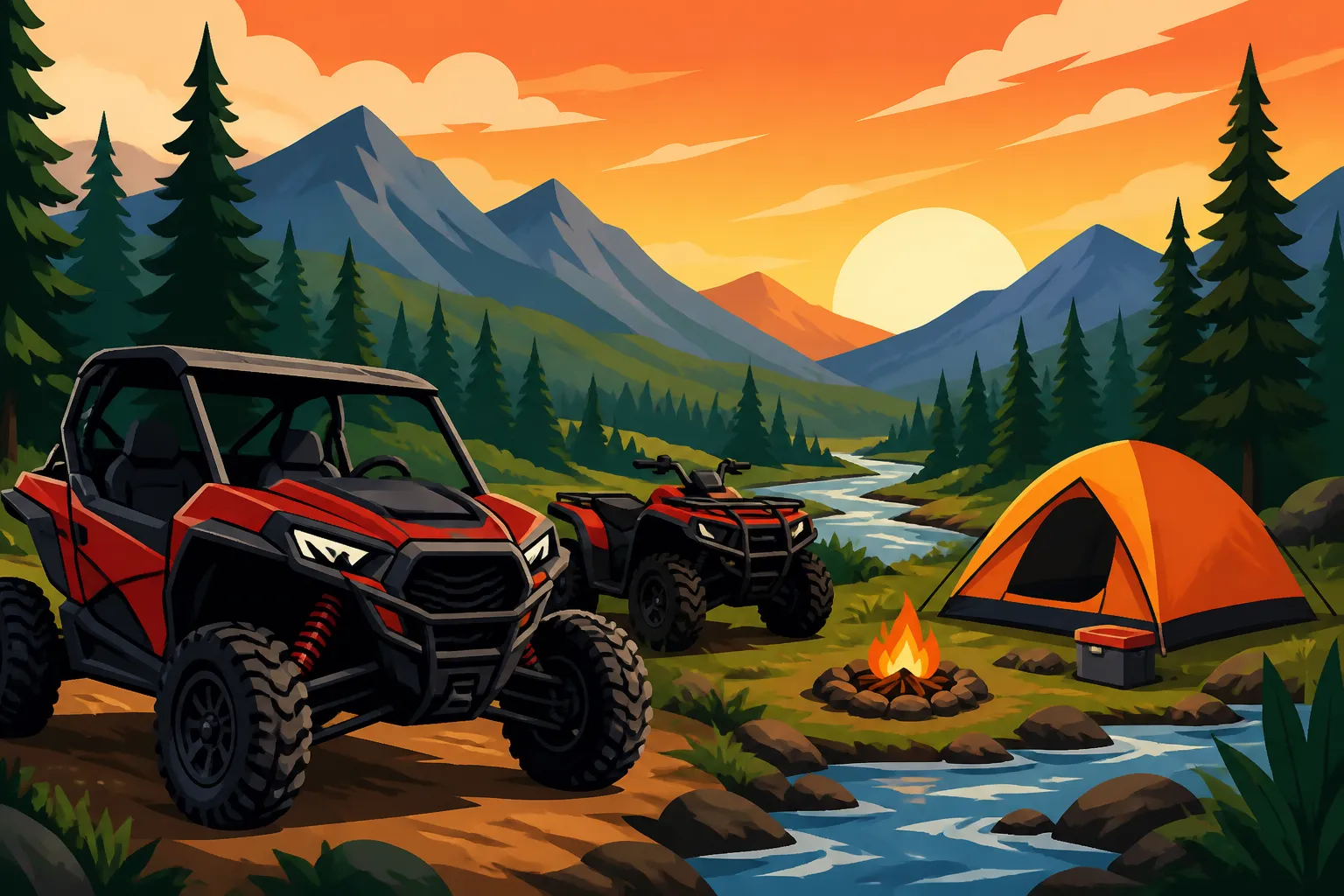
Creekside camping can feel like the whole point of a Stud Creek trip, but the most appealing spot is not always the best one. Avoid fragile banks, wet ground, vegetation that would be crushed by vehicles, and areas where runoff could carry waste or fuel toward the water. Set up on durable ground in an authorized location, and keep vehicles and camp activities away from the creek edge. If the site is muddy or saturated, don’t use wheelspin to force your way through; that can deepen ruts and damage the ground.
Keep the camp compact. Park on an established surface where permitted, don’t create extra pullouts, and use existing durable areas for cooking and gathering. If a site is already damaged, spreading your group across more ground won’t improve it. Leave the area as you found it, or better: pack out litter you brought in and any loose rubbish you can safely remove without disturbing the site.
Plan for water, toilets, and waste
Do not count on treated drinking water, toilets, garbage pickup, or a nearby store at a random camping location. Bring enough drinking water for the whole group, including extra for hot weather, meals, and unexpected delays. If you use creek water for any purpose, treat it appropriately before drinking. Water that looks clear can still carry organisms that may make you sick.
Think through human waste and dishwater before you arrive. Follow the applicable local rules for waste disposal, and don’t leave toilet paper, food scraps, or hygiene products behind. Keep washing, fuel, and other contaminants away from the creek. A simple camp routine helps: designate a place for food storage, keep rubbish contained, and make a final sweep of the site before driving away. [Alberta Random Camping Rules Explained] provides additional context for camping limits and responsibilities on public land.
Keep fires within the rules
A fire is not guaranteed to be allowed just because there is an established fire ring or other visitors have used one. Check for fire bans and restrictions before travelling, and look for local signs when you arrive. Restrictions can change with dry conditions, so a fire plan should include a no-fire alternative for cooking and warmth. A camp stove is a practical backup, but it should still be used safely and according to its instructions.
If fires are allowed, use an established fire area where required and keep the fire small and controlled. Don’t cut standing trees for firewood, and make sure the fire is fully out before leaving or going to sleep. Never leave a fire unattended. A gusty evening, dry grass, and a fire that seemed harmless at dinner can quickly become a serious problem. [Alberta Fire Bans and Riding] is a related topic to review when fire conditions may affect your weekend.
Prepare your ATV or UTV and your group
Make the machine ready for remote travel
A short trail ride can become a long recovery if a machine develops a problem far from help. Before departure, check tires, brakes, steering, lights, fluids, battery condition, and any loose cargo. Carry the basic tools and repair items that match your machine and the kind of terrain you expect. A winch can be useful in remote riding areas, but it is not a substitute for choosing a route your machine and group can safely handle.
Fuel planning deserves special attention. Don’t assume that fuel will be available beside the trail or at a convenient point near camp. Estimate your range conservatively, allow for slower travel and detours, and carry fuel only in appropriate, secured containers. Keep fuel away from cooking areas and ignition sources. If a rider’s machine has a smaller tank or uses more fuel in rough conditions, plan around that machine rather than the group’s best-case range.
Carry the basics for a backcountry ride
A route that looks close on a screen can take longer than expected when there is mud, steep terrain, a mechanical stop, or a wrong turn. Carry navigation that works offline, a charged phone, and a backup way to contact help where appropriate. Bring first-aid supplies, weather-appropriate layers, food, water, and basic emergency equipment. Tell someone who is not on the ride where you plan to go and when you expect to return.
It is also worth agreeing on simple group procedures before leaving camp. Decide who leads, who stays at the back, where the group will stop, and what to do if someone is separated. At intersections, wait until the riders behind you have caught up before continuing. In an area with limited signal, a group that stays together and communicates clearly is much easier to manage than a collection of riders assuming everyone knows the plan.
Match the route to the least experienced rider
The most confident rider should not set the pace for everyone. Choose a route that suits the least experienced person, the least capable machine, and the conditions on that day. A trail that was easy in dry weather may be challenging after rain, and a steep or rutted section can feel very different when a rider is tired or carrying extra gear. Turn around early if conditions or confidence change.
For a mixed group, agree that anyone can call for a pause or a turnaround without being pressured to continue. That makes the ride safer and usually more enjoyable. Keep your pace controlled near blind corners, intersections, other trail users, and residential or grazing areas. The goal is not to cover the most distance; it is to finish the ride with everyone and every machine in good shape.
Make the trip more comfortable and responsible
Expect limited services and changing weather
The Ghost area can feel close to Calgary on a map, but once you leave a serviced road or staging area, conditions can change quickly. Cell coverage may be unreliable, and rain can turn a firm approach into a slippery one. Check the weather forecast for the area, not only the city you’re driving from. Pack layers, waterproof outerwear, and dry clothing in a sealed bag so a wet ride does not leave everyone cold at camp.
Arrive with enough time to find an authorized site before dark. If you arrive late and the preferred spot is occupied, don’t improvise by pulling into an unverified clearing. Use a backup plan, or choose a permitted alternative. A little flexibility is especially valuable on busy weekends, when parking and camping space may be limited. [Alberta OHV Camping and Staging Areas] can help you think through how camping and vehicle staging fit together.
Be considerate of other land users
Public land is shared by riders, campers, hikers, hunters, land managers, and people working in the area. Keep noise reasonable, especially early in the morning and later in the evening. Secure food and rubbish, avoid blocking roads or access points, and give other vehicles room to pass. If you encounter livestock, wildlife, or active work, slow down and give the situation space rather than trying to push through.
Ride on the designated route and avoid widening trails or cutting across vegetation. Creek edges, wet meadows, and steep slopes are particularly vulnerable to damage from repeated traffic. Staying on the trail tread helps protect the land and reduces the risk of creating conflicts that can lead to additional restrictions. See [Staying on the Trail Tread] for more on why keeping to the established route matters.
Use a practical arrival and departure routine
When you arrive, first confirm that your site and route are permitted. Look for signs, barriers, and obvious changes in conditions. Park without blocking access, keep your setup within the established durable area, and make sure your group understands where machines can and cannot travel. Before heading out for a ride, check that the camp is secure and that someone knows the group’s planned route and return time.
Before leaving for home, do a slow final check rather than relying on a quick glance from the driver’s seat. Pick up food scraps, packaging, and small items such as zip ties or bottle caps. Make sure the fire is fully out if one was permitted and used. Check that no gear is left behind, that the site has not been widened, and that your vehicle is not tracking mud or debris onto a public road. These small habits help keep a good place usable for the next group.
Disclaimer
This article is for general informational purposes only and does not constitute professional advice. Laws, prices and regulations vary by location and change over time. Consult a qualified professional for guidance on your specific situation.