Reporting an Off-Road Collision in Alberta
Finding yourself in an off-road collision in Alberta can be a disorienting and stressful experience, often far from immediate help and clear instructions. Riders frequently grapple with uncertainty about who to call, what information they need to gather, and what legal or insurance obligations they might have when an incident occurs away from paved roads. This guide aims to clear up that confusion, offering a step-by-step approach to handling and reporting an off-road collision in Alberta, ensuring you understand your responsibilities and can navigate the aftermath effectively.
Why Off-Road Collision Reporting is Different and Crucial
Unlike a fender bender on a city street, an off-road collision brings its own unique set of circumstances and challenges. You're often dealing with remote locations, rough terrain, and a distinct set of regulations under Alberta's Traffic Safety Act and Off-Highway Vehicle Regulation. The lack of traditional street signs or mile markers can make pinpointing your exact location incredibly difficult, adding layers of complexity to reporting and assistance efforts.
One of the biggest differences is the perceived formality (or lack thereof) in the backcountry. While you might not see flashing lights arrive in minutes, the legal and financial implications can be just as significant as any on-road incident. Failing to report certain types of off-road collisions, or failing to gather the right information, can lead to serious consequences, including fines, insurance claim denials, or even legal disputes down the line. It's not just about what's legally required; it's also about protecting yourself and others involved.
Moreover, off-road collisions can happen in environments where external help is hours away. This makes the initial steps you take — assessing injuries, securing the scene, and gathering information — even more critical. There's less reliance on external agencies to manage the immediate aftermath, placing a greater onus on the riders involved to act responsibly and systematically. Understanding these nuances before you hit the trail can make all the difference when an unexpected incident occurs.
Immediate Steps After an Off-Road Collision
When an off-road collision happens, adrenaline can surge, making it hard to think clearly. However, having a mental checklist of immediate actions can ensure everyone's safety and help in the eventual reporting process. Your first priority is always the well-being of yourself and anyone else involved.
Assess for Injuries and Provide First Aid
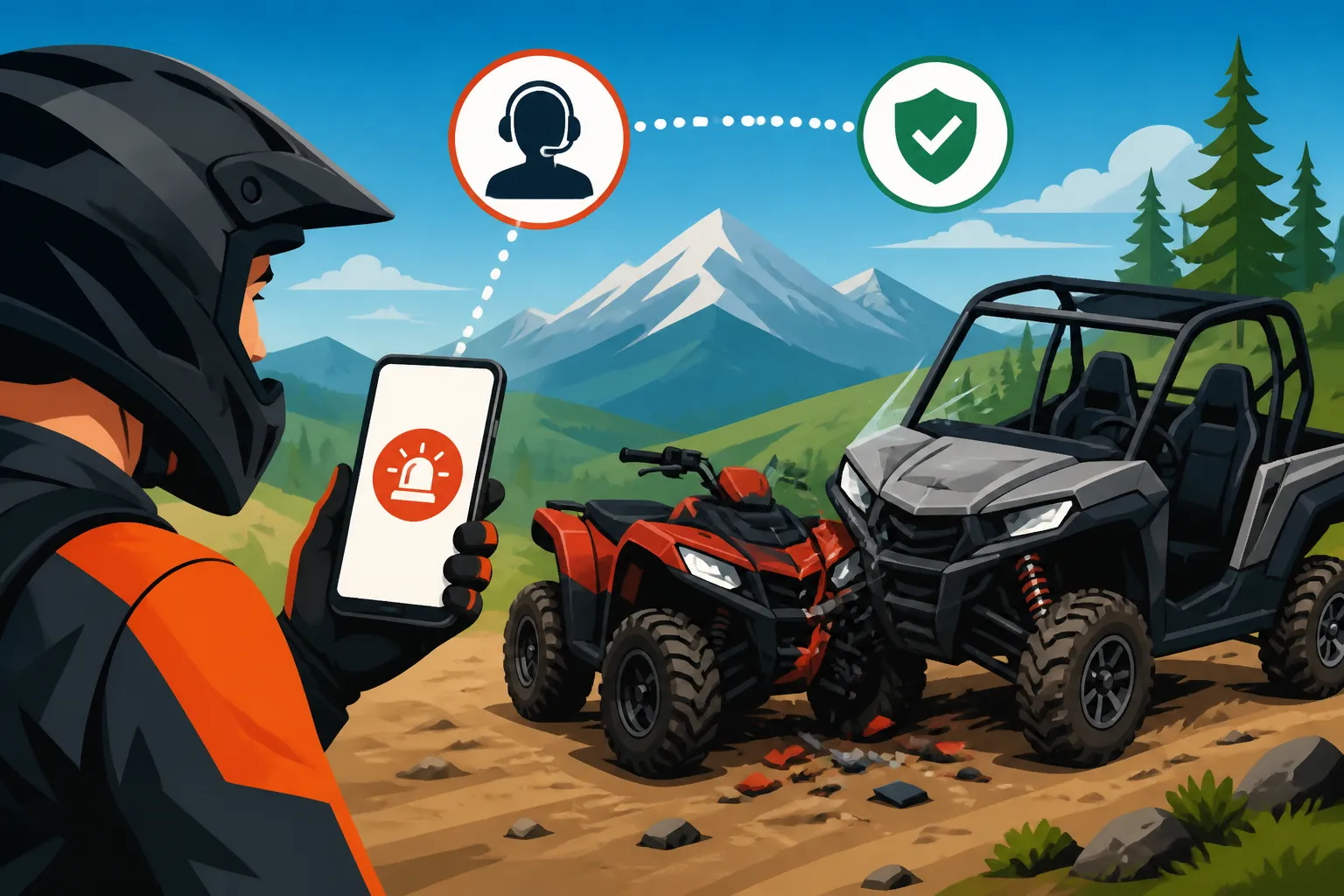
The very first thing to do is check for injuries, both your own and those of anyone else involved in the collision. Even if someone claims to be fine, encourage a thorough self-assessment. Off-road impacts can cause hidden injuries, and the remote nature of many riding areas means professional medical help could be a long time coming. If anyone is seriously injured, immediately attempt to call for emergency services (911). Be prepared to describe your location as best as possible, using landmarks, trail names, or GPS coordinates if you have them.
Carrying a well-stocked first-aid kit is non-negotiable for off-road adventures, and this is when it truly proves its worth. Administer any necessary first aid, stabilize injuries, and keep the injured person warm and comfortable. If you're alone and injured, focus on self-rescue or activating a personal locator beacon if you carry one. Remember, even minor scrapes can become infected in the wilderness, so proper cleaning and dressing of wounds is important.
Secure the Scene and Prevent Further Danger
Once injuries are addressed, your next step is to secure the collision scene to prevent any further incidents. If machines are still running, turn them off. If there's a risk of fire from fuel leaks, try to mitigate it if safe to do so. Move damaged machines to a safer spot if they are obstructing a trail or posing a hazard, but only if it's possible without causing further injury or damage. It's often best to leave vehicles in place if possible for accurate assessment, especially if police are expected, but safety always comes first.
Take photographs of the scene before anything is moved, if possible. Capture wide shots showing the general area, as well as close-ups of vehicle damage, ground marks, and any relevant environmental factors like trees, rocks, or trail conditions. This visual evidence can be incredibly valuable for insurance claims and police reports. Make sure to get photos from multiple angles, showing the positions of all machines involved.
Exchange Information and Gather Evidence
Just like on a highway, exchanging information is crucial, even when off-road. Collect names, contact numbers, and addresses of all involved parties, including any witnesses. Get the registration plate numbers (OHV plate numbers), make, model, and serial numbers (VINs) of all off-highway vehicles involved. Don't forget to note down insurance company names and policy numbers if available. This information is critical for any future claim or legal process.
While the incident is fresh, make detailed notes about what happened. Include the date, time, and specific location (GPS coordinates are best if you have them). Describe the weather conditions, trail conditions, and visibility at the time of the collision. Draw a simple sketch of how the collision occurred, showing the direction of travel and final resting positions of the machines. These details, no matter how small they seem at the moment, can become important pieces of evidence. For side-by-sides, note if seatbelts were worn or if there were any modifications to the vehicle's safety features. Many riders upgrade their machines with robust parts, like those from SuperATV, which might offer additional protection in minor impacts.
Reporting to Authorities and Your Insurance
Once the immediate aftermath is managed, you'll need to consider reporting the collision to the appropriate authorities and your insurance provider. The rules for off-road reporting aren't always as clear-cut as on-road, but knowing when and how to report is essential.
When to Report to the RCMP or Local Police
In Alberta, you generally must report a collision to the police (RCMP or local municipal police) if:
- Anyone is injured or killed.
- There is significant damage to vehicles or property, usually exceeding a certain monetary threshold (which can vary, so it's always safer to err on the side of reporting if damage is substantial).
- Public property (like trail markers, bridges, or environmental features) is damaged.
- There's an indication that one of the operators was impaired by alcohol or drugs.
- The other party fails to provide identification or flees the scene.
Even if none of these strict criteria are met, it's often a good idea to report to the police if there's any dispute between parties, or if you suspect foul play. For instance, if you're riding on Crown land and someone damages a forestry gate, that's definitely a police matter. The police will investigate, create an official report, and if necessary, issue charges for violations like [Alberta Impaired Riding Penalties] or reckless operation. They might also check if your machine complies with [Alberta Equipment Required on Public Land], such as working lights or a spark arrestor.
To make a police report, you'll need to provide all the information you gathered at the scene. They'll ask for details about the location, time, parties involved, and the extent of injuries or damages. Because many off-road areas are rural, it might be the RCMP detachment closest to where the incident occurred. Call their non-emergency line unless it's an immediate life-threatening emergency.
Notifying Your Insurance Provider
Regardless of whether you report to the police, you should always notify your own insurance provider if your vehicle was damaged, or if you caused damage to another vehicle or property, and you plan to make a claim. Many policies require you to report collisions within a specific timeframe, even if you're not at fault. Delaying notification could jeopardize your ability to make a claim later.
When you call your insurance company, they'll want similar information to the police: date, time, location, details of the incident, other parties involved, and an assessment of damages. They may ask for photos you took at the scene. Be honest and factual in your description. Your insurance might also be interested in whether the machines involved were properly registered, as [Alberta Requires Insurance on Public Land] and an unregistered machine could complicate a claim. Keep copies of all correspondence and reference numbers related to your claim.
Understanding Your Obligations (Table)
Here’s a quick overview of your obligations after an off-road collision in Alberta:
| Situation | Police Report Required? | Insurance Notification? | Why It Matters |
|---|---|---|---|
| Injury to any person | Yes (immediately if serious) | Yes (if planning a claim or liable for others' injuries) | Legal obligation, ensures medical attention, facilitates legal and insurance claims. |
| Damage to property (private or public) > ~$2,000 | Yes (check local police guidelines for exact threshold) | Yes (if planning a claim or liable for others' damage) | Legal obligation, protects against financial liability, supports repair claims. |
| Operator impaired by alcohol/drugs | Yes (immediately) | Yes (insurer may deny coverage if found liable) | Public safety, legal consequences, impact on insurance. |
| Other party leaves the scene or won't provide info | Yes | Yes | Helps identify culprits, necessary for hit-and-run claims. |
| Minor damage, no injuries, parties agree to fix | Optional (but recommended for record-keeping) | Optional (but recommended if any damage to your vehicle) | Provides official record, can prevent future disputes, helps track vehicle history. |
Note: The damage threshold for mandatory police reporting can vary and may not be strictly defined for off-highway vehicles. It's always best to report if damage is significant or uncertain.
Preventing Off-Road Collisions: Safety First
While knowing what to do after a collision is vital, preventing them in the first place is always the best approach. Many off-road incidents are avoidable with proper preparation, responsible riding habits, and well-maintained equipment. Prioritizing safety benefits everyone on the trail.
Pre-Ride Checks and Maintenance
Before every ride, perform a thorough check of your OHV. This isn't just a suggestion; it's a critical safety measure. Check tire pressure, fluid levels (oil, coolant, brake fluid), and ensure all lights are working (headlights, taillights, brake lights). Test your brakes, both front and rear, to make sure they're responsive. Inspect your machine for any loose components, damaged suspension parts, or signs of wear and tear that could lead to a mechanical failure on the trail. Robust parts, like those offered by SuperATV, can enhance your machine's durability and reduce the likelihood of mechanical failures that might contribute to an accident.
Regular maintenance is key. Following your manufacturer's recommended service schedule keeps your machine in top condition. This includes oil changes, air filter cleaning, and inspecting drive belts or chains. A well-maintained machine is more reliable and predictable, allowing you to focus on the trail ahead rather than worrying about unexpected breakdowns that could lead to a loss of control. Remember, [Alberta Requires Working Head and Tail Lights] and properly functioning brakes are paramount for safety on public land.
Responsible Riding Practices
One of the most impactful ways to prevent collisions is by adopting responsible riding habits. This starts with never riding under the influence of alcohol or drugs. Impaired riding impairs judgment, reaction time, and coordination, significantly increasing the risk of an accident and carrying severe legal consequences, as outlined in [Alberta Impaired Riding Penalties]. Always ride within your skill level and the capabilities of your machine. Don't push yourself or your vehicle beyond safe limits, especially on unfamiliar or challenging terrain.
Maintain a safe following distance from other riders, particularly in dusty conditions or on trails with limited visibility. Anticipate potential hazards like sharp turns, steep inclines, hidden obstacles, and other trail users. Always wear appropriate safety gear, including a [Alberta CSA Helmet Standards] approved helmet, goggles, gloves, sturdy boots, and protective clothing. These items provide crucial protection in the event of an impact, reducing the severity of injuries.
Awareness of Trail Conditions and Regulations
Before heading out, research the specific trail conditions and regulations for your chosen riding area. Public Land Use Zones (PLUZs) and designated trail systems often have unique rules, seasonal closures, or difficulty ratings. Knowing what to expect – whether it's tight turns, rocky sections, water crossings, or shared trails with hikers or mountain bikers – allows you to adjust your riding style accordingly. For instance, [Alberta Rules for Riding Crown Land] might differ from municipal bylaws in other areas.
Always be mindful of weather forecasts. Rain can quickly turn a manageable trail into a muddy, slippery hazard, while snow and ice introduce new challenges for winter riding. If conditions are deteriorating, it's safer to postpone your ride or turn back. Respect all posted signs, stay on designated trails to avoid environmental damage and trespassing, and ride quietly and courteously, especially near populated areas or wildlife habitats. Being a responsible rider contributes to a safer and more enjoyable experience for everyone.
This article is for general informational purposes only and does not constitute professional advice. Laws, prices and regulations vary by location and change over time. Consult a qualified professional for guidance on your specific situation.