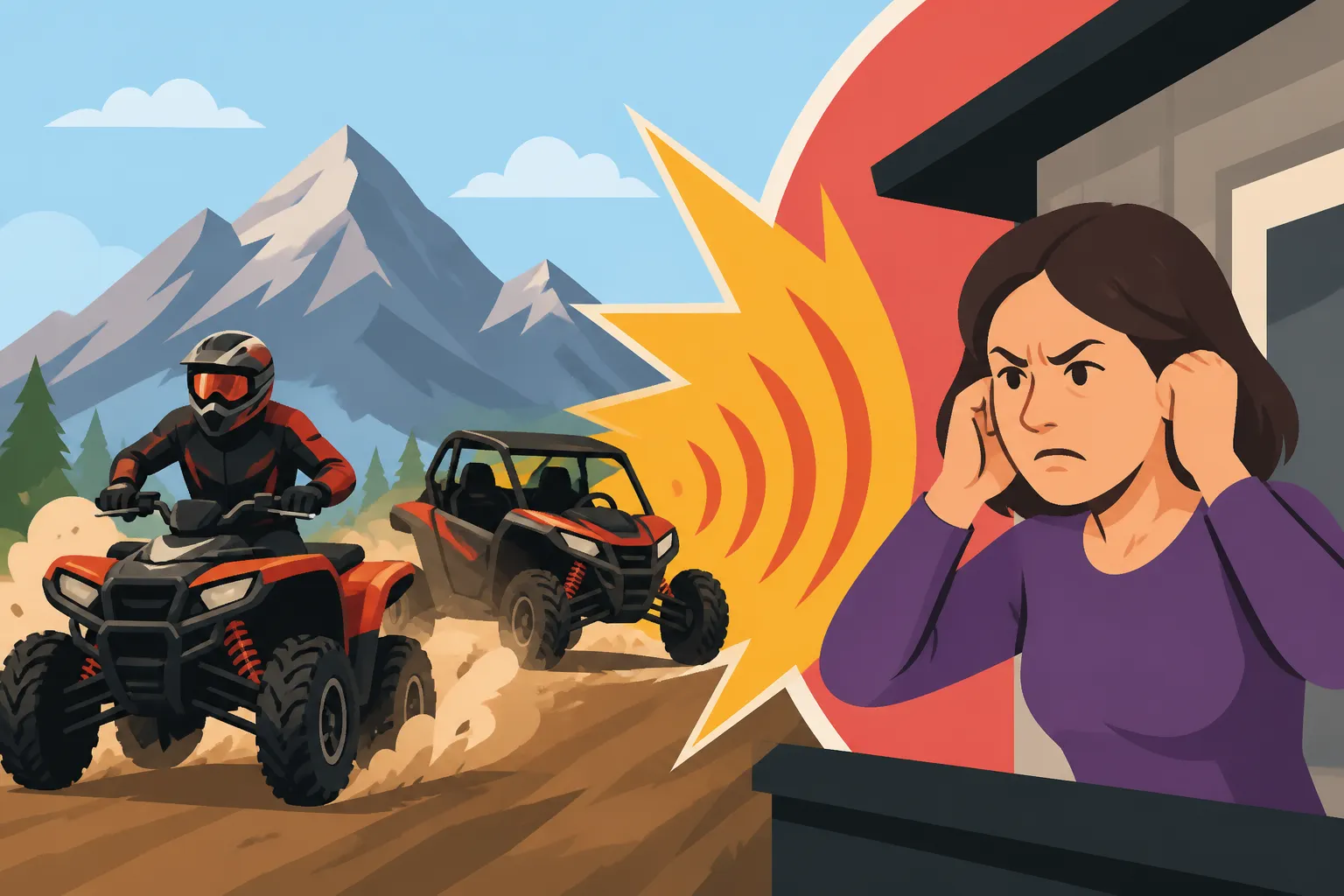
Sound That Draws Complaints
There's nothing quite like the thrill of firing up your ATV or UTV and hitting the trails or exploring the vast Alberta landscape. But let's be honest, that distinct rumble and roar, while music to a rider's ears, can sometimes become a real headache for others. Dealing with noise complaints, whether they're directed at you personally or at the riding community as a whole, is a frustrating reality that every responsible off-highway vehicle (OHV) enthusiast should understand. This guide will help you navigate the nuances of OHV noise, its impact, and practical ways to ensure your machine sings, rather than screams, in harmony with your surroundings.
Understanding Noise Complaints: More Than Just a Grumpy Neighbour
It’s easy to dismiss a noise complaint as someone being overly sensitive, especially when you’re just out having fun. However, the issue of OHV noise is multifaceted, touching on everything from community relations to environmental impact. Ignoring these concerns doesn't just make you an unpopular neighbour; it can have broader implications for the future of OHV access and enjoyment in Alberta.
The Impact of Excessive OHV Noise
The sound your off-highway vehicle makes travels further than you might think, and its impact extends beyond just human ears. When a machine produces excessive or sustained noise, it can genuinely disrupt the peace and quiet that many people seek, whether they're in their backyard on an acreage, enjoying a hike in a natural area, or simply trying to relax. Imagine a family trying to enjoy a quiet afternoon BBQ, only to be constantly interrupted by the incessant revving of an OHV just beyond their property line. It quickly turns a pleasant experience into an irritating one.
Furthermore, it's not just people who are affected. Wildlife can also be stressed and disturbed by persistent, loud noise. Animals may alter their behaviour, leave their natural habitats, or face increased difficulty in finding food or mates, especially in sensitive ecological zones. For other recreational users – hikers, bird watchers, campers – the roar of an OHV can completely shatter their experience, leading to negative perceptions of the entire OHV community. Our shared public lands are for everyone to enjoy, and part of that enjoyment means respecting the diverse ways people choose to experience the outdoors. When noise becomes a consistent issue, it can lead to calls for stricter regulations, trail closures, or even outright bans in certain areas, limiting opportunities for everyone.
Where Alberta Law Draws the Line (and Where It Doesn't)
Navigating the legal landscape of OHV noise in Alberta can feel a bit like slogging through a muddy trail – it’s not always clear cut. Unlike some jurisdictions that have specific decibel limits for OHVs, Alberta's provincial legislation, primarily the Traffic Safety Act and its associated Off-highway Vehicle Regulation 319/2002, often takes a more general approach to noise. This means there isn't a single, easy-to-measure provincial standard that police officers or peace officers can apply with a sound meter on the side of the trail.
However, this lack of a specific provincial decibel limit doesn't give riders a free pass to make as much noise as they want. The Traffic Safety Act includes broad provisions that can be applied to nuisance, disturbing the peace, or operating a vehicle in a manner that causes undue noise. Crucially, it also mandates that all OHVs operating on public land must be equipped with a muffler that is in good working order and prevents excessive or unusual noise. [Alberta Bans Modified Exhausts] is a good example of this, as non-compliant exhaust systems are a direct violation. What truly complicates matters, though, is the patchwork of municipal bylaws. Counties, municipal districts, and even specific towns or villages often have their own noise bylaws that can be much more restrictive. These local rules might stipulate quiet hours, specific decibel limits for vehicles, or outright prohibitions on OHV use in certain areas or during particular times. A rider might genuinely believe their machine is legal because it lacks a provincial decibel violation, only to receive a ticket under a municipal bylaw for disturbing the peace because their loud exhaust, even if technically "muffled," still generates complaints. This is why understanding [Alberta Bylaw Lookups Before You Ride] is so important; what’s acceptable in one area might be illegal just a few kilometres down the road.
Common Causes of OHV Noise Complaints
When we talk about OHV noise, it's not always about a rider intentionally trying to be disruptive. Sometimes, the noise comes from modifications, sometimes from riding habits, and sometimes simply from a machine that needs a little TLC. Understanding these common culprits is the first step toward becoming a more considerate rider.
The Allure and Aftermath of Modified Exhausts
For many OHV enthusiasts, the idea of "upgrading" their machine often includes installing an aftermarket exhaust system. These systems are typically designed to boost performance, shave off weight, and, let's be honest, produce a louder, more aggressive exhaust note. The appeal is understandable; a throaty rumble can sound powerful and exciting to the rider. However, this pursuit of power and a distinctive sound often comes at a cost to those around you.
The vast majority of factory-installed exhaust systems are engineered to meet specific noise regulations and environmental standards. They include baffling, catalytic converters (on some models), and other components designed to attenuate sound. Aftermarket systems, especially those labeled "race-only" or "off-road use only," frequently bypass these noise-reducing features. The result is an exhaust that might add a few horsepower, but also dramatically increases the decibel level, making your machine sound much louder and often harsher. This instantly flags you as a potential nuisance in residential areas, on shared trails, or even at staging points. A modified exhaust is one of the quickest ways to draw the attention of peace officers and neighbours alike. Not only can it lead to complaints, but it also falls afoul of Alberta regulations that prohibit modified exhaust systems that increase noise beyond factory levels, meaning you could be looking at a ticket. [Why a Modified Muffler Can Cost You a Ticket] is something every rider should be aware of.
Inconsiderate Riding Practices
Even with a perfectly stock, legally compliant machine, your riding habits can be a major source of noise complaints. It's not just what you ride, but how and when you ride it that matters. Repeatedly revving your engine unnecessarily, especially when stationary, amplifies the sound and can quickly irritate those nearby. Think about pulling into a staging area and letting your machine idle at high RPMs for an extended period, or constantly blipping the throttle while waiting for friends. This kind of noise is easily avoidable and often perceived as disrespectful.
The time of day you choose to ride is another critical factor. Early mornings or late evenings are when most people cherish peace and quiet. Blasting through a residential area, even briefly, at 7 AM on a Sunday or 9 PM on a weekday can feel like a direct assault on someone's relaxation. Similarly, riding repeatedly in a confined area, such as doing donuts in an open field near a walking path or repeatedly circling a small area for an extended period, creates a sustained, monotonous noise that is far more irritating than a brief passing sound. This is especially true near acreages or designated quiet zones. Even if you're riding on [Alberta Rules for Riding Private Land] with permission, if that land is adjacent to others, your actions can still generate complaints. Being mindful of your surroundings and the potential impact of your sound profile is key to harmonious coexistence.
Maintenance Matters: The Unintended Noisy Machine
Sometimes, a machine becomes excessively noisy not because of intentional modification or poor riding habits, but simply due to neglect. Just like any other vehicle, OHVs require regular maintenance to operate smoothly and quietly. Over time, components can wear out, loosen, or fail, leading to unintended noise.
A common culprit is a failing muffler. Internal baffles can break loose, creating a tinny rattle or an unpleasantly loud roar that wasn't there when the machine was new. Exhaust manifold gaskets can deteriorate, allowing exhaust gases to leak and create a loud hissing or sputtering sound. Loose heat shields can vibrate against other components, adding a metallic clatter to your machine's symphony. Engine mounts can wear, causing the engine to vibrate excessively and transmit more noise to the chassis. Even something as simple as worn bearings in pulleys or drive components can contribute to an overall increase in mechanical noise. These aren't just minor irritations; they indicate a machine that isn't running optimally and could be signaling a larger mechanical issue down the road. Regular inspections and timely repairs of these components not only keep your machine running efficiently and safely but also ensure it stays within its intended noise profile, helping you avoid drawing unwanted attention or, worse, a ticket. Ensure you have a functioning [Alberta Requires a Spark Arrestor] which is also a key component of the exhaust system.
Practical Steps to Reduce Your OHV's Noise Signature
Being a responsible OHV owner in Alberta means more than just having your registration and insurance in order. It also involves being a good neighbour and trail user, which often starts with managing the sound your machine produces. By taking a few practical steps, you can significantly reduce your OHV's noise signature and contribute to a more positive image for the entire riding community.
Ensuring a Compliant Exhaust System
The exhaust system is the primary factor in determining how loud your OHV is. If you've got an aftermarket exhaust, the first step is to assess its legality and noise output. Many aftermarket systems are explicitly designed for closed-course racing and are not legal for use on public land in Alberta. They often exceed the sound levels of stock systems and lack proper spark arrestors, which are mandatory. If your machine currently has a loud, non-stock exhaust, seriously consider replacing it with a factory-equivalent unit. These are engineered to meet specific noise and emissions standards.
Even if you have a stock exhaust, it's crucial to ensure it's in good working order. Regularly inspect your muffler for any cracks, holes, or loose components. Check exhaust pipe connections and gaskets for leaks, as even a small leak can significantly increase overall noise and create an irritating whistling or hissing sound. If you notice any damage or excessive wear, repair or replace the affected parts promptly. A well-maintained stock exhaust is your best defence against noise complaints and ensures you comply with regulations. Remember, [What Counts as a Modified Exhaust on Public Land] can be subjective, but generally, anything that makes your machine notably louder than stock will draw attention and potential penalties.
Adopting Responsible Riding Habits
Your riding behaviour has a massive impact on how your OHV's sound is perceived. Being mindful and respectful is often more effective than any mechanical modification. First and foremost, avoid riding near residential areas, schools, or hospitals whenever possible. If you must pass through such areas, do so at the lowest possible speed and RPM, keeping your throttle input smooth and minimal. This is particularly important in areas where [Alberta Municipalities That Opened Roads] to OHVs, as these routes often traverse populated zones.
Consider the time of day. Early mornings and late evenings are typically when noise is most disruptive. Plan your rides so that any entry or exit from staging areas or residential zones happens during less sensitive hours. When you're on the trails or exploring [Alberta Rules for Riding Crown Land], try to maintain a consistent speed rather than constantly accelerating and decelerating, which creates fluctuating noise levels. Avoid unnecessary revving of the engine, especially when stopped or idling. If you're pausing for a break, consider turning off your engine, especially if you're near other groups, wildlife, or sensitive areas. Always be aware of your surroundings; if you see hikers, horseback riders, or families picnicking, ease off the throttle and pass respectfully. A little courtesy goes a long way in preventing negative perceptions and complaints.
Regular Inspections and Preventative Maintenance
Beyond the exhaust, the overall mechanical condition of your OHV plays a significant role in its noise output. A well-maintained machine runs more smoothly and quietly. Make regular inspections a part of your routine. Listen for any unusual rattles, squeaks, or vibrations during your pre-ride check.
Check for loose engine mounts, as these can allow the engine to vibrate excessively, transmitting more noise through the frame. Ensure that all body panels and heat shields are securely fastened; loose components can rattle and buzz, adding to the general noise. Lubricate moving parts as recommended by your manufacturer to prevent squeaks and groans. Keep your engine properly tuned, including air filter cleanliness and spark plug condition, as an engine running efficiently tends to be quieter. Address any issues promptly. If a component is worn or damaged, replace it before it escalates into a bigger problem – or a noise complaint. By staying on top of your machine's maintenance, you're not just ensuring its longevity and performance; you're also being a more considerate and responsible member of the OHV community.
Here's a quick look at common noise sources and their solutions:
| Noise Source | Common Symptoms | Recommended Solution |
|---|---|---|
| Modified/Aftermarket Exhaust | Louder, harsher engine sound | Replace with stock or compliant aftermarket system |
| Exhaust Leak (Gasket/Crack) | Hissing, sputtering, increased volume | Inspect gaskets, welds; replace or repair |
| Loose Muffler Baffles | Rattling, tinny sound from muffler | Replace muffler |
| Engine Vibration | Excessive shake, increased overall noise | Inspect engine mounts, perform engine tune-up |
| Loose Body Panels/Shields | Rattling, buzzing at various RPMs | Secure fasteners, add dampening material |
| Worn Bearings/Pulleys | Whining, grinding, or squealing noises | Inspect and replace worn components |
| Inconsiderate Riding | Constant revving, early/late riding near homes | Practice mindful riding; respect quiet hours and areas |
Ultimately, dealing with "Sound That Draws Complaints" is about striking a balance. It's about enjoying your passion for OHV riding while respecting the rights and peace of others. By understanding the causes of noise, ensuring your machine is compliant and well-maintained, and adopting responsible riding habits, you can play a crucial role in preserving access to Alberta's incredible riding areas for everyone. Your actions reflect on the entire OHV community, so let's make sure that reflection is a positive one.
Disclaimer
This article is for general informational purposes only and does not constitute professional advice. Laws, prices and regulations vary by location and change over time. Consult a qualified professional for guidance on your specific situation.