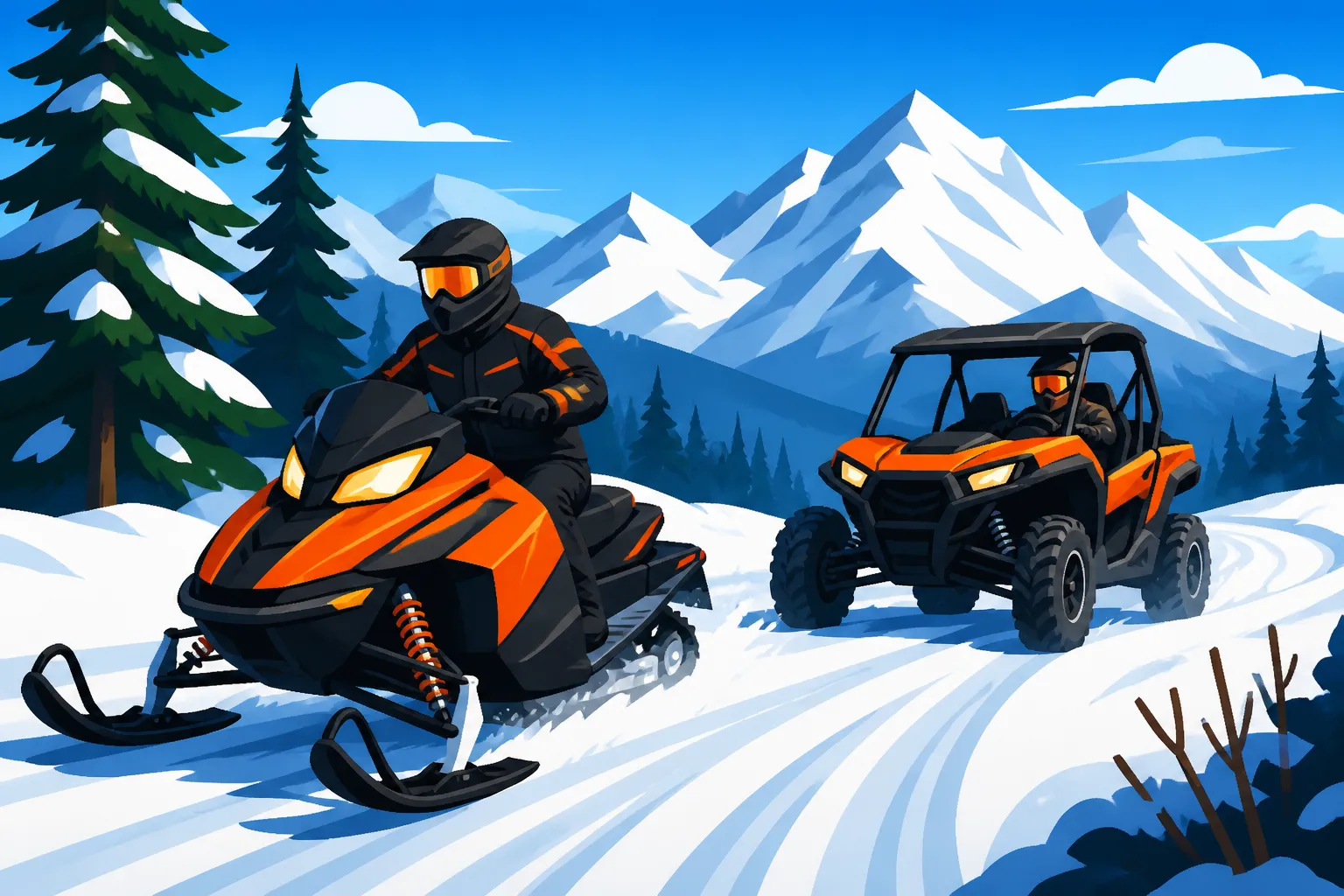
Alberta Riders on a Snowmobile Trail
It’s a common scenario for many of us who love exploring Alberta’s vast wilderness on our ATVs or UTVs: you’re looking at a trail map, or perhaps you’re out on a ride, and you spot what looks like a perfectly good path, only to realize it’s marked as a "snowmobile trail." Immediately, the question pops into your head: can I actually ride my quad or side-by-side on this? This can be a real head-scratcher, creating confusion and sometimes leading to unintentional violations. This guide will help you understand the rules around riding ATVs and UTVs on snowmobile trails in Alberta, ensuring you stay legal, safe, and respectful of other trail users.
The Core Conflict: ATVs and Snowmobile Trails in Alberta
Alberta is a wonderland for off-highway vehicle (OHV) enthusiasts, but with that comes a patchwork of rules designed to manage different types of recreation and protect our natural spaces. One of the most frequently misunderstood areas revolves around the use of snowmobile trails by ATVs and UTVs. It’s easy to assume that if it’s a trail, any OHV can use it, but that's often not the case.
Why Snowmobile Trails Are Often Exclusive
Snowmobile trails are not just paths in the snow; they are often meticulously groomed and maintained by dedicated snowmobile clubs and volunteers, specifically for snowmobile use. Think about it: a snowmobile glides over the snow on skis and a track, designed to minimize disruption to the groomed surface. An ATV or UTV, with its heavier weight and knobby tires, operates very differently.
When an ATV or UTV rides on a groomed snowmobile trail, especially one that isn't fully frozen or has thinner snowpack, the tires can easily churn up the snow, create ruts, and damage the delicate grooming. This isn't just an aesthetic issue; it can make the trail unsafe and significantly less enjoyable for snowmobilers. The ruts can become hazards, and the hard work of the grooming volunteers is undone in a matter of minutes. These clubs often invest countless hours and significant funds into maintaining these trails, sometimes through grants or memberships specifically for snowmobile recreation.
Legal Implications of Unauthorized Use
Riding an ATV or UTV on a designated snowmobile-only trail without explicit permission or designation can lead to some pretty hefty consequences. We’re talking about more than just a slap on the wrist. Provincial regulations and local bylaws often specifically restrict such activity, and enforcement officers do patrol these areas.
You could face significant fines, and in some serious cases, your machine could even be impounded or seized. Imagine your fun day out suddenly ending with your quad being towed away and a costly ticket in hand. It’s a frustrating situation that no one wants to find themselves in, especially when it could have been avoided with a little research. The financial implications, including potential towing and impound fees on top of the actual fine, can really add up. Remember, ignorance of the law is generally not a valid defense. Riders are responsible for knowing where they can and cannot ride. If you're concerned about other potential penalties, it's worth understanding topics like [Alberta Penalties for Riding Unregistered] or even the possibility of [Alberta Vehicle Seizure for No Insurance] if other compliance issues are present.
Impact on Trail Organizations and Funding
The networks of snowmobile trails across Alberta exist largely due to the tireless efforts of local snowmobile clubs and their provincial associations. These groups often secure funding, permits, and volunteer hours based on the understanding that the trails are for snowmobile use. When ATVs and UTVs cause damage or conflict, it can jeopardize these relationships and funding sources.
Damage to groomed trails can lead to complaints from snowmobilers, erode public support for multi-use trails, and make it harder for clubs to justify their existence and secure future grants. These organizations are vital for maintaining access to the backcountry, and respecting their designated trails helps ensure they can continue their work for all winter enthusiasts. It’s about being a good neighbour in the OHV community and recognizing that different machines have different needs and impacts on the terrain.
When ATVs Might Share a Path: Multi-Use Trails and Exceptions
While many snowmobile trails are exclusive, it's not a blanket ban across the entire province. There are specific circumstances and designated areas where ATVs, UTVs, and snowmobiles can coexist, either seasonally or year-round. The key is knowing the difference and always verifying the rules for the specific trail you intend to ride.
Designated Multi-Use Corridors
Some trails are explicitly designed and managed for multi-use, meaning they are open to various types of OHVs, including both ATVs/UTVs and snowmobiles, as well as sometimes even hikers, mountain bikers, or horseback riders. These trails are usually built and maintained to withstand the impact of different vehicles and user groups.
You'll find these multi-use corridors clearly marked with signage indicating which types of recreation are permitted. They are often part of larger trail systems within Public Land Use Zones (PLUZs) or specific recreation areas. These are the golden tickets for ATV/UTV riders looking to explore, but even here, respecting trail etiquette and understanding the unique challenges of sharing a trail with different users is paramount. Always keep an eye out for others, maintain safe speeds, and be prepared to yield. You can find more details on these shared spaces by looking into [Alberta's Public Land Use Zones Explained] and exploring the vast network of [Alberta OHV Trails: Riding Public Land].
Seasonal Considerations
The time of year can dramatically change a trail's permitted use. Many trails that are designated exclusively for snowmobiles during the winter months, when they are covered in snow and groomed, might open up to ATVs and UTVs during the warmer, snow-free seasons. Conversely, some trails might be ATV-friendly in summer but become snowmobile-only once the snow flies.
This seasonal shift is critical to understand. Just because you rode a trail on your quad in August doesn't mean it's open to you in January. The transition periods, often in spring during snowmelt or in late fall before the ground freezes solid, can also have their own restrictions to prevent damage to soft ground. Always check the current status of the trail or area before heading out. Information changes, and what was open last year might be closed this year.
Private Land and Permission
While most discussions about trail access focus on public lands, it's important to remember that private land exists, too. If a path that appears to be a "snowmobile trail" happens to cross private property, and you have explicit, written permission from the landowner to ride your ATV or UTV on it, then that's a different situation.
However, this is an exception, not the rule. You must have direct, verifiable permission. Without it, riding on private land is trespassing, regardless of whether it looks like a trail. This scenario is less about a formal "snowmobile trail" designation and more about private property access. Always remember, permission is king when it comes to riding on land you don't own. For any riding on public land, remember the need for registration, as highlighted in [Alberta Registration Before Riding Crown Land].
Understanding the Rules: Provincial Laws and Local Bylaws
Navigating the complexities of OHV access in Alberta requires understanding a multi-layered system of rules. It’s not just one big rulebook; it’s a combination of provincial legislation, local government bylaws, and specific land management policies. This can feel overwhelming, but a systematic approach to checking before you ride will save you a lot of grief.
The Traffic Safety Act and Off-Highway Vehicle Regulation
At the highest level, Alberta’s provincial legislation, primarily the Traffic Safety Act and the Off-Highway Vehicle Regulation (319/2002), sets the overarching framework for OHV operation. These acts define what an OHV is, outline basic requirements like registration and insurance (when on public land), and establish general principles for safe operation.
However, these provincial laws often grant authority to other bodies—like municipalities or specific land management agencies—to create more detailed rules for particular areas. So, while the provincial law might not explicitly say "no ATVs on snowmobile trails," it empowers local authorities to make those designations. It’s the foundational legal layer that everything else builds upon. To get a better grasp of the provincial requirements, read up on [What the Traffic Safety Act Requires of Alberta OHVs].
The Role of Municipal Bylaws and Land Managers
This is where things often get granular and location-specific. Counties, municipal districts, provincial parks, and Public Land Use Zones (PLUZs) each have the authority to establish their own bylaws, restrictions, or management plans for OHV use within their boundaries. These local rules are crucial. A snowmobile trail in one county might have a specific bylaw allowing ATVs during certain months, while an identical trail just across the county line might be strictly snowmobile-only year-round.
This is why "checking before you ride" is so important. You can often find these bylaws on the specific county or municipality's website. For provincial parks and PLUZs, Alberta Environment and Protected Areas (AEPA) will have detailed management plans and maps online. If you're struggling to find information for a specific area, contacting the local county office or the nearest Alberta Environment and Protected Areas office can provide clarity. This is particularly relevant when you're exploring areas where bylaw information is crucial, like what you'd find covered in [Alberta Bylaw Lookups Before You Ride].
Checking Trail Status and Maps
To avoid any confusion or accidental rule-breaking, always make it a habit to consult official sources for trail status and maps before you even load your machine onto the trailer. Here's how to go about it:
- Official Government Websites: Alberta Parks, Alberta Environment and Protected Areas (for PLUZs), and individual county websites are your primary sources. Look for sections on "OHV use," "trail maps," or "recreational access."
- AOHVA (Alberta Off-Highway Vehicle Association): This organization is a great resource for riders, often providing information on legal riding areas, trail closures, and advocacy efforts. They might also link to specific trail maps.
- Local Club Websites: Snowmobile clubs and ATV clubs often maintain websites with up-to-date trail conditions and permitted uses for their specific areas. They are the boots-on-the-ground experts.
- Georeferenced Maps: Tools like Avenza Maps (often used with official PLUZ maps) allow you to download maps to your phone and see your real-time location on the trail, even without cell service. This is invaluable for staying on designated routes. For more about this, check out [Alberta OHV Trail Map Downloads].
- Signage: Once you're on site, always pay attention to trailhead signage. These signs are the final word on what’s allowed on that particular trail at that specific time. If a sign says "Snowmobiles Only," respect it.
Remember, technology can be a great ally here. Before you lose cell signal deep in the backcountry, ensure you have downloaded maps and checked all relevant information.
Where ATVs Can Ride: Finding Legal Trails in Alberta
While the rules for snowmobile trails might seem restrictive, Alberta offers an incredible array of legal and thrilling places for ATV and UTV riders. The trick is knowing where to look and understanding the designated areas. You don’t need to risk fines or conflicts when there’s so much legal terrain to explore.
Public Land Use Zones (PLUZs) and Designated Trails
Public Land Use Zones, or PLUZs, are crown lands managed by the province for a variety of uses, including recreation. Many of Alberta's most popular OHV riding areas are located within these zones. PLUZs typically have designated trail networks specifically for ATVs and UTVs. These trails are maintained to handle OHV traffic and are usually well-marked.
Iconic examples include McLean Creek, located west of Calgary, which offers a vast network of trails for all skill levels, and the Ghost PLUZ, known for its rugged terrain and stunning mountain views. When riding in a PLUZ, it is absolutely essential to stick to the designated OHV trails. Going off-trail can lead to significant environmental damage, fines, and closures. These areas are carefully managed to balance recreation with conservation. For an in-depth look, check out [Alberta's Public Land Use Zones Explained] and specifically [McLean Creek: Alberta's Best Known OHV Area].
Forestry Roads, Cutlines, and Lease Roads
Beyond the formal PLUZ trail systems, many parts of Alberta's public land feature extensive networks of forestry roads, cutlines, and industrial lease roads. These are often used for logging, oil and gas exploration, or other industrial activities, but they can also be open to OHV use, providing excellent access for exploration.
When riding these types of routes, always be aware of active industrial operations. Heavy machinery has the right-of-way, and you must give them plenty of space. Roads can also be closed temporarily or permanently due to safety concerns, environmental protection, or active work. Always look for signage, respect closed gates, and be prepared for changing conditions. These roads offer incredible opportunities for long rides and remote access, but they require vigilance. You can explore more about these by checking out [Alberta Forestry Roads Worth Riding].
The Importance of a Responsible Riding Ethic
No matter where you choose to ride your ATV or UTV in Alberta, a responsible riding ethic is the most important piece of gear you can carry. This isn't just about following the rules; it's about being a good ambassador for the sport and ensuring these incredible opportunities remain open for future generations.
This means staying on marked trails, understanding and respecting seasonal closures, minimizing your environmental impact, and always packing out what you pack in. It also means ensuring your machine is properly equipped for the trail, including a spark arrestor to prevent wildfires (check [Alberta Requires a Spark Arrestor]), and that you and your passengers are wearing appropriate safety gear, like CSA-approved helmets (a good read is [Alberta Helmet Law on Public Land]). Investing in quality gear, perhaps even from brands like SuperATV, ensures your machine is ready for the rigours of designated trails, allowing you to focus on responsible riding. Whether it’s reinforcing your machine with sturdy components from SuperATV or ensuring you have proper recovery gear, being prepared means less impact on the environment and a safer ride for everyone involved.
Always ride within your limits, be considerate of other trail users (whether they're other OHV riders, hikers, or equestrians), and ensure your machine is well-maintained to prevent breakdowns that could lead to environmental issues or rescue operations. Our access to these amazing landscapes depends on all of us doing our part.
| Trail Type | Typical ATV/UTV Access | Typical Snowmobile Access | Key Action for Riders |
|---|---|---|---|
| Designated Snowmobile | Rarely, often illegal | Yes (winter) | Assume no ATV/UTV access unless explicitly stated. |
| Designated Multi-Use | Yes (seasonal/year-round) | Yes (seasonal/year-round) | Always check specific signage and current conditions. |
| Provincial Parks | Highly Restricted | Highly Restricted | Check park regulations; often no OHVs. |
| Public Land Use Zones | Yes (designated trails) | Yes (designated trails) | Consult PLUZ maps; stick to marked OHV trails. |
| Private Land | With permission only | With permission only | Always get explicit, written permission from landowner. |
Disclaimer
This article is for general informational purposes only and does not constitute professional advice. Laws, prices and regulations vary by location and change over time. Consult a qualified professional for guidance on your specific situation.