Alberta Rules for a 14-Year-Old Rider
It's incredibly common for families across Alberta to share the joy of off-highway vehicle (OHV) riding, and often, that includes younger members. However, letting a 14-year-old loose on a quad or side-by-side without understanding the specific rules can lead to serious legal headaches and safety risks. This guide will walk you through everything you need to know about Alberta's regulations concerning 14-year-old riders, from supervision requirements to where they can and cannot ride, ensuring everyone stays safe and compliant.
Understanding Alberta's Age Requirements for OHV Riders
When it comes to hitting the trails and enjoying Alberta's vast wilderness on an OHV, age isn't just a number; it's a critical factor dictated by law. Many parents assume that if their child is capable and experienced, they're good to go. However, Alberta's regulations are quite specific, particularly for riders under the age of 16, and there's a significant threshold that happens at 14 years old. This isn't about skill alone; it's about legal responsibility and ensuring a safe environment for everyone sharing public lands. Understanding these nuances is key to avoiding fines and ensuring your young rider can enjoy the sport responsibly.
The 14-Year-Old Threshold on Public Land
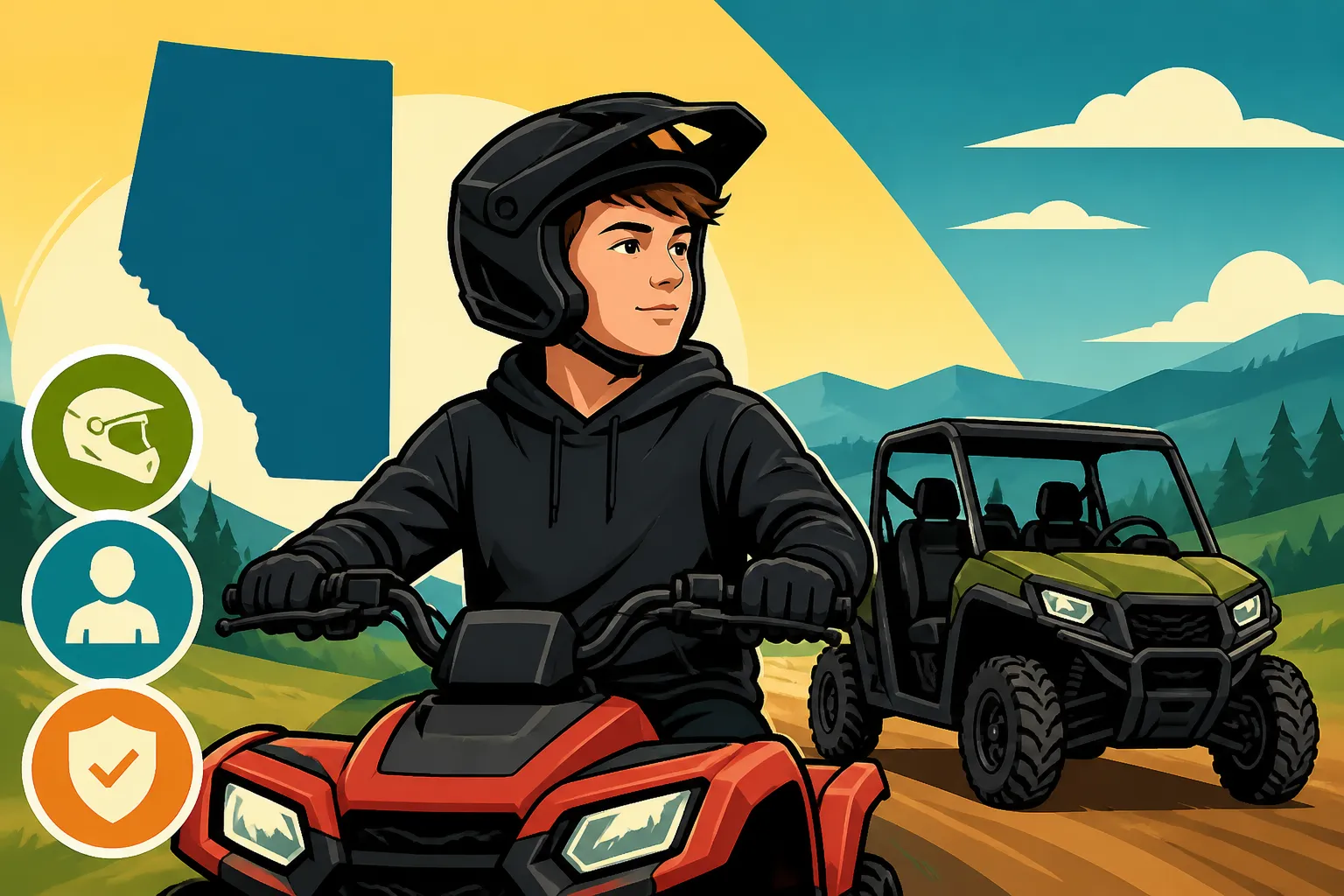
For many years, children of almost any age could ride an OHV on public land as long as an adult was present. However, the rules changed, and now, a 14-year-old rider in Alberta holds a very specific legal status. According to the Off-Highway Vehicle Regulation, a person must be at least 14 years old to operate an OHV on public land without direct adult supervision. This means that once a rider turns 14, they gain a certain level of independence on the trail, which isn't available to younger riders. It's a significant step, recognizing a level of maturity and capability, but it also comes with increased responsibilities. Before this age, a child must be under the "close supervision" of an adult, often meaning within eyesight or earshot, with the adult capable of intervening immediately.
It’s crucial to distinguish this from the rules for riding on private property, which we'll discuss shortly. On public land, whether it’s a designated Public Land Use Zone (PLUZ), Crown land, or even some forestry roads, the 14-year-old mark is what allows a degree of autonomy. This rule aims to balance the desire for recreation with safety, recognizing that while a 14-year-old might be physically adept, they might still lack the judgment or experience of an older rider when facing unforeseen circumstances on the trail. Getting familiar with [Alberta's Minimum Age of 14 on Public Land] is vital for any parent or guardian.
What "Public Land" Truly Means
The term "public land" in Alberta can be broader than many people realize, and understanding its definition is critical for a 14-year-old rider. It doesn't just mean designated OHV trails in a PLUZ like McLean Creek; it encompasses vast areas of Crown land, forestry trunk roads, municipal roads (unless a bylaw explicitly opens them to OHVs), and even highway ditches. Yes, those ditches running alongside paved roads are legally considered part of the highway system and thus public land. This means that riding an OHV, even for a short distance, along a ditch or shoulder requires adherence to public land rules, including age restrictions and supervision. For instance, [Alberta Rules for Riding a Ditch] are not as straightforward as they might seem.
Many riders, especially those new to Alberta, often assume that if an area isn't fenced or signed "private," it must be fair game for uninhibited riding. This is a common misconception that can lead to tickets. Public land is generally anything not explicitly owned privately. This includes everything from the remote wilderness areas in the Eastern Slopes to the common agricultural ditches used for drainage. Even lease roads on Crown land, which might appear private, are often accessible to the public and thus fall under these regulations. It’s imperative to check local bylaws and land designations before heading out, as regulations can vary significantly depending on the specific county or municipality.
The Importance of Close Supervision
While a 14-year-old can ride without direct supervision on public land, this doesn't mean they can simply disappear into the wilderness for hours on end without any adult oversight. The law, while granting this autonomy, implicitly expects parents or guardians to ensure their young riders are competent and prepared. For riders under 14, however, "close supervision" is a non-negotiable requirement. This means the adult supervisor must be an adult (18 years or older) and capable of exercising control over the younger rider. This usually implies being within visual or audible range, ready to assist immediately if needed.
The rationale behind close supervision for younger riders is clear: they may lack the strength, judgment, or experience to handle sudden hazards, mechanical issues, or navigate challenging terrain safely. An adult supervisor is there to guide, instruct, and intervene. Even for a 14-year-old, while they can ride unsupervised, it's always a good idea for them to ride with more experienced individuals, especially in unfamiliar or challenging territory. Safety is paramount, and a 14-year-old might still benefit greatly from the wisdom and experience of an adult rider, even if not legally required to be directly supervised. Understanding [Alberta Adult Supervision at 18] is crucial for anyone taking a younger rider out.
Navigating Different Land Types and Supervision Needs
Alberta offers an incredible variety of terrain for OHV enthusiasts, from designated trails to vast stretches of private farmland. However, the rules for a 14-year-old rider can change dramatically depending on the type of land they're on. It's not a one-size-fits-all situation, and what might be perfectly legal on your own acreage could result in a hefty fine on Crown land or even a municipal ditch. Being informed about these distinctions is crucial not only for compliance but also for instilling a sense of responsibility in young riders. Ignorance of the law is rarely an excuse that holds up when facing an officer on the trail.
Riding on Private Property: Different Rules, Same Caution
When a 14-year-old is riding on private property, the provincial OHV regulations regarding age and supervision generally don't apply in the same way they do on public land. On your own land, or land where you have explicit permission from the landowner, the decision of whether a 14-year-old can ride an OHV and under what supervision rests largely with the owner or responsible adult. This offers more flexibility, allowing parents to introduce their children to riding at a younger age or let them practice more independently, provided the landowner agrees.
However, "different rules" doesn't mean "no rules" or "no risk." Safety should still be the absolute priority. Even on private land, accidents can happen, and ensuring the rider has appropriate safety gear, a machine suitable for their size and skill, and proper instruction is vital. Many parents introduce their children to riding on private land precisely because it allows for a controlled environment to learn before venturing onto public trails. It's also important to remember that if the private property is accessible to the public (e.g., an unfenced field near a public road), an officer might still have cause to enforce public land rules, so clarity on boundaries and permission is always best. Don't forget, even on private land, common sense dictates the use of a helmet; familiarize yourself with [Alberta Private Property Helmet Exemption] to understand the nuances.
Roads, Ditches, and Designated OHV Zones
This is where things can get particularly tricky for 14-year-old riders. As mentioned, highway ditches are legally considered part of the "highway" system, and therefore, riding in them falls under specific rules. While a 14-year-old can ride an OHV on public land without direct supervision, using ditches or crossing public roads is often restricted further, especially if there isn't a local bylaw specifically allowing it. Many municipalities have very strict rules, or outright bans, on OHVs operating on roads, streets, alleys, or even ditches within their boundaries. Even crossing a road often requires specific conditions to be met, like coming to a complete stop and crossing at a 90-degree angle. Check your local bylaws or refer to [Alberta ATV Road Rules: Bylaws Decide] for more details.
Designated OHV zones, like sections of McLean Creek or the Ghost PLUZ, are generally where 14-year-olds can ride with the most freedom on public land, as these areas are specifically managed for OHV recreation. However, even within these zones, there might be specific trails or areas designated for certain machine types or skill levels. Always consult a current trail map for the area you plan to ride. Remember, just because an area is a designated OHV zone doesn't automatically mean all typical road rules are suspended for other types of vehicles. You're still sharing the landscape, and courtesy and awareness of other users, including hikers, equestrians, and wildlife, are always expected. Knowing [Alberta Rules for Riding a Ditch] is crucial before you accidentally put a wheel where it shouldn't be.
Who Qualifies as an Adult Supervisor?
When supervision is required for a rider under 14 (or desired for a 14-year-old), the question of who qualifies as an adult supervisor is important. In Alberta, an adult supervisor must be at least 18 years of age. They must also be capable of exercising control over the young rider. This isn't just about being in the same general area; it implies active oversight and the ability to intervene immediately if the young rider encounters difficulty or danger. The supervisor should be close enough to communicate, observe, and respond effectively.
This means a supervisor shouldn't be miles away, or even just in a distant campsite while the child rides around. They should be actively participating in the ride or observing closely. It's a role that carries significant responsibility, as the supervisor is ultimately accountable for the young rider's compliance with the law and their safety. This often means the adult is also riding an OHV, leading the way, or riding behind, maintaining a close proximity. It's important for the adult to also be familiar with the machine and the terrain, setting a good example for the young rider in terms of safe and responsible operation. For more details on what counts as supervision, see [Alberta Rules for a Supervising Adult].
Essential Gear and Machine Considerations for Young Riders
Beyond the legal age and supervision requirements, ensuring a 14-year-old rider has the right gear and a properly suited machine is paramount for their safety and enjoyment. It's not enough to simply have an OHV; it needs to be appropriate for the rider's size, skill level, and the terrain they'll be tackling. Cutting corners on safety equipment or allowing a young rider to operate an oversized or poorly maintained machine is an invitation for trouble. Investing in the right equipment and maintaining the OHV correctly are responsibilities every OHV owner and parent should take seriously.
Mandatory Helmets and Other Safety Equipment
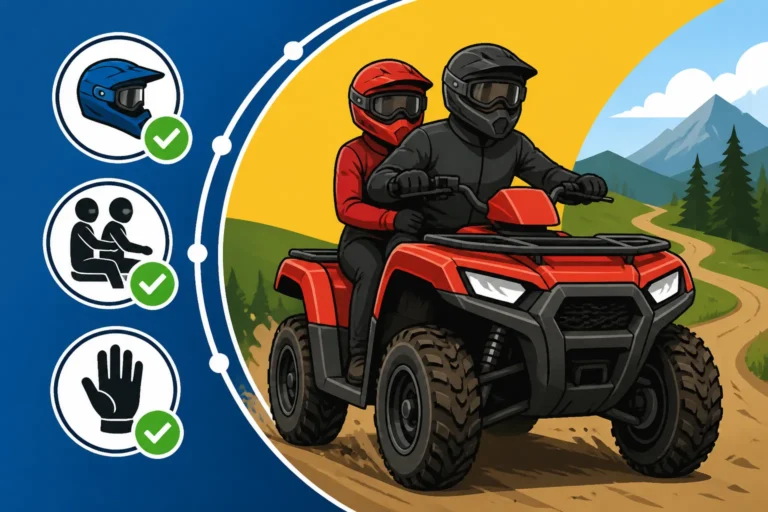
Alberta law is very clear: anyone operating or riding as a passenger on an OHV on public land must wear a helmet. This applies equally to a 14-year-old rider. The helmet must meet specific safety standards, such as CSA, Snell, or ECE. A proper helmet can literally be a lifesaver, protecting against head injuries in the event of a fall or collision. Always ensure the helmet fits snugly, is in good condition, and is properly fastened. Don't cheap out on this most critical piece of gear; your child's brain is worth the investment. For more on the specifics, check out [Alberta CSA Helmet Standards].
Beyond the helmet, other safety equipment is highly recommended, even if not explicitly mandated by law. This includes eye protection (goggles or a visor), sturdy over-the-ankle boots, long pants, a long-sleeved shirt or jacket, and gloves. These items protect against flying debris, scrapes, cuts, and minor impacts, and can prevent more serious injuries. For example, a good pair of riding gloves can prevent blisters and improve grip, while robust boots can protect feet from engine heat, sharp objects, and impacts. Think of it as a full system of protection, not just individual pieces.
Here's a quick reference table for mandatory and highly recommended gear:
| Gear Item | Status on Public Land (Alberta) | Importance |
|---|---|---|
| Helmet | Mandatory | Critical for head injury prevention. Must meet CSA/Snell/ECE standards. |
| Eye Protection | Highly Recommended | Protects from dust, debris, branches, and insects. |
| Gloves | Highly Recommended | Prevents blisters, improves grip, protects hands from minor impacts. |
| Long Pants | Highly Recommended | Protects legs from scrapes, burns, and debris. |
| Long-Sleeved Shirt/Jacket | Highly Recommended | Protects arms from sun, branches, and abrasions. |
| Over-the-Ankle Boots | Highly Recommended | Protects feet and ankles from impacts, heat, and sharp objects. |
| Spark Arrestor | Mandatory (Machine) | Prevents wildfires caused by exhaust sparks. |
| Working Lights | Mandatory (Night/Low Visibility) | Ensures visibility to others and illuminates the path. |
Matching the Machine to the Rider's Age and Skill
While a 14-year-old might feel ready for the biggest, fastest machine out there, it's crucial for parents to ensure the OHV is appropriate for their size, strength, and experience level. Manufacturers typically provide age recommendations for their machines, and these guidelines are there for a reason. Putting a small 14-year-old on a powerful utility quad designed for adults can be incredibly dangerous. They might not have the physical strength to control it in a tricky situation, or the reach to comfortably operate the controls.
Consider the machine's engine size, weight, and overall dimensions. A smaller, lighter machine is often more forgiving and easier for a young rider to manage. As their skills and confidence grow, they can gradually move up to more powerful models. It's also important to ensure the machine is well-maintained, with working brakes, proper tire pressure, and no hidden mechanical issues. For those looking to customize their machines for safety or performance, brands like SuperATV offer a range of aftermarket accessories like skid plates, winches, or roll cages that can enhance the riding experience, but always ensure any modifications are done responsibly and don't compromise the machine's safety for a young rider. Checking [Manufacturer Age Guidance on Youth Machines] can give you a better idea of what is suitable.
Why a Spark Arrestor and Proper Exhaust are Non-Negotiable
Two critical components often overlooked by new riders, but essential for both legal compliance and environmental safety, are a spark arrestor and a proper exhaust system. For any OHV operating on public land in Alberta, a working spark arrestor is mandatory. This device, usually integrated into the muffler, prevents hot carbon particles from escaping the exhaust and potentially igniting dry grass, leaves, or other flammable materials, thereby preventing devastating wildfires. An officer can and will check for this, and riding without one can lead to a ticket and is incredibly irresponsible in Alberta's often dry landscapes. Understanding [Alberta Requires a Spark Arrestor] is not just about avoiding a fine; it's about protecting the environment.
Similarly, Alberta has regulations regarding OHV exhaust noise. Modified or excessively loud exhaust systems are generally prohibited on public land. These regulations are in place to reduce noise pollution, minimize disturbance to wildlife, and ensure a more pleasant experience for all users of public lands, including nearby residents. While a loud exhaust might sound "cool" to some, it can lead to noise complaints, fines, and contribute to a negative perception of OHV riders. Ensuring your 14-year-old's machine has a stock or compliant aftermarket exhaust system is vital. Products from companies like SuperATV might include exhaust components, but always verify they meet local noise regulations. It’s an easy check that can save a lot of grief, and learning [What Counts as a Modified Exhaust on Public Land] can keep you out of trouble.
Potential Consequences for Non-Compliance
Ignoring Alberta's OHV regulations, especially those concerning underage riders, isn't just a minor oversight; it can lead to a cascade of serious consequences. These aren't just theoretical possibilities; law enforcement actively patrols public lands and designated OHV zones to ensure compliance. The fines and penalties are designed to deter unsafe and illegal practices, and they can have a significant impact on your wallet and even your ability to enjoy OHV riding in the future. Educating your 14-year-old, and yourself, on these potential outcomes is as important as knowing the rules themselves.
Tickets, Fines, and Vehicle Seizure Risks
The most immediate consequence of non-compliance is receiving a ticket and an associated fine. For example, if a 14-year-old is caught riding on public land without a helmet, or if a younger child is riding without close adult supervision, the responsible adult (or the rider, if 14 and deemed responsible for their own actions in some contexts) could face a substantial penalty. These fines can quickly add up, turning an enjoyable day out into an expensive mistake. Depending on the severity of the infraction, a simple ticket could be just the beginning.
In more serious cases, especially repeat offenses or dangerous driving, an officer has the authority to seize the OHV. This means your machine could be impounded, and you would be responsible for towing fees, storage fees, and any associated fines before you could get it back – if you get it back at all. Imagine having your prized quad towed away from a staging area, leaving you stranded and with a significant bill to retrieve it. This isn't just inconvenient; it's a harsh lesson in the importance of adherence to the law. Always be prepared to show [Alberta Proof of Insurance on Demand] as a minimum. For more information on what vehicle seizure entails, refer to [Alberta Vehicle Seizure for No Insurance].
The Long-Term Impact of Violations
Beyond immediate fines and potential seizure, OHV violations can have longer-term repercussions. While many OHV infractions might not directly impact your standard driver's license, accumulating a history of violations can lead to increased scrutiny from law enforcement. It can also affect future insurance rates, as insurance companies assess risk based on your history. A record of unsafe riding or non-compliance could make it harder or more expensive to insure your OHV in the future.
Furthermore, repeated or egregious violations can contribute to a negative public perception of OHV riders as a whole. When rules are consistently broken, it gives ammunition to those who advocate for stricter regulations, trail closures, or even outright bans on OHV use in certain areas. Every rider has a responsibility to act as an ambassador for the sport, and that includes ensuring young riders understand the importance of following the rules. Teaching a 14-year-old responsible riding habits and strict adherence to regulations helps protect the future of OHV recreation for everyone.
Educating Yourself and Your Young Rider
The best way to avoid these consequences is through proactive education. As a parent or guardian, take the time to thoroughly understand all of Alberta's OHV regulations, not just those pertaining to age. Read the Off-Highway Vehicle Regulation and any local bylaws that apply to your intended riding areas. Resources are available from Alberta Environment and Protected Areas, local municipal offices, and online. You can also contact registry agents; they often answer [Alberta Registration Questions Agents Hear].
Then, take the time to sit down with your 14-year-old rider and explain the rules clearly. Don't just tell them what they can't do; explain why these rules are in place – for their safety, the safety of others, and the preservation of the environment. Lead by example by always wearing appropriate gear, operating your own machine responsibly, and respecting trail etiquette. Consider enrolling your young rider in an OHV safety course. Organizations like the Canada Safety Council offer courses designed for youth that teach safe operation, hazard awareness, and responsible riding practices. While not mandatory in Alberta, these courses can significantly enhance a young rider's skills and understanding, fostering a lifelong habit of safe and responsible OHV use. Finding a course like [Alberta Youth Rider Courses] can provide invaluable hands-on learning.
Disclaimer
This article is for general informational purposes only and does not constitute professional advice. Laws, prices and regulations vary by location and change over time. Consult a qualified professional for guidance on your specific situation.