When a Turban Replaces a Helmet Under Alberta Law
There's often a lot of confusion buzzing around Alberta's off-highway vehicle (OHV) laws, and few topics spark as much discussion as helmet requirements, especially when it comes to religious exemptions. Many riders, particularly those new to the trails or visiting our beautiful province, wonder if there are any circumstances where they don't have to wear a helmet. This guide is here to clear the air, specifically addressing the legal provisions for turban wearers under Alberta's OHV helmet law, so you can ride with confidence and clarity.
Understanding Alberta's Off-Highway Vehicle Helmet Law
Before we dive into the specifics of any exemptions, it's crucial to grasp the foundational rule for OHV use in Alberta. It’s not just a suggestion; it’s a non-negotiable aspect of safe riding.
The General Rule: Mandatory Helmets on Public Land
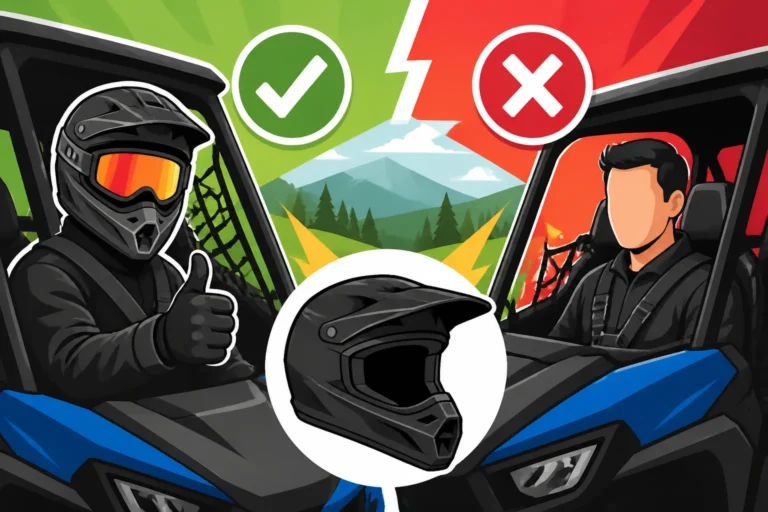
Back in May 2017, Alberta significantly enhanced its OHV safety regulations by making helmets mandatory for most riders on public land. This change came about because, sadly, a disproportionate number of serious injuries and fatalities on quads, side-by-sides, and dirt bikes involved riders who weren't wearing helmets. The intent was simple: to protect riders and reduce preventable head injuries. Whether you're cruising on a quad, navigating a side-by-side, or tearing it up on a dirt bike, if you're on public land, a helmet is generally a requirement for your own safety and for compliance with the law.
This rule applies to nearly everyone, regardless of age or experience level. It's about protecting your most vital asset – your brain – from the unexpected tumbles, collisions, or impacts with low-hanging branches that are an inherent part of off-roading. The province implemented this with a clear vision: safer trails for everyone. You can learn more about the broader requirements in [Alberta Helmet Law on Public Land] and [Alberta ATV Helmet Law Explained].
What "Public Land" Means for ATV Riders
When the law talks about "public land," it's not just referring to vast, remote wilderness areas. The definition is quite broad and includes a surprising number of places where you might ride your OHV. This means most designated OHV trails, Public Land Use Zones (PLUZs) like McLean Creek or the Ghost, forestry roads, and even highway ditches are generally considered public land under the Traffic Safety Act. For many riders, this covers the vast majority of their outdoor adventures.
Understanding this definition is key because the helmet rules, and indeed most other OHV regulations, apply specifically to public land. If you're riding exclusively on private property with the landowner's permission – say, on your own farm or a friend's acreage – the provincial helmet law typically doesn't apply. However, that doesn't mean safety should take a backseat. The risks are just as real, and responsible riders will always prioritize their well-being, regardless of legal mandates. Always check [Alberta OHV Trails: Riding Public Land] to understand where you can ride.
The Legal Framework of the Turban Exemption
While the general rule for helmet use is quite clear, Alberta’s legal framework also makes provisions for certain religious accommodations. It’s an important aspect of a diverse society and reflects a commitment to religious freedom.
Who Qualifies for the Exemption
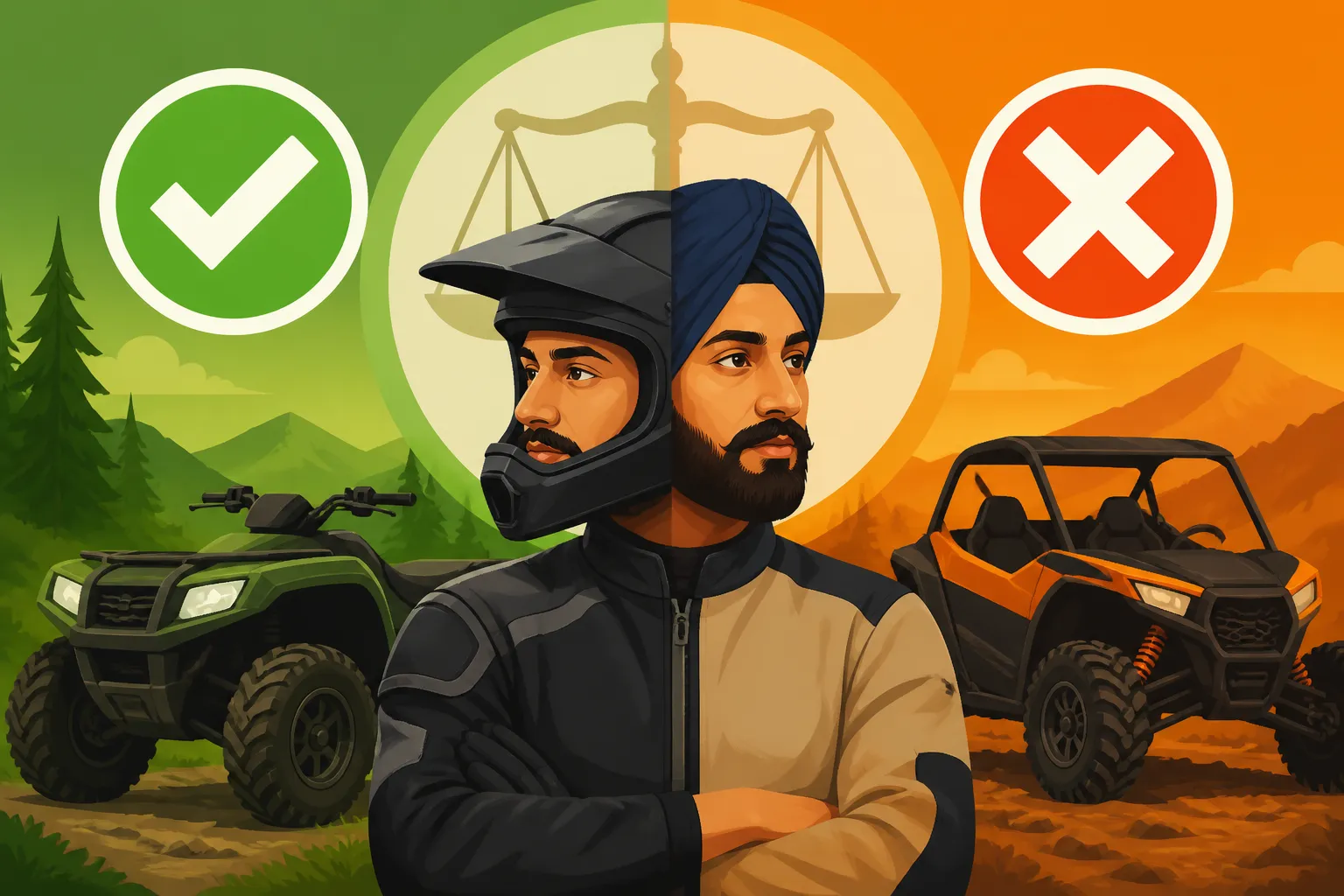
The exemption for wearing a turban instead of a helmet is specifically for individuals who, due to their religious beliefs, are required to wear a turban. In Alberta, this primarily applies to Sikh riders. The turban, or "dastar," is an integral part of the Sikh identity and faith, representing honour, self-respect, spirituality, and equality. For devout Sikhs, wearing a turban is a mandatory article of faith, not merely a head covering.
This exemption is not a general waiver for anyone who simply prefers not to wear a helmet. It's a precise legal accommodation for a deeply held religious practice. Law enforcement officers are generally aware of this specific exemption and understand its context. This means that if you are a Sikh rider on public land and are wearing a turban as required by your faith, you are legally exempt from the helmet requirement. [Alberta Turban Exemption for Sikh Riders] provides more context on this specific provision.
Legal Basis and Intent
The provision for the turban exemption is rooted in Alberta's commitment to religious freedom, balancing public safety concerns with fundamental human rights. While the Off-Highway Vehicle Regulation 319/2002 generally mandates helmets, the Traffic Safety Act – the overarching legislation – provides for exemptions where adherence to religious belief makes compliance with safety equipment requirements impossible or unreasonable. This is a thoughtful recognition that for some, their religious attire is not optional and must be accommodated.
The intent behind this exemption is not to diminish safety but to ensure that individuals can practice their faith without undue legal burden while participating in activities like OHV riding. It acknowledges that enforcing a helmet rule universally would infringe on deeply held religious beliefs for a segment of the population. This isn't unique to Alberta; similar exemptions exist in other jurisdictions for various activities, showcasing a broader legal principle of religious accommodation. You can look into [What the Traffic Safety Act Requires of Alberta OHVs] for more details on the broader legal context.
Practical Considerations for Riders with the Exemption
For Sikh riders who are legally exempt from wearing a helmet due to their turban, it’s still paramount to prioritize safety in all other aspects of riding. While the law accommodates your religious practice, it doesn't change the physics of an accident. An impact to the head can still be devastating. Therefore, while you may not wear a helmet, it becomes even more crucial to ensure you are protected in every other way possible.
This includes wearing robust eye protection like goggles to shield your eyes from dust, debris, branches, and insects, which can cause significant injury or impair vision. High-quality gloves are essential for grip and protecting your hands in a fall. Durable riding jackets, long pants, and sturdy over-the-ankle boots are also critical to guard against scrapes, abrasions, and fractures. Think of it as a comprehensive approach to personal protection. While a turban may exempt you from a helmet, it certainly doesn't exempt you from the need for quality eye protection or durable gloves. Brands like SuperATV offer a wide range of accessories that enhance safety and comfort on the trail, from protective eyewear to robust riding gear, ensuring you're as protected as possible.
| Safety Item | Purpose | Benefit for Turban-Exempt Rider |
|---|---|---|
| Goggles / Eye Protection | Shields eyes from dust, debris, insects, branches, UV rays. | Prevents vision impairment and injury to a vulnerable area. |
| Durable Gloves | Improves grip, protects hands from abrasions and impacts. | Essential for control and preventing hand injuries in falls. |
| Sturdy Footwear (Boots) | Ankle support, protects feet from impacts and crushing. | Guards against common foot and ankle injuries. |
| Long Pants & Sleeves | Protects skin from scrapes, sun, and minor impacts. | Reduces cuts, burns, and abrasions during a slide or fall. |
| Chest Protector (Optional) | Guards torso from handlebar impacts or debris. | Adds an extra layer of protection to vital organs. |
| Hydration Pack | Keeps you hydrated during long rides. | Prevents fatigue, improving reaction time and safety. |
Beyond the Helmet: Other Critical Safety Gear
Even with a helmet exemption, the inherent risks of off-roading remain. Focusing solely on the helmet debate can sometimes distract from the broader picture of OHV safety.
Why Other Protective Gear Remains Crucial
Off-roading involves dynamic terrain, varying speeds, and the unpredictable nature of the outdoors. Rollovers can happen, impacts with trees or rocks are possible, and even flying debris from other machines or the trail itself poses a threat. While a helmet is designed to protect against head trauma, a host of other injuries can occur, from broken bones and sprains to severe lacerations and internal injuries. Therefore, a full complement of protective gear is not just a good idea; it's a responsible riding practice that can dramatically reduce the severity of injuries in an accident.
Think about a sudden stop, an unexpected dive into a mud bog, or even just a long, dusty ride. Without proper eye protection, your vision could be compromised by dust or a bug, leading to an accident. Without gloves, your hands might slip from the handlebars, or get scraped in a minor fall. Each piece of gear plays a vital role in creating a protective shell around your body, mitigating risks that are always present on the trail. This holistic approach to safety is what truly keeps you enjoying your adventures.
Essential Accessories for Rider Protection
Beyond the basic apparel, several accessories can significantly boost your safety and comfort. For ATV riders, a good set of handguards can protect against branches and cold, while a properly mounted first-aid kit is always a smart addition. For side-by-side (UTV) riders, the safety game changes slightly but remains equally critical. While UTVs often come with rollover protection structures (ROPS) and seatbelts, additional measures can be taken.
Consider adding a full windshield or robust half-windshield to protect against dust, mud, and debris. Doors or nets can keep limbs inside the vehicle during a jostle or rollover. Even simple things like side mirrors can improve situational awareness and help prevent collisions. For UTV riders, adding a full windshield or side enclosures can offer significant protection from trail debris, and SuperATV is a well-known name in that aftermarket space, offering robust options that integrate seamlessly with many popular models. Even with the turban exemption, a good set of goggles is non-negotiable, protecting your eyes from dust, branches, and insects.
Maintaining Your Machine for Safety
Your personal protective equipment is only one half of the safety equation; the other half is a well-maintained machine. A quad or side-by-side in good working order is inherently safer to ride. This means regularly checking your brakes for proper function, ensuring your tires are inflated to the correct pressure and have adequate tread, and verifying that all lights—headlights, tail lights, and brake lights—are operational. [Alberta Requires Working Head and Tail Lights] outlines these requirements.
Furthermore, ensure your machine is equipped with a properly functioning spark arrestor to prevent wildfires – a critical requirement on public land. [Alberta Requires a Spark Arrestor] details this often-overlooked safety device. Regular fluid checks, chain lubrication (for ATVs), and ensuring all controls operate smoothly are also part of a comprehensive safety routine. A machine that runs flawlessly is less likely to surprise you with a mechanical failure at an inconvenient, or dangerous, moment on the trail.
Riding Responsibly and Respecting the Law
Even with an exemption, operating an OHV comes with significant responsibilities, both legally and ethically. Understanding the spirit of the law and adhering to all other regulations is paramount for every rider.
Understanding the Spirit of the Law
The turban exemption isn't a loophole or an invitation to be less careful; it's a recognition of religious freedom. The spirit of the law acknowledges that for certain individuals, their faith dictates an attire that precludes helmet use. However, this accommodation places an even greater onus on the rider to be exceptionally cautious and to adopt other safety measures. It's about respecting both the law and the inherent risks of riding.
This means riding within your skill level, adhering to posted speed limits, being aware of trail conditions, and never riding while impaired. It also means setting a positive example for other riders, demonstrating that safety is a mindset that extends far beyond just wearing a helmet. Responsible riding fosters a better reputation for the OHV community as a whole and helps ensure continued access to Alberta’s amazing trails.
What an Officer Might Check For
If you are stopped by a peace officer while riding your OHV, even with a valid turban exemption, they will still conduct routine checks. They are not there to question your religious beliefs, but rather to ensure you are complying with all other aspects of the Off-Highway Vehicle Regulation and the Traffic Safety Act. They might confirm you are indeed wearing a turban, but their primary focus will shift to other mandatory items.
Expect them to ask for your OHV registration and proof of insurance. [Alberta Proof of Insurance on Demand] clearly states this requirement, and you must be able to produce it upon request. They will also check your machine for required equipment, such as a spark arrestor and working lights. [Producing Insurance on Demand] and [Does Your Quad Need a Spark Arrestor in Alberta?] offer further details. Being polite, cooperative, and having all your paperwork in order will ensure a smooth interaction and allow you to get back to enjoying your ride quickly.
Local Bylaws and Designated Riding Areas
While provincial law outlines the turban exemption, it’s vital to remember that local municipalities and specific designated riding areas can have their own set of rules and bylaws. For instance, some communities might have specific noise restrictions, or rules about where and when OHVs can be operated on local roads or within town limits. [Alberta ATV Road Rules: Bylaws Decide] highlights how localities can set their own regulations.
Always do your homework before heading out. Check the bylaws for the specific county or municipality you plan to ride in, and look up the regulations for any designated Public Land Use Zones. These rules are put in place for safety, environmental protection, and to ensure harmonious coexistence between OHV riders and other land users. A little research upfront can save you from unexpected fines or a ruined trip. [Alberta Bylaw Lookups Before You Ride] can be a valuable resource to help you find this information.
Disclaimer
This article is for general informational purposes only and does not constitute professional advice. Laws, prices and regulations vary by location and change over time. Consult a qualified professional for guidance on your specific situation.