Alberta Riders Under 14 Need Supervision
It's a common sight across Alberta's vast public lands: families out enjoying off-highway vehicles (OHVs) together. But if you have younger riders in your group, navigating the specific rules around their participation can feel like trying to find your way through a new trail without a map. There’s often confusion about what age is allowed to ride, and more importantly, what "supervision" actually means in the eyes of the law. This guide aims to clear up those uncertainties, giving you a clear picture of what's expected to keep your young riders safe and compliant with Alberta's OHV regulations.
The Legal Foundation: Why Supervision Isn't Optional for Young Riders
Riding an off-highway vehicle is an exhilarating experience, offering a fantastic way to explore Alberta's incredible landscapes. However, with that freedom comes responsibility, especially when it involves children. Alberta's laws are designed to protect young riders, recognizing that they may not possess the same judgment, strength, or coordination as adults. This isn't just about avoiding fines; it's fundamentally about preventing serious accidents. The rules are pretty clear: if your rider is under 14 years old, an adult needs to be actively involved in their riding experience.
Understanding Alberta's Age Restrictions for OHV Operation
The primary piece of legislation governing off-highway vehicles in Alberta is the Traffic Safety Act and the Off-Highway Vehicle Regulation (319/2002). These documents lay out the framework for who can operate an OHV and under what conditions. For young riders, the key age is 14. An individual needs to be 14 years of age or older to operate an OHV on public land without direct adult supervision. Below this age, the law mandates supervision to ensure their safety and the safety of others.
It’s not just a blanket rule; the intent is to ensure that a responsible adult is present to guide, instruct, and intervene if necessary. This distinction is crucial, as simply being near a young rider isn't enough to meet the legal definition of supervision. For anyone wondering, [Alberta ATV Age Requirements] provides a comprehensive look at these stipulations. The law aims to create a safety net for those who are still developing the skills and maturity required for independent OHV operation, minimizing risks on trails and designated riding areas.
Defining "Supervision" Under Alberta Law
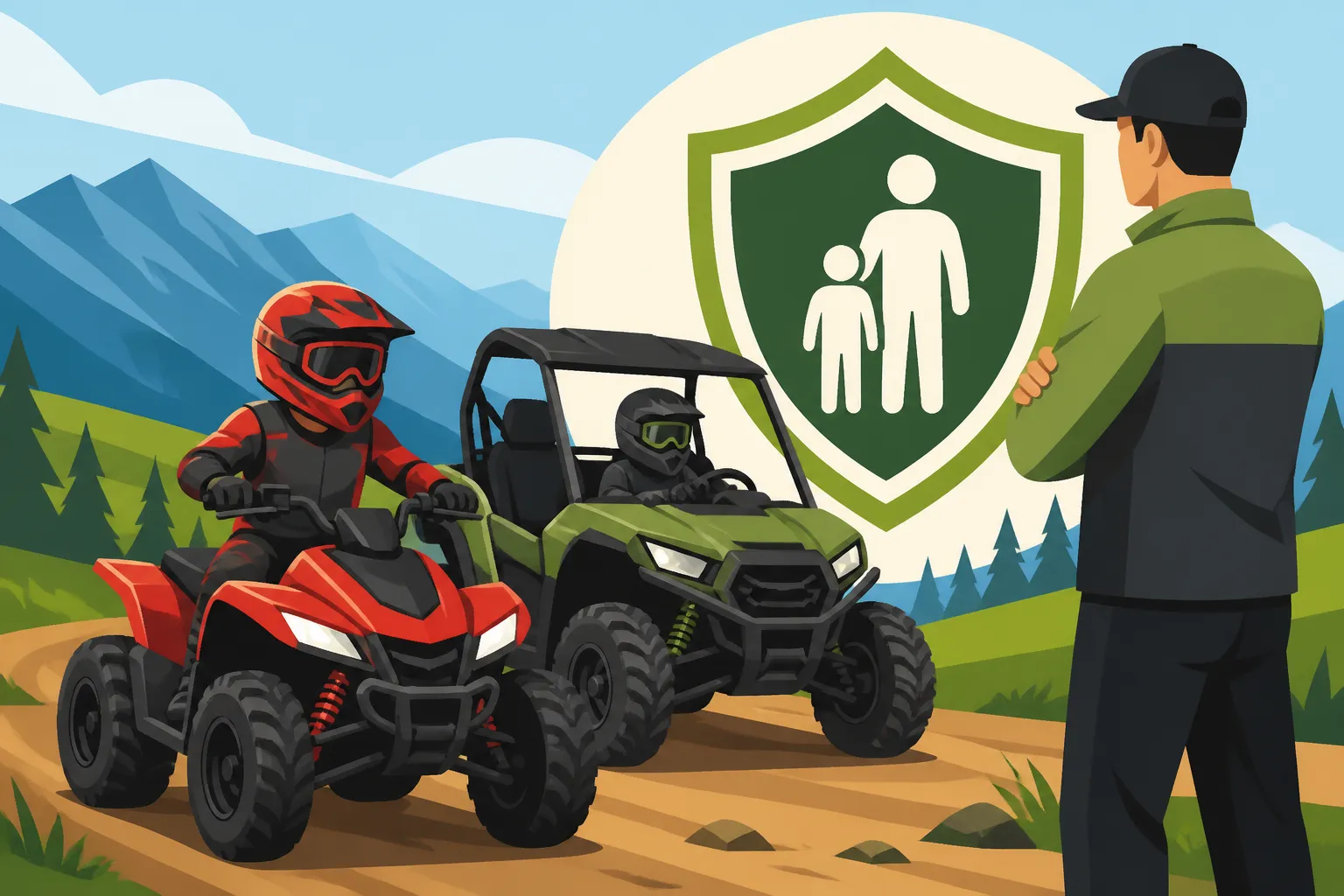
This is where many people get tripped up. The law doesn't just say "an adult must be present." It specifies "close supervision by a person 18 years of age or older." What exactly does "close supervision" entail? It means the adult supervisor must be readily available to provide immediate guidance and control. They should be able to see the young rider at all times and be close enough to communicate instructions or intervene physically if a hazardous situation arises. This isn't just about sharing the same general riding area; it's about active oversight.
Think of it like teaching someone to swim – you wouldn't stand on the other side of the pool while a beginner splashes around. You'd be right there, within arm's reach, ready to help. The same principle applies here. The supervising adult must be capable of reaching the young rider quickly, whether that means riding directly behind them, alongside them, or dismounting their own machine to attend to the child. This active engagement is vital for preventing accidents and addressing any issues the young rider might face. The definition is stringent because the risks involved with OHVs can be significant, especially for those still learning the ropes.
The Role of the Supervising Adult
Being a supervising adult isn't just about being 18 years old and present; it comes with significant responsibilities. The adult is accountable for ensuring the young rider understands and follows all safety rules, operates their machine appropriately for their skill level, and adheres to the [Alberta OHV Rules for a 12-Year-Old Rider] or [Alberta Rules for a 14-Year-Old Rider], depending on their age. This means the adult should be knowledgeable about OHV operation, safety protocols, and the specific terrain they are riding. They should also set a good example by wearing appropriate safety gear and demonstrating responsible riding habits.
Moreover, the supervising adult is responsible for assessing the young rider's capabilities and ensuring the machine they are operating is appropriate for their size and skill. Many manufacturers, including those making aftermarket parts like SuperATV, provide guidelines on age and size appropriateness for their machines. The adult needs to be prepared to halt the ride, offer coaching, or even take control of the situation if the young rider is struggling or facing a dangerous scenario. It's a proactive role, not a passive one, requiring constant awareness and readiness to act. This level of oversight ensures that the riding experience remains safe and positive for everyone involved.
Practical Implications of Riding Under 14 on Alberta's Public Lands
Understanding the legal definitions is one thing, but applying them in the real world of Alberta's diverse public lands can present unique challenges. From vast Public Land Use Zones (PLUZ) like McLean Creek to quieter regional trails, the practicalities of supervising a young rider demand thoughtful preparation and constant vigilance. It’s not just about knowing the rules, but about living them out on the trail.
Where the Rules Apply: Public Land vs. Private Property
A crucial distinction to grasp is where these supervision rules actually apply. Alberta's OHV regulations, including age and supervision requirements, primarily govern the operation of machines on "public land." This includes designated OHV trails, Crown land, road allowances, and even ditches adjacent to public highways. If you're out riding in a PLUZ or on a forestry road, these rules are in full effect.
However, if your young rider is operating an OHV entirely on private property with the landowner's explicit permission, the provincial regulations regarding age and supervision do not typically apply. For instance, if you own a large acreage or are visiting a farm where riding is allowed, you might set your own family rules for supervision. But even on private land, common sense and safety best practices should always prevail. Accidents can happen anywhere, and ensuring proper supervision and safety gear, like a well-fitting helmet, is always a good idea, regardless of the legal mandate. When considering [Alberta Registration on Private Land Only], it's important to remember that while registration might not be required in some private land scenarios, safety rules are still paramount for young riders.
What "Close Supervision" Looks Like in Real-World Scenarios
Translating "close supervision" into a real-world riding scenario means the adult supervisor needs to be constantly engaged with the young rider. This isn't a "set them loose and check in later" situation.
On a tight, winding trail, "close supervision" might mean the adult rides immediately behind or in front of the young rider, maintaining a direct line of sight and an appropriate following distance. If the young rider is struggling with a technical section, the adult might need to dismount, walk alongside, and offer verbal guidance or even spot them through a difficult obstacle.
On more open terrain, the adult should still be within a reasonable distance, ensuring they can see the child and hear any calls for help. They should anticipate hazards, point them out, and help the young rider develop their observation skills. This proactive approach helps prevent minor wobbles from becoming major incidents. It's an ongoing dialogue and presence, not just a distant observation. For groups, this might mean designating a specific adult to supervise a specific young rider, ensuring no child slips through the cracks of collective responsibility.
Equipment and Machine Appropriateness for Young Riders
The importance of using an appropriately sized and powered machine for a young rider cannot be overstated. Even with the best supervision, a child on an OHV that's too large, too powerful, or difficult to control is a recipe for disaster. Manufacturers like Polaris, Honda, and Kawasaki produce youth-specific models with features designed for smaller bodies and developing skill sets, often with adjustable speed limiters. These are built from the ground up to be more manageable for kids.
Parents should carefully consider the manufacturer's recommended age and weight guidelines for any machine their child operates. Accessories from companies like SuperATV can enhance a machine's capabilities, but for youth riders, the focus should always be on safety features, control, and appropriate power output first. An adult supervisor should ensure the young rider can comfortably reach all controls (handlebars, throttle, brakes), maintain proper posture, and has the strength to steer effectively. A machine that fits properly instills confidence and allows the child to focus on learning to ride, rather than struggling with an unwieldy vehicle. This diligence goes hand-in-hand with effective supervision, creating the safest possible environment for learning and enjoyment.
Ensuring Safety and Compliance: More Than Just Being Present
Riding an OHV is an inherently risky activity, and these risks are amplified when young, inexperienced operators are involved. Simply having an adult in the vicinity doesn't magically make the activity safe. True safety and compliance require a multi-faceted approach, encompassing proper gear, age-appropriate machines, and a clear understanding of the serious consequences of neglecting the rules. This commitment to safety is a core part of the OHV culture in Alberta.
Mandatory Helmet Laws and Youth Riders
One of the most critical safety requirements for OHV riders in Alberta is the mandatory helmet law. Since May 2017, all OHV operators and passengers on public land, regardless of age, must wear an approved helmet. For young riders, this is absolutely non-negotiable. A helmet is the single most important piece of safety gear, designed to protect against head injuries, which are often the most severe and life-altering consequences of an OHV accident.
It's not just about wearing any helmet; it must be one that meets recognized safety standards such as CSA, Snell, ECE, or DOT. For more details on this, see [Alberta Helmet Law on Public Land]. The helmet must also fit properly – snug, level on the head, and with the chin strap securely fastened. A helmet that's too big can shift during an impact, offering little protection, while one that's too small will be uncomfortable and might not be worn correctly. Supervising adults must ensure their young riders have and correctly wear such a helmet every single time they get on a machine, even for short trips or on seemingly easy terrain. This simple act can make the difference between a minor scare and a tragic outcome.
Manufacturer Age Guidance and Machine Size
Beyond legal requirements, manufacturers of OHVs provide specific age and weight guidelines for their machines. These aren't arbitrary suggestions; they are based on extensive research, safety testing, and an understanding of children's developmental stages. For example, a manufacturer might recommend a 90cc ATV for riders aged 10 and up, while a larger 250cc model might be for riders 16 and older. Ignoring these guidelines puts young riders at significant risk.
An adult supervisor has a responsibility to select an OHV that is appropriate for the child's physical size, strength, and cognitive ability. This means:
- Reach: Can the child comfortably reach the handlebars, throttle, and brake levers?
- Weight: Can the child easily control the machine's weight, especially when turning or navigating uneven terrain?
- Power: Is the engine size appropriate for their experience level, and can they manage its acceleration and speed?
Accessories that modify suspension or handling, like those from SuperATV, can change a machine's characteristics, making it even more important for the supervising adult to understand how these modifications affect control for a young rider. It's far better to start a child on a smaller, less powerful machine and allow them to gain experience before moving up, rather than overwhelming them with something they can't handle.
Consequences of Non-Compliance: Tickets and Seizures
Ignoring Alberta's rules for supervising young OHV riders isn't just a moral failing; it carries tangible legal consequences. If a peace officer encounters a young rider under 14 operating an OHV on public land without close supervision from an adult aged 18 or older, both the young rider and the supervising adult could face penalties. The adult, as the responsible party, would typically be the one ticketed.
Fines for OHV violations in Alberta can be substantial. Beyond monetary penalties, repeat offenses or serious infractions can sometimes lead to more severe actions, including the seizure of the OHV. Imagine your fun family outing ending with your machine being impounded because a child was riding unsupervised. This would be a significant disruption and expense. Moreover, a conviction for an OHV-related offense could potentially impact future insurance rates or even driver's licence status in certain situations. The law is in place to deter unsafe practices, and officers are serious about enforcing it to protect public safety. It's always cheaper, and infinitely safer, to simply follow the rules from the outset. For a full picture of potential repercussions, explore [Alberta Penalties for Riding Unregistered] and [Alberta Vehicle Seizure for No Insurance], as lack of compliance often comes with multiple related infractions.
Here's a quick reference table for age and supervision guidelines in Alberta:
| Age of Rider | Operation on Public Land | Supervision Required | Supervising Adult Age | Legal Consequences for Non-Compliance |
|---|---|---|---|---|
| Under 14 | Permitted | Yes | 18 years or older | Fines for adult, potential OHV seizure |
| 14 and Over | Permitted | No | N/A | Rider responsible for own compliance |
Beyond the Basics: Education, Responsibility, and Family Riding
While legal compliance is a baseline, fostering a culture of safety and responsibility goes much further. For young riders, the experience of learning to operate an OHV should be about more than just mastering controls; it's an opportunity to instil valuable lessons about respect for the environment, other users, and personal accountability. Integrating education and responsible practices into every family ride makes for a more enjoyable and sustainable experience for everyone.
The Value of Rider Training Courses for Youth
Beyond parental instruction, professional rider training courses offer an invaluable layer of education for young OHV operators. Organizations like the Canada Safety Council offer specialized ATV rider courses for youth, often designed with age-appropriate curriculum and hands-on training. These courses teach fundamental riding techniques, safe operating procedures, risk awareness, and emergency maneuvers in a controlled environment.
Enrolling your child in such a course not only builds their skills and confidence but also reinforces the importance of safety from an external, expert source. It teaches them disciplined riding habits that can prevent accidents and promotes a more responsible approach to OHV recreation. While [Alberta Has No Mandatory Safety Course], the benefits of voluntary training are immense, setting up young riders for a lifetime of safe and enjoyable experiences on the trails. It's an investment in their safety and skill development that pays dividends far beyond the classroom or training track.
Teaching Trail Etiquette and Environmental Responsibility
Part of responsible OHV use for all ages, but especially for young riders, is understanding and practicing proper trail etiquette and environmental stewardship. OHV trails are often shared spaces, used by hikers, mountain bikers, horseback riders, and other motorized users. Teaching children to be respectful of others, yield to non-motorized traffic, and manage their speed and noise in shared areas is crucial for positive coexistence.
Moreover, instilling a sense of environmental responsibility from a young age is vital for preserving Alberta's beautiful riding areas. This includes teaching them to "tread lightly" – staying on marked trails, avoiding sensitive ecosystems like riparian areas, packing out all trash, and being mindful of wildlife. Companies like SuperATV produce durable parts for machines, but it’s the rider’s responsibility to protect the environment around them. Children who learn these principles early are more likely to become lifelong advocates for responsible recreation and ensure that these trails remain open and enjoyable for future generations. This goes beyond just obeying the law; it's about being a good citizen of the outdoors.
Planning Family Rides with Young Riders in Mind
Successfully integrating young riders into family OHV outings requires careful planning and consideration. It's not just about packing snacks and fuel; it's about structuring the ride to be enjoyable and safe for everyone, especially the youngest participants.
Consider these tips when planning:
- Route Selection: Choose trails that match the young rider's skill level and endurance. Avoid overly technical, steep, or long routes that could lead to fatigue or frustration. Look for beginner-friendly areas like some sections within [McLean Creek: Alberta's Best Known OHV Area].
- Pacing: Allow for frequent breaks. Young riders tire more quickly than adults and need time to rest, rehydrate, and recalibrate.
- Communication: Maintain clear communication throughout the ride. Use hand signals, helmet communicators, or regular stops to check in with the young rider and ensure they're feeling confident and comfortable.
- Weather and Conditions: Be extra mindful of weather. Cold, rain, or excessive heat can quickly diminish a child's enjoyment and increase risks.
- Emergency Preparedness: Carry a well-stocked first-aid kit, emergency contact information, and know how to call for help, especially in areas with limited cell service. Even with robust aftermarket parts, mechanical issues can occur, so be prepared for minor repairs.
By taking these steps, families can create memorable, safe, and positive OHV experiences that foster a love for the outdoors and responsible riding in their children.
Disclaimer
This article is for general informational purposes only and does not constitute professional advice. Laws, prices and regulations vary by location and change over time. Consult a qualified professional for guidance on your specific situation.