Alberta Turban Exemption for Sikh Riders
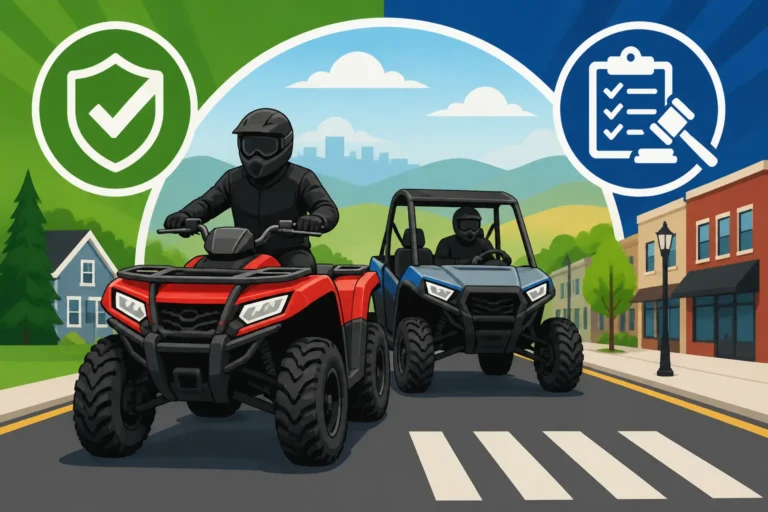
Riding an ATV or UTV in Alberta is one of life's great pleasures, but navigating all the rules and regulations can feel like tackling a particularly gnarly section of trail. One area that often causes confusion, and sometimes frustration, is helmet laws, especially for our Sikh riders. It’s understandable to feel caught between cultural identity and safety regulations. This guide is here to untangle the specifics of Alberta’s Turban Exemption for Sikh riders, ensuring everyone can hit the trails confidently and legally.
Understanding Alberta's General Helmet Law for OHVs
Before diving into specific exemptions, it's crucial to grasp the bedrock of Alberta's Off-Highway Vehicle (OHV) helmet regulations. For many riders, the idea of having to wear a helmet can feel restrictive, especially if they're used to more open-air experiences. However, these laws are firmly rooted in public safety.
Why Helmets Are Mandatory on Public Land
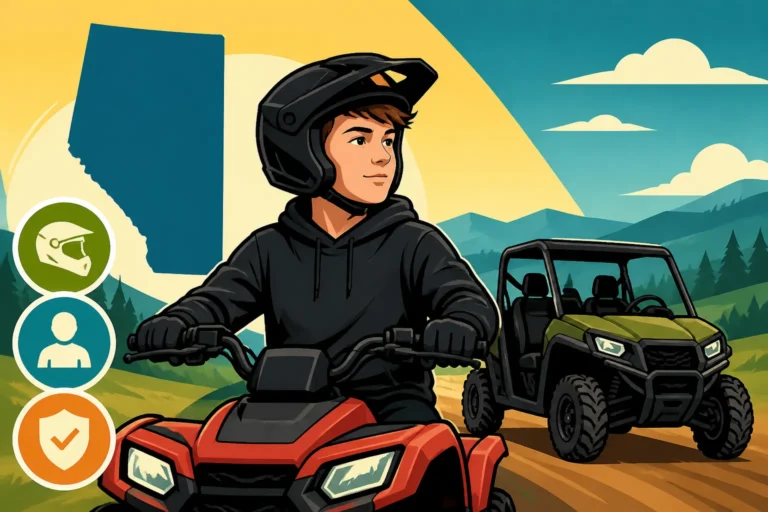
Picture this: you're cruising through the Ghost PLUZ, enjoying the rugged beauty, when suddenly, a hidden rut or an unexpected branch throws you off balance. In a fraction of a second, your machine can flip, or you can be ejected. The risks associated with OHV riding, from quads to side-by-sides, are very real and can lead to severe head injuries. The Alberta government, recognizing these dangers, made helmets mandatory on public land starting in May 2017. This wasn't to spoil anyone's fun, but to significantly reduce the risk of serious injury or fatality. It's about protecting riders when the unexpected happens, turning a potentially life-altering impact into something far less severe. While it might feel like "big brother" stepping in, these regulations are a direct response to injury statistics and a genuine effort to keep riders safe. Think of it as a crucial piece of your safety kit, right up there with knowing your machine and understanding the terrain.
What Constitutes a Legal Helmet in Alberta
So, what kind of helmet actually passes muster? It's not just any old lid you pull out of the garage. In Alberta, an OHV helmet must meet specific safety standards to be considered legal. Primarily, this means it needs to be certified by the Canadian Standards Association (CSA), often indicated by a CSA label inside the helmet. However, other internationally recognized standards like Snell (USA) or ECE (Europe) are generally accepted as well, showing that the helmet provides robust protection.
The key here isn't just the label; it's about the helmet's condition and fit. A helmet that's too loose or too tight, or one that's been damaged in a previous impact, won't provide the protection you need. It should fit snugly without causing pain, and the chin strap should be securely fastened. Many riders overlook checking their helmet for cracks or internal foam damage, but these can compromise its effectiveness. A good helmet is an investment in your safety, so choosing one that meets [Alberta CSA Helmet Standards] and fits properly is paramount. It’s the difference between a minor shake-up and a major incident.
Penalties for Non-Compliance
Ignoring Alberta's helmet law isn't just risky; it can also be costly. Peace officers and RCMP regularly patrol popular riding areas, and if you're caught operating an OHV on public land without a compliant helmet, you're looking at a ticket. These fines are designed to be a deterrent, reinforcing the importance of the law. Beyond the immediate financial hit, there’s the much greater penalty of potential injury.
Imagine being halfway through a fantastic day riding near Rocky Mountain House, only to have it cut short by a stop from an officer and a ticket. It's a frustrating scenario that could easily be avoided. The law is clear: unless you meet an exemption, a helmet is required. Being prepared means understanding [Alberta Helmet Fines and How They Are Issued] and ensuring you or your passengers are properly geared up. The idea is to promote a culture of safety, not just to penalize. Riding an OHV is an exhilarating experience, but it comes with responsibilities, and wearing the right protective gear is one of the most fundamental.
The Specific Turban Exemption for Sikh Riders in Alberta
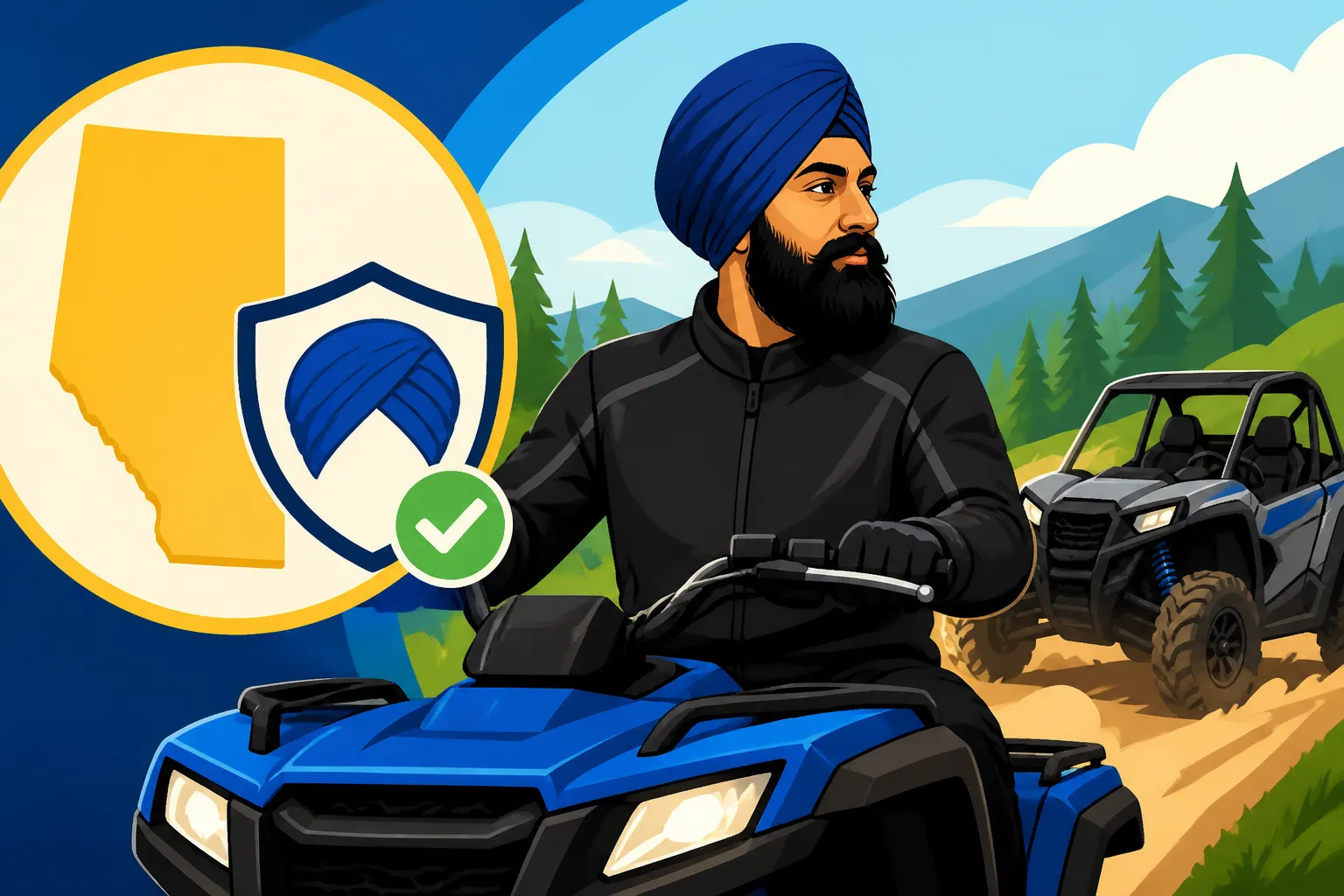
Now, let's get to the heart of the matter: the turban exemption. This is a crucial provision that allows Sikh riders to uphold their religious beliefs while still enjoying off-highway vehicle activities in Alberta. It's a recognition of religious freedom within the framework of public safety.
Who the Exemption Applies To
This exemption is not a blanket rule for anyone who chooses not to wear a helmet; it is highly specific. The Alberta Traffic Safety Act, under which OHV regulations fall, provides an exemption for individuals who are of the Sikh faith and are wearing a turban. This means if you are a Sikh rider and your faith requires you to wear a turban, you are exempt from the mandatory helmet requirement when operating or riding as a passenger on an OHV on public land.
This is a specific cultural and religious accommodation. It's important to understand that this does not extend to other forms of headwear, such as baseball caps, bandanas, or other religious coverings that are not turbans worn by Sikh individuals. The intent is to respect deeply held religious practices, acknowledging that a turban, by its nature, cannot accommodate a standard helmet without being removed. This distinction is vital for both Sikh riders and law enforcement officers to understand, ensuring the exemption is applied correctly and respectfully.
Legislative Basis and Scope
The legal framework for this exemption is embedded directly within Alberta's legislation. Specifically, it's found in the Traffic Safety Act and its associated regulations, which govern the operation of off-highway vehicles. This isn't a loophole or a guideline; it's a clearly defined legal provision. The exemption directly states that the helmet requirement does not apply to "a person who is a Sikh and is wearing a turban." This legislative clarity is what gives Sikh riders the peace of mind to ride without a helmet, knowing they are fully compliant with the law.
The scope of this exemption is also critical to understand. It only applies to the helmet requirement. All other rules and regulations pertaining to OHV operation in Alberta still apply. This includes requirements for vehicle registration, insurance on public land, speed limits, age restrictions (such as [Alberta Rules for a 14-Year-Old Rider] and [Who Counts as the Adult Watching a Young Rider]), and operating safely and responsibly. So, while the turban exempts you from the helmet, it doesn't exempt you from needing [Alberta Requires Insurance on Public Land] or from general road rules if you're riding in an area where OHVs are permitted on roadways. It's about respecting religious practice while maintaining overall safety and order on our trails and public lands.
Practical Considerations for Exercising the Exemption
While the law is clear, practical situations can sometimes lead to misunderstandings, especially if a law enforcement officer is not immediately familiar with every nuance of every regulation. For Sikh riders, while there is no legal requirement to carry specific documentation to prove your faith or the wearing of a turban, having readily accessible information can sometimes help smooth interactions.
Consider carrying your provincial identification, which might show your name, alongside a respectful and brief explanation of the legal exemption if ever questioned. It's not about proving your exemption, as the law itself is the proof, but about facilitating a quick and respectful interaction. Most officers are well-informed, but in the rare instance of a misunderstanding, clear and polite communication can prevent unnecessary delays. Always remember that the officer is also trying to do their job, which includes ensuring public safety. Being able to calmly explain the exemption, perhaps by referencing the specific section of the Traffic Safety Act if you know it, can be very helpful. The goal is to ensure your riding experience remains enjoyable and hassle-free, upholding both your rights and the officer's duty.
Safety and Responsibility for Exempt Riders
Even with a legal exemption, safety remains paramount. The absence of a helmet, while permitted for Sikh riders wearing turbans, means a heightened awareness of other safety measures becomes even more critical. No one wants to see a day on the trails turn into a trip to the emergency room, and responsible riding is always the best defense.
Mitigating Risks Without a Helmet
For Sikh riders exercising the turban exemption, the focus shifts to a more proactive approach to risk mitigation. Since the primary head protection of a helmet isn't being used, other strategies become vital. This starts with riding within your limits and being acutely aware of the terrain. Avoiding high speeds, especially on unfamiliar or challenging trails, is a sensible first step. Rough, rocky, or heavily treed areas inherently carry higher risks for head injury, so exercising extra caution or even choosing alternative routes is a wise decision.
Investing in additional protective gear can also make a significant difference. For side-by-sides, features like full doors, robust roll cages, and multi-point harnesses are crucial. Aftermarket accessories, such as durable windshields and roofs, can offer a degree of protection from overhead debris or impacts, although they are not a substitute for a helmet. Many riders, regardless of helmet use, benefit from quality gear, and companies like SuperATV offer a wide range of protective accessories like heavy-duty bumpers, full skid plates, and robust cages that can enhance overall safety for your machine, thereby indirectly benefiting the rider. Think about how a good SuperATV windshield can prevent low-hanging branches from catching you off guard. It's all about layering your safety strategies.
Other Essential Safety Gear Still Required (or Highly Recommended)
The turban exemption specifically addresses the helmet. It does not waive the need for other vital safety equipment that every OHV rider should consider. Eye protection is an absolute must. Dust, insects, branches, and mud can all impair vision, leading to dangerous situations. Goggles or safety glasses protect your eyes from debris, ensuring clear visibility on the trail.
Beyond eye protection, consider what you wear on your body. Long-sleeved shirts and long pants, made from durable materials, help protect against scrapes, cuts, and sun exposure. Gloves protect your hands from blisters, impacts, and provide a better grip on the handlebars. Sturdy, over-the-ankle boots are essential for foot and ankle protection, offering stability and preventing injuries from impacts or getting caught in machinery. Always refer to general guidelines for [Alberta Equipment Required on Public Land]. While the thrill of the ride is often the draw, being properly geared up allows you to enjoy that thrill more safely and with greater peace of mind.
Understanding Liability and Insurance
Riding any OHV carries inherent risks, and understanding your insurance coverage is paramount, especially when an exemption is involved. For Sikh riders without a helmet, it's natural to wonder if this exemption might impact liability or insurance claims in the unfortunate event of an accident. In Alberta, it’s a legal requirement to have [Alberta Requires Insurance on Public Land] when operating an OHV on public land. This insurance generally covers third-party liability and often provides some level of coverage for your machine.
While the turban exemption makes riding without a helmet legal, it does not absolve a rider of responsibility for safe operation. If an accident occurs and a head injury is sustained, even if legally exempt from wearing a helmet, an insurance provider might review the circumstances. They typically assess whether the rider was operating safely and within the law. The fact that the law permits riding without a helmet due to the turban exemption means you are not breaking the law by doing so, which is an important distinction. However, always ensure your insurance policy is comprehensive and that you understand its terms. It's always a good idea to discuss specifics with your insurance provider to fully understand your [Alberta Insurance Cost for an ATV] and coverage details, especially concerning potential injury claims. Carrying proof of insurance and knowing what [Producing Insurance on Demand] entails is just good practice for any rider.
Common Misconceptions and Clarifications
The turban exemption, while clearly laid out in Alberta law, can still lead to some common misunderstandings among the general public and even some riders. Clearing up these misconceptions helps ensure respectful interactions and proper adherence to the law for everyone on the trails.
The Exemption is Not for All Headwear
This is perhaps the most crucial point to clarify: the Alberta turban exemption is exclusively for individuals of the Sikh faith who are wearing a turban. It is not a broad exemption for any type of headwear or for anyone who simply prefers not to wear a helmet. You cannot, for example, wear a baseball cap, a cowboy hat, or any other form of casual head covering and claim this exemption. Doing so would constitute riding without a legal helmet and would put you at risk of a fine, as well as significant injury.
The law's specificity is intentional, designed to respect a particular religious practice. It's not a general relaxation of helmet rules. This distinction is vital for all riders to understand, both for their own safety and to avoid potential penalties. If you are not a Sikh person wearing a turban, the mandatory helmet law applies to you on all public lands in Alberta. Misinterpreting this can lead to unnecessary confrontation or legal trouble, undermining the very purpose of the exemption, which is to create an inclusive riding environment for Sikh individuals.
Exemption Applies Only on Public Land Where Helmets Are Otherwise Mandatory
Another important clarification is where this exemption actually applies. The helmet laws, and therefore the turban exemption, primarily apply to public lands where OHV use is permitted and regulated, such as Public Land Use Zones (PLUZs), designated trails, and sometimes certain roadways where municipal bylaws allow. If you are riding on strictly private land, with the landowner's permission, the provincial helmet law typically doesn't apply at all, making the exemption technically moot in that specific context.
For instance, if you're operating an ATV solely on your own farm, far from any public access, the provincial helmet law generally doesn't apply. However, the moment your wheels touch public property – a ditch along a county road, a designated trail, or Crown land – the provincial regulations kick in. This means that while [Alberta Private Property Helmet Exemption] exists for non-public land, the turban exemption becomes relevant specifically on public land where helmets would otherwise be mandatory. So, before you head out, it's always wise to know if you're riding [Alberta Rules for Riding Crown Land] or private property and what rules apply. A robust set of SuperATV tires might handle any terrain, but they won't make an illegal ride legal!
Interacting with Law Enforcement
Even with a clear legal exemption, occasional interactions with law enforcement might arise, especially if an officer is not fully up-to-date on every specific regulation. The key to these interactions is always respectful and clear communication. If you, as a Sikh rider wearing a turban, are stopped by an officer regarding the helmet law, calmly explain your exemption. You are not legally required to carry specific documents to prove your faith, but having your driver's license or other government-issued ID is always recommended for any traffic stop.
Remember, officers are performing their duty to ensure public safety. A polite explanation of "I am a Sikh, and I am wearing a turban, which is exempted under the Alberta Traffic Safety Act" should be sufficient. While rare, if an officer seems unfamiliar with the exemption, remain courteous. Most officers will verify the information on the spot. Understanding what [What an Alberta Officer Can Ask to See] is helpful for all riders. The goal is a quick and positive interaction that allows you to continue your ride without incident. Your calm demeanor can go a long way in ensuring a smooth resolution.
Promoting Inclusivity and Understanding in the Riding Community
The spirit of the turban exemption is not just about legal compliance; it's also about fostering a welcoming and understanding community on Alberta's trails. When everyone understands the rules and respects individual circumstances, the riding experience improves for all.
Educating Fellow Riders and Staging Areas
Often, misunderstandings arise from a lack of awareness rather than malice. Many recreational riders might not be familiar with the specific nuances of the turban exemption. This is where community education becomes invaluable. At staging areas like Fisher East in McLean Creek, or any of the popular spots near Rocky Mountain House, a simple, friendly conversation can clear up confusion. If you're a Sikh rider, you might choose to politely inform fellow riders about the exemption if you sense questioning looks. Conversely, non-Sikh riders can help by educating their friends and fellow enthusiasts.
Clubs and organizations, such as those that manage trails and organize rides, also have a role to play. By including information about the turban exemption in their safety briefings or member communications, they can ensure a more informed and inclusive environment. The more widely understood this exemption is, the fewer uncomfortable interactions there will be, allowing everyone to focus on the joy of riding. It's about building a community where everyone feels respected and included on the trails, regardless of their background.
Shared Responsibility for Trail Safety
Regardless of whether a rider is wearing a helmet or is exempt due to a turban, the overarching responsibility for safe riding practices falls on every individual. The turban exemption doesn't excuse a rider from any other aspect of safe OHV operation. This includes adhering to speed limits, riding responsibly within designated areas, respecting environmental regulations, and always being aware of other trail users.
All riders, regardless of their gear choices, share the responsibility for minimizing risks. This means not riding impaired, staying on marked trails, and ensuring your machine is in good working order. Following [Alberta Trail Etiquette Locals Expect] contributes to a safer and more enjoyable experience for everyone. A well-maintained OHV, perhaps with reliable SuperATV gear, combined with responsible riding, creates a safer environment for all trail users. We all share the same beautiful landscapes, and a shared commitment to safety ensures these spaces remain accessible and enjoyable.
Supporting Diverse Rider Experiences
Ultimately, Alberta’s turban exemption is a testament to the province's commitment to creating an inclusive environment for all its residents and visitors. It acknowledges that recreational activities, like OHV riding, should be accessible to everyone, without forcing individuals to compromise their deeply held religious or cultural beliefs. By understanding and respecting this exemption, the entire riding community helps to foster a more diverse and welcoming outdoor culture.
This inclusivity means more people get to experience the incredible trails and natural beauty Alberta has to offer, from the northern forests near Fort McMurray to the southern foothills. When you see a Sikh rider without a helmet, understand that they are legally exercising their right within Alberta's framework. This understanding enriches the community, promotes mutual respect, and ensures that the spirit of adventure is shared by all, making our trails vibrant and diverse spaces for everyone.
Here's a quick reference to clarify the rules:
| Aspect | Standard OHV Rider (No Exemption) | Sikh Rider (Wearing Turban) |
|---|---|---|
| Helmet Requirement | Mandatory on public land | Exempt from helmet requirement on public land |
| Helmet Type | CSA, Snell, ECE approved (if worn) | Not applicable (if turban worn) |
| Eye Protection | Highly recommended (goggles/glasses) | Highly recommended (goggles/glasses) |
| Other Gear | Long sleeves/pants, gloves, boots (rec.) | Long sleeves/pants, gloves, boots (rec.) |
| Insurance | Mandatory on public land | Mandatory on public land |
| Registration | Mandatory for machine on public land | Mandatory for machine on public land |
| Age Restrictions | Apply (e.g., [Alberta ATV Age Requirements]) | Apply (e.g., [Alberta Riders Under 14 Need Supervision]) |
| Public Land Rules | All apply (speed, trail use, etc.) | All apply (speed, trail use, etc.) |
| Proof of Exemption | Not applicable | Not legally required, but polite explanation may assist officers |
Disclaimer
This article is for general informational purposes only and does not constitute professional advice. Laws, prices and regulations vary by location and change over time. Consult a qualified professional for guidance on your specific situation.