Customs Paperwork on the Way Home
Finding that perfect off-highway vehicle (OHV) — whether it’s an ATV, a dirt bike, or a side-by-side — can be an exciting journey, especially if you discover a great deal or a unique machine outside of Alberta, perhaps even across the border in the United States. But that initial rush of excitement can quickly turn into a knot of anxiety when you start thinking about the customs paperwork involved in bringing your new pride and joy home. This guide is here to untangle that knot, walking you through the essential customs documentation and processes to ensure your machine makes it to your Alberta garage without any unexpected headaches or delays.
Navigating the Customs Landscape for Your Off-Highway Vehicle
Bringing any vehicle across an international border, particularly from the United States into Canada, isn't as simple as just driving up to the gate. There's a whole system designed to protect national interests, ensure vehicle safety, and collect appropriate taxes and duties. For many riders, the thought of dealing with border officials and complex forms is enough to make them second-guess an out-of-province purchase. But with a bit of preparation, it’s entirely manageable.
Why Cross-Border Rules Are So Complex
The complexity of importing a motorized vehicle stems from several layers of regulations. First, you have federal laws on both sides of the border governing exports and imports. These laws deal with things like national security, trade agreements, and environmental compliance. Vehicles, unlike a new pair of boots, are high-value items with identification numbers that can be tracked, and they pose potential safety and emissions concerns. Canadian federal regulations, for instance, want to ensure that any vehicle entering the country meets specific safety and emissions standards, even if those standards differ slightly from what was required in its country of origin.
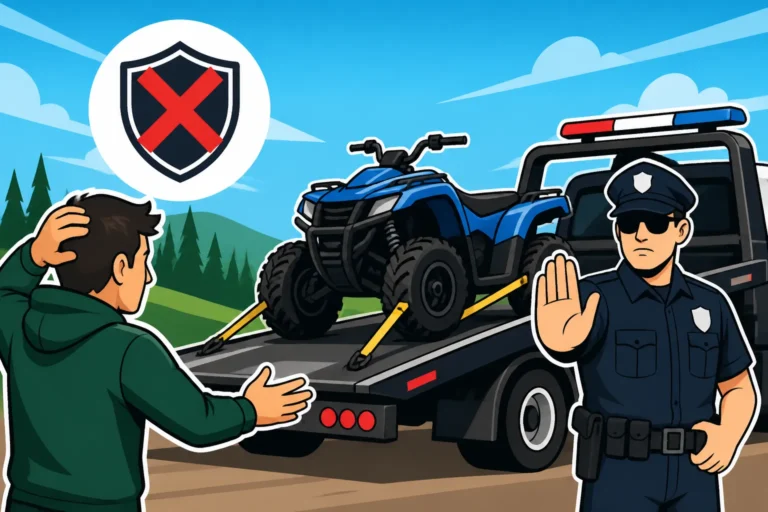
Then you have the financial aspect: duties and taxes. Even if your machine was manufactured in North America, there can still be taxes to pay, most notably the federal Goods and Services Tax (GST) in Canada. Trying to sidestep these regulations can lead to significant penalties, including fines, seizure of your vehicle, and even bans from future importations. Imagine you've driven for two days to pick up your dream side-by-side, only to have it held up at the border because you didn't have the correct recall clearance letter. It's a frustrating, costly, and entirely avoidable situation.
Understanding Your Role as the Importer
When you decide to bring an OHV into Canada from another country, you officially become the "importer." This means the responsibility for adhering to all regulations, accurately declaring the vehicle's value, and presenting all necessary documentation falls squarely on your shoulders. It's not the seller's job, nor is it up to the border agent to figure out what you need. They are there to enforce the rules, not to provide a step-by-step tutorial.
Many people think, "Oh, it's just a quad, not a car. It'll be easier." This is a common misconception that often leads to trouble. While some aspects, like the Registrar of Imported Vehicles (RIV) program, often don't apply to off-highway vehicles, the core principles of import still stand. You must do your due diligence before you even start your trip to pick up the machine. This includes researching the specific requirements for the type of vehicle you're bringing in, confirming its eligibility, and meticulously gathering every piece of required paperwork. Trusting anecdotal advice from a friend who "just drove it across" years ago is incredibly risky, as rules and enforcement can change. Being prepared means a smoother, less stressful journey home with your new machine.
The Essential Documents You Cannot Forget
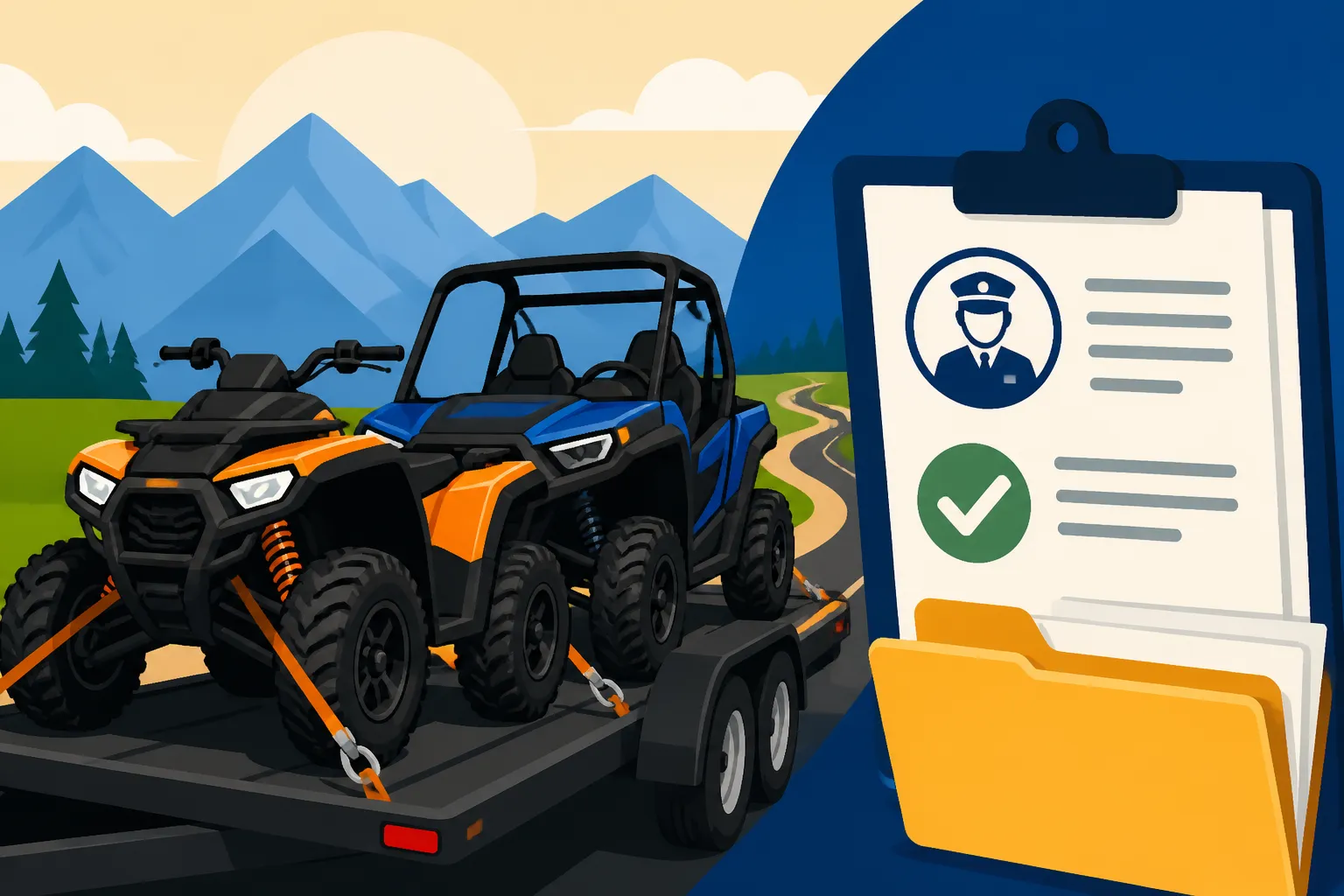
Getting your OHV across the border successfully boils down to one critical factor: paperwork. Without the right documents, you're not going anywhere. This isn't the time for "I thought I had it" or "I'll just explain." Customs officials need clear, verifiable proof of ownership, value, and compliance.
Proof of Ownership and Purchase
This category is non-negotiable and forms the backbone of your customs declaration. Without solid proof that you legally own the machine and what you paid for it, you'll hit an immediate roadblock.
- Bill of Sale: This document is paramount. It needs to be comprehensive and clearly state the buyer's name, the seller's name, the full Vehicle Identification Number (VIN) of the OHV, the purchase price in the currency it was paid in, and the date of sale. A simple handwritten note on a scrap of paper often isn't sufficient, especially if it lacks these key details. If you're buying from a private seller, consider using a standardized template to ensure all necessary information is captured. Resources like LawDepot can provide templates for a robust bill of sale, giving you peace of mind that you haven't missed crucial details. This ensures clarity for both you and the border officials.
- Manufacturer's Statement of Origin (MSO) / Manufacturer's Certificate of Origin (MCO): If you're importing a brand-new OHV, this document is absolutely critical. It’s essentially the birth certificate of the vehicle, issued by the manufacturer, proving it's never been registered before. Without it, you cannot register the machine in Alberta. For a used machine, this isn't usually required, as the title takes its place. Remember, [What a Manufacturer's Statement of Origin Proves] is that the vehicle is new and has a clear lineage.
- Original Title/Registration Certificate: For used off-highway vehicles, the original title from the selling jurisdiction (e.g., a state title from the US) is the most important document. It proves who the legal owner was and that the machine wasn't stolen. Ensure the title is "clean," meaning there are no liens or salvage designations, and that the previous owner has properly signed it over to you. If the machine was never titled in its home jurisdiction (which can happen with some off-road vehicles in certain US states), you’ll need to work with the seller to get an affidavit of ownership and a detailed bill of sale. Without this, your ability to get [Alberta Registration for an Imported Machine] will be severely hampered. When [Buying From a Private Seller in Alberta] this process is similar, but simpler as it stays within Canada.
Vehicle Information and Compliance
Beyond proving ownership, you also need to confirm that the vehicle itself meets certain standards and is properly identified.
- Recall Clearance Letter: This is often overlooked but incredibly important for vehicles coming from the United States. Transport Canada requires proof that the imported vehicle is free of any outstanding safety recalls. You typically obtain this letter directly from the vehicle manufacturer (e.g., Polaris, Can-Am, Honda, Kawasaki, Yamaha). Contact their customer service, provide the VIN, and request a recall clearance letter for export to Canada. Make sure this letter is current and specific to your machine's VIN.
- Vehicle Identification Number (VIN): While embedded in your ownership documents, ensuring the VIN on your machine physically matches all your paperwork is crucial. Customs officers will verify this. A clear VIN helps to prevent fraud and confirms you’re importing the specific vehicle on your documents. It’s a good practice to [Checking a Serial Number for Theft Before You Pay] even before you make the purchase, to avoid importing a stolen machine.
- Proof of Export (US-side): This is a critical step that many Canadians miss, leading to significant delays at the border. If you are importing from the United States, you must submit specific documents (typically the title or MSO) to US Customs and Border Protection (CBP) at least 72 hours before you intend to cross the Canadian border. This is not for Canada; it's for the US to officially register that the vehicle has left their country. If you don't do this, US CBP can refuse the export, and Canadian Customs (CBSA) will turn you back. This means you’ll have to wait those 72 hours, potentially stuck at the border, before you can try again.
Personal Identification and Financial Records
These documents confirm who you are and validate the financial transaction.
- Passport/Valid Identification: You'll need your passport (or enhanced driver's license, if applicable) to identify yourself as a Canadian citizen or permanent resident returning home.
- Proof of Funds/Payment: Be prepared to show how you paid for the OHV. This could include bank statements, credit card transaction records, or wire transfer confirmations. This helps customs verify the declared value of the machine and guards against under-declaration.
- Any Loan/Lien Documents: If you financed the purchase of your OHV, ensure you have documentation from the financial institution explicitly stating that they are aware of and approve the machine being exported from its country of origin and imported into Canada. This prevents any issues related to outstanding liens. When purchasing through an [Alberta Dealer Paperwork at Delivery] would typically handle this for you, but when importing yourself, it's all on you.
Navigating the Canadian Border Services Agency (CBSA) Process
Once you have all your documents meticulously organized, the actual border crossing becomes a much smoother experience. The Canadian Border Services Agency (CBSA) officers are looking for compliance and accuracy.
The Declaration Process at the Border
When you arrive at the Canadian port of entry, you will declare that you are importing a motor vehicle. Be upfront and honest about your purchase. Have all your carefully prepared documents ready to present. The officer will typically direct you to a secondary inspection area where a customs official will review your paperwork in detail.
They will verify your identity, inspect your ownership documents, check the VIN on the machine against the paperwork, and confirm the recall clearance. They'll also assess the value of the OHV to determine the applicable taxes and duties. It's important to remember that while [Alberta Has No Provincial Sales Tax], the 5% federal Goods and Services Tax (GST) applies to all imported goods, including OHVs. In some cases, depending on the country of manufacture and specific trade agreements, there might also be duties. However, many North American-made OHVs may qualify for duty-free entry under trade agreements like CUSMA (the Canada-United States-Mexico Agreement), formerly NAFTA. Always be prepared for the possibility of duties, even if they often don't apply to these types of machines.
Paying Duties and Taxes
The CBSA officer will calculate the amount of GST and any applicable duties based on the declared value of your OHV. The declared value is usually the purchase price, converted to Canadian dollars using the official exchange rate on the day of import. It's incredibly important to declare the true purchase price. Attempting to under-declare the value to save on GST is considered smuggling and can lead to severe penalties, including fines equal to the amount of tax evaded, seizure of your vehicle, and even criminal charges.
Once the assessment is complete, you will be required to pay these amounts on the spot. Most border crossings accept major credit cards, debit cards, or cash. After payment, the CBSA will stamp your import forms, often a B3 or a similar document, which serves as your proof of legal importation into Canada. Keep this document safe; it is absolutely essential for registering your OHV in Alberta. For a deeper understanding of the financial implications, refer to [Alberta GST on an ATV Purchase].
Post-Customs: Getting Your Alberta Registration
Clearing customs is a huge hurdle, but your journey isn't quite over. The federal import process is separate from the provincial registration process. Once you have your stamped CBSA import documents, you need to take them to an authorized Alberta Registry Agent to get your OHV registered and plated.
You will need to present your CBSA stamped import documents (like the B3 form), the original MSO or title that was used for import, and your personal identification. The registry agent will process your application, verify your documents, and issue you an Alberta Off-Highway Vehicle registration certificate and a license plate. This is the final step to legally riding your imported machine on public land in Alberta. For a detailed list of what to bring to the registry, check out the [Alberta Registration Paperwork Checklist]. Keep in mind that [Alberta Registration Processing Time] is usually quick at the counter, but any issues with your paperwork can cause delays.
Common Mistakes and How to Prevent Them
Even with the best intentions, mistakes can happen. Being aware of the most common pitfalls can help you avoid them altogether and ensure a smooth importation.
Under-Declaring Value or Misrepresenting the Machine
This is by far the riskiest mistake an importer can make. Whether it’s listing a lower purchase price on the bill of sale or attempting to claim a "gift" status for a vehicle you bought, customs officials are trained to spot discrepancies. They have access to databases that track vehicle values and can easily question a declared price that seems too low. The consequences are severe: you could face fines, penalties, and even have your OHV seized. Not only will you lose your machine, but you’ll likely incur significant legal and storage fees. It's simply not worth the risk. Always be truthful and transparent about the transaction.
Incomplete or Incorrect Paperwork
Missing even one critical document can derail your entire importation process. Forgetting the recall clearance letter, an unsigned title, or an incomplete bill of sale can lead to being turned back at the border. This means driving all the way back to get the missing piece, often costing you time, fuel, and immense frustration. Imagine doing all that driving, only to have to do it again! To prevent this, create a checklist and meticulously go through it before you even leave home to pick up the machine. Using templates from services like LawDepot for your bill of sale can also help ensure all necessary fields are completed accurately. Don't assume anything; confirm every detail.
Not Understanding the Export Process (US Side)
As mentioned earlier, many Canadian importers are caught off guard by the US export notification requirement. The 72-hour rule for submitting your title or MSO to US Customs and Border Protection (CBP) at your chosen export port before your planned crossing is crucial. Failing to do this means the US authorities have no record of the vehicle leaving their country, and they will not allow it to be exported when you show up at the border. This will result in being turned back by Canadian customs and being told to wait the required 72 hours, potentially leaving you stranded. Plan this step carefully by contacting the specific US border crossing you intend to use to confirm their exact procedure and submission methods. This crucial detail is part of Customs Paperwork on the Way Home.
Bringing an ATV or side-by-side home to Alberta from another country, especially the US, doesn't have to be a daunting task. With careful preparation, a thorough understanding of the required documents, and an honest approach to the border process, you can ensure your new machine arrives safely and legally. Take the time to gather every piece of paperwork, understand your responsibilities as an importer, and don't hesitate to seek clarification if you're unsure about a specific step. Your reward will be countless hours of enjoyment on Alberta's fantastic trails with your new off-highway vehicle.
Disclaimer
This article is for general informational purposes only and does not constitute professional advice. Laws, prices and regulations vary by location and change over time. Consult a qualified professional for guidance on your specific situation.