Alberta Dealer Paperwork at Delivery
Buying a new ATV or side-by-side from a dealership in Alberta is exciting, but let's be honest, the pile of paperwork you're handed at delivery can quickly turn that excitement into a headache. It feels like you're signing your life away, and trying to understand every single line can be daunting. This guide will walk you through the typical documents you'll encounter, what they mean for you, and what to keep an eye out for when you pick up your new machine.
What to Expect from Your Dealer's Paperwork Stack
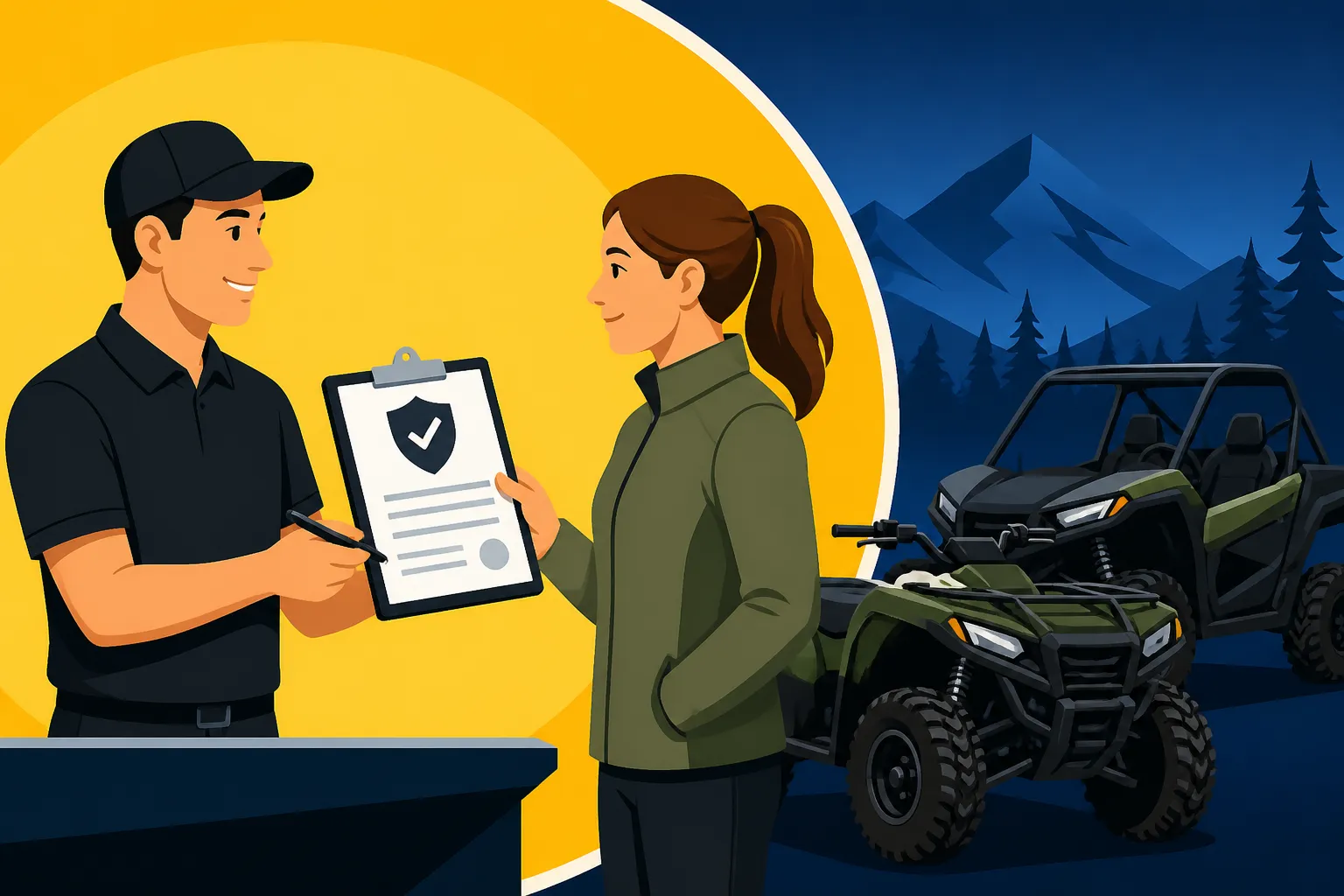
When you finally get to pick up your shiny new off-highway vehicle (OHV), whether it's a quad, a dirt bike, a snowmobile, or a side-by-side, the last thing you want is to spend hours in the finance office. But it's a necessary step, and understanding the stack of papers is crucial. Dealers handle a lot of the initial setup for you, which is a huge convenience, but it also means you're relying on them to present everything clearly.
You'll be dealing with documents related to the purchase itself, financing (if applicable), warranty information, and the initial steps for getting your machine legally on Alberta's public lands. It's a lot to process, especially when you're eager to get out and ride. Don't rush through it; take your time, ask questions, and make sure you understand what you're signing. It's your investment, after all, and you deserve to feel confident in the process.
The Initial Sales Agreement
This is the big one, the core document outlining the terms of your purchase. It will detail the price of the machine, any trade-in value, accessories you've added, and any additional fees. Sometimes these forms can be quite dense, full of legal jargon, which can be frustrating when you just want a clear picture. Remember that every detail matters here, from the VIN of your specific machine to the final agreed-upon price.
Pay close attention to all the itemized costs. You'll likely see the base price of the OHV, any factory options, dealer-installed accessories, freight charges, pre-delivery inspection (PDI) fees, and the GST. Alberta doesn't have a provincial sales tax, which is a nice break, but the federal GST is always present. Ensure that all the numbers add up to the final price you agreed to. This is where you might also see specific [Alberta Dealer Fees to Expect] clearly laid out. Don't be shy about asking for clarification on any line item you don't understand or that seems out of place.
Registration and Licensing Forms
Your dealer will typically handle the initial registration application for your OHV. This is a huge time-saver! They'll usually submit the paperwork to an Alberta Registry Agent on your behalf. You'll sign forms authorizing them to do this, and you'll provide your identification and proof of Alberta residency. The goal is to get your OHV registered and plated so you can legally ride on public land.
The dealer will likely give you a temporary registration or a copy of the application, and the actual plate and registration certificate will either be mailed to you or available for pickup at the registry office your dealer works with. It's good to clarify this process with them. Your registration certificate will include a "Class 3" designation for your OHV, which is specific to Alberta. You'll need to know [How to Register an ATV in Alberta] if you ever do it yourself, but for a new purchase, the dealer typically takes care of the initial legwork. They'll also ask if you want a one-year or two-year registration, so be prepared to make that choice. This impacts the cost and how often you'll need to renew. [Registering Your OHV for One Year or Two] is a common decision point.
Essential Documents You'll Sign and Receive
Beyond the sales agreement and registration, there are several other critical documents you'll sign or receive at delivery. These cover everything from the machine's guarantee to how you'll pay for it over time. Each piece of paper has a purpose, and it's in your best interest to keep them all organized.
Dealers are used to explaining these forms, so use their expertise. Don't feel pressured to rush; a good dealer wants you to be well-informed and happy with your purchase. Take a deep breath and go through each section methodically.
Manufacturer's Statement of Origin (MSO) or Certificate of Origin (COO)
This is essentially the birth certificate for your new OHV. The MSO/COO is a document issued by the manufacturer, confirming that the vehicle is new and has not been previously titled or registered. It contains important information like the vehicle identification number (VIN), make, model, year, and engine size. When your dealer registers the machine for you, they will use this document to prove ownership and the vehicle's new status.
You usually won't keep the original MSO/COO, as it goes to the registry agent for your initial registration. However, you should receive a copy for your records. This document is vital because it proves the chain of ownership from the manufacturer to you. Without it, verifying the vehicle's history or registering it down the line would be very difficult. Always make sure the VIN on the MSO matches the VIN on your sales agreement and, most importantly, the VIN stamped on your actual OHV.
Warranty Information
Every new OHV comes with a manufacturer's warranty, and your dealer will provide you with the details. This usually comes in a booklet or a separate sheet of paper outlining what's covered, for how long, and any conditions that apply. It's super important to read this thoroughly because it dictates what you can expect if something goes wrong with your machine during the warranty period. Some dealers might also offer extended warranty plans, which will have their own separate agreements.
Understanding your warranty can save you a lot of grief (and money) down the road. It specifies everything from engine and transmission coverage to electrical components. You'll also learn about any maintenance requirements that must be met to keep the warranty valid, such as regular servicing by an authorized dealer. Don't forget to ask about any specific exclusions or limitations, especially if you plan on modifying your machine, as some modifications can void certain warranty coverages.
Financing Agreement (If Applicable)
If you're financing your OHV, this will be one of the most substantial stacks of paperwork. The financing agreement is a legally binding contract between you and the lender (which might be the dealer's finance company or a third-party bank). It details the loan amount, interest rate, payment schedule, term of the loan, and any associated fees. This document requires careful review.
Take the time to understand the total cost of the loan over its full term, not just the monthly payment. Look for any prepayment penalties or other clauses that might affect you. Many riders appreciate the convenience of financing, but it’s crucial to know exactly what you’re committing to. You might also find yourself reviewing details about [Alberta Registration and Financing Documents] to understand how your loan impacts the official records of your OHV. Ensure you get a complete copy of the signed financing agreement for your personal files.
Understanding Your Financial and Legal Commitments
The paperwork isn't just a formality; it lays out your financial obligations and legal rights. Missing a detail or not understanding a clause can lead to unexpected costs or issues later on. This is where a bit of upfront diligence really pays off.
It's common for people to feel a bit overwhelmed by the sheer volume of legal text. Don't hesitate to ask for a quiet moment to read through crucial sections or have the finance manager explain things in plain language. Your peace of mind is worth a few extra minutes at the dealership.
Proof of Insurance Requirements
While the dealer won't typically sell you insurance for your OHV, they will almost certainly remind you of Alberta's requirements. If you plan to ride on any public land, including designated OHV trails, ditches, or Crown land, you must have liability insurance. This isn't just a recommendation; it's the law. [Alberta Requires Insurance on Public Land] is a non-negotiable rule.
You'll need to arrange this with your personal insurance provider before you hit the trails. The dealer might give you a generic form or brochure about insurance, but it's up to you to get a policy. Sometimes, riders forget this step in the excitement of a new purchase, only to find themselves unable to ride legally. You'll need to carry proof of this insurance with you whenever you're operating your OHV on public land, so don't just file it away at home.
Release Forms and Acknowledgements
Dealers often include various release forms or acknowledgements. These might cover things like understanding the safe operation of your OHV, acknowledging that you've received the owner's manual, or confirming that you understand local riding regulations (like helmet laws, age restrictions, and where you can or cannot ride). These forms are the dealer's way of ensuring you're informed about responsible OHV use.
While they might seem like standard boilerplate, take them seriously. For example, acknowledging that you've received safety information means the dealer has done their part to educate you. This can be particularly important for first-time OHV owners or those buying a powerful machine. It's a reminder that riding comes with responsibilities. For anyone wanting to brush up on their understanding of legal documents or even prepare their own contracts for private sales down the line, resources like LawDepot can provide useful templates and insights into common legal terminology, though it won't be part of your dealer's specific paperwork.
What to Do After You Drive Away (or Haul Away)
The final handshake, the keys in your hand, and your new OHV loaded up – that's the dream! But the paperwork journey isn't quite over. There are still a few crucial steps to take once you get home to ensure everything is in order and you're ready for adventure.
Getting your OHV registered and insured properly is like getting your boots tied before a big hike. You don't want to trip up on the small stuff when the real fun is waiting.
Organizing Your Documents
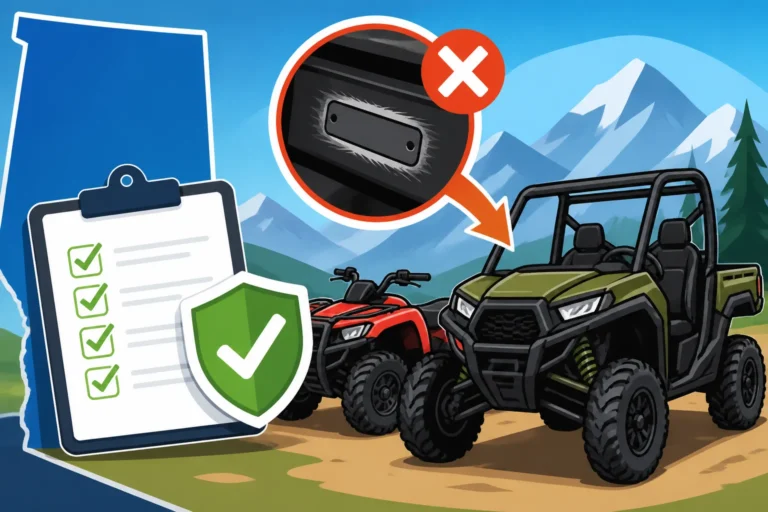
First things first: create a dedicated file for all your new OHV documents. This should include your copy of the sales agreement, financing contract, MSO copy, warranty information, and any other signed forms. When your plate and official registration certificate arrive, add those too. Having everything in one place will be a lifesaver if you ever need to reference something, make a warranty claim, or even sell the machine later.
Consider making digital copies of all your important documents as well. A quick scan or a clear photo stored in a cloud service or on a flash drive can provide a great backup. You never know when you might need to quickly access a VIN or policy number while you're out on the road or trail. Having a [Alberta Registration Paperwork Checklist] can help you keep track of everything.
Confirming Registration and Insurance
Once you've left the dealership, it's wise to follow up on your registration. If the dealer submitted the paperwork, make a note of when you should expect your plate and certificate. If they directed you to pick them up, plan a trip to the registry agent. It’s better to confirm everything promptly than to discover you're not fully registered when you're pulled over by an officer. Remember, [Alberta Issues a Plate, Not a Sticker], so you won't be waiting for a little decal, but for the physical plate itself.
Similarly, confirm your insurance coverage. Call your insurance broker or company the same day you pick up your OHV to ensure the policy is active and the vehicle is correctly listed. Verify the coverage type and limits. Being caught without valid insurance on public land can lead to significant penalties, including [Alberta Vehicle Seizure for No Insurance]. A quick phone call gives you that essential peace of mind before your first ride. For future reference or for understanding personal agreements, remember that resources like LawDepot offer forms and guides that can help simplify legal document creation and comprehension, useful for managing your personal records.
Reading Your Owner's Manual
Yes, it's thick, and yes, it probably came with your OHV. The owner's manual is packed with vital information about your specific machine. It covers everything from recommended maintenance schedules and fluid types to safe operating procedures and troubleshooting tips. Think of it as your OHV's user guide.
Familiarizing yourself with the manual can prevent breakdowns, prolong the life of your machine, and keep you safe. You'll learn about things like proper break-in procedures, tire pressure, and specific care instructions. Knowing your machine inside and out will make your riding experience much more enjoyable and less prone to unexpected issues. It’s also important to understand the basics of [Alberta Registration Before Your First Ride] to ensure you're compliant with all regulations.
Disclaimer
This article is for general informational purposes only and does not constitute professional advice. Laws, prices and regulations vary by location and change over time. Consult a qualified professional for guidance on your specific situation.