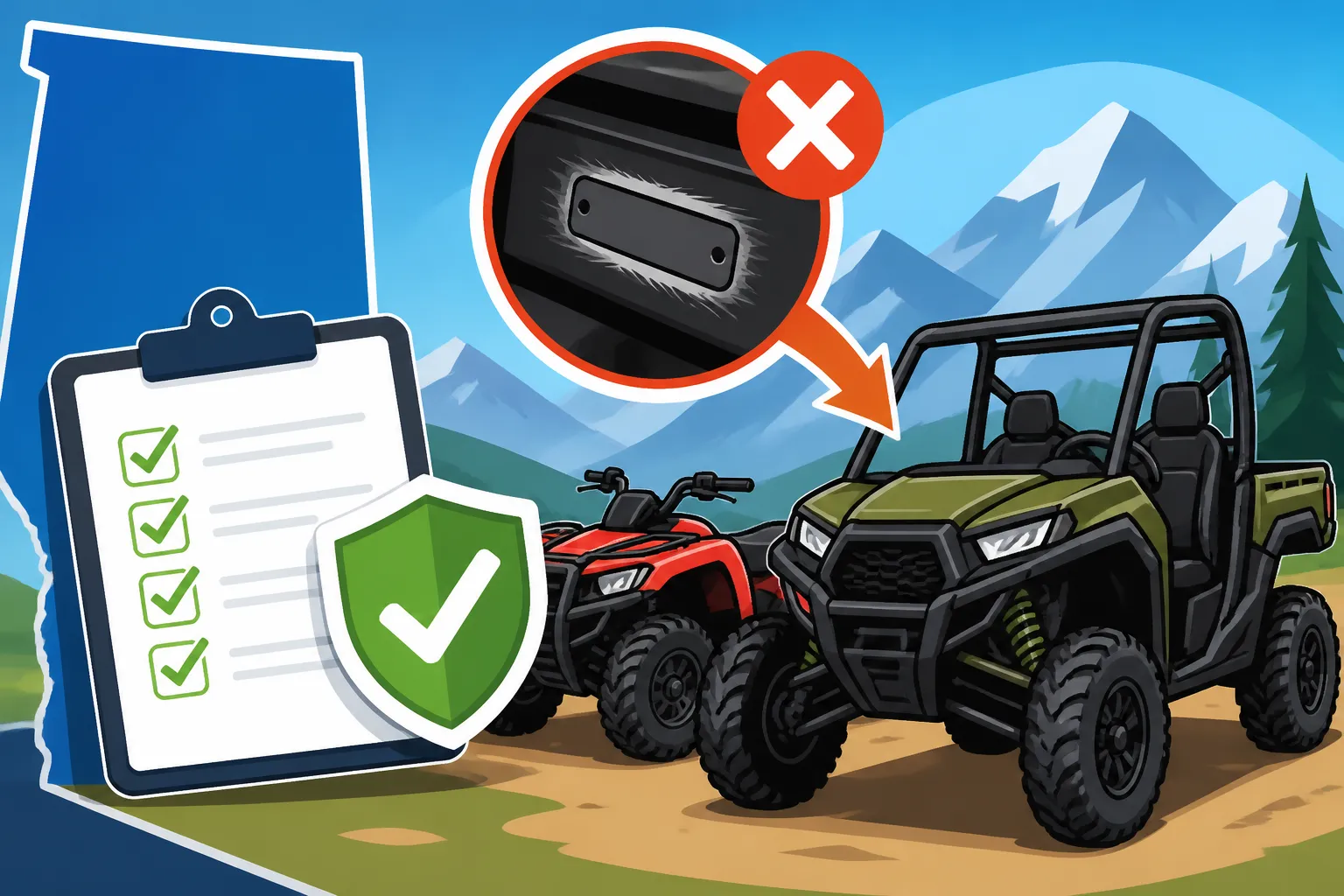
Alberta Registration When the VIN Is Gone
Finding yourself with an ATV or UTV that has a missing, unreadable, or even completely removed Vehicle Identification Number (VIN) can feel like hitting a massive roadblock when you’re just trying to get it registered in Alberta. It's a frustrating situation that many enthusiasts encounter, leaving them wondering if their machine will ever see the trails legally. This comprehensive guide will walk you through the essential steps and considerations for navigating the Alberta registration process when your off-highway vehicle's VIN is gone, helping you prove ownership and get that plate on your machine.
The Frustration of a Missing VIN: Why It's Such a Big Deal
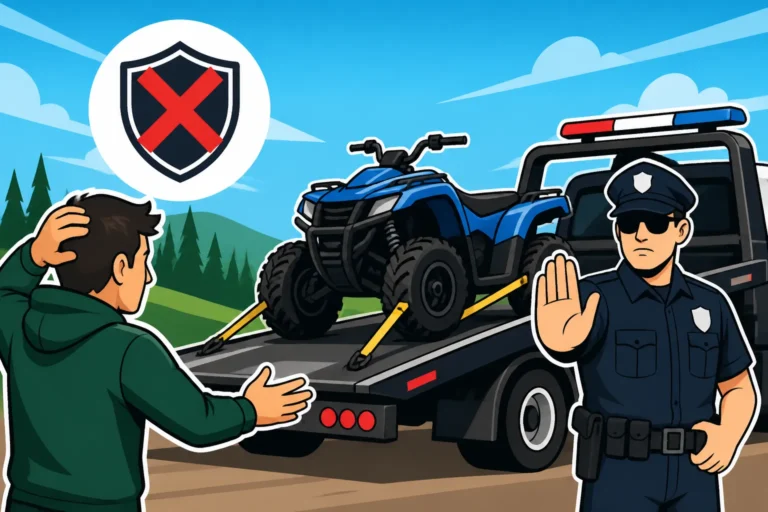
Imagine buying a used quad, excited to hit the trails, only to find out the VIN is a blurry mess or just… gone. It’s a gut-wrenching feeling because you know this little number is crucial. For Alberta registry agents and law enforcement, a clear VIN isn't just a formality; it's the very identity of your machine, and its absence raises significant concerns.
Why the VIN is Non-Negotiable for Registration
The Vehicle Identification Number, or VIN, is essentially your ATV or UTV’s unique fingerprint. It’s a 17-character code that tells a detailed story about the machine: its manufacturer, year of production, model, and specific features. More importantly, it serves as an immutable identifier for ownership, insurance, and preventing theft. When you go to register your machine, the registry agent relies heavily on this number to confirm the vehicle's identity, search for any outstanding liens, and ensure it's not reported stolen. Without a clear VIN, they simply can't do their job, and you can't get that registration. It's incredibly frustrating when you know you legitimately own the machine, but a missing number makes it look like you're hiding something.
Common Scenarios for a Lost or Damaged VIN
There are many reasons why a VIN might be difficult or impossible to read, and not all of them are nefarious. Older machines, especially those that have seen a lot of hard use on the farm or backcountry trails, can suffer from rust or wear that obscures the VIN plate or stamping. Accidents, previous repairs, or even modifications can sometimes damage or remove the area where the VIN is located. Then there are those unfortunate cases where a previous owner might have intentionally tampered with the VIN, which is a huge red flag and immediately suggests a stolen vehicle. Sometimes, with a hand-me-down or a very old project machine, the history is simply vague, and nobody can definitively recall the VIN's original state. Discovering this issue after you've already paid for and brought the machine home can be a real headache, making what should be a straightforward registration into a complicated puzzle.
Your First Steps: Proving Ownership Without a Clear VIN
So, you’ve identified the problem: your OHV's VIN is missing or unreadable. Don't panic, but understand that you've got some detective work ahead of you. The key here is to build a compelling case for legitimate ownership using every scrap of information you can find.
Gathering All Available Documentation
The first thing you need to do is round up every single piece of paper, digital photo, or email that has anything to do with your machine. Did you get a bill of sale, even if it was just handwritten on a napkin? Every little bit helps. A detailed bill of sale, even a simple one, goes a long way in establishing a paper trail. If you're wondering, [Will a Handwritten Bill of Sale Register a Quad?], the answer is often yes, but it needs to be as complete as possible. Look for old registration papers, even if they're from a previous owner or another province. Any maintenance records, past insurance policies, or even photos of the machine from when you first acquired it can provide clues. These documents, however minor they seem individually, collectively tell the story of your machine and how it came into your possession, building a foundation for your claim of ownership.
The Importance of a Statutory Declaration
When official documents like a pristine bill of sale with a clear VIN are missing, a statutory declaration becomes your best friend. This isn't just any signed statement; it's a formal, sworn declaration of facts, made under oath or affirmation, and witnessed by a commissioner for oaths or a notary public. In this document, you'd detail everything you know about the machine: its make, model, colour, approximate year, how and when you acquired it, the purchase price, and explicitly explain the circumstances surrounding the missing or illegible VIN. You'd also state the efforts you've made to locate it. This sworn statement carries significant legal weight and provides the registry agent with a strong, formally documented account of your claim. Templates for statutory declarations are readily available online, and services like LawDepot can provide you with a structured template to ensure all necessary legal language is included and properly formatted, helping you present a credible case.
Seeking Assistance from Law Enforcement
Involving law enforcement might seem extreme, but it's often a necessary and helpful step, especially if the VIN appears to be tampered with or completely removed. The police can run checks to see if the machine (or parts of it) has been reported stolen, even without a clear VIN, by using other identifiers like engine numbers or unique markings. Their involvement can provide an official record that the vehicle is not flagged as stolen, which is a huge hurdle overcome. They might also be able to conduct a physical inspection to look for secondary VIN locations, or even offer advice on how to proceed. Getting a police report, or at least an incident number confirming a VIN check was performed, can be a vital piece of documentation to present to the registry agent. It shows you've taken proactive steps to ensure the machine's legality and aren't trying to bypass due diligence.
The Alberta Registry Agent Process with a Problem VIN
Once you've done your homework and gathered all your proof, it's time to face the registry agent. Be prepared: this isn't going to be a quick in-and-out visit. Dealing with a problem VIN requires patience, persistence, and a solid understanding that the agent's primary role is to protect against fraud and theft.
What to Expect When You Visit a Registry
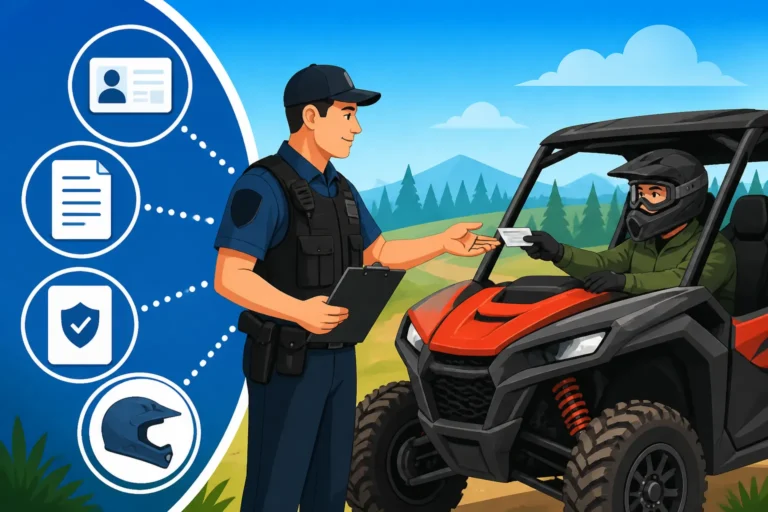
Walking into an Alberta registry office with a machine that has a missing or unreadable VIN means you’re presenting a unique challenge. Don't expect a simple transaction. The registry agent will likely have many questions, and they'll need to scrutinize all the documentation you've brought. They are bound by strict regulations to ensure that every vehicle registered is legitimate and properly identified. This means potential delays as they might need to consult supervisors, look up specific policies, or even request further investigation. Your patience and willingness to cooperate are paramount. Remember, their job is to protect everyone, including future buyers, from potential issues. For a broader understanding of what registry agents deal with, check out [Alberta Registry Agents and OHV Paperwork].
The VIN Verification Process (If a VIN is Found Elsewhere)
Sometimes, even if the primary VIN plate is gone or illegible, there might be secondary VIN stampings or other identifying numbers on the machine – often on the frame, engine block, or other major components. A diligent registry agent, or a vehicle inspector if one is called in, will search for these. If an alternative VIN is found and can be clearly identified, the agent might request photos or even a physical inspection to verify its authenticity. In extremely rare cases, typically for homemade vehicles or those that have undergone extensive salvage and rebuilding with no original identifiable numbers, a provincial inspection might lead to the assignment of a new, provincially issued VIN. This is a much more involved process, requiring specialized inspections to ensure safety and proper identification, and it's not a common occurrence for standard ATVs or UTVs.
Overcoming Challenges and Potential Denials
It's entirely possible that your initial attempts to register the machine might be met with denial or significant roadblocks. Don't let this discourage you. The key is persistence and providing more proof. If one registry agent can't help, politely ask what specific documentation or steps they would recommend. You might need to seek a second opinion at a different registry. Consider strengthening your documentation even further; for instance, if your initial statutory declaration was simple, you might consider having a more robust affidavit drafted, perhaps with professional assistance or using a comprehensive legal document service like LawDepot to ensure all legal bases are covered. Remember, the more proof you can supply – the more of the machine's history and your ownership you can concretely establish – the better your chances. A good resource for comprehensive preparation is the [Alberta Registration Paperwork Checklist].
The Path to a New Registration
After navigating the complexities of a missing VIN, you’ve finally reached the point where the VIN is confirmed, verified, or a new one has been assigned. This is a huge milestone, and the finish line is in sight!
Once the VIN is Confirmed or Assigned
Take a moment to celebrate this victory! You've overcome a significant hurdle that many riders might give up on. With the VIN issue resolved, you can now proceed with the standard registration process, much like anyone else registering an OHV. This will involve paying the [Alberta OHV Registration Cost], providing proof of valid insurance (remember, [Alberta Requires Insurance on Public Land] for public land use), and presenting your personal identification. The sense of relief after what might have been a long and arduous process is truly earned. You've officially established the identity of your machine, which is fundamental to legal operation in Alberta.
Getting Your Plate and Certificate
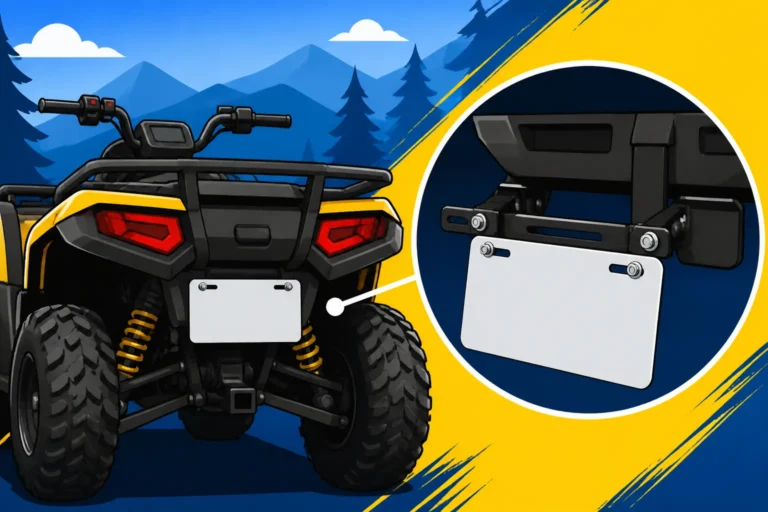
Once your registration is successfully processed, you'll be issued an Alberta off-highway vehicle registration plate. It's important to note that [Alberta Issues a Plate, Not a Sticker]; the days of annual stickers are behind us since 2021. You'll also receive a registration certificate, which is typically a digital document that you'll need to print. [Alberta Digital Certificates Must Be Printed] and carried with you while riding. Make sure you understand [Alberta Plate Placement on a Machine] to ensure it's properly mounted and visible, avoiding any unnecessary tickets. Your new registration certificate will now clearly display the VIN that was finally confirmed or assigned, solidifying your machine's identity within the provincial system.
Protecting Your New Registration (and VIN)
Now that you've gone through all this effort, it's crucial to take steps to prevent a similar situation in the future. Immediately take clear photos of your newly verified or assigned VIN, as well as the registration plate, and store them securely in multiple places – on your phone, in cloud storage, and printed copies at home. Keep your physical registration certificate safe, perhaps laminated, and always carry a copy when you ride. When it comes time to sell the machine down the road, having a clear, established paper trail with a verified VIN will make the process much smoother for both you and the buyer. To ensure all future sales are handled correctly and legally, avoiding any ambiguity for the next owner, consider using a comprehensive bill of sale template from services like LawDepot. This meticulous record-keeping not only protects you but also adds significant value and peace of mind for any future transactions.
Scenarios and Documentation for Missing VINs
Here's a quick look at common scenarios and the types of documents that can help you when facing a missing or illegible VIN for your Alberta OHV registration.
| Scenario | Primary Proof Needed | Secondary/Supporting Documents | Additional Steps Often Required |
|---|---|---|---|
| Aging/Rusted VIN | Statutory Declaration | Photos of VIN area (even if blurry), repair records, old insurance | Physical inspection request, police check for theft |
| Damaged VIN (accident) | Statutory Declaration, accident report | Repair invoices showing VIN prior to damage, insurance claim documents | Police incident report, registry agent discretion |
| Previous Owner Tampering | Police Report | Any bill of sale from previous owner, communication records | Mandatory police investigation to rule out theft, potential new VIN assignment by province |
| Hand-me-down/No Paperwork | Statutory Declaration | Sworn statement from previous owner/giver, old photos of machine with VIN visible, family records | Registry agent interview, thorough VIN search by agent/inspector |
| Imported Machine | Customs Paperwork, Statutory Decl. | Import declaration, original foreign title/registration | VIN verification by customs or provincial inspector, possible new VIN assignment |
Disclaimer
This article is for general informational purposes only and does not constitute professional advice. Laws, prices and regulations vary by location and change over time. Consult a qualified professional for guidance on your specific situation.