Alberta Registration Paperwork Checklist
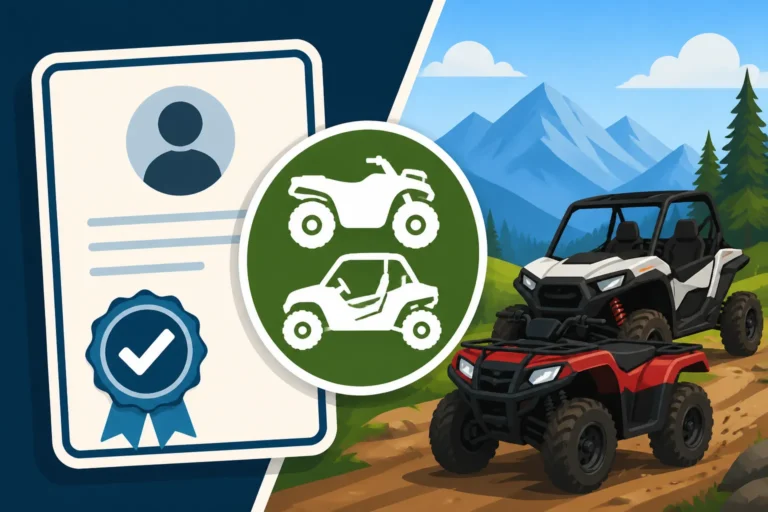
Getting your ATV or UTV registered in Alberta can feel like a daunting pile of paperwork, especially when you're just eager to hit the trails or get some work done. It's easy to get frustrated wondering if you have everything you need, only to find you're missing one crucial piece. This guide is here to walk you through the exact paperwork checklist for registering your off-highway vehicle, ensuring you arrive at the registry agent prepared and ready to ride.
Why Paperwork Feels So Overwhelming
Let's be honest, dealing with paperwork for anything, especially something as fun as an ATV or UTV, can feel like a real chore. You've got your machine, you're excited to use it, but then the bureaucracy hits. It's not uncommon to hear stories of people making multiple trips to a registry office because they didn't have all the right documents, or they had the wrong kind of identification. This isn't a reflection of you; it's just the nature of administrative processes, which are designed for precision, not always for convenience.
The Frustration of Missing Documents
There's nothing quite like the sinking feeling of getting to the front of the line at a busy registry office, only to be told you're missing a critical piece of paper. Maybe it's a specific form, an original document instead of a copy, or a piece of ID you didn't think was necessary. This can lead to wasted time, lost patience, and a delay in getting your machine officially recognized. It's particularly frustrating when you've carved out specific time in your day, perhaps even taken time off work, just for this task. The good news is, by understanding the checklist upfront, you can dramatically reduce the chances of this happening.
Knowing What an Agent Actually Needs
Registry agents are there to help, but their hands are tied by provincial regulations. They can only process your request if you present all the legally required documents in the correct format. They're looking for specific proofs: proof of ownership, proof of who you are, and confirmation of your Alberta residency. Without these foundational elements, they simply can't move forward. It’s not about them being difficult; it's about following the rules set out by the province. Knowing exactly [What a Registry Agent Needs to Register Your Quad] before you go is half the battle won, and it makes their job, and yours, a whole lot smoother.
Essential Documents for New ATV/UTV Registration
When you're registering a brand-new ATV or UTV, the process is usually fairly straightforward because the machine comes with specific manufacturer documentation. However, even with a new machine, you need to be prepared with your personal details and understanding how the ownership is transferred to you. This is the starting point for ensuring your machine is road-legal for public land use.
Proof of Ownership – Your Bill of Sale or MSO
For a brand-new machine purchased from a dealership, you'll typically receive a Manufacturer's Statement of Origin (MSO) or a New Vehicle Information Statement (NVIS). This document is crucial as it establishes the very first owner of the vehicle directly from the manufacturer. It's essentially the birth certificate of your OHV. Keep this original document safe, as it’s the primary proof that you rightfully own the machine.
If you've bought a new machine in a private sale, which is less common but still happens, you'll need a comprehensive bill of sale. This document must clearly identify both the buyer and the seller, provide detailed information about the ATV or UTV (including the VIN), state the purchase price, and be signed by both parties. Even for used machines, a proper bill of sale is non-negotiable. For those looking for templates or guidance, resources like LawDepot can provide standardized bill of sale documents that ensure all necessary legal information is included, making sure you have solid proof of purchase. [What a Manufacturer's Statement of Origin Proves] is that the machine is truly new and coming directly from the first point of sale.
Your Personal Identification and Residency
To register an OHV in Alberta, you must be an Alberta resident. This means you’ll need to provide identification that confirms both your identity and your current Alberta address. Typically, a valid Alberta Driver's License or an Alberta Identification Card works perfectly, as it usually has both your photo and your residential address.
If your primary ID doesn't show your current Alberta address (for example, if you just moved), you'll need a secondary piece of documentation to prove residency. This could be a utility bill (like electricity or gas, not a cell phone bill), a rental agreement, or a property tax assessment. Make sure these documents are recent, usually within the last 90 days, and clearly display your name and current Alberta address. This dual proof ensures that the registration accurately reflects where the machine will primarily be used and who is responsible for it.
Vehicle Information – VIN and Make/Model Details
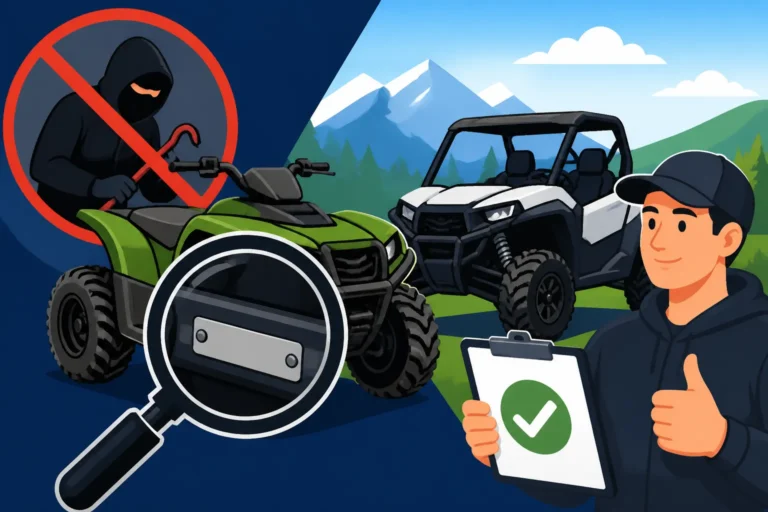
The Vehicle Identification Number (VIN) is the unique identifier for your ATV or UTV, much like a serial number on any other piece of equipment. It’s essential for registration. This 17-character code can usually be found stamped directly on the frame of your machine, often near the steering column, on the engine casing, or under the seat. It will also be listed on your MSO, NVIS, or bill of sale. Make sure the VIN you provide matches exactly what's on your machine and your ownership documents. Any discrepancy will lead to delays.
Beyond the VIN, the registry agent will also need to know the make (e.g., Polaris, Can-Am, Honda), model (e.g., RZR, Outlander, Foreman), and year of manufacture for your machine. This information helps them accurately categorize your OHV within their system. It's wise to double-check these details against your ownership papers before heading to the registry. Having this specific information readily available ensures a smooth processing experience.
What Changes for a Used Machine or Special Circumstances
Registering a used ATV or UTV comes with its own set of nuances compared to a brand-new one. The biggest difference usually revolves around proving ownership and ensuring there are no hidden issues from previous owners. Special circumstances, like inheriting a machine, also have specific requirements.
Transferring Ownership from a Private Seller
When you buy a used OHV from a private seller, the bill of sale becomes the most critical document. It needs to be clear, comprehensive, and legally sound. It should include:
- The full names and addresses of both the buyer and the seller.
- The date of the sale.
- The purchase price (even if it was a gift, state "gift" or a nominal amount).
- The complete VIN of the ATV or UTV.
- The make, model, and year of the machine.
- Signatures of both the buyer and the seller.
While a simple handwritten bill of sale can sometimes work, using a template from a reputable source like LawDepot can prevent issues by ensuring all necessary details are covered. This protects both parties and makes the transfer process much smoother at the registry. The previous owner's registration certificate is also helpful, though not always mandatory if a solid bill of sale is present. For a deeper dive, consider [Will a Handwritten Bill of Sale Register a Quad?]. This whole process is often referred to as [Alberta Registration Transfer After a Sale].
Dealing with Lost or Missing Ownership Documents
This is where things can get tricky and frustrating. If you've purchased a used machine and the seller doesn't have the original bill of sale or the previous registration, you might have a problem. Registry agents need a clear chain of ownership. In such cases, you might need to obtain a sworn statement (affidavit) from the seller, attesting to their ownership and the sale to you. This affidavit must be signed in front of a Commissioner for Oaths or a Notary Public.
Sometimes, if the machine has been out of the registration system for a long time, or if the VIN is damaged, you might face further hurdles. In some extreme cases, particularly with very old machines or those with questionable origins, the registry might require additional inspections or deny registration until a clear chain of ownership can be established. This is why it's always critical to [Checking a Serial Number for Theft Before You Pay] when buying a used machine; you don't want to get caught up in someone else's legal mess.
Inherited Machines and Deceased Estates
If you've inherited an ATV or UTV, the paperwork involves more than just a bill of sale. You'll need documentation that proves you are the rightful inheritor. This usually means providing a copy of the death certificate of the deceased owner and either the Last Will and Testament or Letters of Administration/Probate, depending on whether the estate went through probate.
The registry agent will need to see proof that the machine was legally bequeathed to you or that you are the executor/administrator of the estate with the authority to transfer ownership. This can be a sensitive time, and dealing with paperwork adds stress, but ensuring all legal steps are followed will prevent future complications. For detailed guidance on this, look into [Alberta Registration After the Owner Dies].
Keeping Your Registration Current: Renewals and Changes
Getting your ATV or UTV initially registered is just the first step. To legally operate your off-highway vehicle on public land in Alberta, you must keep its registration current and ensure all your personal details are up-to-date. This ongoing maintenance of your records is crucial for compliance.
Renewing Your Existing ATV or UTV Registration
Like a car, your OHV registration has an expiry date. You'll receive a renewal notice, usually by mail or email, before your registration is due. Renewing is generally much simpler than initial registration. You typically only need:
- Your existing Alberta registration certificate or the renewal notice.
- Valid personal identification (Alberta Driver's License or ID Card).
- Proof of Alberta residency if your ID doesn't reflect your current address.
You can often renew your registration online, which is a huge convenience, or in person at any Alberta Registry Agent. Be mindful of the expiry date to avoid any lapse in coverage, which could lead to penalties if you're caught riding an unregistered machine. For information on the online process, refer to [Alberta ATV Registration Renewal Online]. Keep in mind that [When an Alberta OHV Registration Expires], you're no longer legal to ride on public land.
Updating Your Information: Address Changes or New Owners
Life happens, and sometimes you move or decide to transfer ownership of your machine. If you change your address within Alberta, you are legally required to update your vehicle registration details. This is usually a quick process at a registry agent, where you'll need to show updated proof of address. Neglecting this could mean you miss important notices and could even lead to issues if stopped by law enforcement.
If you sell your machine, the responsibility of the paperwork shifts. As the seller, you should provide a comprehensive bill of sale to the buyer. It's also a good idea to notify a registry agent that you've sold the machine, especially if the buyer is slow to register it in their name. This helps protect you from any liabilities once the machine is out of your possession. Conversely, if you're the buyer, ensure you register the machine in your name as soon as possible to establish legal ownership. [Alberta Registration Address Change] is a simple but critical step.
Common Paperwork Pitfalls and How to Avoid Them
Even with the best intentions, it's easy to stumble over common administrative hurdles when registering an OHV. Knowing these potential pitfalls ahead of time can save you a significant amount of stress and time, making your visit to the registry agent much more efficient.
Incomplete or Illegible Forms
Whether you're filling out a bill of sale or any other document, accuracy and legibility are paramount. A form with missing information or handwriting that's difficult to read can lead to an immediate rejection of your application. Registry agents are processing a high volume of documents, and they can't make assumptions.
Always take your time when filling out forms. Print clearly, using block letters if necessary. Double-check that all required fields are completed. If you're unsure about a section, ask the registry agent or consult their website beforehand. Using pre-printed forms or online templates, especially for a bill of sale (like those found on LawDepot), can help ensure all necessary information is captured and presented clearly. Remember, the goal is to make the process as straightforward as possible for the person reviewing your documents.
The Importance of Accurate VINs
The Vehicle Identification Number (VIN) is the cornerstone of your OHV's identity. Any discrepancy between the VIN on your ownership documents and the actual VIN on the machine, or an incorrectly transcribed VIN on a form, will halt your registration dead in its tracks. This is a common mistake that causes significant delays.
Before you even head to the registry, physically locate the VIN on your ATV or UTV. Write it down carefully, then compare it character by character with your bill of sale, MSO, or NVIS. Take a photo of the VIN on the machine as a backup. This simple verification step can prevent a frustrating and unnecessary second trip to the registry. The registry agent will use this VIN to process your Alberta Registration Paperwork Checklist and link it to your name.
Out-of-Province or Imported Machines
Bringing an ATV or UTV into Alberta from another province or country introduces additional layers of paperwork. If you're moving to Alberta from another Canadian province with your OHV, you'll need to provide proof of prior registration in that province, along with your bill of sale and personal identification. There might be a short grace period, such as the [Alberta's 30-Day Rule for Out-of-Province Machines], but you'll eventually need to register it here.
For machines imported from outside Canada, particularly from the United States, the process is more complex. You'll need customs clearance documents, import forms, and potentially federal inspection certificates. It's crucial to research the specific federal and provincial requirements for importing vehicles before you bring the machine into Alberta, as failing to do so can result in significant delays, fees, or even the inability to register your machine. Resources like the Canadian Border Services Agency (CBSA) and Transport Canada websites are excellent starting points for this type of query. For example, specific requirements apply for [Alberta Registration for a Machine From BC].
Here's a quick reference table for the most common documents:
| Document Type | New Machine (Dealer) | Used Machine (Private Seller) | Renewing Existing Registration | Special Cases (Inherited) |
|---|---|---|---|---|
| Proof of Ownership | Original MSO/NVIS | Detailed Bill of Sale (e.g., LawDepot) | Existing Registration Cert. | Death Cert + Will/Probate Docs |
| Personal ID | Valid Alberta Driver's/ID Card | Valid Alberta Driver's/ID Card | Valid Alberta Driver's/ID Card | Valid Alberta Driver's/ID Card |
| Residency Proof | Utility Bill (if ID outdated) | Utility Bill (if ID outdated) | Utility Bill (if ID outdated) | Utility Bill (if ID outdated) |
| Vehicle Info | VIN, Make, Model, Year | VIN, Make, Model, Year | (On existing cert) | VIN, Make, Model, Year |
| Previous Reg. | Not applicable | Previous owner's (if available) | (On existing cert) | Deceased owner's (if available) |
| Other Forms | Dealer paperwork (may vary) | N/A | N/A | Affidavit (if ownership unclear) |
This comprehensive guide should help you gather all the necessary documents and confidently approach your Alberta registry agent. Having everything in order truly makes a difference, allowing you to spend less time on paperwork and more time enjoying Alberta's incredible landscapes with your ATV or UTV. What an officer needs to see on demand, including your registration, is covered in [What an Alberta Officer Can Ask to See], so always keep your documents current and accessible.
Disclaimer
This article is for general informational purposes only and does not constitute professional advice. Laws, prices and regulations vary by location and change over time. Consult a qualified professional for guidance on your specific situation.