Alberta Registry Agents and OHV Paperwork
If you've ever tried to register an off-highway vehicle (OHV) in Alberta, you know it can feel like navigating a maze of paperwork and procedures. It's easy to get overwhelmed by what documents you need, where to go, and what to expect. This guide is here to cut through the confusion, offering a clear, empathetic walkthrough of everything you need to know about dealing with Alberta registry agents and preparing your OHV paperwork for a smooth registration process.
The Crucial Role of Registry Agents in Alberta's OHV World
For many Albertans, the thought of government paperwork brings a sigh, and OHV registration is no exception. But here's the thing: you can't just walk into a government office or fill out a form online and expect your quad or side-by-side to be legally ready for the trails. In Alberta, registry agents are the essential bridge between you and the provincial government for services like vehicle registration, including your beloved OHV. They are privately operated businesses licensed by the province to provide these services, acting as the primary point of contact for riders like us.
They exist because the province recognized that centralizing all these services would lead to long lines and frustrated citizens. By decentralizing through registry agents, they aim to make processes more accessible and efficient for everyone. Think of them as your local go-to experts who handle the nitty-gritty details of ensuring your machine is properly documented and legal. It’s a system designed to be convenient, but knowing how to use it effectively is key to avoiding headaches.
Why You Can't Bypass a Registry Agent
When it comes to registering an OHV in Alberta, skipping the registry agent simply isn't an option. Unlike some other jurisdictions or even certain online services you might use for renewals, new registrations or transfers must go through a licensed registry agent. This isn't just a suggestion; it's a fundamental part of Alberta's system for ensuring vehicle ownership is properly tracked and that all the necessary checks and balances are in place.
Trying to bypass them would be like trying to get your driver's license directly from the provincial government without going through a registry service—it just doesn't work that way. The agents are equipped with the secure systems and training required to process your documents, verify your identity, and issue your registration certificate and plate. They're the gatekeepers, in the best sense of the word, ensuring that every OHV on public land is accounted for. So, while you might wish for a simpler, direct-to-government portal for everything, for initial OHV registration and transfers, a visit to a registry agent is an absolute must.
What Services Registry Agents Provide for OHVs
Registry agents offer a comprehensive suite of services that go far beyond just handing over a plate. For OHV owners, they are the single point of contact for:
- New Registrations: Whether your machine is fresh off the dealer lot or new to Alberta, they handle the initial setup.
- Registration Renewals: While some renewals can be done online, many riders still prefer the in-person service, especially if there are questions or other services needed.
- Ownership Transfers: Crucial when buying or selling a used OHV, ensuring the ownership chain is legally sound.
- Plate Issuance and Replacement: If you're registering a new machine or need to replace a lost or damaged plate, they'll sort it out. [Alberta Plate Replacement If Lost]
- Lien Searches: They can perform searches to ensure a used OHV isn't encumbered by outstanding debt, a vital step for buyers.
- Name and Address Changes: Keeping your registration details current is important, and they facilitate these updates.
- Registration Cancellations: If you're selling your machine out of province or taking it off the road permanently, they can help you cancel the registration.
Essentially, any administrative task related to the legal standing of your OHV with the province will likely involve a registry agent. They’re there to guide you through the process, answer your questions, and ensure you leave with all the correct documentation. Their knowledge of [What the Traffic Safety Act Requires of Alberta OHVs] is invaluable, especially if you're unsure about specific regulations.
Finding the Right Registry Agent Location
With over 200 registry agent locations across Alberta, finding one isn't usually the problem. The real challenge, sometimes, is finding one that's convenient, has reasonable wait times, and perhaps even specializes a bit in vehicle services, which can streamline your visit. Most communities, even smaller towns, will have at least one registry office. Larger cities, of course, have many more, often located in shopping centres or commercial districts for easy access.
My advice? Don't just pick the first one you see. A quick online search for "Alberta registry agents near me" or checking the provincial government's registry agent locator tool will give you a list. From there, you can often check their hours, specific services, and sometimes even wait times. It can be worth calling ahead, especially if you have a complex situation, to confirm their specific requirements or to see if you can book an appointment. Some agents are more familiar with the nuances of OHV paperwork than others, so a little pre-call can save you a lot of time and potential frustration. Remember, these are independent businesses, so their service levels and specific offerings might vary slightly.
Your OHV Paperwork Checklist: What You Absolutely Need
The single biggest reason for a failed trip to the registry is incomplete or incorrect paperwork. It's frustrating to drive all the way there, wait in line, and then be told you're missing a crucial document. Trust me, I've seen it happen countless times, and it's a mood killer. Preparing thoroughly is the best way to ensure your visit is productive. This isn't just about saving time; it's about making sure your OHV is legally registered so you can hit the trails without worry. Consider this your definitive checklist to avoid that dreaded "Sorry, you're missing…" conversation.
Proof of Ownership: The Foundation of Your Registration
This is the bedrock of your OHV registration. You cannot register a machine in your name if you cannot definitively prove that you own it. The registry agent needs to see a clear, unbroken chain of ownership that ends with you. For a brand new machine, this is usually straightforward: the dealer will provide a Manufacturer's Statement of Origin (MSO) or a New Vehicle Information Statement (NVIS). This document essentially proves the machine's birth and its first sale to a consumer.
For a used machine, it becomes a bit more complex. You'll typically need a bill of sale, often supplemented by the previous registration certificate. The bill of sale must clearly identify the vehicle (VIN, make, model), the buyer, the seller, the date of sale, and the purchase price. Both parties should sign it. Any gaps in this chain, like a missing bill of sale from an intermediate owner, can cause significant delays and may require you to jump through extra hoops to establish ownership. Always prioritize obtaining a comprehensive bill of sale, even for what seems like a simple transaction between friends. For more details on what's required, check out [Alberta Registration Paperwork Checklist].
Personal Identification: Proving You're You
While proving ownership of the OHV is critical, proving who you are is equally important. Registry agents are bound by strict rules regarding identity verification to prevent fraud and ensure that vehicles are only registered to their rightful owners. You'll need to present valid, government-issued identification. This almost always means your valid Alberta Driver's License or a valid Alberta Identification Card.
It's not just about showing any ID; it needs to be current, contain your photo, and include your full legal name and current address. If your ID has an old address, you might need to bring additional proof of residency, like a utility bill or bank statement, to prove you now live in Alberta. [Alberta Proof of Residency for Visitors] is something to consider if you're new to the province. Don't forget, if you're registering an OHV for a business, you'll need the appropriate business registration documents in addition to your personal ID. A thorough registry agent will scrutinize these documents carefully, so ensure everything is in order before you arrive.
The Importance of the Manufacturer's Statement of Origin (MSO) or Bill of Sale
These documents are not just pieces of paper; they are the legal backbone of your OHV's existence and ownership transfer.
The Manufacturer's Statement of Origin (MSO), sometimes called a New Vehicle Information Statement (NVIS), is the original certificate issued by the manufacturer when the OHV is produced. It's like the birth certificate for your machine. It proves the vehicle has never been registered before and lists its key identifying information, such as the VIN, make, model, and year. When you buy a brand-new OHV from a dealer, they will provide this to you, often signing it over or noting the sale directly on it. Without this, a new machine cannot be registered. Knowing [What a Manufacturer's Statement of Origin Proves] can save you a lot of grief.
For used OHVs, the Bill of Sale takes centre stage. This is your legal contract with the seller. It's paramount that this document is clear, complete, and accurate. It must include:
- The full legal names and addresses of both the buyer and seller.
- The date of the sale.
- A clear description of the OHV, including the Vehicle Identification Number (VIN), make, model, and year.
- The purchase price (even if it was a gift, a nominal amount or "gift" should be stated).
- The signatures of both the buyer and the seller.
A handwritten bill of sale can be perfectly acceptable, but it needs to contain all this information. [Will a Handwritten Bill of Sale Register a Quad?] Yes, but it has to be robust. Using a template can help ensure you don't miss anything crucial. For instance, services like LawDepot offer customizable bill of sale templates that can guide you in drafting a document that meets all the necessary legal requirements, giving you peace of mind during a private sale.
Dealing with Missing or Incomplete Paperwork
This is where things can get tricky, and where many OHV owners experience significant frustration. If you arrive at the registry with missing or incomplete paperwork, your registration will likely be rejected. Common scenarios include:
- Missing Bill of Sale: Perhaps you bought the OHV years ago, lost the paper, or inherited it without proper documentation. In such cases, you might need to provide a statutory declaration, an affidavit swearing to your ownership and how you acquired the machine. This usually needs to be witnessed by a Commissioner for Oaths or a Notary Public.
- Missing or Damaged VIN: If the Vehicle Identification Number is unreadable or absent, the registry agent will not be able to process your registration. This is a big problem because the VIN is how the OHV is uniquely identified. You might need to contact the manufacturer or a specialized VIN verification service. [Alberta Registration When the VIN Is Gone] explains this challenge in more detail.
- Unclear Chain of Ownership: If the previous owner didn't register the machine in their name, or if there are multiple transfers not properly documented, you might have difficulty proving you are the rightful owner. You may need to track down previous owners or provide additional statutory declarations.
It’s always best to be proactive. Before heading to the registry, go through your documents carefully. If you anticipate any issues, call the registry agent first to ask what alternatives or additional steps they recommend. This can save you a wasted trip and a lot of headaches. Sometimes, spending a bit of time gathering extra proofs upfront can prevent weeks of delays.
Registering Your OHV: Navigating Common Scenarios
Not all OHV registrations are created equal. The paperwork and process can differ significantly depending on how you acquired your machine and its origin. Understanding these different scenarios beforehand can help you prepare precisely what you need, making your trip to the registry agent much more efficient. Whether you're a first-time owner or bringing a machine in from another province, knowing the specific hoops to jump through is half the battle.
Brand New Machine: Dealer Paperwork Demystified
Congratulations on your new ride! Buying a brand-new OHV from a dealership in Alberta typically makes the registration process the most straightforward. Dealers are well-versed in the requirements and usually handle a lot of the initial paperwork for you, sometimes even submitting it electronically or providing you with a complete packet to take to the registry.
What you'll typically receive from the dealer includes:
- Manufacturer's Statement of Origin (MSO) or New Vehicle Information Statement (NVIS): As mentioned, this is the OHV's "birth certificate." The dealer will sign it over to you.
- Bill of Sale: A detailed invoice showing the purchase price, taxes paid, and all the specifics of the machine.
- GST Paid Documentation: While Alberta doesn't have provincial sales tax, GST is still applied to new OHV purchases. Your dealer invoice will reflect this.
When you take these documents to the registry agent, along with your personal ID, they will use the MSO/NVIS to establish the OHV's first registration in Alberta under your name. They'll issue your registration certificate and your new OHV plate. It’s usually a smooth process, designed to get you on the trails quickly. Just make sure to double-check that the VIN on all documents matches the VIN on your machine before you leave the dealership.
Buying Used from a Private Seller: Protecting Yourself
This is where a little extra vigilance goes a long way. Private sales are common for OHVs, and while they can offer great deals, they also carry more risk. The onus is entirely on you, the buyer, to ensure all the paperwork is correct and that you're not purchasing a stolen or encumbered machine.
Key documents for a private sale:
- Comprehensive Bill of Sale: This is your absolute most critical document. Ensure it includes all the details outlined previously (buyer/seller names, VIN, date, price, signatures). A well-drafted bill of sale, perhaps one created using a service like LawDepot, provides a solid legal record of the transaction. Never settle for just a scribble on a napkin.
- Previous Registration Certificate (if available): While not strictly required if you have a solid bill of sale, having the previous owner's registration certificate is incredibly helpful as it verifies the VIN and shows the machine was previously registered in Alberta.
- Proof of Lien Search (for your protection): Before handing over any money, always conduct a Personal Property Registry (PPR) search to confirm there are no outstanding liens or debts against the OHV. If there is a lien, the seller needs to clear it before the sale can be finalized. [Checking a Serial Number for Theft Before You Pay] is crucial, and a registry agent can perform this search for you.
When you go to register, the registry agent will need your personal ID and the properly completed bill of sale. They will transfer the ownership from the previous owner's record to yours and issue a new registration certificate and possibly a new plate if the old one isn't transferred. Take your time, ask questions, and don't rush the paperwork.
Out-of-Province Machines: Bringing Your Ride to Alberta
Moving to Alberta with your OHV, or buying one from a neighbouring province, requires a few extra steps to ensure it meets Alberta's registration standards. Alberta has a "30-day rule" for new residents, meaning you have 30 days to register your out-of-province OHV once you become a resident. [Thirty Days in the Province] is an important deadline to remember.
You'll need:
- Original Registration Certificate from the previous province/state: This proves it was legally registered there.
- Bill of Sale: If you recently purchased it, even if it was out-of-province, you'll need the bill of sale.
- Your Alberta Driver's License or ID card: To prove residency.
- Proof of Residency: If your ID doesn't reflect your current Alberta address, bring additional documents like a lease agreement or utility bill.
The registry agent will treat this much like a new registration, but they'll record its previous provincial history. They'll verify the VIN and issue you an Alberta registration certificate and plate. Be aware that provincial regulations for OHVs can differ significantly, so while your machine might have been legal in BC or Saskatchewan, ensure it meets all Alberta's operational requirements before hitting the trails. For specific comparisons, you might look at [Alberta Registration Compared to BC] or [Alberta Registration for a Machine From BC].
Inherited or Gifted OHVs: Special Considerations
Receiving an OHV as a gift or through inheritance is a wonderful gesture, but the paperwork can sometimes be more complex than a straightforward purchase. The goal is still to establish a clear chain of ownership to you.
For a gifted OHV, you will need:
- A "Gift Letter" or Bill of Sale: This document should clearly state that the OHV is being gifted to you, include the VIN and details of the machine, and be signed by the person gifting it. Even though no money exchanged hands, a document proving the transfer is essential. LawDepot can be a useful resource here again, as their bill of sale templates can be adapted to reflect a gift transaction rather than a sale, ensuring all the necessary legal language is present.
- Previous Registration Certificate: If the machine was previously registered, this helps.
- Your Personal ID.
For an inherited OHV (after the owner passes away), the process can be more involved, often requiring legal documents related to the estate:
- Letters of Probate or Grant of Administration: These court documents prove you have the legal authority to act on behalf of the deceased's estate.
- Death Certificate: To confirm the previous owner's passing.
- Previous Registration Certificate: Again, very helpful.
- Your Personal ID.
The registry agent will carefully review these documents to ensure the transfer is legal and valid. This scenario often benefits from a call to the registry agent beforehand, as they can advise on the precise documents needed based on the specifics of the estate. The process for [Alberta Registration for an Inherited Machine] is designed to be thorough to protect all parties.
Common Hurdles and How to Smooth Your Registry Visit
Nobody enjoys a bureaucratic run-around, and visiting a registry agent can sometimes feel like one if you're not prepared. The key to a smooth, efficient visit is anticipation. Knowing what common issues can arise and how to proactively address them will save you immense frustration, time, and potentially multiple trips. Think of it as a pre-ride inspection for your paperwork – you wouldn't hit the trails without checking your tires, right? Don't hit the registry without checking your documents.
Incorrect or Incomplete Documentation: The Time Sink
This is, by far, the most frequent reason for delays and rejected registrations. It’s truly disheartening to get to the front of the line, only to be told you're missing a signature, a date, or an entire document. Common errors include:
- Missing Signatures: Ensure both buyer and seller have signed the bill of sale.
- Incomplete Information: Fields like the full VIN, purchase price, or full names and addresses left blank on the bill of sale.
- Outdated ID: Your driver's license has an old address, or it's expired.
- Missing MSO/NVIS: For new machines, this is non-negotiable.
- No Lien Search Performed: While not strictly their hurdle, it could become yours if you buy an encumbered machine.
Before you even step out the door, gather all your documents on your [Alberta Registration Paperwork Checklist] and go through them item by item. Double-check every blank, every signature, every date. Imagine you are the registry agent, looking for any reason to say no. If something seems off, try to correct it before you go. A little extra time at home can prevent a lot of wasted time at the registry.
Understanding Alberta's OHV Laws and Regulations
It's not just about the paperwork; it's also about understanding the legal framework your OHV operates within. Registry agents are there to process your registration, but they also represent the provincial rules. Being aware of basic requirements will help you understand why certain documents are needed and what your responsibilities are as an OHV owner in Alberta.
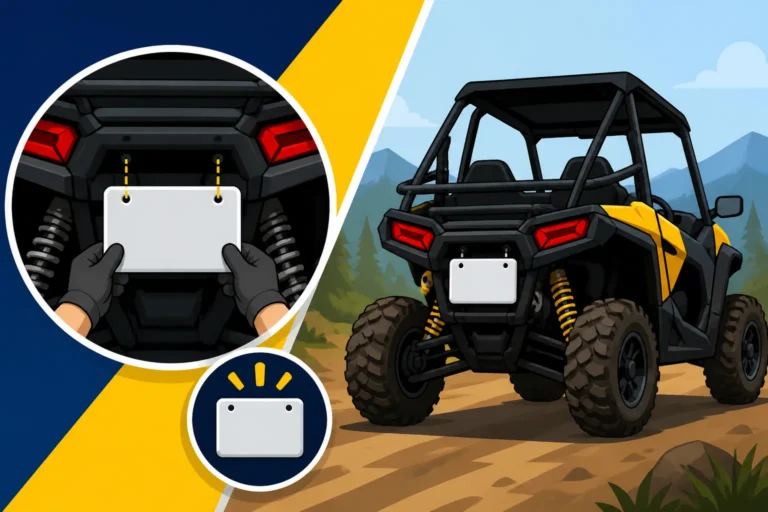
For instance, understanding that [Alberta Issues a Plate, Not a Sticker] is a small but important detail. Knowing that [Alberta Digital Certificates Must Be Printed] because digital copies aren't always accepted on the trail can save you from a potential ticket. While you don't need to be a legal expert, a general awareness of regulations, such as needing a spark arrestor or not having a modified exhaust, will help you understand the context of your registration. This proactive knowledge not only helps you at the registry but ensures you're a responsible rider once your machine is legal.
Dealing with Liens and Encumbrances
This hurdle primarily applies to buyers of used OHVs and it's a critical one. An encumbrance, most commonly a lien, means that someone other than the current owner has a legal claim on the vehicle – usually a financial institution that provided a loan for its purchase. If you buy a machine with an active lien, you could become responsible for that debt, and the lender could legally repossess the OHV, even though you bought it in good faith.
Registry agents can perform a Personal Property Registry (PPR) search for you. This search costs a small fee but is an invaluable investment. It will tell you if there are any outstanding liens against the OHV's VIN. If a lien exists, the seller MUST clear it before you finalize the purchase. You should request proof that the lien has been discharged before completing the transaction. Never assume a seller will take care of it later; always ensure it's cleared before you pay. Failing to address a lien is one of the most financially devastating mistakes a used OHV buyer can make.
Registry Counter Fees and Payment Methods
While the provincial government sets the base registration fee, registry agents, as private businesses, are permitted to charge an additional service fee for processing your transaction. This fee varies slightly between agents but is usually a modest amount. It’s important to understand that [Alberta Registry Counter Fees] are separate from the government portion of the registration cost.
- Registration Fee: This is the base cost mandated by the province for your OHV registration. [What Alberta OHV Registration Costs] will give you an idea of this.
- Service Fee: The registry agent's charge for providing the service.
Most registry agents accept various payment methods, including debit, credit cards, and cash. It's always a good idea to confirm their accepted payment methods before your visit, especially for larger transactions or if you're planning to pay with something less common. Having your payment ready will ensure a smooth final step in your registration process.
Specific Requirements for Different Off-Highway Vehicles
While the core principles of OHV registration—proof of ownership and personal ID—remain consistent, there can be subtle differences in how various types of off-highway vehicles are treated. It’s worth understanding these nuances, as they might affect the paperwork you need or specific questions a registry agent might ask. Alberta's OHV definition is broad, covering a range of recreational machines, but each has its own characteristics.
Quads and ATVs: Standard Procedures
The quad, or All-Terrain Vehicle (ATV), is arguably the most common type of OHV in Alberta, and its registration process is usually considered the standard. When you register a quad, you'll generally follow the steps outlined in the previous sections: provide proof of ownership (MSO for new, bill of sale for used), your personal identification, and pay the applicable fees.
Registry agents are very familiar with quad registrations, making it a relatively straightforward process. They'll issue your registration certificate and an [Alberta Issues a Plate, Not a Sticker], which must be visibly displayed on your machine. Ensure the VIN on your paperwork matches the VIN stamped on your quad's frame, typically found on the front left side near the suspension or on the frame near the footrests. This consistency is vital for legal identification and tracking.
Side-by-Sides (UTVs): Often Mirroring Quads
Side-by-sides (SxS) or Utility Terrain Vehicles (UTVs) have exploded in popularity, offering more seating and cargo capacity than traditional quads. From a registration standpoint in Alberta, they are generally treated very similarly to ATVs. The same requirements apply: proof of ownership, personal ID, and payment of fees. You'll receive a standard OHV plate for your side-by-side.
However, because side-by-sides can sometimes be mistaken for small cars or golf carts by the uninformed, it's particularly important to be clear that you are registering an off-highway vehicle. Ensure the VIN is easily accessible and verifiable. If you're registering a side-by-side, you might want to review [Alberta Registration for a Side-by-Side] for specific details. While the paperwork might be identical to a quad, ensure the agent correctly identifies it for their internal records.
Dirt Bikes and Snowmobiles: What Sets Them Apart
While dirt bikes and snowmobiles fall under the broad umbrella of OHVs in Alberta, there are a few distinct characteristics that might slightly alter your registration experience or warrant specific attention.
Dirt Bikes: These two-wheeled off-road machines follow the same general registration rules as quads. However, sometimes there can be confusion if a dirt bike looks street-legal or has been modified. Be prepared to clearly state it's for off-highway use. Just like other OHVs, a VIN is crucial, and you'll need an MSO or bill of sale. For more specifics, check out [Alberta Registration for a Dirt Bike]. The plate will still be required and must be affixed visibly.
Snowmobiles: Snowmobiles are unique in that they are seasonal machines, but they still require registration. The process is identical to ATVs and side-by-sides: MSO/bill of sale, personal ID, fees, and you'll receive a plate. The only real "set apart" is their operational season, but their administrative registration is consistent. If you're specifically registering a snowmobile, [Alberta Registration for a Snowmobile] might offer more targeted insights. The important thing is that like any other OHV, they cannot be operated on public land without valid registration.
Beyond Initial Registration: Renewals, Transfers, and Cancellations
Getting your OHV registered the first time is a significant step, but the journey doesn't end there. Throughout your ownership, you'll likely encounter needs for renewals, transfers, or even cancellations. These ongoing administrative tasks are just as important as the initial registration to keep you riding legally and to ensure a smooth transition if you ever decide to sell your machine. Understanding these processes ensures you maintain compliance and avoid potential penalties down the line.
Annual Renewals: Keeping Your Registration Current
Unlike passenger vehicles, OHV registrations in Alberta are typically issued for either one or two years. It's your responsibility to know when your registration expires and to renew it before that date. Riding an unregistered OHV on public land can lead to fines and even vehicle seizure. [Alberta Penalties for Riding Unregistered] are no joke.
When it comes to renewals, you have a couple of options:
- Online Renewal: Many OHV owners find it convenient to renew their registration online through the Alberta government's MyAlberta eServices portal. You'll need your current registration certificate details and a credit card for payment. [Registering an ATV in Alberta Online] covers this in more detail. It's a straightforward process, but remember to print your digital certificate, as [Alberta Digital Certificates Must Be Printed] for proof on the trail.
- In-Person at a Registry Agent: If you prefer face-to-face service, have questions, or need to combine your renewal with other services (like an address change), you can always visit a registry agent. You'll need your existing registration certificate and personal ID.
Regardless of how you renew, ensure it's done before the expiry date. There's no grace period for expired registrations when you're out on public lands. Remember that [Why Your Renewal Costs More Than the Base Fee] is often due to the registry agent's service charges added to the provincial fee.
Transferring Ownership After a Sale
Selling your OHV to another individual means you need to officially transfer ownership. This is a critical step for both the seller and the buyer. As the seller, transferring ownership removes your name and liability from the machine's registration. As the buyer, it ensures you can legally register the machine in your name.
The process for [Alberta Registration Transfer After a Sale] typically involves:
- Seller's Responsibilities: Provide a comprehensive bill of sale to the buyer. It's wise to make a copy for your own records. You might also want to remove your OHV plate if the buyer is registering with a new one. Some sellers choose to cancel their registration entirely.
- Buyer's Responsibilities: The buyer must take the bill of sale (and previous registration if provided) and their personal ID to a registry agent to register the OHV in their name. This effectively transfers the ownership on the provincial database.
It’s advisable for both parties to act promptly. For the seller, ensuring the transfer happens swiftly limits potential liability if the new owner were to be involved in an incident. For the buyer, it means they can legally ride their new machine sooner.
Cancelling an OHV Registration: When and How
There are several reasons why you might need to cancel your OHV registration in Alberta:
- Selling the OHV out-of-province: If the machine is leaving Alberta, your registration is no longer relevant.
- Scrapping or Total Loss: If your OHV is no longer operational or has been written off, cancelling the registration prevents it from being mistakenly associated with you.
- Long-term Storage: If you plan to store the OHV for an extended period and won't be using it on public land, you might choose to cancel to avoid renewal fees. [Cancelling an Alberta ATV Registration] is an option.
To cancel, you typically need to visit a registry agent in person with your personal ID and your current registration certificate. They will process the cancellation and provide you with a confirmation. Keep this confirmation for your records. Remember, once cancelled, if you ever wish to use the machine on public land again, it will need to be re-registered, potentially as a new registration depending on the length of cancellation. While there is no refund for the unused portion of a registration, cancelling removes your legal obligation.
Costs and Fees Associated with OHV Registration
Let's talk about money. Nobody enjoys unexpected costs, and understanding the financial aspect of OHV registration in Alberta can help you budget and avoid surprises. The costs involved aren't just a single flat fee; they typically comprise a provincial registration fee and additional charges from the registry agent. Being prepared for these costs is just another way to ensure your visit is smooth and successful.
The Base Registration Fee
This is the core cost set by the provincial government for the act of registering your off-highway vehicle. This fee contributes to the administration of the OHV program and other government initiatives. For a new registration or a renewal, this fee is consistent across all registry agents in Alberta. It's the same amount whether you're registering a quad, a side-by-side, or a snowmobile.
While I can't give you exact figures, it's important to understand this is the primary government charge. This fee is non-negotiable and must be paid to get your OHV legally registered. This is also the portion of the fee that is typically quoted when people ask [What Alberta OHV Registration Costs]. This is usually charged for one year or two years of registration, depending on the term you select.
Registry Agent Service Charges
As private businesses, Alberta registry agents levy a service charge on top of the provincial registration fee. This charge covers their operational costs, staff wages, and the convenience of providing localized service for a wide array of government transactions. The service charge can vary slightly from one registry agent to another, though they are usually within a similar range.
This is why [Why Your Renewal Costs More Than the Base Fee] might be a question for some; the total amount you pay at the counter includes both the provincial fee and the registry agent's administrative charge. These charges are clearly itemized on your receipt. It’s a small price to pay for accessing these essential services in your community, rather than having to travel to a central government office. Always factor in this additional fee when budgeting for your registration or renewal.
Taxes and Additional Costs on Purchase
When you purchase an OHV, especially a new one from a dealer, there will be additional costs beyond just the registration.
- Goods and Services Tax (GST): Canada has a federal GST, which applies to the purchase of new and sometimes used goods and services. Alberta does not have a provincial sales tax, which is a nice bonus compared to some other provinces. However, the federal GST will be added to the purchase price of your OHV. Your dealer invoice will clearly show this.
- Dealer Fees: If buying from a dealership, you might encounter other fees like freight, pre-delivery inspection (PDI), or administrative fees. These are part of the purchase price, not the registration fee itself, but they contribute to the overall cost of getting your machine ready to ride.
- Lien Search Fees: As discussed, performing a Personal Property Registry (PPR) search for a used OHV comes with a small fee charged by the registry agent. This is an optional but highly recommended cost.
It’s always a good practice to ask for a full breakdown of all costs when purchasing an OHV, both from the dealer and when planning your registration visit. Being informed helps you budget accurately and ensures there are no surprises when you're ready to hit the trails.
Preparing Your Paperwork: Tips and Tools for Success
The thought of organizing paperwork can be daunting, but with a few smart strategies and the right tools, you can make your OHV registration process a breeze. My goal is to empower you to walk into that registry office with confidence, knowing you have everything you need. It’s all about planning and leveraging available resources.
Utilizing Online Resources and Checklists
The internet is your friend when it comes to preparing for any bureaucratic task. The Alberta government website and many registry agent websites often provide comprehensive checklists for various services, including OHV registration. These checklists are invaluable. Print one out and use it as a guide to gather every single document.
- Government Websites: Look for official Alberta government sites for "off-highway vehicle registration" or "vehicle registration requirements." These will give you the authoritative list of documents.
- Registry Agent Websites: Many individual registry agent offices post their own specific checklists and often provide helpful tips based on common mistakes they see.
- Community Forums/Blogs: While not official, local OHV forums or blogs (like this one!) often share practical experiences and insights that can complement official information.
By using these resources, you can pre-emptively identify any missing documents or information. Think of it as your roadmap to a smooth visit.
The Value of a Well-Drafted Bill of Sale
I cannot stress this enough: for any private OHV sale, a meticulously drafted bill of sale is your best defense against future legal headaches and ensures a clear ownership transfer. A simple handwritten note on a scrap piece of paper, while sometimes technically acceptable, leaves too much room for ambiguity and dispute.
A well-drafted bill of sale should clearly include:
- The date of sale.
- Full legal names and contact information for both buyer and seller.
- The complete VIN, make, model, and year of the OHV.
- The agreed-upon purchase price (or state if it's a gift).
- A declaration that the seller has the right to sell the vehicle and that it's free of liens (if applicable).
- Signatures of both parties.
Using a template, especially from reputable sources like LawDepot, can make this process incredibly simple. Their templates guide you through all the necessary fields, ensuring no crucial detail is missed. This document not only satisfies the registry agent but also protects both the buyer and the seller. It’s a small effort that provides significant legal peace of mind.
What to Do If Your VIN is Missing or Damaged
This is one of those frustrating scenarios that can bring your registration process to a screeching halt. The Vehicle Identification Number (VIN) is the unique identifier for your OHV, and without a clear, verifiable VIN, a registry agent cannot register your machine.
If your VIN is missing, obscured, or damaged to the point of being unreadable:
- Consult the Manufacturer: Your first step should be to contact the manufacturer of your OHV. They might be able to provide documentation based on engine numbers or other identifiers, or guide you on how to get the VIN re-stamped or verified.
- Police Report: If you suspect the VIN was intentionally altered or removed (which could indicate a stolen vehicle), you must contact the police. Registering a vehicle with an altered VIN is illegal.
- Specialized VIN Verification: In some extreme cases, you might need to engage a specialized service to inspect the vehicle and verify its identity, potentially leading to a provincial VIN assignment, but this is rare for OHVs and typically involves a lengthy process.
The best advice is to verify the VIN's clarity and presence before you even purchase a used OHV or before attempting registration. [Alberta Registration When the VIN Is Gone] dives deeper into this complex issue, but the takeaway is clear: a readable, original VIN is non-negotiable for registration.
Disclaimer
This article is for general informational purposes only and does not constitute professional advice. Laws, prices and regulations vary by location and change over time. Consult a qualified professional for guidance on your specific situation.