Alberta Rules for a 12-Year-Old Rider
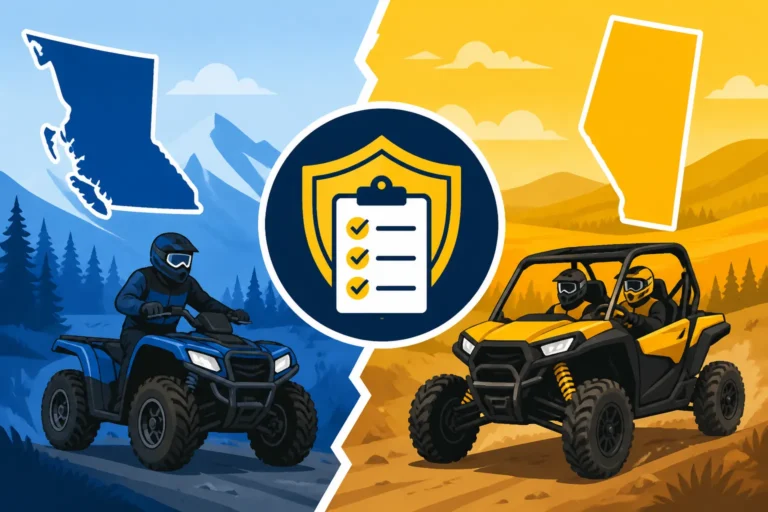
It can be incredibly exciting when your child expresses an interest in off-highway vehicle (OHV) riding, and seeing their enthusiasm to hit the trails is a fantastic feeling for any parent. However, the world of ATVs and UTVs comes with a distinct set of rules, especially for our younger riders in Alberta, and it's easy to feel overwhelmed trying to figure out exactly what’s allowed and what’s not for a 12-year-old. This guide is here to untangle the specific regulations, safety requirements, and best practices so you can confidently and legally get your 12-year-old rider out exploring Alberta's incredible landscapes.
The Core Rule: Age and Supervision for Young Riders
Alberta's regulations around youth OHV operation are designed with safety as the absolute priority, recognizing that riders under a certain age simply don't have the same judgment, strength, or reaction times as adults. This isn't about stifling fun; it's about making sure that every ride is as safe as possible for everyone involved. For parents and guardians, understanding these foundational rules is the first step in introducing a 12-year-old to the joys of off-roading.
The "Under 14" Rule and Adult Supervision
The most crucial piece of information for anyone with a 12-year-old aspiring rider is Alberta's explicit age restriction for operating an OHV on public land. The law states that riders must be at least 14 years old to operate an off-highway vehicle on public land without direct adult supervision. This means that if your child is 12, they absolutely cannot ride alone on public land. It's a hard and fast rule, and there's no real wiggle room when it comes to enforcement. This rule aims to protect young riders from situations they might not be equipped to handle independently, whether it's navigating challenging terrain, reacting to unexpected hazards, or dealing with mechanical issues.
While this might feel restrictive, it's really an invitation for family adventures. Think of it as an opportunity to ride together, share experiences, and teach them directly from your own riding knowledge. The time spent supervising them now is an investment in their future skills and safety. You're not just a supervisor; you're a mentor, helping them build confidence and competence on the trail. This also reinforces the importance of responsible riding from a young age, instilling habits that will serve them well for years to come.
What "Close Supervision" Really Means
Since a 12-year-old cannot ride unsupervised on public land, the concept of "close supervision" becomes paramount. But what exactly does that entail? The law defines it as being "within sight and hearing of, and able to provide immediate direction and assistance to, the person operating the off-highway vehicle." This isn't about being on the same trail system in general; it means being close enough to literally see and hear your child at all times and to be able to physically intervene if they get into trouble or need help. [Alberta Riders Under 14 Need Supervision] goes into more detail on this.
Imagine your 12-year-old navigating a tricky section of trail – a mud puddle, a steep incline, or a series of tight turns. "Close supervision" means you are right there, perhaps on your own machine a short distance behind or beside them, ready to offer advice, demonstrate a technique, or even stop them if they're about to make a risky move. It's not just about watching; it's about active engagement and readiness to assist. If they fall, get stuck, or encounter another rider, you need to be able to respond immediately. This kind of hands-on guidance is invaluable for developing their riding skills and judgment safely.
The Supervising Adult's Responsibilities
The burden of ensuring compliance and safety falls squarely on the shoulders of the supervising adult, who must be at least 18 years old. As the supervisor, you are essentially responsible for the 12-year-old's actions and safety on the OHV. This includes ensuring they are operating a machine appropriate for their size and skill level, that they are wearing all the required safety gear, and that they are riding within the designated areas and in a safe manner. [Alberta Rules for a Supervising Adult] elaborates on the full scope of this responsibility.
Your role extends beyond just physical proximity. It involves constant observation, offering coaching, and setting a good example. You should be teaching them about trail etiquette, environmental responsibility, and how to assess risks. If an enforcement officer encounters your 12-year-old riding on public land without you in close attendance, or if you're not fulfilling your supervisory duties, you, as the adult, could face penalties, not the child. This underscores the serious nature of the responsibility and why it's so important to take it seriously. It's about being present, engaged, and proactive in their riding development and safety.
Understanding Machine Size and Fit for 12-Year-Olds
Beyond the legal age requirements, one of the biggest factors in a young rider's safety and confidence is ensuring they are operating a machine that is perfectly suited to their size, strength, and experience level. Handing a powerful, full-sized ATV to a 12-year-old is a recipe for disaster, regardless of how skilled you think they are. The right machine makes learning safer and more enjoyable, while the wrong one can lead to injuries and a lifelong aversion to the sport.
Manufacturer Age Recommendations and Why They Matter
Every reputable ATV manufacturer provides age recommendations for their models, particularly for youth machines. These recommendations aren't just arbitrary suggestions; they are based on extensive research, safety testing, and consideration of a child's physical and cognitive development. For example, a 90cc ATV might be recommended for riders 10 and older, while a 250cc machine might be 16 and older. These guidelines take into account factors like engine size, weight of the machine, braking capability, suspension, and overall handling characteristics.
Ignoring these manufacturer recommendations can have serious consequences. A machine that is too heavy might be difficult for a child to right if it tips over. One that is too powerful can accelerate too quickly or reach speeds beyond their ability to control. The ergonomics – the position of the handlebars, footpegs, and seat – are also designed for specific age ranges. If a child has to stretch too far for the controls or can't comfortably reach the ground, they lose critical control and stability. Always check the manufacturer's label or owner's manual for the recommended age range before letting a 12-year-old operate any ATV or UTV.
Matching the Machine to the Rider's Abilities
While manufacturer age recommendations are a great starting point, they are just that – a starting point. Every 12-year-old is different in terms of physical stature, strength, coordination, and maturity. A tall, athletic 12-year-old might handle a slightly larger machine better than a smaller, less experienced peer. The key is a direct, hands-on assessment of how the child fits and handles a specific machine. Can they comfortably reach and operate all the controls, including the throttle, brakes, and gear shifter (if applicable)? Can they sit on the seat and touch the ground with the balls of both feet? Can they turn the handlebars fully without losing balance or straining?
Beyond physical fit, consider their riding experience. Is this their very first time on an OHV, or have they been riding smaller machines for years? A beginner, regardless of physical size, should always start with a smaller, less powerful machine in a controlled environment. As their skills develop, they can gradually move up. It's much safer and more beneficial for a child to master a smaller machine than to struggle with one that's too big or too fast. Some parents choose to invest in adjustable throttle limiters or speed governors on youth machines to keep the speed appropriate for their child's evolving skill level, adding an extra layer of safety.
Avoiding Machines That Are Too Powerful or Large
The temptation to buy a machine "they can grow into" can be strong, but it's a dangerous mindset when it comes to OHVs. A machine that is too powerful or too large for a 12-year-old significantly increases the risk of accidents. An oversized machine can lead to a loss of control, making it difficult to stop quickly, steer effectively, or navigate obstacles. The weight of a larger machine can also be problematic if a child has to perform an emergency maneuver or tries to recover from a minor tip.
Consider the dynamic handling characteristics as well. Larger, more powerful ATVs typically have stiffer suspension, different steering geometry, and more aggressive tires, all designed for adult riders and more extreme conditions. These characteristics can be unforgiving for a developing rider. Focus on youth-specific models that are engineered with lower power outputs, lighter frames, and smaller dimensions. Some parents look for models with automatic transmissions for easier operation, allowing the child to focus solely on steering and braking. Investing in a proper youth machine, potentially with features like those offered by brands such as SuperATV for durability and protection, ensures a much safer learning experience than trying to adapt an adult machine. It prioritizes safety and skill development over raw power, making for a much happier and safer journey into OHV riding.
Helmet Laws and Essential Safety Gear for Kids
Riding an OHV is an exhilarating activity, but it comes with inherent risks, especially for young riders. This is precisely why Alberta has strict laws regarding safety gear, with helmets being at the forefront. Ensuring your 12-year-old is not only wearing the right gear but that it fits correctly is non-negotiable for their protection on the trails.
Mandatory Helmets and CSA Standards
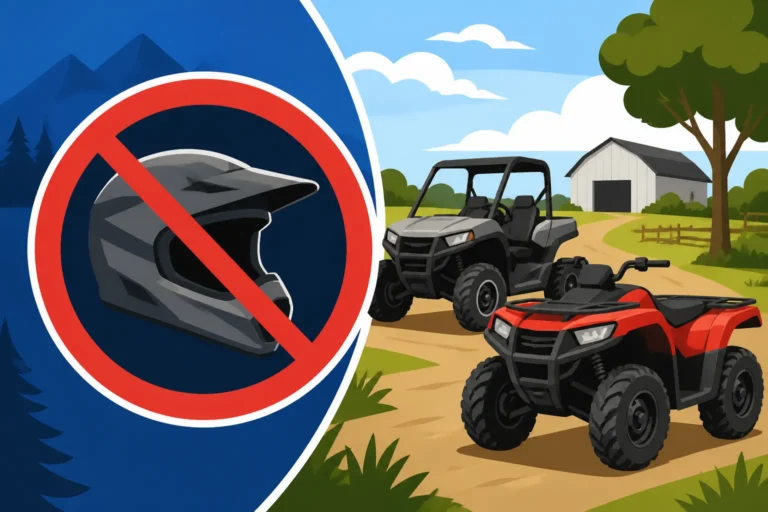
In Alberta, it's not just a recommendation; it's the law: every person operating or riding as a passenger on an off-highway vehicle on public land must wear a helmet that meets specific safety standards. For a 12-year-old, this means no exceptions, ever. The helmet must be designed for motorized recreational use and meet specific certifications, such as the Canadian Standards Association (CSA) CAN3-D230-M85 standard, or equivalent standards like DOT, Snell, or ECE. [Alberta ATV Helmet Law Explained] details these requirements.
Wearing a helmet drastically reduces the risk of serious head injury in the event of a fall or collision. A proper helmet absorbs impact, distributing the force across a wider area and protecting the brain. It's not enough to simply have a helmet; it must be worn correctly – snugly fitted, buckled securely, and level on the head, not tilted back. An ill-fitting helmet can be just as dangerous as no helmet at all, as it can shift during an impact, exposing vulnerable areas. Always double-check the fit every time your child puts it on. Remember, [Alberta's $93 Non-CSA Helmet Fine] is a serious consequence if you fail to comply, not to mention the much higher cost of a preventable injury.
Beyond the Helmet: Goggles, Gloves, and Boots
While the helmet is the absolute foundation, comprehensive safety gear extends far beyond just head protection. For a 12-year-old, proper eye protection is critical. Goggles protect their eyes from dust, debris, insects, branches, and even unexpected splashes of mud or water. Regular sunglasses or eyeglasses are not sufficient as they don't provide the same level of impact resistance or peripheral vision protection. Look for goggles designed to be worn with an OHV helmet for a seamless fit and maximum protection.
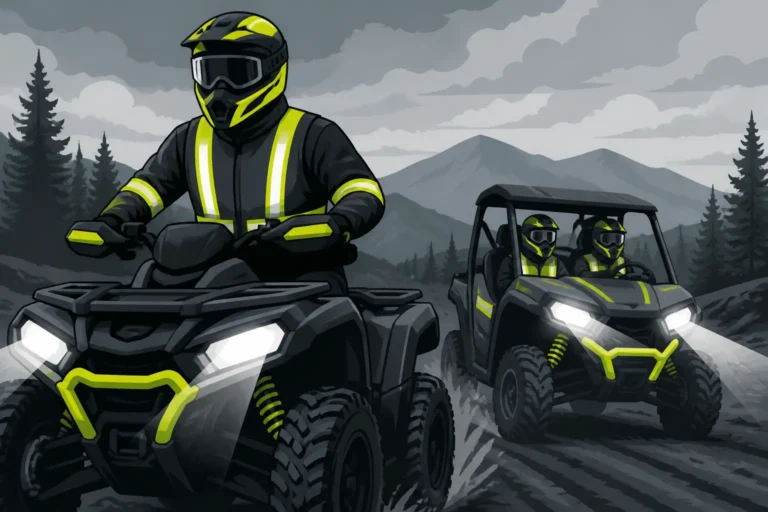
Gloves are essential for several reasons: they improve grip on the handlebars, reduce blistering, and protect hands from abrasions and minor impacts from branches or rocks. Boots, specifically over-the-ankle boots with good tread, provide ankle support, protect feet from impacts, and prevent them from slipping off the footpegs. Running shoes or sandals offer virtually no protection and are completely unsuitable for OHV riding. Layering clothing appropriate for the weather, including long pants and long-sleeved shirts, even in summer, helps protect against scrapes, sun exposure, and bug bites. Consider also adding a chest protector or body armour, especially if your child is riding in technical terrain, for an extra layer of crucial protection.
Proper Gear Fit and Inspection
Just like the ATV itself, all safety gear must fit properly to be effective. A helmet that's too loose will wobble and offer poor protection; one that's too tight will be uncomfortable and distracting. Goggles should seal against the face without pinching or leaving gaps. Gloves should allow for full dexterity in operating controls, and boots should be snug but not restrictive. When you're outfitting your 12-year-old, take the time to try everything on and ensure a comfortable, secure fit.
Before every ride, make it a habit to inspect all the gear. Check the helmet for cracks or damage to the shell or liner. Ensure the goggle strap isn't stretched out and the lens is clear. Look for tears or holes in gloves and make sure boot laces are tied securely. Over time, gear can wear out or become damaged, compromising its protective capabilities. Replacing worn-out gear is a small price to pay for your child's safety. Some families even invest in robust aftermarket parts and accessories for their machines, from brands like SuperATV, knowing that a well-maintained and protected machine also contributes to overall safety, reducing the chances of a breakdown that could lead to an accident.
Where a 12-Year-Old Can Actually Ride in Alberta
Understanding where your 12-year-old is legally allowed to ride their OHV in Alberta is just as important as knowing the age and supervision rules. Misunderstanding these location guidelines can lead to fines, vehicle seizure, and, more importantly, put your child at risk. Alberta's landscape offers incredible opportunities for off-roading, but not every patch of dirt is fair game.
Public Land vs. Private Property
A fundamental distinction in Alberta OHV laws is between public land and private property. As we've discussed, a 12-year-old can only ride on public land with close adult supervision. This includes designated Public Land Use Zones (PLUZs), Crown Land, and certain forestry roads. These areas are regulated to manage recreational use and protect the environment. [Alberta Public Land Use Zones Explained] provides a comprehensive overview of these areas. Riding on these lands requires adherence to all provincial laws, including registration, insurance, and helmet rules.
Private property, on the other hand, operates under different rules. If you own the land, or have explicit permission from the landowner, the provincial OHV age and supervision laws generally do not apply. This means a 12-year-old could potentially ride unsupervised on your own private property, or on a friend's farm with their permission. However, this doesn't mean safety goes out the window. Landowners still have a duty of care to ensure the environment is reasonably safe, and basic safety practices, like helmet use and appropriate machine choice, should always be followed regardless of the legal requirements. It's always best to err on the side of caution and maintain supervision, even on private land, as accidents can happen anywhere. [Alberta Rules for Riding Private Land] offers further clarity on this.
Designated OHV Zones and Trails
Alberta boasts several fantastic designated OHV zones and trail networks that are perfect for family riding. Places like McLean Creek, the Ghost PLUZ, and parts of the Eastern Slopes are specifically managed for OHV recreation. These areas often have signed trails, staging areas, and sometimes even amenities like toilets. These are excellent places to take your 12-year-old, as the trails are typically maintained, and other riders expect to see a mix of skill levels and machines. Staying on designated trails is crucial for environmental protection and rider safety. [McLean Creek: Alberta's Best Known OHV Area] is a great resource if you're looking for specific locations.
Within these designated zones, remember that the "close supervision" rule for your 12-year-old still applies. While these trails are generally safer, unforeseen obstacles, changing weather conditions, or encounters with other trail users (like hikers, mountain bikers, or equestrians) can still occur. Always review trail maps beforehand, pay attention to signage, and be aware of any seasonal closures or restrictions, such as fire bans. These zones are designed for enjoyment, but respectful and informed riding is key to preserving them for everyone.
Roads, Ditches, and Local Bylaws
Here's where things get a bit more complicated and where many riders, young and old, often make mistakes: riding on roads and in ditches. Generally, operating an OHV on a public road or highway, including the ditches alongside them, is prohibited in Alberta. The definition of a "highway" in the Traffic Safety Act is very broad and includes most public roads, streets, and even alleys. [Alberta Rules for Riding a Ditch] explains why this is often illegal. There are very specific exceptions, such as for agricultural purposes or ministerial permission, but these rarely apply to recreational riding, especially for youth.
Some municipalities and counties have specific bylaws that may allow OHV use on certain local roads or trails within their jurisdiction. However, these are rare and must be thoroughly researched for the specific area you plan to ride. Never assume a local road is open to OHVs unless you have verified it with the local county or municipality. For a 12-year-old, even if a local bylaw permits OHV use on a specific road, the provincial helmet and supervision rules would still apply. The safest bet for youth riders is to stick to designated OHV trails and private property where permission has been granted, avoiding any grey areas concerning public roads or ditches altogether.
Here's a quick reference table summarizing key rules for 12-year-old OHV riders in Alberta:
| Rule Category | Requirement for a 12-Year-Old Rider in Alberta | Key Details & Exceptions |
|---|---|---|
| Age on Public Land | Minimum 14 years old to ride unsupervised. | A 12-year-old MUST be under "close supervision" on public land. |
| Supervising Adult | Must be 18 years or older. | Within sight, hearing, and able to provide immediate assistance. |
| Helmet Requirement | Mandatory at all times on public land. | Must meet CSA, DOT, Snell, or ECE standards. Always check fit. |
| Machine Fit | Appropriate for size, strength, maturity. | Follow manufacturer age recommendations; avoid oversized machines. |
| Registration | Machine must be registered. | Regardless of rider's age, the OHV itself needs valid Alberta registration. |
| Insurance | Required on public land. | Third-party liability insurance is mandatory for OHV use on public land. |
| Riding Location | Designated OHV areas or private land. | Public roads, highways, and most ditches are generally prohibited. |
This article is for general informational purposes only and does not constitute professional advice. Laws, prices and regulations vary by location and change over time. Consult a qualified professional for guidance on your specific situation.