Alberta Adult Supervision at 18
Navigating the rules for young off-highway vehicle (OHV) riders in Alberta can feel like trying to solve a puzzle while holding a map upside down. Many parents and guardians are passionate about introducing their kids to the thrill of the trails, but they also want to ensure everyone stays safe and on the right side of the law. This comprehensive guide will untangle Alberta's adult supervision requirements for riders under 18, specifically clarifying what it means when an 18-year-old takes on the role of supervisor, so you can ride with confidence and peace of mind.
Understanding Alberta's Age Rules for OHVs
Before we dive deep into supervision, it's crucial to grasp the foundational age regulations that Alberta has in place for OHV operation. These rules aren't just bureaucratic red tape; they are designed with the safety of riders, especially younger ones, at their core. Understanding them helps prevent misunderstandings that could lead to fines or, more importantly, accidents.
The Legal Minimum Age to Ride Independently
In Alberta, the law specifies a minimum age for operating an OHV on public land without direct adult supervision. A rider must be at least 14 years old to operate an OHV independently on public land. This means that once a rider hits their 14th birthday, they are legally permitted to head out on designated trails, public land use zones, or forestry roads without an adult physically overseeing their every move. However, "independently" doesn't mean without any responsibility; all other OHV regulations, like registration, insurance, and helmet laws, still apply fully.
This age threshold is a significant milestone for many young riders, representing a step towards greater freedom and responsibility on the trails. It's often seen as a testament to their growing skills and judgment. For many families, reaching 14 means that a teenager can join a group ride with their peers, or even go on a solo adventure, provided they meet all other legal requirements and have the experience to handle various terrains and situations safely.
Why Age Restrictions Matter for Safety
Age restrictions for OHV operation are rooted deeply in safety principles, acknowledging the developmental stages of children and adolescents. Younger riders, particularly those under 14, typically lack the physical strength, coordination, judgment, and risk perception needed to safely operate powerful machines in unpredictable off-road environments. They might not react quickly enough to hazards, accurately judge distances, or understand the full implications of their actions.
These rules also consider the cognitive load involved in operating an OHV. A rider needs to simultaneously manage throttle, braking, steering, balance, and environmental awareness – a complex task that can overwhelm younger minds. The provincial government's regulations are an attempt to mitigate these inherent risks, aiming to reduce the likelihood of serious injuries or fatalities among the most vulnerable group of riders. It's about protecting kids who are eager to ride but might not yet have the full suite of skills necessary for independent operation. You can learn more about this in [Alberta's Minimum Age of 14 on Public Land].
Manufacturer Age Guidelines vs. Alberta Law
It’s essential for parents and guardians to understand that there can be a difference between the age recommendations provided by OHV manufacturers and the actual legal requirements set by Alberta's Off-Highway Vehicle Regulation. Manufacturers often place age labels directly on their machines, like "suitable for riders 16 and older" or "not for riders under 6." These guidelines are typically based on the machine's size, weight, power, and handling characteristics, and are designed to prevent children from operating vehicles beyond their physical capabilities.
While manufacturer guidelines are extremely important for matching a child to an appropriate machine and should always be respected, they are not the same as the provincial law. Alberta's legal framework dictates the minimum age for independent operation on public land, regardless of what the manufacturer suggests for a particular model. This means that a child might be physically capable of handling a smaller, less powerful machine according to manufacturer recommendations, but still legally require supervision if they are under 14 and riding on public land. Always consider both sets of rules to ensure both safety and compliance. When considering accessories for safety or performance, looking at reputable brands like SuperATV can help you find appropriate gear for various machine sizes, ensuring a better fit for younger riders on properly sized machines.
The Role of Adult Supervision for Young Riders
For riders who haven't yet reached the independent operating age of 14, adult supervision isn't just a good idea; it's a legal requirement in Alberta when riding on public land. This requirement is a cornerstone of child safety in the OHV community, providing an extra layer of protection and guidance. The goal is to ensure that young riders develop skills responsibly and avoid situations that could lead to harm.
Who Needs to Be Supervised on Public Land
In Alberta, any person operating an OHV on public land who is under the age of 14 years old must be under the close supervision of an adult. This rule is clear-cut and applies universally across all public lands, including designated trails, Public Land Use Zones (PLUZs), provincial forests, and even the shoulders and ditches of highways where OHV use might be permitted by local bylaws. It's not optional, and failure to comply can result in fines for both the young rider and the supervising adult.
This means that if you have a 12-year-old eager to explore the trails, they cannot legally ride ahead or fall behind the group to the point where they are out of sight or beyond direct communication with their supervisor. The intent is constant oversight and immediate intervention if needed. This close proximity helps ensure that the adult can provide real-time instruction, assist in difficult terrain, and respond swiftly to any emergency. For specific scenarios regarding younger riders, check out [Alberta Rules for a 12-Year-Old Rider] or [Alberta Rules for a 14-Year-Old Rider].
Defining "Close Supervision" in Alberta
The term "close supervision" is crucial here, and Alberta's regulations offer some clarity, though common sense and best practices always play a role. "Close supervision" generally means that the adult supervisor must be immediately available to assist the young rider. While it doesn't necessarily mean riding tandem on the same machine (though that's often the safest option for very young children), it certainly means being within sight and hearing distance, able to communicate directly, and capable of intervening physically if necessary.
This isn't about letting a child ride somewhere vaguely nearby while the adult is preoccupied or too far away to help. Imagine a scenario where a young rider encounters a sudden obstacle or gets stuck; the supervisor must be able to reach them quickly. This often implies the adult is also on an OHV, riding either alongside or slightly behind the supervised child, maintaining a constant watch. The spirit of the law is active engagement and direct responsibility for the child's safety and adherence to all rules.
The Rationale Behind Supervision Requirements
The rationale behind mandatory supervision for young OHV riders under 14 is multi-faceted and primarily focused on safety and responsible development. Firstly, it acknowledges that children's decision-making skills are still maturing. They might take unnecessary risks, overestimate their abilities, or underestimate hazards that an adult would easily recognize. An adult's presence provides immediate guidance and prevents dangerous situations from escalating.
Secondly, supervision allows for hands-on teaching of safe riding techniques, trail etiquette, and environmental responsibility. It's an opportunity for mentors to pass on valuable knowledge. Lastly, it ensures compliance with other regulations. An adult supervisor is ultimately responsible for ensuring the young rider is wearing appropriate safety gear (like a CSA-approved helmet), their machine is properly equipped (e.g., spark arrestor, working lights), and they are operating it lawfully. This shared responsibility helps instill good habits from a young age, contributing to a safer OHV community overall.
What "Adult Supervision at 18" Really Means on the Trail
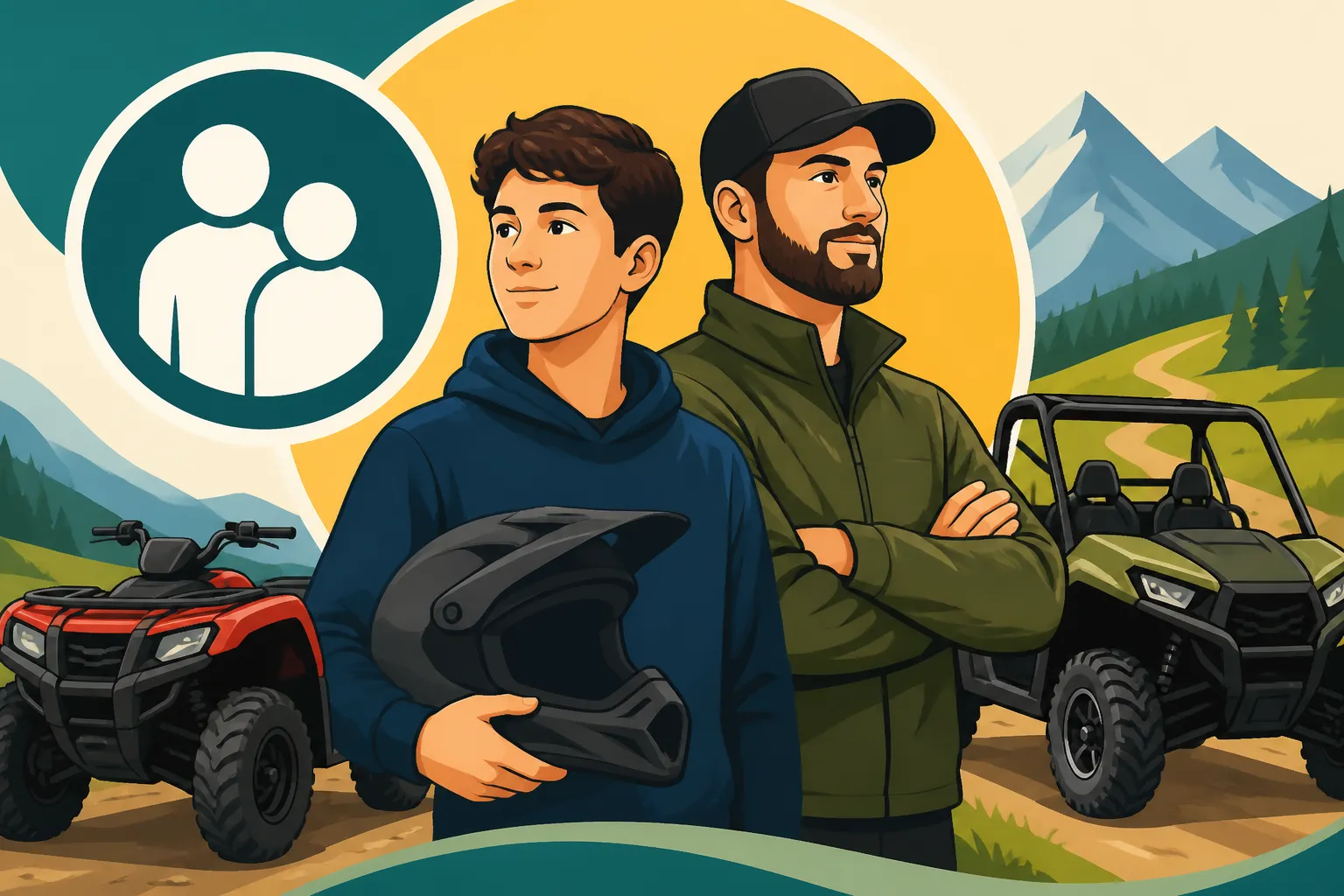
Here's where the specific nuance of "Alberta Adult Supervision at 18" comes into play. The law states that the supervisor must be an "adult," and in legal terms for such matters, an adult is typically defined as someone 18 years of age or older. This means an 18-year-old individual, fresh out of high school, is legally capable of being the designated supervisor for a younger OHV rider under 14. However, "legally capable" and "ideally suited" are sometimes two different things, and it's important to consider both perspectives.
The Legal Standing of an 18-Year-Old Supervisor
From a purely legal standpoint, an 18-year-old individual in Alberta is considered an adult. This means they can enter contracts, vote, and, crucially for our discussion, be designated as the legal supervisor for an OHV rider under the age of 14. If a peace officer encounters a young rider being supervised by an 18-year-old, the letter of the law is being met, assuming all other conditions of "close supervision" are also fulfilled. This legal status means the 18-year-old would also bear the legal responsibilities and potential penalties if the supervised minor violates OHV regulations.
This is a significant point for families, especially those with older siblings or young adult relatives who are competent riders themselves. It allows an older sibling, for example, to take their younger brother or sister out on the trails without needing a parent present, as long as the older sibling is 18 or older. However, while the law permits this, it's essential for parents to thoroughly assess the 18-year-old's maturity, experience, and sense of responsibility before entrusting them with such an important role.
Practical Considerations for an 18-Year-Old Supervising
While legally permissible, there are practical considerations when an 18-year-old takes on the role of an OHV supervisor. An 18-year-old might be an experienced rider themselves, perhaps having grown up on quads. However, supervising a younger child involves more than just riding proficiency; it requires patience, good judgment, conflict resolution skills, and the ability to act calmly and effectively in an emergency. These are qualities that are still developing in many young adults.
Parents should ask themselves: Does this 18-year-old truly understand the gravity of the responsibility? Are they mature enough to prioritize the safety of the younger rider over their own desire for speed or adventure? Have they had any first aid training? Do they know how to handle a machine breakdown or a minor injury in the backcountry? While an 18-year-old might be excited about the responsibility, they may still lack the life experience or specific training to handle every unforeseen situation as effectively as a more seasoned adult. Brands like SuperATV offer a range of recovery gear and safety accessories that any supervisor, regardless of age, should be familiar with and carry.
When an Older, More Experienced Adult is Recommended
Despite the legal allowance for 18-year-olds to supervise, there are definitely situations where having an older, more experienced adult (someone in their 20s, 30s, or beyond) is highly recommended, or even preferable. This is particularly true for:
- Challenging Terrain: If you're planning to ride in exceptionally difficult or unfamiliar terrain, a supervisor with more years of experience navigating complex situations and making split-second decisions is invaluable.
- Larger Groups with Multiple Young Riders: Managing several young riders, each with different skill levels and attention spans, requires a higher level of supervisory expertise than a single 18-year-old might possess.
- Longer Trips or Remote Areas: In remote areas where help might be hours away, the wisdom and preparedness that often come with more life experience are critical for dealing with emergencies, weather changes, or unexpected mechanical issues.
- New Riders: For a child's very first rides, a supervisor with extensive teaching experience can make a significant difference in building confidence and foundational skills.
Ultimately, while the law sets the minimum, parents must use their judgment to determine if the designated supervisor, regardless of their exact age over 18, truly possesses the maturity, experience, and temperament to ensure the safety and well-being of the younger rider. This is about exceeding the minimum legal standard for optimal safety.
The Responsibilities of an Adult Supervisor
Taking on the role of an adult supervisor for a young OHV rider is a significant responsibility that extends far beyond just riding alongside them. It encompasses legal obligations, safety advocacy, and acting as a mentor. This role requires diligence, preparedness, and a thorough understanding of all applicable regulations.
Ensuring Compliance with All OHV Regulations
A primary responsibility of any adult supervisor is to ensure the young rider under their charge complies with all of Alberta's OHV regulations, not just the age and supervision rules. This includes:
- Registration and Insurance: Making sure the OHV is properly registered with the province and carries the required liability insurance for public land use. Check out [Alberta Requires Insurance on Public Land] for more details.
- Helmet Use: Verifying that the young rider is wearing a CSA-approved helmet that fits correctly, as required by [Alberta Helmet Law on Public Land].
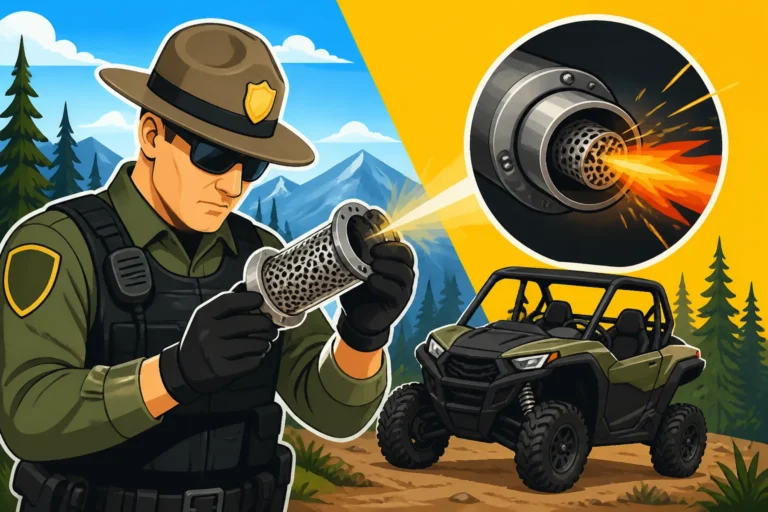
- Machine Requirements: Ensuring the OHV meets all equipment requirements, such as a working spark arrestor, functional headlights and taillights, and an unmodified exhaust. You can learn more about [What an Officer Looks for on a Spark Arrestor].
- Permitted Riding Areas: Guiding the young rider only on trails and public lands where OHVs are permitted, and respecting all signage and closures.
- Environmental Responsibility: Teaching and enforcing principles of 'tread lightly,' staying on marked trails, and protecting natural habitats.
In essence, the supervisor acts as the legal guardian of the young rider's compliance on the trail. Any infractions by the child could result in tickets or penalties issued to the adult supervisor.
Guiding and Mentoring Safe Riding Practices
Beyond legal compliance, the adult supervisor is a crucial mentor in developing safe riding habits and good judgment. This involves:
- Instruction: Providing continuous, clear instruction on throttle control, braking techniques, body positioning, navigating obstacles, and managing different types of terrain. This can often be reinforced with voluntary courses like those offered in [Alberta Youth Rider Courses].
- Pacing: Ensuring the young rider is not pushed beyond their comfort level or skill set. Supervisors should set a reasonable pace that allows the child to learn and react safely.
- Hazard Identification: Actively pointing out potential hazards on the trail (rocks, roots, mud, steep inclines/declines) and teaching the child how to assess and safely overcome them.
- Positive Reinforcement: Encouraging good riding behavior and offering constructive feedback in a supportive manner to build confidence.
- Trail Etiquette: Teaching respect for other trail users (hikers, bikers, equestrians), wildlife, and private property.
This mentoring aspect is vital for fostering responsible, lifelong riders who understand not only how to operate their machine, but also how to operate it safely and respectfully within the outdoor community.
Emergency Preparedness and Response
One of the most critical responsibilities of an adult supervisor is to be fully prepared for emergencies and capable of responding effectively. This includes:
- First Aid Knowledge: Possessing basic first aid skills and carrying a well-stocked first aid kit. Knowing how to deal with minor cuts, scrapes, sprains, or even more serious injuries until professional help arrives is paramount.
- Communication Devices: Carrying a fully charged cell phone, and if riding in remote areas with no signal, a satellite messenger or two-way radio. This ensures help can be called if needed.
- Basic Repair Kit: Having essential tools for minor machine repairs (e.g., tire patch kit, small wrenches, zip ties, duct tape) can prevent being stranded far from civilization.
- Emergency Supplies: Packing extra water, snacks, warm clothing layers, and a flashlight, even for seemingly short rides, as unexpected delays can turn a pleasant outing into a challenging situation.
- Contingency Planning: Knowing the route, having a map (digital or paper), informing someone of your itinerary, and having a plan for what to do if you get lost or separated.
The supervisor is the first line of defense in any emergency, and their preparedness can significantly impact the outcome of an unfortunate incident. Being able to calmly assess a situation and take appropriate action is a hallmark of a responsible supervisor.
Common Scenarios and Misconceptions About Supervision
Even with clear rules, practical scenarios and common misconceptions can sometimes blur the lines of what constitutes proper supervision. It's important to address these directly to ensure everyone understands their obligations and the nuances of the law.
Group Riding Dynamics and Supervision
One common scenario involves group rides. When several families or friends ride together, and there are multiple young riders, it's easy to assume that "an adult is present" somewhere in the group. However, this informal understanding does not meet the legal definition of "close supervision." Each young rider under 14 requires a designated adult supervisor who is actively and closely overseeing them.
This means if you have three kids under 14 in a group, you need three designated adults taking direct responsibility, not just one parent keeping a loose eye on everyone. It's too easy for a child to get out of sight or encounter trouble if their supervisor is miles away or distracted by other riders. Clear communication before the ride about who is supervising whom is essential, and supervisors should always ride in a position where they can constantly monitor their assigned young rider.
Riding on Private Land vs. Public Land Supervision
A significant distinction exists between riding on private land and riding on public land when it comes to supervision requirements. Alberta's OHV Regulation, which mandates supervision for riders under 14, applies specifically to public land. On private property, the rules are primarily determined by the landowner.
This means if a child under 14 is riding on their family's farm, acreage, or a friend's private land with permission, the provincial supervision law does not strictly apply. However, this does not negate the importance of safety. Even on private land, parents and guardians should still enforce their own strict safety rules, including wearing helmets, riding age-appropriate machines, and providing adequate supervision. The legal exemption on private land is not an invitation to be reckless; it simply shifts the regulatory burden from the province to the landowner/parent. While aftermarket parts from SuperATV can enhance a machine, safety modifications should always be the priority regardless of where you ride.
Consequences of Inadequate Supervision
The consequences of failing to adequately supervise a young OHV rider on public land can range from serious fines to heartbreaking accidents. If a peace officer observes a child under 14 riding unsupervised, or if the supervision is deemed not "close" enough, the supervising adult can face substantial fines. These penalties are designed to underscore the seriousness with which the province views child safety on OHVs.
Beyond legal repercussions, the most devastating consequence is the increased risk of injury or death to the child. Without immediate adult guidance, young riders are more prone to making critical errors, misjudging terrain, or getting into accidents that could have been prevented. Inadequate supervision also hinders the opportunity for proper skill development, potentially creating unsafe habits that could persist into adulthood. Ultimately, the rules are there to protect, and ignoring them places young lives at unnecessary risk. For understanding potential penalties, consider [Alberta Penalties for Riding Unregistered] or [Alberta Vehicle Seizure for No Insurance].
Ensuring a Safe and Compliant Ride for Young Adventurers
Beyond the legal framework of supervision, there are many practical steps families can take to ensure young adventurers have a safe, enjoyable, and compliant experience on Alberta's OHV trails. It's about building a culture of safety from the ground up, starting with the right equipment and solid preparation.
Choosing the Right Machine Size and Type
One of the most crucial steps to ensuring a young rider's safety is selecting an OHV that is appropriate for their age, size, and skill level. Resist the temptation to put a child on a machine that's too big or too powerful for them to "grow into." An oversized or overpowered machine is incredibly difficult for a child to control, increasing the risk of accidents significantly.
Manufacturers provide clear age and size guidelines for youth ATVs and UTVs. A child should be able to comfortably reach the footrests, handlebars, and controls, and have the strength to steer and brake effectively. Their feet should be able to touch the ground on both sides when seated (for ATVs). For side-by-sides, ensure they can reach all pedals and have a clear view of the road. Starting with a smaller, less powerful machine allows a child to build confidence and develop fundamental skills before progressing to larger vehicles.
Essential Gear and Safety Equipment
Proper safety gear is non-negotiable for all OHV riders, especially children. Even with the best supervision, accidents can happen, and the right equipment provides crucial protection. Here's a checklist of essential gear:
- CSA-Approved Helmet: This is mandatory on public land in Alberta. Ensure it fits snugly, is fastened correctly, and doesn't obstruct vision. You can reference [Alberta CSA Helmet Standards].
- Eye Protection: Goggles or a full-face shield on the helmet are essential to protect eyes from dust, debris, and insects.
- Gloves: Protect hands from blisters, abrasions, and provide better grip on the handlebars.
- Long-Sleeved Shirt and Pants: Durable clothing provides protection from scrapes, branches, and sun exposure.
- Over-the-Ankle Boots: Sturdy boots with good ankle support are critical for protecting feet and ankles.
- Chest Protector/Body Armour: Highly recommended for youth riders, especially when riding in rougher terrain, to protect vital organs.
Investing in quality safety gear is just as important as investing in the machine itself. It’s a small price to pay for significant protection.
Pre-Ride Checks and Trail Etiquette
Before every ride, a thorough pre-ride inspection of the OHV is essential. This teaches young riders responsibility and helps prevent mechanical issues on the trail. Check the tires for proper inflation and damage, ensure brakes are working, lights are functional (especially if riding near dusk), and the throttle operates smoothly. Ensure there's enough fuel for the planned ride.
Beyond mechanical checks, instilling good trail etiquette is paramount. Teach young riders to:
- Stay on Marked Trails: Protect the environment and respect closures.
- Yield to Other Users: Give way to hikers, mountain bikers, and horses.
- Control Speed: Ride at a speed appropriate for conditions and their skill level.
- Minimize Noise: Be mindful of noise, especially near residential areas or wildlife.
- Pack It In, Pack It Out: Leave no trace and carry out all garbage.
By combining diligent supervision, appropriate equipment, and a strong emphasis on responsible riding practices, families can ensure that their young adventurers develop a lifelong love for OHV recreation in Alberta, safely and respectfully. For those looking to enjoy Alberta’s trails, places like [McLean Creek: Alberta's Best Known OHV Area] offer fantastic riding opportunities where these rules are especially important.
Disclaimer
This article is for general informational purposes only and does not constitute professional advice. Laws, prices and regulations vary by location and change over time. Consult a qualified professional for guidance on your specific situation.