Do Trailers Need Their Own Alberta Plates?
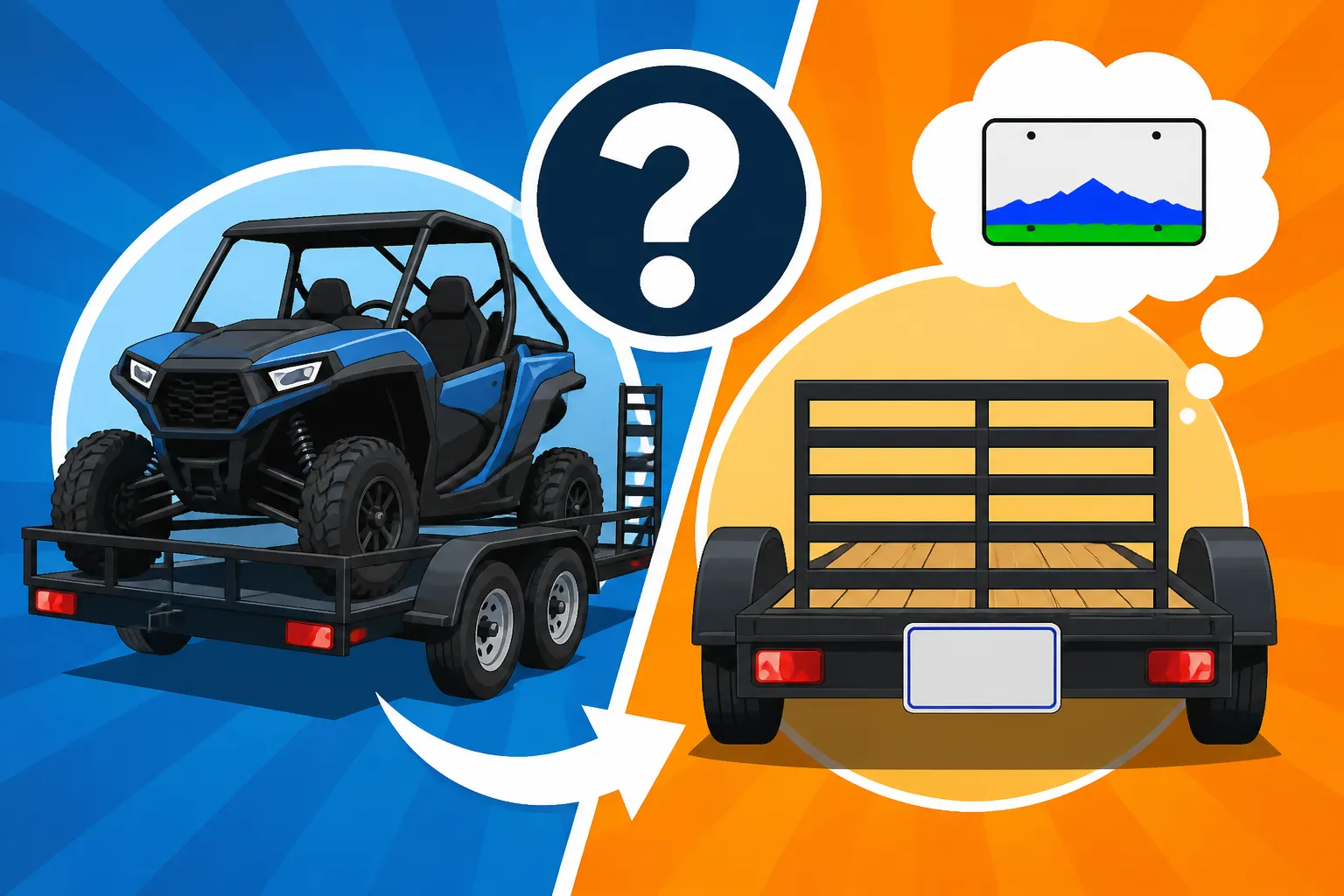
It's a common oversight for many of us who love hitting Alberta's backcountry trails with our ATVs and UTVs: we focus so much on getting our machines registered and ready, that we forget about the trusty trailer hauling them. The truth is, while your off-highway vehicle absolutely needs its own plate for public land, the trailer carrying it often requires its own set of paperwork and a plate as well. This guide will walk you through Alberta's trailer registration requirements, clearing up the confusion so you can haul your quad or side-by-side without any unexpected hassles.
The Simple Truth: Most Trailers Need Plates in Alberta
When you're loading up your ATV or side-by-side for a weekend adventure in McLean Creek or out near Nordegg, it’s easy to assume that as long as your truck is legal and your OHV is registered, everything else just falls into place. But that's not always the case, especially when it comes to the trailer hitched behind you. For the vast majority of trailers used on Alberta's public roads, a separate registration and plate are a non-negotiable requirement.
Why Registration Matters for Your Trailer
Think about it from a safety and accountability perspective. A trailer, even an empty one, is a vehicle on the road. It has wheels, it has lights, and it needs to be identifiable. If there's an accident, or if your trailer somehow detaches from your tow vehicle, that plate is critical for identifying ownership and ensuring proper procedures are followed. It's not just about collecting fees; it's about public safety and order on the roadways. Just like your truck or car, your trailer needs a unique identifier so that authorities can quickly trace it back to you. It's part of the comprehensive system Alberta has in place to keep our roads safe for everyone, whether you're hauling lumber, a boat, or your precious quad.
What Counts as a "Trailer" Under Alberta Law
This is where some folks get tripped up. Many think of a "trailer" as just an enclosed box or a huge flat deck. But under Alberta's traffic laws, a trailer is pretty broadly defined as any vehicle that is designed to be drawn by another vehicle and is not equipped with means of self-propulsion. So, if you're not carrying your ATV or UTV in the bed of your truck, but rather behind it on a separate set of wheels, you're operating a trailer. This includes everything from the small utility trailer you use for hauling firewood and your dirt bike, to those robust tandem-axle flat decks designed specifically for a side-by-side, and even enclosed cargo trailers or toy haulers that double as mobile shelters for your machines. The key distinction is that it’s a separate unit being pulled, and as such, it usually falls under the registration requirements.
Key Exceptions and Nuances
While most trailers require registration, there are a few very specific, limited exceptions that are worth understanding. For instance, very small, often homemade, non-motorized utility trailers primarily used for specific farm operations might have some exemptions, but only if they are strictly confined to the farm property or travel between adjacent parcels of land owned by the same farmer. The moment that farm trailer hits a public road for anything beyond a very short, specific crossing, it almost always needs to be registered. There's also some wiggle room for very small, light utility trailers that might fall under an exemption for weight or specific use, but these are often few and far between and not applicable to most ATV haulers. Generally speaking, if your trailer has an axle and will be traveling on any public highway or road in Alberta, plan on getting it registered and plated. Trying to rely on an obscure exemption can lead to a roadside headache and a ticket you didn't see coming.
How to Register Your Trailer in Alberta
Registering your trailer in Alberta is a process handled by any authorized registry agent across the province. It's designed to be fairly straightforward, but having all your ducks in a row with the right documentation is key to a smooth experience.
Essential Paperwork for a New Trailer
When you purchase a brand-new trailer from a dealer, they typically provide you with the necessary documentation to get it registered. The most crucial piece of paper here is the Manufacturer's Statement of Origin (MSO) or a New Vehicle Information Statement (NVIS). This document acts as the birth certificate for your trailer, proving it's new and hasn't been registered before. Along with the MSO, you'll need the Bill of Sale from the dealership, which shows proof of your purchase and the price paid. Don't forget to bring your personal identification, like your Alberta driver's license, as the registry agent needs to confirm who you are and that you’re an Alberta resident. It’s always a good idea to call ahead to your local registry to confirm their specific requirements, as sometimes things can vary slightly.
Registering a Used or Homemade Trailer
This is where things can get a little more involved, especially for used or homemade trailers.
For a used trailer purchased from a private seller, you absolutely need a clear Bill of Sale. This document should include the trailer's Vehicle Identification Number (VIN), the make, model (if applicable), year, sale price, and the names, addresses, and signatures of both the buyer and seller. A robust bill of sale protects both parties and is essential for transferring ownership. If you're buying a used trailer, make sure you know the process for [Selling a Registered Machine in Alberta], as many of the principles apply to trailers, especially regarding the bill of sale and transferring ownership. It's wise to use a reputable template for your bill of sale, and services like LawDepot can provide customizable legal documents to ensure all the necessary details are included, giving you peace of mind. Without a proper bill of sale, the registry agent simply won't be able to process your ownership transfer.
If you've built a homemade trailer, the process has a few extra steps. You'll need to provide an affidavit of ownership, detailing how and when the trailer was built, and attest that it complies with safety standards. You'll also need to get the trailer weighed at a certified weigh scale and bring that weigh slip to the registry. The registry agent will then issue a VIN for your homemade trailer, which you'll need to physically affix to the trailer. Depending on the trailer's complexity, you might even require an inspection to ensure it meets basic roadworthiness. This can feel like a bit of a bureaucratic maze, but it’s all to ensure that homemade vehicles are safe for public roads. Make sure you understand [What a Manufacturer's Statement of Origin Proves] to understand why this documentation is so important for any vehicle on the road.
Before you head to the registry, always prepare your [Alberta Registration Paperwork Checklist] to ensure you have everything needed.
Where to Go and What to Expect at the Registry
Any Alberta Registry Agent office can handle trailer registrations. These are private businesses licensed by the province to provide government services. When you walk in, you’ll typically take a number and wait your turn. When called to the counter, you'll present your paperwork, your ID, and be prepared to pay the necessary fees.
The fees for registering a trailer generally include a registration fee (which can be for one or two years, similar to OHVs), a plate fee, and the registry agent's service charge. Remember, the province of [Alberta Has No Provincial Sales Tax], but GST will apply to the purchase of the trailer itself. The exact figures for these fees can change, so it's always best to check directly with a registry agent or their website for the most up-to-date costs. You can typically pay with various methods, so understanding [Alberta Registration Payment Methods] might be helpful. The process itself often doesn't take very long once you're at the counter, assuming all your documents are in order. You'll walk out with your new trailer plate and a registration certificate. The [Alberta Registration Processing Time] is usually immediate for plates and certificates once all documents are verified.
Life With a Registered Trailer: Responsibilities and Best Practices
Once your trailer is registered and plated, your responsibilities don't end there. Proper maintenance, understanding insurance, and knowing how to handle transfers are all part of being a good trailer owner in Alberta.
Proper Plate Placement and Maintenance
Just like your vehicle's license plate, your trailer plate needs to be securely attached and clearly visible. This means mounting it in a way that it won't easily fall off, get obscured by dirt or cargo, or become unreadable due to damage. Most trailers have a designated spot, often with a light, for the plate. Ensure the plate is horizontal and not swinging freely. The principles of [Mounting an OHV Plate So It Stays Readable] apply here: the goal is for law enforcement (and anyone else who needs to see it) to be able to read it quickly and clearly. Keep the plate clean and free of snow or mud, especially when you're out on those dusty or muddy backcountry roads heading to your favorite ATV staging area. A lost or damaged plate will mean a trip back to the registry for a replacement, which is a hassle you can avoid with proper mounting from the start. Remember that [Alberta Issues a Plate, Not a Sticker] for vehicles, including trailers, so there's no sticker to worry about obscuring.
Insurance Considerations for Your Trailer
When it comes to insurance, trailers generally operate a little differently than self-propelled vehicles. In Alberta, the liability insurance from your tow vehicle typically extends to cover your trailer while it's hitched and being towed. This means if your trailer causes damage or injury to another party while you're driving, your truck's third-party liability coverage should kick in.
However, this often doesn't cover physical damage to the trailer itself if it's involved in an accident, stolen, or otherwise damaged. For valuable trailers, especially those enclosed toy haulers or custom builds, you might want to consider adding specific physical damage coverage to your auto insurance policy. This would protect your investment in the event of a collision, fire, or theft. It's always a good idea to call your insurance provider and discuss your specific trailer and its value to ensure you have adequate coverage, both for liability and for the physical asset itself. Don't just assume; verify your coverage details before you hit the road.
Transferring Ownership and Other Changes
If you decide to sell your registered trailer, you'll need to follow the proper steps to transfer ownership. This involves providing the buyer with a valid Bill of Sale and signing over the registration certificate. The buyer will then take these documents to an Alberta registry agent to transfer the registration into their name. Understanding the procedures for [Selling a Registered Machine in Alberta] will give you a good blueprint for selling your trailer. If you move, you'll also need to update your address with the registry. Any changes to the trailer itself, like significant modifications that change its classification, might also require an update to its registration. Always keep your registration certificate in a safe, accessible place, as it's proof of your legal ownership and registration.
Avoiding Penalties: The Consequences of Unregistered Trailers
Operating an unregistered trailer in Alberta can lead to unnecessary stress and financial penalties. It's simply not worth the risk.
What Happens If You're Caught Without a Plate
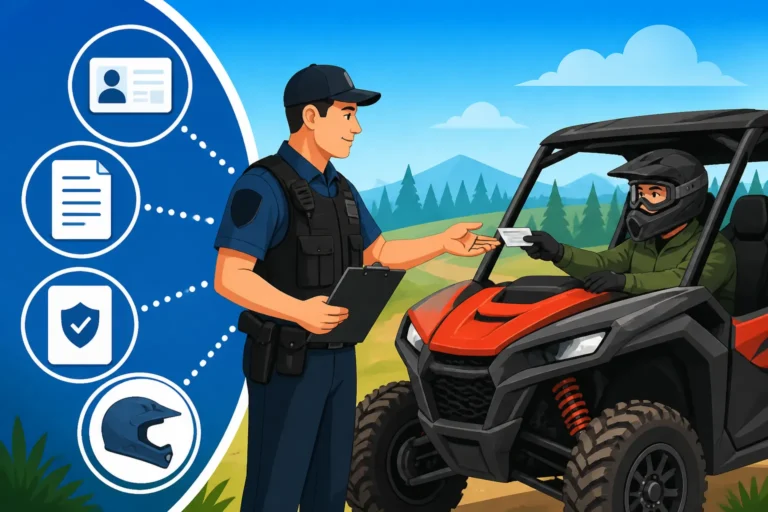
If you're stopped by law enforcement and your trailer isn't registered or doesn't have a valid plate, you're likely going to face a traffic ticket. The fines for operating an unregistered vehicle can be significant, and it can certainly put a damper on your eagerly anticipated riding trip. Police officers routinely conduct checks, especially in areas leading to popular OHV trails, and an unregistered trailer is an easy catch. Beyond the fine, you might be instructed not to proceed with the trailer until it's properly registered, which could mean leaving your trailer (and your OHVs) by the side of the road, or arranging for a registered trailer to pick it up. This kind of disruption can ruin a weekend and create a lasting headache. This falls under the general umbrella of [Alberta Penalties for Riding Unregistered] – while that focuses on OHVs, the principle of operating unregistered vehicles on public roads is the same.
Importance of Accurate Documentation
Having proper documentation isn't just for registering; it's also crucial if you ever need to prove ownership, deal with insurance claims, or even if your trailer is stolen. A solid bill of sale, whether for buying or selling, is your primary defense against future disputes. When buying a used trailer, especially from a private seller, be meticulous. Make sure the VIN on the bill of sale matches the VIN on the trailer exactly. It's not uncommon for unscrupulous sellers to try to offload stolen or questionable trailers. A comprehensive bill of sale, perhaps generated using a template from a service like LawDepot, can save you a lot of grief. It's wise to consider the importance of [Checking a Serial Number for Theft Before You Pay] for trailers just as you would for an OHV. A simple handwritten note might suffice for the registry if it has all the details, but a more thorough document provides better protection. Consider if [Will a Handwritten Bill of Sale Register a Quad?] is applicable, and extend that caution to trailers. The more detailed and clear your paperwork, the smoother your experience will be, and the better protected you'll be as an owner.
Disclaimer
This article is for general informational purposes only and does not constitute professional advice. Laws, prices and regulations vary by location and change over time. Consult a qualified professional for guidance on your specific situation.